


Reviewed by ThaiLawOnline, a licensed Thai law firm practising in Thailand since 2006. Thai lawyer of record: Wichuda Atthamethakon, LL.M., Thai Bar Licence 3149/2556.
Last updated on
Blood donation represents one of the most impactful ways individuals can contribute to society while simultaneously reaping significant personal health benefits. Recent medical research shows that regular blood donation has many health benefits for donors. These benefits go beyond the good feeling of saving lives. In Thailand, this life-saving practice is encouraged by healthcare discount programs. These programs make blood donation in Thailand appealing for Thai citizens and expatriates. This analysis looks at the many benefits of blood donation. It focuses on Thailand’s unique way of encouraging regular donations with real healthcare rewards.
Table of Contents
Health benefits of regular blood donation
Cardiovascular Health and Heart Disease Prevention
The most extensively researched benefit of regular blood donation centers on cardiovascular health improvement. Multiple peer-reviewed studies have demonstrated that blood donors experience significantly reduced risk of heart disease and related complications. The protection works by reducing blood thickness. This happens when donated blood is replaced with fresh, thinner blood cells. This process directly impacts heart function by reducing the workload required for circulation.
Table: Blood Donation Benefits and Incentive Programs in Thailand
| Benefit Area | Key Health Impact | Research / Data | Thai Program Incentives |
|---|---|---|---|
| Cardiovascular Health | Reduced risk of heart disease and lower blood pressure | American Journal of Epidemiology: 88% lower heart attack risk for annual donors | Encourages regular donations through hospital discounts |
| Iron Regulation | Prevents iron overload, reduces diabetes risk | JAMA study: 32,000 women with high iron had higher diabetes risk | Supports health by offering benefits for consistent donors |
| Cancer Risk Reduction | Lower risk of some cancers by reducing oxidative stress | Journal of the National Cancer Institute: reduced risk in donors | Donors who give 24 or more times do not have to pay for general ward inpatient charges at Thai Red Cross hospitals. They also receive a 50% discount for special rooms and operating rooms |
| Genetic & Stem Cell Health | Healthier blood cell production, lower mutation risks | Francis Crick Institute research on long-term donors | Long-term donation linked with lifetime benefits |
| Financial Savings | Free or discounted healthcare at Red Cross and government hospitals | Thai Red Cross and government hospital tiered program | 50% discount at 7 donations, free care after 24 donations |
| Inclusivity | Open to expatriates and rare blood types (Rh-) | Thai Red Cross inclusivity policy | Foreigners eligible for same benefits as citizens |
A study in the American Journal of Epidemiology found something important. Men who donated blood once a year had a much lower risk of heart attacks. Specifically, their risk was 88% lower compared to men who did not donate blood. The study showed that this benefit was strongest in non-smoking men. This suggests that blood donation helps the heart more for those with healthier lifestyles. Research shows that regular donation can lower blood pressure. This is especially helpful for people with hypertension. However, it should be used alongside standard medical treatments, not as a replacement.
The iron hypothesis explains the important cardiovascular benefits for people who donate blood in Thailand. Excessive iron accumulation in the body contributes to oxidative stress and inflammation, both significant risk factors for atherosclerosis and coronary artery disease. Blood donation helps control iron levels. This prevents harmful buildup that can damage blood vessels and heart tissue over time.
Iron Regulation and Metabolic Health Enhancement
Iron regulation through blood donation offers profound health advantages that extend well beyond cardiovascular protection. Men and postmenopausal women are particularly susceptible to iron overload, as they lack the natural iron loss mechanisms that premenopausal women experience through menstruation. Too much iron can build up in important organs like the liver, pancreas, and heart. This can cause serious tissue damage over time.
Research shows that regular blood donation can help prevent and manage hemochromatosis. This is a genetic condition that affects about one in 200 Americans. It causes dangerous iron buildup in the body. For people with this condition, donating blood helps treat and prevent issues. It lets them help others while taking care of their health.
The benefits of controlled iron reduction help with diabetes prevention and management. This is an important point noted by the Ministry of Public Health. A large study with over 32,000 women showed that higher iron levels raise the risk of type 2 diabetes. This is true even when considering other risk factors. The study was published in the Journal of the American Medical Association. Blood donation appears to improve insulin sensitivity while reducing diabetes risk through iron regulation mechanisms.
Cancer Risk Reduction and Cellular Health
Emerging research suggests that regular blood donation may correlate with reduced cancer risk, particularly in individuals with pre-existing conditions that involve iron overload. The Journal of the National Cancer Institute published findings. These findings show that donating blood can lower cancer risk and death rates. This is especially true for patients with peripheral arterial disease.
The biological process involves iron creating harmful free radicals. These free radicals can damage DNA in cells and lead to cancer. By maintaining optimal iron levels through regular donation, individuals may reduce oxidative stress and subsequent cellular damage that contributes to cancer development. This research is promising. However, scientists stress that larger studies are needed. These studies will help show clear links between blood donation and cancer prevention.
Genetic findings in frequent donors
New research from the Francis Crick Institute shows that regular blood donation may change how genes work in blood stem cells. This could help protect against blood cancers. The study, published in 2025 with the German Cancer Research Center (DKFZ) and the German Red Cross Blood Donation Service, compared more than 200 German donors who had given blood three times a year for 40 years with occasional donors, and found differences in their genetic mutation patterns.
Frequent donors had mutations that seemed to be chosen by the process of donating blood. These mutations helped cells respond better to the stress of blood donation, rather than causing leukemia. Laboratory experiments confirmed that these donor-selected mutations promoted healthy blood cell production without the cancer-promoting characteristics typically associated with stem cell mutations.
This research shows that regular blood donation puts controlled stress on the body. This stress helps create healthier stem cell populations. It trains the blood-producing system to work better and safer over time.
Thailand’s Pioneering Healthcare Discount Program
Comprehensive Benefits Structure for Regular Donors
Thailand has created one of the best blood donor programs in the world. This program offers big healthcare discounts. These discounts make regular donations a good financial choice for donors. The Thai Red Cross Society, along with government hospitals, has set up a tiered benefit system. This system rewards regular donors with bigger healthcare savings.
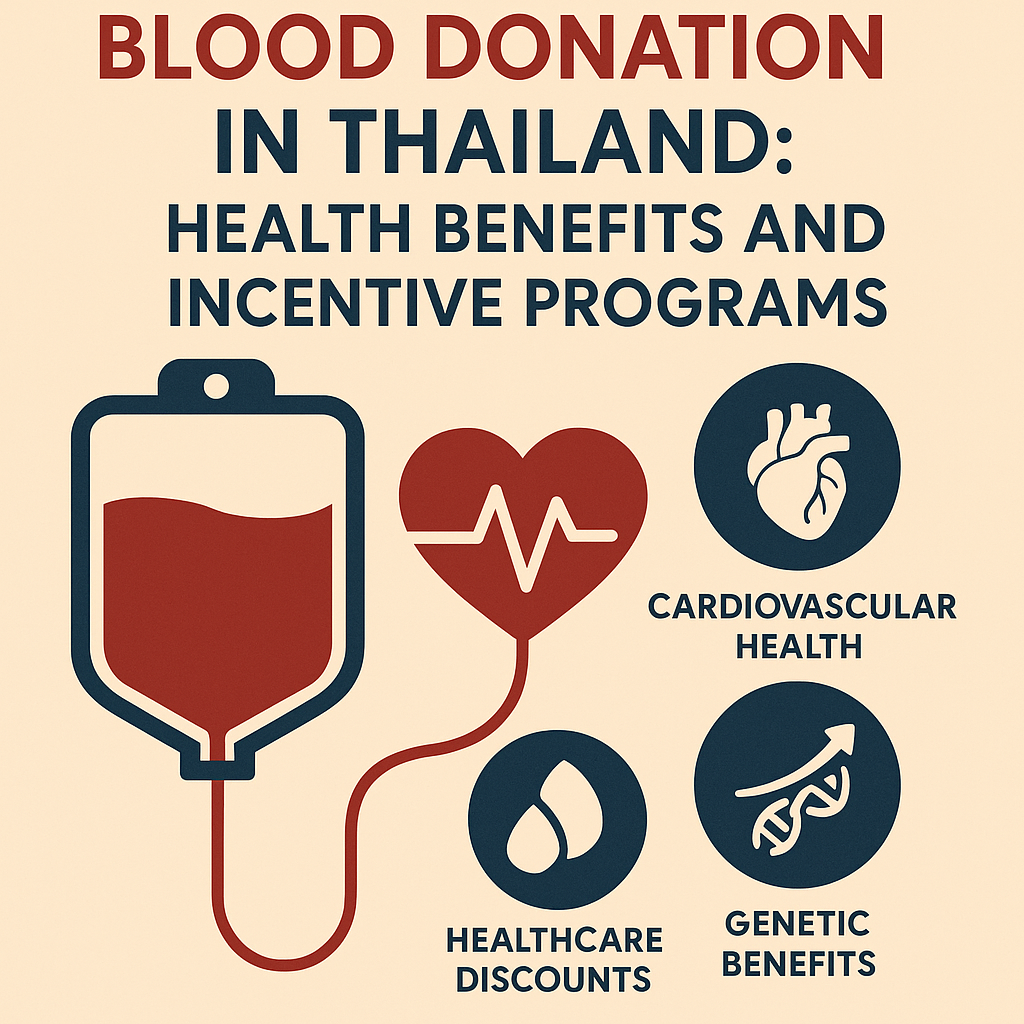
The program works with two main healthcare systems: Thai Red Cross hospitals and government public hospitals. This helps make blood donation easy in Thailand. The Thai Red Cross has many facilities. This includes the well-known Chulalongkorn Hospital in Bangkok. It also includes the Queen Savang Vadhana Memorial Hospital in Sri Racha. These hospitals, including those linked to the Red Cross, provide great benefits to regular donors. They help improve health care in Thailand. These institutions are known for their high-quality medical care and serve as primary beneficiaries of the donation program.
At Thai Red Cross hospitals, if you donate 7 or more times, you get a 50% discount. This discount applies to special rooms and operating room fees, including C-sections. At 24+ donations, the 50% discount still applies, and general ward inpatient charges receive an exemption.. This discount applies to special rooms and operating room fees, including for C-sections. At 24+ donations, donors still get 50% off those items, and are exempt from general ward inpatient medical expenses
Participating government hospitals give a 1-year benefit from each donation. The assistance equals 50% of the difference for special room and special food. At 18 or more donations, the donor pays half of the set rate for special rooms and food. Benefits begin in the first year after a donation. The assistance is 50% of the difference above your existing entitlement for special room and special food. At 18 or more donations, donors pay half the regular rate for special rooms and food. After 18 donations, government facilities offer a 50% discount on room fees and special food services. This makes long hospital stays much cheaper.
Eligibility and Access for International Residents
A particularly notable aspect of Thailand’s program is its inclusivity toward non-Thai citizens. Unlike many healthcare programs that restrict benefits to nationals, Thailand’s blood donation incentives are available to all eligible donors regardless of citizenship status. The Thai Red Cross donor rules focus on age, weight, and health. This policy shows that Thailand values the help of the international community in building blood reserves. It also recognizes the important need for different blood types, especially Rh-negative blood.
The eligibility requirements focus on health and safety rather than nationality. Donors must be between 17 and 70 years old, with first-time donors required to be under 60 years of age. Weight requirements mandate a minimum of 45 kilograms, and donors must demonstrate good physical and mental health.
Recent policy updates have greatly expanded who can donate. They removed restrictions on people from the United Kingdom, France, and Ireland. These individuals were previously deferred due to concerns about variant Creutzfeldt-Jakob disease (vCJD) linked to mad cow disease. This change has been made at major donation centers. These include the National Blood Centre in Bangkok and the Red Cross in Chiang Mai, Phuket, and Chonburi. Confirm with the National Blood Centre before donating if you are one of these nationalities.
Blood Donation in Thailand: Infrastructure and Accessibility
National Blood Centre Network and Mobile Units
Thailand has developed an extensive blood collection infrastructure designed to maximize accessibility and convenience for potential donors. The National Blood Centre is located on Henri Dunant Road in Bangkok. It is the main facility for blood services in the country. This flagship facility operates alongside 12 regional blood centers distributed throughout the country, ensuring comprehensive coverage for both urban and rural populations.
Mobile blood donation units make up a big part of Thailand’s yearly collections. They operate every week at workplaces, universities, and community sites. They make up over 50% of the total blood collected in the country. These mobile units enable blood collection in remote areas, workplaces, and community centers, significantly reducing barriers to donation. The Regional Blood Centre VIII in Nakhonsawan runs about 50 mobile units each month. These units collect nearly 68% of their total blood supply.
The mobile unit system has proven particularly effective during emergency situations and public health campaigns. Big companies and organizations often work with the Thai Red Cross to hold mobile donation drives. This creates easy chances for employees and community members to give.
Corporate Partnership Programs and Community Engagement
Thailand’s blood donation success stems partly from innovative corporate partnership programs that leverage private sector resources and networks. Bangkok Bank’s “8 million cc for 80 years of Bangkok Bank” campaign shows this teamwork. It collected over 14 million cc of blood donations. This was done through mobile units and awareness campaigns sponsored by companies.
These partnerships provide multiple benefits beyond blood collection. Companies gain opportunities for corporate social responsibility initiatives while employees receive convenient access to donation facilities. Bangkok Bank’s program included special recognition for donors who contributed multiple times, fostering long-term commitment to regular donation.
AMATA Corporation is a successful partner. They have collected over 22.61 million cc of blood. This greatly helps the resources at Red Cross hospitals. This was done through 62 donation drives over 11 years, highlighting the commitment to blood donation in Thailand. They have supported about 50,000 donors. This effort could save around 165,000 lives. Such sustained corporate commitment demonstrates the scalability and effectiveness of Thailand’s partnership-based approach to blood collection.
Medical Requirements and Safety Protocols
Comprehensive Health Screening Process
Thailand’s blood donation system incorporates rigorous health screening protocols designed to protect both donors and recipients. Before each donation, potential contributors undergo comprehensive health assessments including vital sign monitoring, hemoglobin level testing, and infectious disease screening. This process serves dual purposes: ensuring donation safety and providing donors with regular health monitoring opportunities.
The screening process often reveals previously undiagnosed conditions such as hypertension, anemia, or cardiac irregularities, providing early intervention opportunities. Blood samples are tested for hepatitis B, hepatitis C, HIV, syphilis, and other diseases. This testing gives donors more peace of mind about their health.
Safety protocols extend to post-donation monitoring and donor education. Facilities provide detailed guidance on post-donation care, including hydration recommendations, physical activity restrictions, and signs that warrant medical attention. These protocols have contributed to extremely low adverse event rates and high donor satisfaction levels throughout Thailand’s system.
Specialized Programs for Rare Blood Types
Thailand has special challenges with blood type diversity. Rh-negative blood is very rare in Thailand, found in less than 0.3% of the population. In contrast, 15-25% of people in Western countries have this blood type. This disparity creates critical shortages when Rh-negative individuals require transfusions, making international donor participation especially valuable.
The Thai Red Cross has started special programs to fix these shortages. This includes focused recruitment campaigns and emergency response plans. Recent cases highlight the need for diverse donor populations. One example is a Swiss marathoner who required several Rh-negative platelet transfusions. This situation shows the challenges involved in blood donation.
Educational campaigns specifically target international residents with rare blood types, emphasizing their unique contribution to Thailand’s blood security. These programs provide cultural adaptation support and streamlined processes to encourage participation from expatriate communities.
Health Monitoring and Preventive Care Benefits
Regular Health Assessments Through Donation
Blood donation provides donors with regular, comprehensive health monitoring opportunities that can complement traditional healthcare, especially within the framework of discounted health care. Each donation includes vital sign assessment, hemoglobin testing, and basic health screening, creating a systematic approach to health surveillance. For individuals with limited healthcare access or those who avoid routine medical care, donation appointments offer valuable health monitoring opportunities.
The screening process can detect early signs of various conditions including anemia, hypertension, and infectious diseases. Healthcare professionals conducting screenings are trained to identify potential health concerns and provide appropriate referrals when necessary. This systematic approach has contributed to early disease detection and improved health outcomes for many donors.
Blood pressure monitoring during donation has proven particularly valuable, as many individuals discover hypertension during routine donation visits. The regular monitoring schedule associated with frequent donation creates opportunities for ongoing blood pressure management and cardiovascular risk assessment.
Mental Health and Psychological Benefits
The psychological benefits of blood donation extend well beyond the immediate satisfaction of helping others. Research in the Journal of Transfusion Medicine and Hemotherapy found that regular blood donors had significant improvements in various psychological areas. These include better mood, improved focus, higher life satisfaction, and greater resilience.
The altruistic nature of blood donation contributes to improved mental health through several mechanisms. The knowledge that donations directly save lives provides a sense of purpose and social connection. Regular donors often report feeling more connected to their communities and experience reduced stress levels associated with meaningful volunteer activities.
For expatriates living in Thailand, blood donation can provide additional psychological benefits by creating connections with local healthcare systems and communities. The inclusive nature of Thailand’s program helps international residents feel valued and integrated into Thai society.
Economic Impact and Healthcare Cost Reduction
Individual Financial Benefits
Regular donors in Thailand can save a lot of money over time. This is especially true for Thai citizens. From 24 donations, the Thai Red Cross hospitals (Chulalongkorn Hospital and Queen Savang Vadhana Memorial Hospital in Sriracha) exempt the donor from general-ward inpatient charges, on top of the 50% discount on special rooms and surgery that starts at 7 donations. Each use needs the Blood Centre’s certificate, and the right is personal to the donor. The benefit becomes more valuable as medical needs grow with age.
The program’s structure creates strong financial incentives for consistent, long-term donation commitments. Unlike insurance programs that require ongoing premium payments, blood donation benefits are earned through health-promoting activities that simultaneously benefit society. This unique model aligns individual health interests with community needs.
Expatriates often face high healthcare costs and few insurance options. Joining blood donation programs can help them get discounted healthcare. The donation program helps them access affordable medical care. The benefits become available immediately and continue for life, providing security for retirement and aging concerns.
Systemic Healthcare Benefits
Thailand’s blood donation program generates significant systemic benefits beyond individual healthcare savings. By maintaining adequate blood reserves through incentivized donation, the healthcare system reduces emergency procurement costs and improves medical care quality. Hospitals can plan procedures with confidence in blood availability, reducing delays and cancellations.
The program also reduces healthcare costs by promoting donor health through regular screening and iron regulation. Healthier donors require fewer medical interventions, reducing overall system costs while improving population health outcomes. The preventive aspects of regular donation contribute to reduced cardiovascular disease, diabetes, and other chronic conditions that strain healthcare resources.
Future Developments and Expanding Benefits
Technological Integration and Donor Management
Thailand’s blood donation system continues evolving through technological integration designed to improve donor experience and system efficiency. Digital donor cards, appointment scheduling systems, and automated reminder programs enhance convenience while maintaining detailed donor records for benefit administration.
Mobile applications and online platforms increasingly facilitate donor registration, appointment booking, and benefit tracking. These systems give donors real-time access to their donation history. They can also see their benefit status and upcoming eligibility dates. This helps improve engagement and keeps donors involved.
Quality management systems ensure consistent standards across all collection sites while tracking donor satisfaction and health outcomes. These systems provide valuable data for program improvement and policy development.
Expanding Corporate and International Partnerships
The success of Thailand’s blood donation program has attracted increased corporate participation and international attention. Companies recognize the program’s value for employee wellness initiatives while contributing to community health. Future developments may include expanded corporate benefits and additional partnership opportunities.
International organizations have shown interest in replicating Thailand’s model, particularly the inclusive approach to non-citizen participation and the comprehensive benefit structure. This interest may lead to sharing knowledge and expanding programs. This can help Thailand become a leader in innovative blood donation policy.
FAQS about Blood Donation in Thailand
What are the proven health benefits of regular blood donation?
Regular blood donation is linked to better cardiovascular health by lowering blood viscosity and easing the heart’s workload. It also helps control iron levels by lowering ferritin stores. This may improve insulin sensitivity and reduce oxidative stress linked to some cancers. Every visit includes a quick check of vital signs, like blood pressure and hemoglobin. This way, donors get ongoing health screenings while also making a life-saving impact.
How do Thailand’s blood-donor healthcare discounts work (Thai Red Cross & government hospitals, 2025)
Thailand uses a tiered incentive model that rewards consistent donors with real savings. At Thai Red Cross hospitals, donors can earn rewards. This includes places like King Chulalongkorn Memorial Hospital and Queen Savang Vadhana Memorial Hospital. These rewards include discounts on procedures. At higher levels, donors can get free routine preventive care. Participating government hospitals offer room fees and meal discounts as donations grow. This makes regular donations a smart choice for both health and finances.
Can foreigners and expats donate blood in Thailand and get the same benefits as Thai citizens?
Yes. Eligibility is based on health and safety, not nationality. International residents who meet the requirements get the same donor perks. Typical criteria include being 17 to 70 years old. First-time donors must be under 60. There are restrictions over 60 yo. You should weigh at least 45 kg and pass standard health checks. Thailand especially welcomes donors with rarer blood types, supporting a diverse, resilient supply.
Where can I donate blood in Bangkok and nationwide (National Blood Centre, regional centers, mobile units)?
Thailand’s National Blood Centre on Henri Dunant Road in Bangkok anchors a nationwide network of regional centers. Mobile units are common at workplaces, universities, and community hubs. They collect a large part of the country’s supply. This makes it easy to donate without traveling far. Frequent corporate and community drives keep schedules full and access convenient.
What are the medical requirements and safety protocols for blood donation in Thailand?
Before donating, you will fill out a short health questionnaire. You will also have your vitals and hemoglobin checked. Each unit will be tested in a lab for infections that can be passed during a transfusion. Staff provide clear post-donation guidance on hydration and activity, and adverse events are rare. The process is standardized and donor-centric, prioritizing safety for both donors and recipients. Do note the restrictions mentioned above for age, weight and others.
Conclusion
Blood donation offers great health benefits for individuals and helps society. Thailand’s innovative incentive programs show how new policies can improve personal health and community well-being. Many studies show that donating blood has health benefits. It can help with heart health, iron levels, diabetes prevention, and reducing cancer risk. This evidence supports regular blood donation as a good health practice. Thailand’s comprehensive healthcare discount programs transform donation from purely altruistic activity into financially beneficial health maintenance, creating sustainable motivation for long-term donor commitment.
The program’s inclusivity toward international residents reflects Thailand’s progressive approach to healthcare policy and community integration. For both expatriates and Thai citizens, regular blood donation is a great way to improve health. It can also help lower healthcare costs and make a positive impact on society. The combination of immediate health benefits, long-term financial advantages, and the satisfaction of saving lives creates an unparalleled value proposition for eligible donors.
Links: Legal Health Check by ThaiLawOnline
Last reviewed: 27 September 2026. Donor eligibility and donor benefits were checked against the Thai Red Cross National Blood Centre’s own pages (donor eligibility; credit milestones for donors).
Thai Law Updates, free by email
Plain-English updates on Thai law changes that affect foreigners: property, visas, marriage, business and wills. One short email a month from a firm practicing since 2006. No spam, unsubscribe anytime.