


Reviewed by Wichuda Atthamethakon, LL.M., Thai Bar Licence 3149/2556, for ThaiLawOnline, a Thai law firm acting for foreigners since 2006.
Update log
- 4 November 2026: Added the statute box with Thai, English and French text and checked the page against the official text
Legal interpreters in Thai courtrooms are essential in Thailand’s justice system, especially for foreigners who don’t speak Thai. If you are an expat facing legal proceedings in Thailand, a skilled legal interpreter in Thai courtrooms can be the difference between confusion and clarity, or even fairness and injustice. This article explains their role, why they matter, and how they help protect your rights.
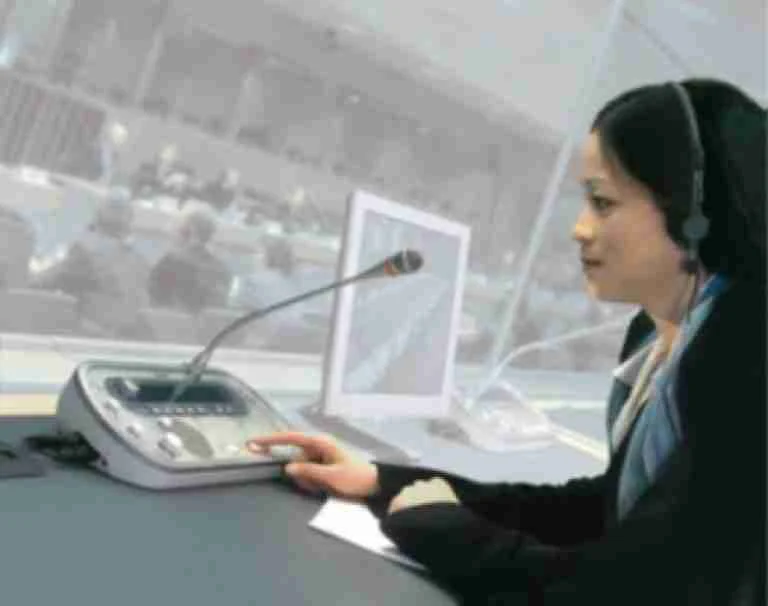
Table of Contents
What Is a Legal Interpreter?
A legal interpreter is a trained professional who translates spoken legal language between Thai and a foreign language. These interpreters must understand legal terminology, court procedures, and cultural expectations to ensure effective communication between the court, lawyers, and non-Thai-speaking participants. Understanding the role of legal interpreters in Thai courtrooms is crucial for expats navigating complex legal issues.
The law behind this page
English
Section 13Amended on 8 February 2008
Section 13 requires criminal proceedings to be in Thai and requires an interpreter when a party or witness cannot understand or speak Thai, including a sign-language interpreter or another suitable method for those who cannot speak or hear. The authorities must provide an interpreter without delay, the interpreter must translate accurately, take an oath and sign, and is paid allowances and expenses.
Full text
An inquiry, preliminary examination or trial shall be conducted in the Thai language. But where it is necessary to translate a local Thai dialect, a regional language or a foreign language into Thai, or to translate Thai into a local Thai dialect, a regional language or a foreign language, an interpreter shall be used. Where the injured person, alleged offender, defendant or a witness cannot speak or understand Thai, or can speak or understand only a local Thai dialect or a regional language, and there is no interpreter, the inquiry official, public prosecutor or Court shall provide an interpreter without delay. Where the injured person, alleged offender, defendant or a witness cannot speak, hear, or communicate, and there is no sign-language interpreter, the inquiry official, public prosecutor or Court shall provide a sign-language interpreter, or arrange for questions, answers or communication to be made by another appropriate method. When an interpreter interprets statements, testimony or other matters, the interpreter must interpret correctly. The interpreter must take an oath or affirmation that he will perform his duty in good faith and will not add to or omit from what is interpreted, and the interpreter shall sign the interpretation. The inquiry official, public prosecutor or Court shall order payment of an allowance, travel expenses and accommodation expenses to the interpreter provided under this Section, in accordance with the regulations prescribed by the Royal Thai Police, the Ministry of Interior, the Ministry of Justice, the Office of the Attorney-General or the Office of the Judiciary, as the case may be, with the approval of the Ministry of Finance.
ThaiLawOnline translation
Section 46
Court proceedings and the case file must be in Thai, written in ink, typed, or printed, with corrections struck through rather than erased. If a document is in a foreign language, the court must order the party filing it to provide a certified Thai translation, in whole or of the essential parts. If a party or person cannot understand Thai, or is mute or deaf and cannot read or write, the party concerned must arrange an interpreter.
Full text
All proceedings relating to the trial and adjudication of civil cases that are conducted by the court shall be done in the Thai language. All pleadings and documents or papers of any kind whatsoever made by the parties, the court, or court officials which form the case file shall be written in the Thai language and written in ink, typewritten, or printed. If there is any error or omission, it shall not be erased; instead it shall be struck through and rewritten, and the writer must sign at the margin of the paper. If there is any interlineation, the person making it shall sign or initial it as authentication. If the original of a document or paper of any kind whatsoever submitted to the court has been made in a foreign language, the court shall order the party submitting it to provide a translation of the whole or only of the essential parts, together with a certification, to be filed and attached to the original. If any party or any person appearing before the court does not understand the Thai language, or is mute or deaf and cannot read or write, the party concerned shall provide an interpreter.
ThaiLawOnline translation
Section 149
This section defines litigation costs, which include court fees, witness and expert expenses, lawyers' fees, and the costs of running a case. The filing fee is paid by the person filing the complaint when it is filed. A party who applies to waive court fees need not pay them unless the application is refused.
Full text
Litigation costs comprise: court fees; the cost of taking evidence outside the court; witness attendance allowances, travel expenses, and accommodation costs of witnesses, experts, interpreters, and court officers; lawyers' fees; the costs of conducting the case; and all other fees or expenses that the law requires to be paid. Subject to the provisions of this Code or of other law on the waiver of court fees, the court fee that is the filing fee shall be paid by the party filing the complaint when the complaint is filed. Court fees shall be paid or deposited with the court in cash or by a bank-certified cheque, with a court officer issuing a receipt, or by the method fixed in the regulations of the President of the Supreme Court. A complaint, memorandum of appeal, memorandum of further appeal, complaint in intervention, answer, or other application filed with the court together with an application for waiver of court fees under Section 156, as well as the proceedings in the inquiry into that application, need not be accompanied by payment of court fees or money deposited with the court, unless the court dismisses that application.
ThaiLawOnline translation
ไทย
มาตรา 13แก้ไขเมื่อ 8 กุมภาพันธ์ 2551
ข้อความเต็ม
การสอบสวน ไต่สวนมูลฟ้อง หรือพิจารณา ให้ใช้ภาษาไทย แต่ถ้ามีความจำเป็นต้องแปลภาษาไทยท้องถิ่นหรือภาษาถิ่นหรือภาษาต่างประเทศเป็นภาษาไทยหรือต้องแปลภาษาไทยเป็นภาษาไทยท้องถิ่นหรือภาษาถิ่นหรือภาษาต่างประเทศให้ใช้ล่ามแปลในกรณีที่ผู้เสียหาย ผู้ต้องหา จำเลย หรือพยานไม่สามารถพูดหรือเข้าใจภาษาไทยหรือสามารถพูดหรือเข้าใจเฉพาะภาษาไทยท้องถิ่นหรือภาษาถิ่น และไม่มีล่าม ให้พนักงานสอบสวนพนักงานอัยการหรือศาลจัดหาล่ามให้โดยมิชักช้าในกรณีที่ผู้เสียหาย ผู้ต้องหา จำเลย หรือพยานไม่สามารถพูดหรือได้ยิน หรือสื่อความหมายได้และไม่มีล่ามภาษามือ ให้พนักงานสอบสวน พนักงานอัยการ หรือศาล จัดหาล่ามภาษามือให้หรือจัดให้ถาม ตอบ หรือสื่อความหมายโดยวิธีอื่นที่เห็นสมควรเมื่อมีล่ามแปลคำให้การ คำพยานหรืออื่น ๆ ล่ามต้องแปลให้ถูกต้อง ล่ามต้องสาบานหรือปฏิญาณตนว่าจะทำหน้าที่โดยสุจริตใจ จะไม่เพิ่มเติมหรือตัดทอนสิ่งที่แปลให้ล่ามลงลายมือชื่อในคำแปลนั้นให้พนักงานสอบสวนพนักงานอัยการ หรือศาลสั่งจ่ายค่าป่วยการ ค่าพาหนะเดินทางและค่าเช่าที่พักแก่ล่ามที่จัดหาให้ตามมาตรานี้ตามระเบียบที่สำนักงานตำรวจแห่งชาติ กระทรวงมหาดไทย กระทรวงยุติธรรม สำนักงานอัยการสูงสุด หรือสำนักงานศาลยุติธรรม แล้วแต่กรณี กำหนดโดยได้รับความเห็นชอบจากกระทรวงการคลัง
ตรงตามข้อความในราชกิจจานุเบกษา / สำนักงานคณะกรรมการกฤษฎีกา (Verbatim from the Royal Gazette / Office of the Council of State)
มาตรา 46
ข้อความเต็ม
บรรดากระบวนพิจารณาเกี่ยวด้วยการพิจารณาและการชี้ขาดตัดสินคดีแพ่งทั้งหลายซึ่งศาลเป็นผู้ทำนั้น ให้ทำเป็นภาษาไทยบรรดาคำคู่ความและเอกสารหรือแผ่นกระดาษไม่ว่าอย่างใด ๆ ที่คู่ความหรือศาลหรือเจ้าพนักงานศาลได้ทำขึ้นซึ่งประกอบเป็นสำนวนของคดีนั้น ให้เขียนเป็นหนังสือไทยและเขียนด้วยหมึกหรือดีดพิมพ์หรือตีพิมพ์ ถ้ามีผิดตกที่ใดห้ามมิให้ขูดลบออก แต่ให้ขีดฆ่าเสียแล้วเขียนลงใหม่และผู้เขียนต้องลงชื่อไว้ที่ริมกระดาษ ถ้ามีข้อความตกเติมให้ผู้ตกเติมลงลายมือชื่อ หรือลงชื่อย่อไว้เป็นสำคัญถ้าต้นฉบับเอกสารหรือแผ่นกระดาษไม่ว่าอย่างใด ๆ ที่ส่งต่อศาลได้ทำขึ้นเป็นภาษาต่างประเทศ ให้ศาลสั่งคู่ความฝ่ายที่ส่งให้ทำคำแปลทั้งฉบับหรือเฉพาะแต่ส่วนสำคัญ โดยมีคำรับรองมายื่นเพื่อแนบไว้กับต้นฉบับถ้าคู่ความฝ่ายใดหรือบุคคลใดที่มาศาลไม่เข้าใจภาษาไทย หรือเป็นใบ้หรือหูหนวกและอ่านเขียนหนังสือไม่ได้ ให้ให้คู่ความฝ่ายที่เกี่ยวข้องจัดหาล่าม
ตรงตามข้อความในราชกิจจานุเบกษา / สำนักงานคณะกรรมการกฤษฎีกา (Verbatim from the Royal Gazette / Office of the Council of State)
มาตรา 149
ข้อความเต็ม
ค่าฤชาธรรมเนียม ได้แก่ ค่าธรรมเนียมศาล ค่าสืบพยานหลักฐานนอกศาล ค่าป่วยการ ค่าพาหนะเดินทาง และค่าเช่าที่พักของพยาน ผู้เชี่ยวชาญ ล่าม และเจ้าพนักงานศาล ค่าทนายความ ค่าใช้จ่ายในการดำเนินคดี ตลอดจนค่าธรรมเนียมหรือค่าใช้จ่ายอื่น ๆ บรรดาที่กฎหมายบังคับให้ชำระ ภายใต้บังคับบทบัญญัติแห่งประมวลกฎหมายนี้หรือกฎหมายอื่น ว่าด้วยการยกเว้นค่าธรรมเนียมศาล ค่าธรรมเนียมศาลที่เป็นค่าขึ้นศาล ให้คู่ความผู้ยื่นคำฟ้องเป็นผู้ชำระเมื่อยื่นคำฟ้อง ค่าธรรมเนียมศาลนั้น ให้ชำระหรือนำมาวางศาลเป็นเงินสดหรือเช็คซึ่งธนาคารรับรอง โดยเจ้าพนักงานศาลออกใบรับให้ หรือตามวิธีการที่กำหนดไว้ในข้อกำหนดของประธานศาลฎีกา คำฟ้อง คำฟ้องอุทธรณ์ คำฟ้องฎีกา คำร้องสอด คำให้การ หรือคำร้องคำขออื่นซึ่งได้ยื่นต่อศาลพร้อมคำร้องขอยกเว้นค่าธรรมเนียมศาลตามมาตรา ๑๕๖ ตลอดจนการดำเนินกระบวนพิจารณาในชั้นไต่สวนคำร้องดังกล่าว ไม่ต้องนำเงินค่าธรรมเนียมศาลและเงินวางศาลมาชำระ เว้นแต่ศาลจะได้ยกคำร้องนั้นเสีย
ตรงตามข้อความในราชกิจจานุเบกษา / สำนักงานคณะกรรมการกฤษฎีกา (Verbatim from the Royal Gazette / Office of the Council of State)
Français
Article 13Modifié le 8 février 2008
L'enquête, l'examen préliminaire et le procès se déroulent en thaï ; à la victime, au suspect, à l'accusé ou au témoin sans interprète, l'autorité en fournit un sans délai s'il ignore le thaï, ou, s'il est sourd ou muet, en langue des signes ou autre moyen. L'interprète, rémunéré, prête serment.
résumé non officiel
Article 46
La procédure civile et les pièces sont en thaï, sans grattage : ratures et ajouts sont signés. Le tribunal ordonne une traduction certifiée, entière ou partielle, des documents étrangers ; la partie concernée fournit un interprète à qui ne comprend pas le thaï, ou est muet ou sourd et illettré.
résumé non officiel
Article 149
Les frais de procédure comprennent les droits de justice, les frais de preuve hors audience, les indemnités, frais de transport et d'hébergement des témoins, experts, interprètes et agents du tribunal, les honoraires d'avocat, les frais du procès et tous autres frais légaux. Sauf exonération légale, le demandeur paie le droit d'introduction au dépôt de sa demande. Les droits se paient en espèces ou par chèque certifié par une banque contre reçu, ou selon les règles du président de la Cour suprême. L'acte accompagné d'une demande d'exonération (article 156) est dispensé de droits et de consignation pendant son examen, sauf rejet.
résumé non officiel
Sources
- Criminal Procedure Code, Office of the Council of State, retrieved 31 October 2026
- Civil Procedure Code, Office of the Council of State, retrieved 31 October 2026
Why Legal Interpreters Are Crucial in Thai Courts
Court proceedings can be intimidating, especially in a language you don’t understand. Legal interpreters play a critical role in ensuring that everyone involved fully understands the legal process. When selecting legal interpreters in Thai courtrooms, emphasis should be placed on their familiarity with legal terminology.
Here’s how it can help:
Accuracy
Effective legal interpreters in Thai courtrooms also ensure clarity of communication, which is vital in maintaining the integrity of the judicial process. For example, we always use interpreters for divorce proceedings involving a foreigner in Thailand.
Legal terms can be complex. A qualified interpreter ensures the precise translation of those terms into a language you understand. This avoids dangerous misunderstandings that could impact the outcome of your case. Choosing the right legal interpreters in Thai courtrooms involves assessing their impartiality, which is essential for fair outcomes.
Clarity
Legal interpreters in Thai courtrooms must be culturally sensitive to effectively navigate the nuances of both legal systems. Beyond accuracy, clarity matters too. Interpreters make sure that not only the words but also the tone and intent of the speaker are conveyed properly. This is especially important in high-stress court situations where misunderstandings are common. The key benefits of utilizing legal interpreters in Thai courtrooms are numerous, particularly for expats unfamiliar with the local legal landscape.
Impartiality
Legal interpreters remain neutral. They do not give advice or take sides. Their job is to interpret, not influence the proceedings. This impartiality is critical to a fair trial or hearing. For any of the situations listed, engaging legal interpreters in Thai courtrooms is crucial to ensure a fair legal process.
Cultural Sensitivity
In Thailand, cultural context can play a big role in court. Legal interpreters are familiar with both Thai and foreign cultures. They can help bridge not just language, but also behavioral expectations, body language, and protocol.
Key Benefits at a Glance
Here’s a quick summary of why legal interpreters are vital for expats involved in legal matters in Thailand:
| Benefit | Description |
|---|---|
| Legal Accuracy | Ensures precise translation of legal terms and testimony |
| Communication Clarity | Helps all parties understand tone, intent, and emotional context |
| Impartiality | Guarantees fairness by avoiding personal opinions or bias |
| Cultural Understanding | Aids in respecting Thai customs while protecting the foreigner’s rights |
When Do You Need a Legal Interpreter?
If you’re involved in any of the following situations, a legal interpreter may be essential:
- Court hearings or trials
- Police interviews or depositions
- Immigration proceedings
- Divorce or custody cases involving a Thai partner
- Signing or reviewing legal documents
When considering your options, ensure the legal interpreters in Thai courtrooms possess the necessary qualifications and experience.
At ThaiLawOnline, we often work with expats facing legal issues such as divorce in Thailand, child custody, or property disputes. In all of these cases, clear communication is critical.
Choosing the Right Legal Interpreter in Thailand
Not all interpreters are created equal. A good court interpreter is fluent in both Thai and your language and understands court procedure and etiquette. The law itself requires an oath to interpret faithfully, not a particular qualification. When hiring an interpreter, make sure they:
- Are experienced in legal settings
- Can remain calm under pressure
- Understand Thai civil and criminal procedures
- Are familiar with your specific legal issue
You can also ask if they have worked on similar cases before or if they are certified by any government or legal body in Thailand.
Access to Justice Through Language
With effective legal interpreters in Thai courtrooms, foreigners can exercise their rights to justice without the barrier of language. Legal interpreters in Thai courtrooms are particularly vital in sensitive cases where clear communication can impact the outcome.
A foreigner in Thailand has the same right to justice as a Thai citizen. However, that right can only be fully exercised if you understand what’s being said and done in court. Legal interpreters ensure due process by removing language as a barrier. At ThaiLawOnline, we prioritize connecting clients with experienced legal interpreters in Thai courtrooms who can facilitate a smooth legal process.
They are especially important in emotionally sensitive cases like child custody, criminal charges, or immigration issues. If you can’t communicate clearly with the judge or your lawyer, you risk an unfair outcome.
Final Thoughts: Don’t Face Thai Legal Proceedings Alone
If you’re an expat in Thailand dealing with legal issues, don’t underestimate the importance of a qualified legal interpreter. At ThaiLawOnline, we regularly assist clients by arranging court-approved interpreters who understand both the language and the legal system. We can also represent you in court and help you prepare the necessary documents.
Need help finding a legal interpreter in Thailand or understanding your case better? Contact us today for support.
- ThaiLawOnline has bilingual lawyers and notaries who can serve as interpreters in court.
- Interpreters in Bangkok
Last reviewed: 27 September 2026. Read in Thai: Criminal Procedure Code section 13 and Civil Procedure Code section 46. The advice on choosing and working with an interpreter is practice guidance.
Frequently Asked Questions
Do Thai courts provide interpreters for foreigners?
In criminal cases, yes: if a victim, suspect, defendant or witness cannot speak or understand Thai and has no interpreter, the investigating officer, the prosecutor or the court must provide one without delay (Criminal Procedure Code section 13). In civil cases the rule is different: the party concerned must arrange the interpreter (Civil Procedure Code section 46).
Are court interpreters in Thailand free?
In criminal cases, an interpreter provided under section 13 of the Criminal Procedure Code is paid by the authority that provided them (police, prosecutor or court), under that agency’s regulations. In civil cases the party who needs the interpreter arranges and first pays for one under section 46 of the Civil Procedure Code; the fee is part of the court costs (section 149), which the court allocates at the end.
What language is used in Thai courts?
Thai is the official language of the courts. Proceedings and documents are in Thai, with interpretation provided for those who need it.
Can I use my own interpreter in a Thai court?
Yes. In a criminal case the state supplies an interpreter only where you have none, and in a civil case you are expected to bring your own. In a criminal case the interpreter must swear or affirm to interpret faithfully, without adding or omitting anything, and signs the translation (Criminal Procedure Code section 13).
Why is an accurate legal interpreter important in Thailand?
Mistranslation can affect testimony and the outcome of a case, so a qualified and impartial legal interpreter is essential for a fair hearing.
Thai Law Updates, free by email
Plain-English updates on Thai law changes that affect foreigners: property, visas, marriage, business and wills. One short email a month from a firm practicing since 2006. No spam, unsubscribe anytime.