


Reviewed by ThaiLawOnline, a licensed Thai law firm practising in Thailand since 2006. Thai lawyer of record: Wichuda Atthamethakon, LL.M., Thai Bar Licence 3149/2556.
Last updated on
Table of Contents
Below is my small guide about how to get Permanent Residency in Thailand. The “Permanent Resident” status allows people to live in Thailand without annual visa extensions. Working still normally requires a separate work permit, and citizenship rights require a separate application. I have permanent residency in Thailand myself, so I understand the process. Follow me in this explanation of Thai permanent residency.
Last reviewed: 3 September 2026. Every statutory statement on this page was read against the consolidated text of the Immigration Act B.E. 2522 (1979), Chapter 5 in full: section 40 (the annual quota, not exceeding one hundred per country and fifty for stateless persons), section 41 (residence as a permission of the Immigration Commission with the Minister’s consent, the criteria the Commission is directed to weigh, and the right to apply from abroad), section 42 (who sits outside the quota), section 43 (the ten-million-baht investment route, its five per cent ceiling and its two-to-five-year financial showing), section 44 (the disqualifications), section 45 (where the application is filed and what happens if temporary permission expires while it is pending), section 47 (the thirty days to collect the residence certificate), and sections 48, 50 and 51 (the travel rule, the endorsement, and how residence is regained if it lapses). Sections 22 and 36 were read to establish that the appeals in this Act do not reach a refusal of residence. The two books were checked against the Alien Registration Act B.E. 2493, sections 10, 11 and 12. This review does not cover the Immigration Commission’s points table, the document lists or the intake dates, none of which come from the Act and all of which the Commission can change from year to year; nor the personal account in this article, which is the author’s own.
What is permanent residency in Thailand?
Permanent residence is a permission granted by the Immigration Commission with the Minister’s consent, not an entitlement you qualify for (Immigration Act section 41). In practice you apply after holding a non-immigrant visa with annual extensions for three consecutive years, and you file while that permission to stay is still valid. You are also competing for a published quota: the Act caps it at one hundred people per country per year, and fifty for stateless persons (section 40). The steps below set out where the application is filed, what the Commission weighs, and what happens if your current permission expires while it is pending.
The application process can be complex and time-consuming. It’s crucial to have skilled legal help to ensure that all rules are followed and the application is processed correctly.
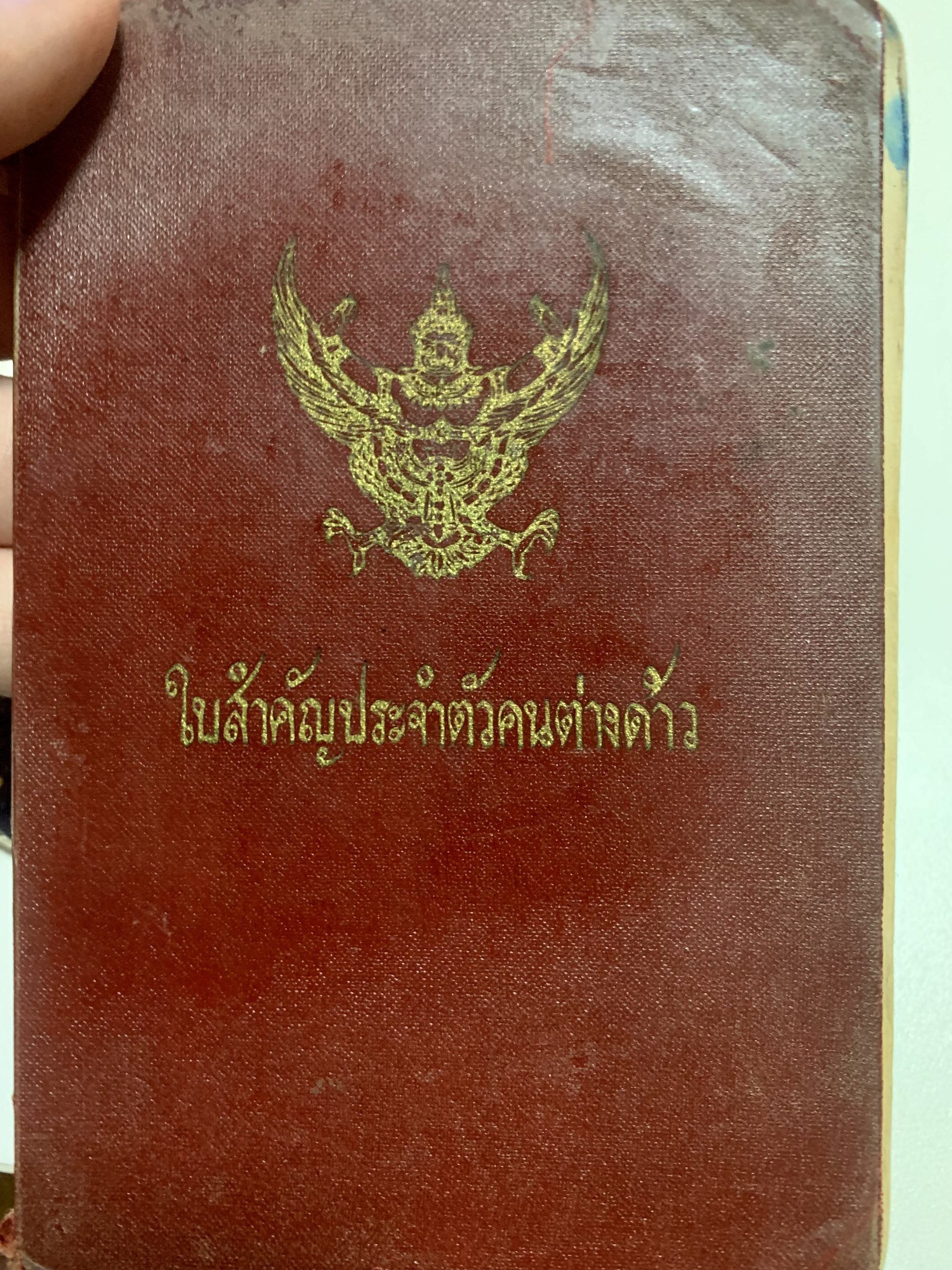
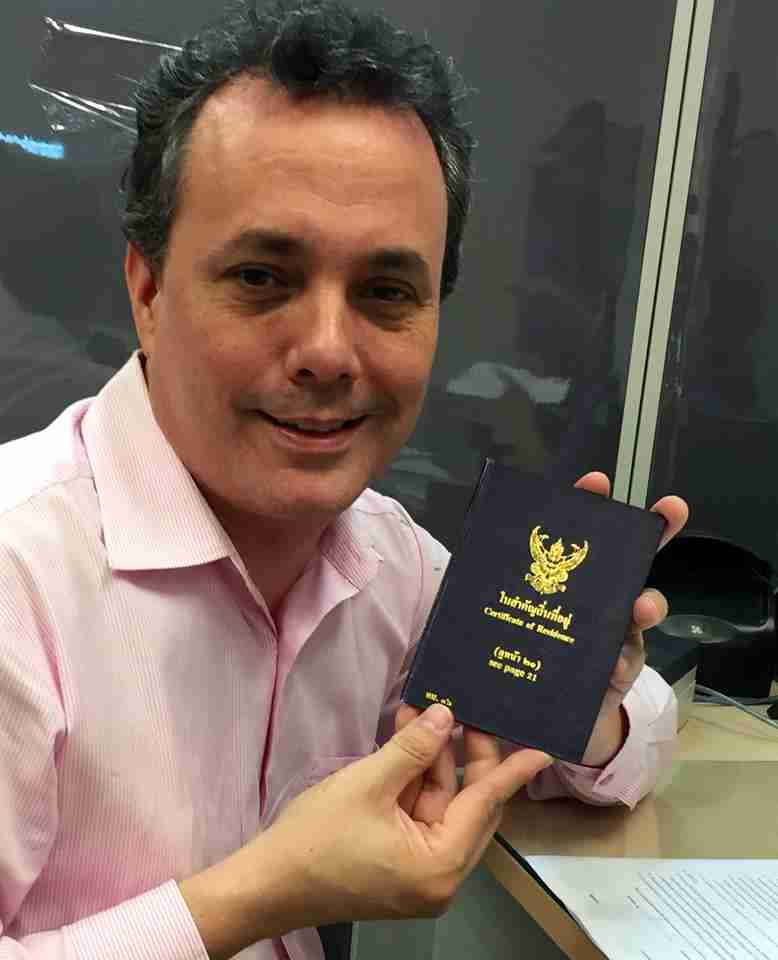
Permanent residency comes with two books, and they are issued under two different statutes by two different authorities, which is why they behave differently. The residence certificate (ใบสำคัญถิ่นที่อยู่, the blue book) is issued by Immigration under section 47 of the Immigration Act, and it is the one that gets endorsed before you travel. The alien registration certificate (ใบสำคัญประจำตัวคนต่างด้าว, the red book) is issued by the police registrar under the Alien Registration Act B.E. 2493: section 10 of that Act offers two kinds, valid one year or five years, and section 11 caps the fee for issuing or renewing it at 400 baht per year. The quota is what makes this hard, and it bites unevenly by nationality: China and India fill their hundred, most countries never come close.
The quota is statutory, and here is the provision. Section 40 of the Immigration Act B.E. 2522 gives the Minister, with Cabinet approval, power to publish in the Royal Gazette the number of aliens who may take up residence each year, but not exceeding one hundred persons per country per year, and not exceeding fifty per year for stateless persons. For the purpose of that count, the colonies of one country together, or each self governing realm, count as a single country.
Section 41 is what makes residence a permission rather than an entitlement. An alien may not enter to take up residence except with the permission of the Immigration Commission and the approval of the Minister, within the number announced under section 40, and after receiving a residence certificate under section 47. That is four gates, and the annual quota is only the first. It is also why a strong application can fail in a year when a nationality is oversubscribed: the ceiling sits on the country, not on the applicant.
Sections 48 and 50 are the ones a new permanent resident most needs to know, and they are the least talked about. The residence certificate is valid indefinitely, but section 48 then says it ceases to be valid the moment the holder leaves Thailand. The only thing that preserves it is the endorsement under section 50, obtained before departure, after which the certificate stays valid provided you return within one year. Section 50 makes that endorsement good for a year and lets you leave and re-enter as often as you like inside it. Miss it, or overstay the year abroad, and section 51 is what you are left with: an application to the Commission to be allowed your residence back, decided on whether you had a reasonable excuse, and a new certificate to obtain if it succeeds. Permanent residence in Thailand is permanent in time, not in geography.
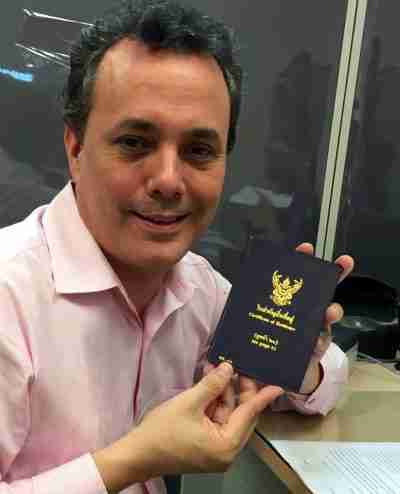
I have held permanent residency in Thailand since 2015. Previously, I extended my visa based on marriage to a Thai citizen. Now, I could apply for citizenship.
Benefits of Permanent Residency in Thailand
Permanent residence normally lets you live in Thailand without annual extensions of temporary stay or 90-day reporting. You can be registered in the relevant residence and alien-registration records and may later apply for Thai nationality if you meet its separate requirements.
Before travelling abroad, check the endorsement and return requirements that protect your residence status. Leaving without the required endorsement, or remaining abroad beyond the permitted period, can affect your residence certificate.
What permanent residence does not change
Permanent residence does not make you a Thai citizen. It gives no voting rights or general right for a foreigner to own land. A separate work permit is normally still required to work unless an exemption applies. The red alien-registration certificate also has its own renewal and reporting duties.
Check your application basis before collecting documents
Thai permanent residence is considered under the annual quota and the Immigration Commission’s current criteria. Meeting a checklist does not guarantee permission. For most applicants filing from within Thailand, three consecutive annual non-immigrant extensions are the practical starting point; the applicable category and current intake criteria still control.
Applications may involve business or employment, humanitarian or family circumstances, expert qualifications, investment, or a qualifying relationship with a permanent resident. A retirement extension, long-term visa or Thailand Privilege membership does not by itself create a permanent-residence category. Income, tax, employment, relationship and document requirements can change between intakes, so do not rely on an old points table.
Information for an initial assessment
Send your nationality, proposed application basis, current and previous passports, visa and extension history, and any previous PR application. If relevant, include work permits, employment and Thai tax records, or details of your Thai or permanent-resident family member. Tell us which intake year you hope to use. We identify the possible category and important gaps before preparing a checklist against the current Immigration Bureau requirements.
Contrasts Between Permanent Residence and Citizenship in Thailand
Notable distinctions between permanent residency and citizenship in Thailand involve voting rights. Additionally, eligibility for public service employment, land ownership privileges, work permit requirements, and passport usage.
Additional considerations for deciding between the two statuses include the purpose of living in Thailand, financial stability, language proficiency, and cultural adaptability.
How Do You Get Permanent Residency in Thailand?
To get permanent residence in Thailand, follow these steps: gather documents, fill out forms, pay fees, and submit everything. Then, there will be an investigation and an interview. If approved, you will receive two booklets, one blue and one red. The processing duration can range from several months to multiple years.
Conditions for Different Applicant Categories
The Immigration Commission assesses each application under its current criteria, including relevant employment, tax, family, language and supporting records. We check the requirements for your category and intake before advising on eligibility.
The separate investment provision in section 43 of the Immigration Act concerns foreign currency invested in Thailand of at least 10 million baht, subject to its own conditions, Commission decision and ministerial consent. It is not the same as buying property or receiving a BOI privilege. Ask us to assess the route before transferring funds for this purpose.
For successful permanent residency applications, individuals can reside and work in Thailand without a visa. They can also bring family members, but still require a work permit for employment to live in Thailand permanently. The Thai government can refuse an application, and there is no appeal. That is worth stating precisely rather than as folklore, because the Act does give appeals elsewhere: section 22 lets a foreigner refused entry appeal to the Minister within 48 hours, except on the passport-or-visa ground and the ministerial-refusal ground, and section 36 lets a foreigner whose temporary permission is revoked appeal to the Immigration Commission. Chapter 5, which governs residence, contains no appeal provision at all. A refusal is simply a refusal, and the answer is to apply again in a later intake.
Preparing a strong application
Start with the category that fits your actual immigration, employment or family history. We check the current requirements and identify missing evidence before you commit to time-sensitive certificates, translations or legalization. The Commission and Minister decide the application; a well-prepared file does not guarantee approval.
Because of the documentation complexity and additional requirements, hiring a law firm is advisable when applying for permanent residency. Understanding the fees, processing periods, and application formalities is crucial before pursuing this legal status.
What is the application process for permanent residency in Thailand?
The application process for permanent residency in Thailand is meticulous and involves several steps. Prospective applicants normally hold a non-immigrant visa with annual extensions for three consecutive years before applying. That three-year rule is a criterion of the Immigration Commission, set under the second paragraph of section 41, which directs it to weigh income, assets, knowledge, professional ability, family ties to Thai nationals and national security. It is not a requirement of the Act itself, and section 41 expressly allows an alien to apply before ever travelling to Thailand as well as after being permitted to stay temporarily. The application for Thai permanent residency is typically submitted to the immigration office in Thailand. Applicants must complete the permanent residence application form.
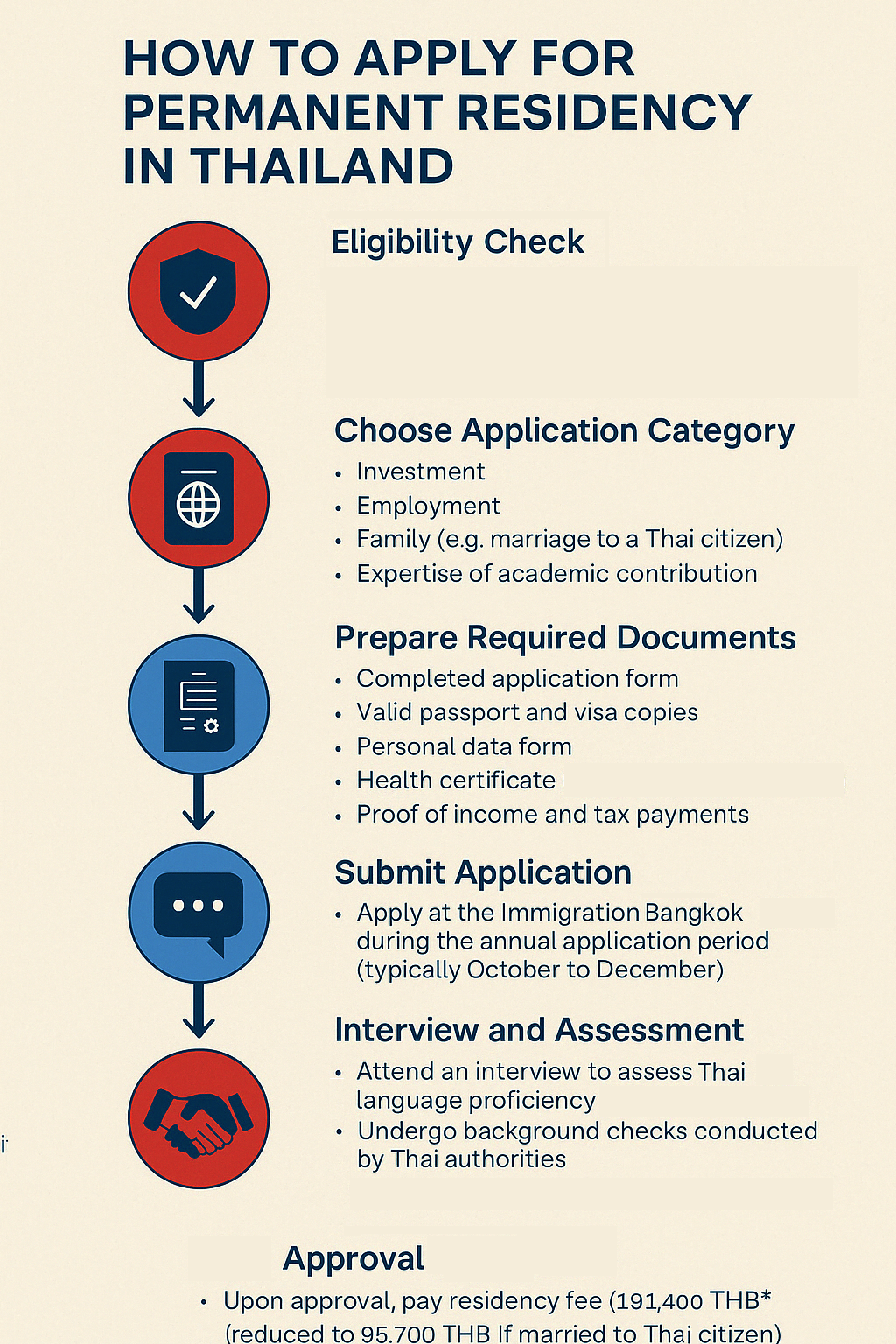
They should also submit important documents. These include a valid passport, photographs, and proof of continuous stay in Thailand. An interview and a test on Thai language proficiency may also be part of the process. The Thai government charges an application fee. The application is decided by the Immigration Commission with the consent of the Minister, under sections 41 and 45 of the Act; the Board of Investment has no part in it, and the BOI route is a different thing altogether, an investment-promotion privilege rather than residence under the Immigration Act. They look at the applicant’s contributions to the country. They also consider how well the applicant can fit into Thai society.
If you want to get permanent residency in Thailand, seek guidance and look at success stories like mine and linked to this text.
We have successfully applied for many clients in the working and humanitarian categories. Contact us at info@thailawonline.com if you wish ThaiLawOnline to help you out.
Current permanent-residence application window
The latest verified intake was for quota year 2025. Applications were accepted from 9 March to 3 April 2026; that window is closed. The next dates have not been confirmed. Do not assume the intake will open between October and December. Check the Immigration Bureau’s current announcement before relying on a filing deadline.
Application periods and document timing
Prepare stable records early, but obtain police certificates, medical records and other time-sensitive documents only after checking the current intake’s acceptance rules. The relevant police certificate and any legalization depend on your category and personal history; we confirm the document list against the official instructions for your application.
Quota Limitations
Thailand imposes a quota on the number of permanent residency permits granted each year, typically allowing up to 100 applicants per nationality. This limitation underscores the importance of timely and accurate application submissions. Unless you are Chinese or Indian, do note that this quota is rarely achieved. In 2015, when I got my own permanent residency in Thailand, there were only 3 Canadians on that year. And only about 275 people were accepted.
It is also worth noting that the quota limitations may change annually based on government regulations. Staying informed about these changes through reliable channels can help you prepare better for the application process. Some years may have fewer available slots. This can happen because of more applications or government policies. These policies aim to manage foreign residents better.
Preparation of Required Documents
To ensure a smooth application process, it’s advisable to begin preparing necessary documents well in advance. Key documents include:
- Police Clearance Certificate: Obtain this from your home country or any country where you’ve resided for an extended period.
- Medical Certificate: Secure a health certificate from a recognized government hospital.
- Financial Statements: Provide evidence of your financial stability, such as bank statements or proof of income.
Ensure that these documents are current and meet the requirements set by the Thai Immigration Bureau.
Recommendations for Prospective Applicants
- Stay Updated: Regularly monitor the official Thai Immigration Bureau website for the announcement of the current application period. The window is announced annually and the dates move.
- Early Preparation: Begin gathering and preparing your documents now to ensure they are ready once the application window opens.
- Consult Professionals: Consider seeking guidance from legal experts or immigration consultants familiar with Thai residency applications to enhance your chances of success. If you wish, ThaiLawOnline can help you.
Furthermore, connecting with expatriate communities online can provide support and first-hand experiences from those who have successfully navigated the permanent residency process. Platforms like Facebook groups or forums dedicated to expatriates in Thailand can serve as excellent resources for gathering tips. These communities often share personal stories, which can be incredibly motivational and informative.
By proactively preparing and staying informed, you can navigate the permanent residency application process in Thailand more effectively.
Official immigration information
Check the Immigration Bureau’s residence application information for current announcements, forms and criteria. A retirement extension is a temporary-stay category; it does not automatically qualify an applicant for permanent residence.
FAQS about Permanent Residency in Thailand
What are the benefits of obtaining permanent residency in Thailand?
Permanent residence normally allows indefinite residence without annual temporary-stay extensions or 90-day reports. It does not confer citizenship, voting rights or a general right to own land. A work permit is normally still needed to work.
How does permanent residency differ from other visas?
Unlike a temporary visa or annual extension, permanent residence is a separate status under the Immigration Act. Before leaving Thailand, obtain the required endorsement and return within its permitted period to protect the residence certificate.
Is permanent residency the same as Thai citizenship?
No. Permanent residence does not confer a Thai passport or voting rights, and it gives no general right for a foreigner to own land. Thai nationality requires a separate application under its own rules.
How to apply for permanent residency in Thailand?
Check the current Immigration Bureau intake and your applicable category first. We review your visa and extension history, work and tax records or family evidence, then prepare the category-specific document checklist and application.
How long does the application process typically take?
The process often takes more than one year. The Immigration Commission and other authorities control the assessment and decision, so no firm can promise an approval date.
Do I need to have a work permit to apply for permanent residency?
It depends on the category. Employment applications require relevant work and tax evidence; a family-based applicant may have different criteria. Check the current notice before assuming that a work permit is required or unnecessary.
Can a person married to a Thai national apply for permanent residency?
Yes, a qualifying relationship with a Thai national may be relevant under a humanitarian or family basis. Marriage alone does not guarantee eligibility or approval. The current intake criteria govern the required residence, income and supporting records.
Are there financial requirements to consider?
Yes. The current category criteria may require evidence of income, tax, assets or family support. There is no single financial threshold that fits every applicant.
How can applicants improve their chances of approval?
Identify the correct category, keep lawful status, and submit complete, accurate evidence under the current notice. Preparation cannot guarantee approval: the annual quota and the authorities’ assessment still apply.
How does one maintain permanent resident status in Thailand?
Permanent residents are outside the 90-day immigration report, because section 37 of the Immigration Act binds only foreigners permitted to stay temporarily. The duties that do apply run to the police registrar under the Alien Registration Act B.E. 2493: notify the registrar before you move your domicile and again within 48 hours of arriving at the new one, notify the registrar if you stay outside your own province for more than seven days, and renew the alien registration certificate when it expires. The duty that actually costs status is travel. Section 48 makes the residence certificate invalid the moment you leave Thailand unless you obtained the section 50 endorsement first and return within a year.
Is the Thai permanent-residence application window open?
The latest verified intake, for quota year 2025, accepted applications from 9 March to 3 April 2026 and is closed. The next dates have not been confirmed. Check the Immigration Bureau announcement before collecting time-sensitive documents.
Is retirement a permanent-residence category?
No. A retirement extension is a temporary-stay basis, not automatic eligibility for permanent residence. The current PR categories and criteria must be assessed separately.
Does permanent residence allow a foreigner to own land?
No. Permanent residence gives no general right for a foreigner to own land. The rules depend on the asset and the relevant property law.
Is approval guaranteed if I meet the published requirements?
No. Residence is discretionary, subject to the quota, Immigration Commission permission and ministerial approval.
More Questions & Answers
Who can apply for permanent residency in Thailand?
Foreigners who have held a non-immigrant visa with annual extensions for at least three consecutive years and meet income, employment or family criteria.
What are the benefits of Thai permanent residency?
You can live in Thailand indefinitely without annual extensions or 90-day reporting, be listed on a house registration book, and move closer to citizenship.
How long does it take to get Thai PR?
The annual quota application process usually takes a year or more, including interviews and several approval stages.
Is there a quota for Thai permanent residency?
Yes. Thailand limits permanent residency to a maximum of 100 people per nationality each year.
Do permanent residents still need a work permit?
Yes. Permanent residency allows indefinite stay, but a separate work permit is still required in order to work.
ThaiLawOnline permanent-residence assistance
We assess your possible application category, review your history and prepare a checklist against the current intake requirements. The agreed service may include document preparation and review, filing support, interview and Thai-language preparation, and guidance after approval. We confirm the precise scope in writing.
The Immigration Commission and relevant authorities decide the application and its timing. We cannot guarantee approval or a decision within 12 or 18 months. Many applications take more than a year.
Before paying for the full service, book a consultation so we can assess your category, immigration history and documents. If a Thai police certificate is required, see our police clearance guide.
Our fee for a PR application
Our professional fee for a permanent-residence application is 75,000 THB, subject to the scope confirmed in the written engagement. Government fees, translations, legalization, certificates, courier charges, travel and other third-party expenses are separate unless expressly included in our quotation.
The filing dates and decision timetable depend on official announcements and processing. We confirm the current intake and expected steps before starting. See all our fees.
Try it yourself first, free
You do not have to book anything to get started. These run in your browser, and you only pay us if you decide you want a lawyer involved.
Thai Visa Finder Free
Answer a few questions and see which Thai visa actually fits your situation.
Open the toolAsk our AI assistant Free
Trained on Thai law and 77,000+ Supreme Court decisions. Ask anything, free.
Thai Law Updates, free by email
Plain-English updates on Thai law changes that affect foreigners: property, visas, marriage, business and wills. One short email a month from a firm practicing since 2006. No spam, unsubscribe anytime.