


Reviewed by ThaiLawOnline, a licensed Thai law firm practising in Thailand since 2006. Thai lawyer of record: Wichuda Atthamethakon, LL.M., Thai Bar Licence 3149/2556.
Last updated on
Thailand is a popular retirement destination for expats from all over the world. It offers a warm climate, affordable cost of living, and friendly people. Expats should know about several legal challenges before retiring in Thailand. We will expose here the 4 main challenges, but they are not so difficult. After all, the cost to retire in Thailand are probably lower than living abroad in western countries. Most people want to know, much does it cost and how does it work?
Table of Contents

1. Visa Requirements
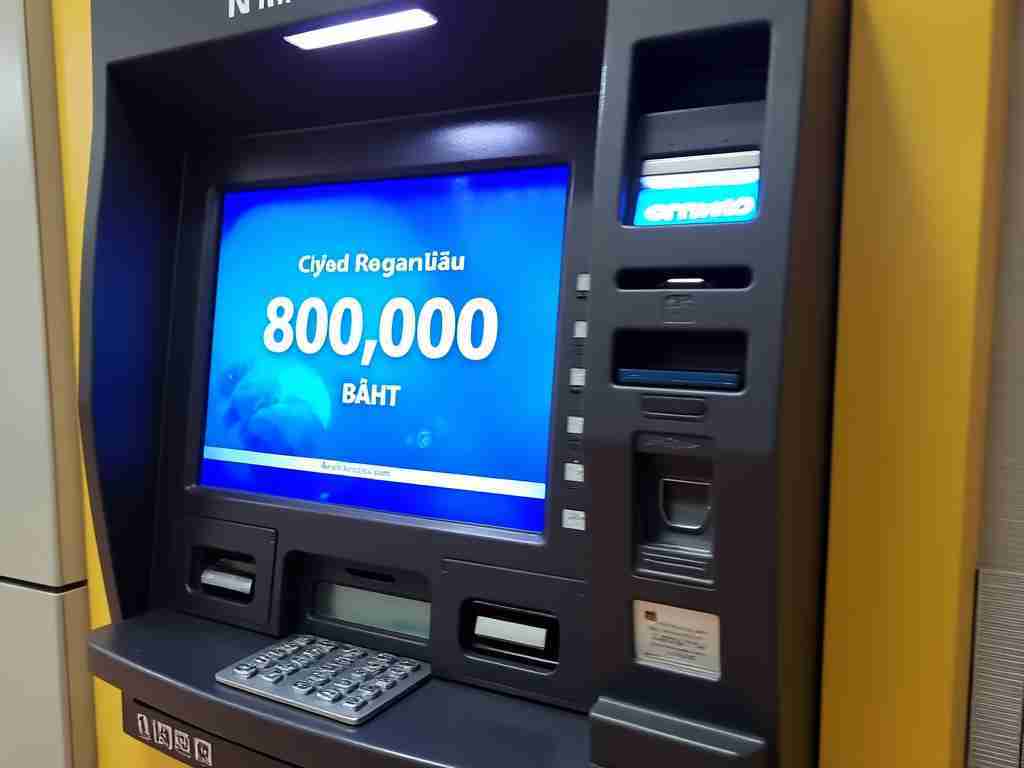
Often need 800,000 baht in a Thai bank account
One of the biggest challenges for expats retiring in Thailand is meeting the visa requirements. Expats must apply for a retirement visa. You must be at least 50 years old, and you must satisfy one of the financial tests, not all of them: 800,000 THB held in a Thai bank account, or a monthly income of at least 65,000 THB, or a combination of deposit and annual income that reaches 800,000 THB. The income can come from a pension or another source. Immigration also requires the bank deposit to have been seasoned in the account for a set period before you apply, so move the money well ahead of your appointment. Expats could also need to have health insurance depending on their visa.
The retirement visa is valid for one year and can be renewed annually. Each annual extension has to meet the same financial test again. Health insurance is a condition of the extension only for those who entered on an O-A visa, at not less than 3,000,000 THB of cover; an extension on a Non-Immigrant O carries no insurance requirement.
What if you do not have funds?
This part is straightforward once the money is in place. If you cannot meet the deposit, the lawful routes are the monthly-income test, the combination method, or, if you are married to a Thai national, an extension based on marriage, which carries a lower threshold. Be careful with agents who offer to arrange an extension you do not qualify for. The deposit shown to Immigration is not yours and the supporting documents are false, so the risk sits with you rather than with the agent, and it runs to refusal, cancellation of your permission to stay, blacklisting and prosecution.
Sources:
- Thai Immigration Bureau
- For visa extension : Choose #22
- ThaiLawOnline : Extension based on Retirement
2. Property Ownership for retiring in Thailand as an expat
Another challenge for expats retiring in Thailand is property ownership. Foreigners are not allowed to own land in Thailand (with rare exceptions) under their own name. However, there are a few ways for expats to own property in Thailand, such as through a Thai limited company, usufruct, leasehold, sap ing sith and other rights.
We do not normally advise expats to hold land through a Thai limited company. And often, they do not understand the nuances between the other rights on properties. It is so easy and cheap to rent a property in Thailand, do not take any risks that you could regret. You experience as retiring in Thailand as an expat should be enjoyable and not stressful.

If expats choose to own property through a leasehold agreement, they can lease the land for a period of up to 30 years. Section 540 of the Civil and Commercial Code caps a lease of immovable property at thirty years and allows a renewal of up to thirty more, but the renewal is a fresh agreement made once the first term has ended. A renewal promised in advance is not enforceable against someone who buys the land later, so plan on thirty years rather than on a chain of them. Usufruct can be for lifetime but it is not transmissible to heirs. Check the different rights on our website under “property”.
For others, owning a condominium is a great solution as foreigners can legally own a condominium under certains rules.
Sources:
3. Inheritance Laws
Thai inheritance law is relatively simple compared to many other countries. Unlike some countries, Thailand does not have a forced heirship rule, which means that you are free to leave your assets to whomever you wish.
If you own things in Thailand and want to give them to your spouse, kids, or other loved ones when you die, you can make a Will under Thai Law to do that. Your will should be drafted by a qualified law firm to ensure that it is valid and enforceable.
If you die without a will, your assets will be distributed according to Thai intestacy laws. This means that your things will be given to your spouse, children, and parents according to a specific formula in the Civil and Commercial Code.
Overall, Thai inheritance law is relatively simple. It’s a good idea to talk to a Thai lawyer about your situation and make a plan for your estate that fits your needs. You may want to add a living Will as protection or make gifts “in vivos” for tax reasons. Thailand does not allow to create trusts but depending on your nationality and estate, you could do this abroad.
4. Other Legal Challenges
In addition to the challenges discussed above, expats retiring in Thailand may also face other legal challenges, such as:
Taxes
Expats who are residents of Thailand might be subject to Thai income tax. However, there are a number of tax breaks and exemptions that expats may be eligible for. It is important to seek professional tax advice to ensure that you are paying the correct amount of tax. If you are in Thailand for at least 180 days in a tax year you are a Thai tax resident, and under section 41 of the Revenue Code your foreign employment, business or property income becomes assessable when you bring it into Thailand. Departmental Instruction Por. 161/2566 removed the old escape of waiting for a later calendar year before remitting, and Por. 162/2566 leaves income earned before 1 January 2024 under the previous rule. Money you never bring into Thailand is not taxed here. Here’s how to register a Tax ID in Thailand.
Employment
Expats who are working in Thailand are subject to Thai employment laws. However, there are several special rules and regulations. If you are on a retirement visa or extension, you are normally forbidden to work. Foreigners working in Thailand need a work permit, even if they don’t have a salary. There are a few exceptions to this rule.
Business laws
Expats who want to start a business in Thailand need to comply with Thai business laws. This includes registering the business with the Thai government, obtaining the necessary licenses and permits, and paying taxes. This is not simple and can be challenging in a foreign country. Remember that normally, you can not work when you are retiring in Thailand as an expat. The government is now offering the LTR visa to wealthy pensioners, allowing them to access new opportunities. The new DTV visa is a good option. However, it is not just for expats retiring in Thailand. It is mainly for digital nomads.
Retiring in Thailand can be a great experience for expats. However, it is important to be aware of the legal challenges involved. ThaiLawOnline can help you avoid problems and make sure your retirement is easy and fun. You can make an appointment with us in the contact section.

Frequently Asked Questions
What visa do I need to retire in Thailand?
Usually a Non-Immigrant O or O-A visa with an annual extension based on retirement, or the LTR wealthy pensioner visa for a longer stay.
How much money do I need to retire in Thailand?
For the retirement extension you need 800,000 THB in a Thai bank or 65,000 THB monthly income, while overall living costs vary by region and lifestyle.
What is the minimum age to retire in Thailand?
You must be at least 50 years old to qualify for the retirement visa and the retirement-based extension of stay.
Do retirees need health insurance in Thailand?
Some categories, such as the O-A and LTR visas, require health insurance, and private cover is strongly recommended for all retirees.
Can I bring my spouse when I retire in Thailand?
Yes. A foreign spouse can usually be granted an extension as your dependant, because a retirement extension is one of the grounds on which a dependant can be sponsored, or can take a retirement extension in their own right if aged 50 or over. The marriage-based extension is for the spouse of a Thai national.
Last reviewed: 5 September 2026. Corrected against primary sources. The financial test for a retirement extension is stated as the alternatives it actually is, and the minimum age of 50 is now in the body and not only in the FAQ. The lease passage is aligned with section 540 of the Civil and Commercial Code and with our own lease guide: a renewal is a fresh agreement made after the first term ends, and a renewal promised in advance does not bind a later buyer of the land. The tax paragraph is restated on the remittance basis of section 41 of the Revenue Code. Living costs, exchange rates and insurance premiums move and are not re-verified here. Re-read on 4 October 2026: the renewal paragraph had applied the health insurance requirement to every retiree, when it attaches only to an O-A entry, and the spouse answer offered a marriage-based extension, which needs a Thai spouse; both corrected.
Thai Law Updates, free by email
Plain-English updates on Thai law changes that affect foreigners: property, visas, marriage, business and wills. One short email a month from a firm practicing since 2006. No spam, unsubscribe anytime.