


Révisé par ThaiLawOnline, un cabinet d'avocats thaïlandais agréé exerçant en Thaïlande depuis 2006. Avocate thaïlandaise en charge du dossier : Wichuda Atthamethakon, LL.M., licence du barreau thaïlandais 3149/2556.
Dernière mise à jour :
La Thaïlande est une destination de retraite prisée des expatriés du monde entier. Elle offre un climat agréable, un coût de la vie abordable et une population accueillante. Avant de prendre leur retraite en Thaïlande, les expatriés doivent se renseigner sur les différentes formalités juridiques. Nous aborderons ici les quatre principales, mais elles ne sont pas insurmontables. En effet, le coût de la retraite en Thaïlande est généralement inférieur à celui d'une vie à l'étranger dans les pays occidentaux. La plupart des gens souhaitent savoir combien cela coûte et comment cela fonctionne.
Table des matières

1. Exigences en matière de visa
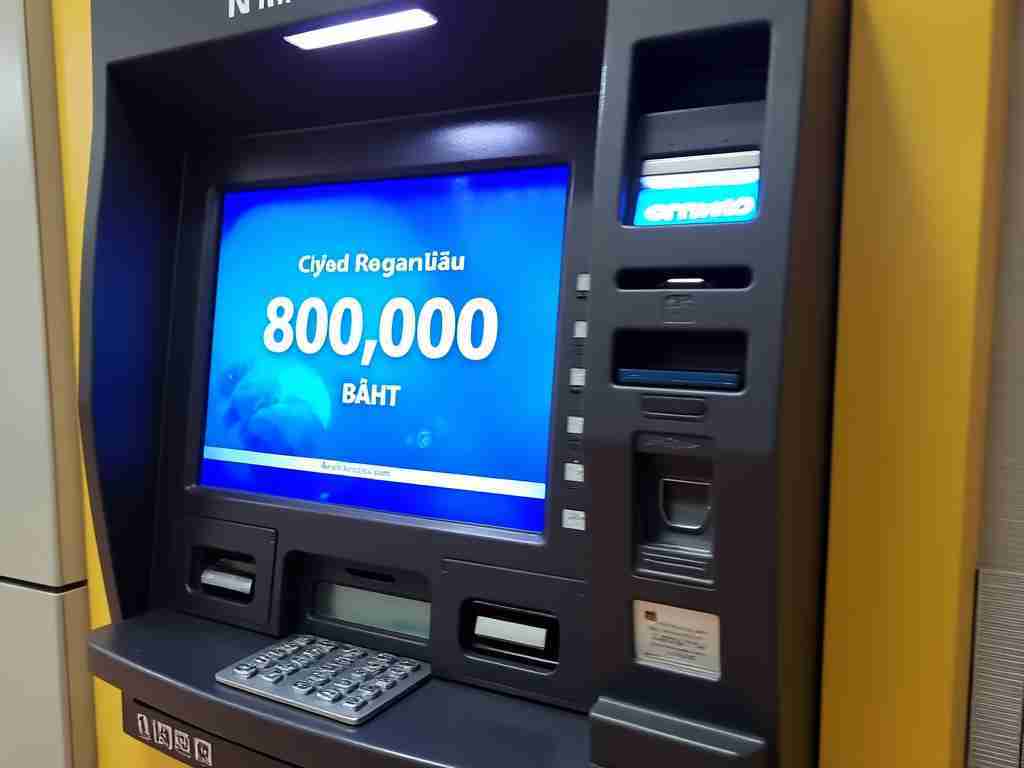
Souvent, ils ont besoin de 800 000 bahts sur un compte bancaire thaïlandais.
L'un des plus grands défis pour les expatriés qui prennent leur retraite en Thaïlande est de satisfaire aux exigences en matière de visa. Les expatriés doivent demander un visa de retraite. Vous devez avoir au moins 50 ans et satisfaire à l'un des critères financiers, et non à l'ensemble d'entre eux : 800 000 THB détenus sur un compte bancaire thaïlandais, ou un revenu mensuel d'au moins 65 000 THB, ou une combinaison de dépôt et de revenu annuel atteignant 800 000 THB. Le revenu peut provenir d'une pension ou d'une autre source. L'immigration exige également que le dépôt bancaire soit présent sur le compte pendant une période déterminée avant votre demande, alors transférez l'argent bien avant votre rendez-vous. Les expatriés peuvent également avoir besoin d'une assurance maladie selon leur visa.
The retirement visa is valid for one year and can be renewed annually. Each annual extension has to meet the same financial test again. Health insurance is a condition of the extension only for those who entered on an O-A visa, at not less than 3,000,000 THB of cover; an extension on a Non-Immigrant O carries no insurance requirement.
Que faire si vous n'avez pas de fonds ?
Cette partie est simple une fois que l'argent est en place. Si vous ne pouvez pas verser le dépôt, les voies légales sont le test du revenu mensuel, la méthode combinée ou, si vous êtes marié à un ressortissant thaïlandais, une extension basée sur le mariage, qui présente un seuil inférieur. Méfiez-vous des agents qui proposent d'organiser une extension à laquelle vous n'avez pas droit. Le dépôt présenté à l'Immigration n'est pas le vôtre et les documents justificatifs sont faux, le risque pèse donc sur vous plutôt que sur l'agent, et il va jusqu'au refus, à l'annulation de votre autorisation de séjour, mise sur liste noire et des poursuites.
Sources :
- Bureau de l'immigration thaïlandais
- Pour une prolongation de visa : Choisissez #22
- ThaiLawOnline : Prolongation basée sur la retraite
2. Propriété immobilière pour prendre sa retraite en Thaïlande en tant qu'expatrié
Un autre défi pour les expatriés qui prennent leur retraite en Thaïlande est la propriété immobilière. Les étrangers ne sont pas autorisés à posséder des terres en Thaïlande (à de rares exceptions près) en leur propre nom. Cependant, il existe quelques moyens pour les expatriés de posséder des biens immobiliers en Thaïlande, par exemple par le biais d'un Thaïlandais société à responsabilité limitée, usufruit, bail, Sap Ing Sith et d'autres droits.
Nous ne conseillons généralement pas aux expatriés de détenir des terres par le biais d'une société à responsabilité limitée thaïlandaise. Et souvent, ils ne comprennent pas les nuances entre les autres droits sur les propriétés. Il est si facile et bon marché de louer un bien immobilier en Thaïlande, ne prenez aucun risque que vous pourriez regretter. Votre expérience de la retraite en Thaïlande en tant qu'expatrié doit être agréable et non stressante.

Si les expatriés choisissent d'être propriétaires par le biais d'un contrat de bail emphytéotique, ils peuvent louer le terrain pour une période pouvant aller jusqu'à 30 ans. L'article 540 de la Code civil et commercial limite un bail de biens immobiliers à trente ans et permet un renouvellement allant jusqu'à trente ans de plus, mais le renouvellement est un nouvel accord conclu une fois le premier terme achevé. Un renouvellement promis à l'avance n'est pas opposable à un acheteur ultérieur du terrain, prévoyez donc trente ans plutôt qu'une chaîne de baux. L'usufruit peut être viager mais il n'est pas transmissible aux héritiers. Consultez les différents droits sur notre site web sous la rubrique “ propriété ”.
Pour d'autres, posséder un appartement en copropriété est une excellente solution, car les étrangers peuvent légalement en posséder un sous certaines conditions.
Sources :
3. Lois successorales
Le droit successoral thaïlandais est relativement simple comparé à celui de nombreux autres pays. Contrairement à certains pays, la Thaïlande n'applique pas de réserve héréditaire, ce qui signifie que vous êtes libre de léguer vos biens à qui vous voulez.
Si vous possédez des biens en Thaïlande et souhaitez les léguer à votre conjoint, vos enfants ou d'autres proches après votre décès, vous pouvez rédiger un testament conformément à la loi thaïlandaise. Il est recommandé de faire rédiger votre testament par un cabinet d'avocats qualifié afin d'en garantir la validité et l'applicabilité.
Si vous mourez sans testament, vos biens seront distribués conformément aux lois thaïlandaises succession ab intestat lois. Cela signifie que vos biens seront attribués à votre conjoint, vos enfants et vos parents selon une formule spécifique prévue par le Code civil et commercial.
Dans l'ensemble, le droit des successions thaïlandais est relativement simple. C'est une bonne idée de parler à un avocat thaïlandais de votre situation et d'élaborer un plan pour votre succession qui correspond à vos besoins. Vous voudrez peut-être ajouter un testament biologique comme protection ou faire dons “ entre vifs ” pour des raisons fiscales. La Thaïlande ne permet pas de créer de trusts, mais selon votre nationalité et votre succession, vous pourriez le faire à l'étranger.
4. Autres défis juridiques
Outre les difficultés évoquées ci-dessus, les expatriés prenant leur retraite en Thaïlande peuvent également être confrontés à d'autres problèmes juridiques, tels que :
Impôts
Les expatriés résidents en Thaïlande peuvent être assujettis à l'impôt sur le revenu thaïlandais. Cependant, il existe un certain nombre d'allègements et d'exonérations fiscaux auxquels les expatriés peuvent être éligibles. Il est important de demander des conseils fiscaux professionnels pour vous assurer de payer le montant correct d'impôt. Si vous êtes en Thaïlande pendant au moins 180 jours au cours d'une année fiscale, vous êtes un résidant fiscal résident fiscal, et en vertu de l'article 41 du Code des revenus, vos revenus étrangers provenant d'un emploi, d'une entreprise ou d'un patrimoine deviennent imposables lorsque vous les introduisez en Thaïlande. L'instruction départementale Por. 161/2566 a supprimé l'ancienne échappatoire consistant à attendre une année civile ultérieure avant de les rapatrier, et la Por. 162/2566 maintient les revenus perçus avant le 1er janvier 2024 sous l'ancien régime. L'argent que vous n'introduisez jamais en Thaïlande n'est pas imposable ici. Voici comment enregistrer un numéro d'identification fiscale en Thaïlande.
Emploi
Les expatriés qui travaillent en Thaïlande sont soumis aux lois du travail thaïlandaises. Cependant, il existe plusieurs règles et réglementations spéciales. Si vous possédez un visa ou une extension de séjour pour la retraite, il vous est normalement interdit de travailler. Les étrangers qui travaillent en Thaïlande ont besoin d'un permis de travail, même s'ils ne perçoivent pas de salaire. Il existe quelques exceptions à cette règle.
Lois commerciales
Les expatriés souhaitant créer une entreprise en Thaïlande doivent se conformer à la législation commerciale thaïlandaise. Cela implique l'enregistrement de l'entreprise auprès des autorités thaïlandaises, l'obtention des licences et permis nécessaires, ainsi que le paiement des impôts. Ces démarches sont complexes et peuvent s'avérer difficiles dans un pays étranger. Il est important de noter qu'en principe, il est interdit de travailler en tant qu'expatrié retraité en Thaïlande. Le gouvernement propose désormais le visa LTR aux retraités aisés, leur offrant ainsi de nouvelles opportunités. Le nouveau visa DTV constitue une option intéressante. Cependant, il ne s'adresse pas uniquement aux expatriés retraités en Thaïlande, mais principalement aux nomades numériques.
Prendre sa retraite en Thaïlande peut être une expérience formidable pour les expatriés. Cependant, il est important d'être conscient des enjeux juridiques. ThaiLawOnline peut vous aider à éviter les problèmes et à vous assurer une retraite sereine et agréable. Vous pouvez prendre rendez-vous avec nous via la rubrique « Contact ».

Foire aux questions
De quel visa ai-je besoin pour prendre ma retraite en Thaïlande ?
Il s'agit généralement d'un visa non-immigrant O ou OA avec une prolongation annuelle basée sur la retraite, ou d'un visa LTR pour retraité fortuné pour un séjour plus long.
De combien d'argent ai-je besoin pour prendre ma retraite en Thaïlande ?
Pour bénéficier d'une prolongation de votre retraite, vous devez disposer de 800 000 THB dans une banque thaïlandaise ou d'un revenu mensuel de 65 000 THB, tandis que le coût de la vie global varie selon la région et le mode de vie.
Quel est l'âge minimum pour prendre sa retraite en Thaïlande ?
Vous devez avoir au moins 50 ans pour être admissible au visa de retraite et à la prolongation de séjour liée à la retraite.
Les retraités ont-ils besoin d'une assurance maladie en Thaïlande ?
Certaines catégories, comme les visas OA et LTR, exigent une assurance maladie, et une couverture privée est fortement recommandée pour tous les retraités.
Puis-je emmener mon conjoint lorsque je prendrai ma retraite en Thaïlande ?
Yes. A foreign spouse can usually be granted an extension as your dependant, because a retirement extension is one of the grounds on which a dependant can be sponsored, or can take a retirement extension in their own right if aged 50 or over. The marriage-based extension is for the spouse of a Thai national.
Last reviewed: 5 September 2026. Corrected against primary sources. The financial test for a retirement extension is stated as the alternatives it actually is, and the minimum age of 50 is now in the body and not only in the FAQ. The lease passage is aligned with section 540 of the Civil and Commercial Code and with our own lease guide: a renewal is a fresh agreement made after the first term ends, and a renewal promised in advance does not bind a later buyer of the land. The tax paragraph is restated on the remittance basis of section 41 of the Revenue Code. Living costs, exchange rates and insurance premiums move and are not re-verified here. Re-read on 4 October 2026: the renewal paragraph had applied the health insurance requirement to every retiree, when it attaches only to an O-A entry, and the spouse answer offered a marriage-based extension, which needs a Thai spouse; both corrected.
Actualités juridiques thaïlandaises, gratuites par courriel
Des informations claires et concises sur les changements législatifs thaïlandais concernant les étrangers : propriété, visas, mariage, affaires et testaments. Un court courriel par mois, envoyé par un cabinet d’avocats établi depuis 2006. Zéro spam, désabonnement possible à tout moment.