Last updated on July 11, 2026
Thailand’s legal framework offers various methods of property rights and interests. In this study, we will look at three property rights concepts in Thailand. These are lease, usufruct, and Sap Ing Sith. Understanding lease usufruct and Sap Ing Sith is crucial for making informed decisions regarding property in Thailand.
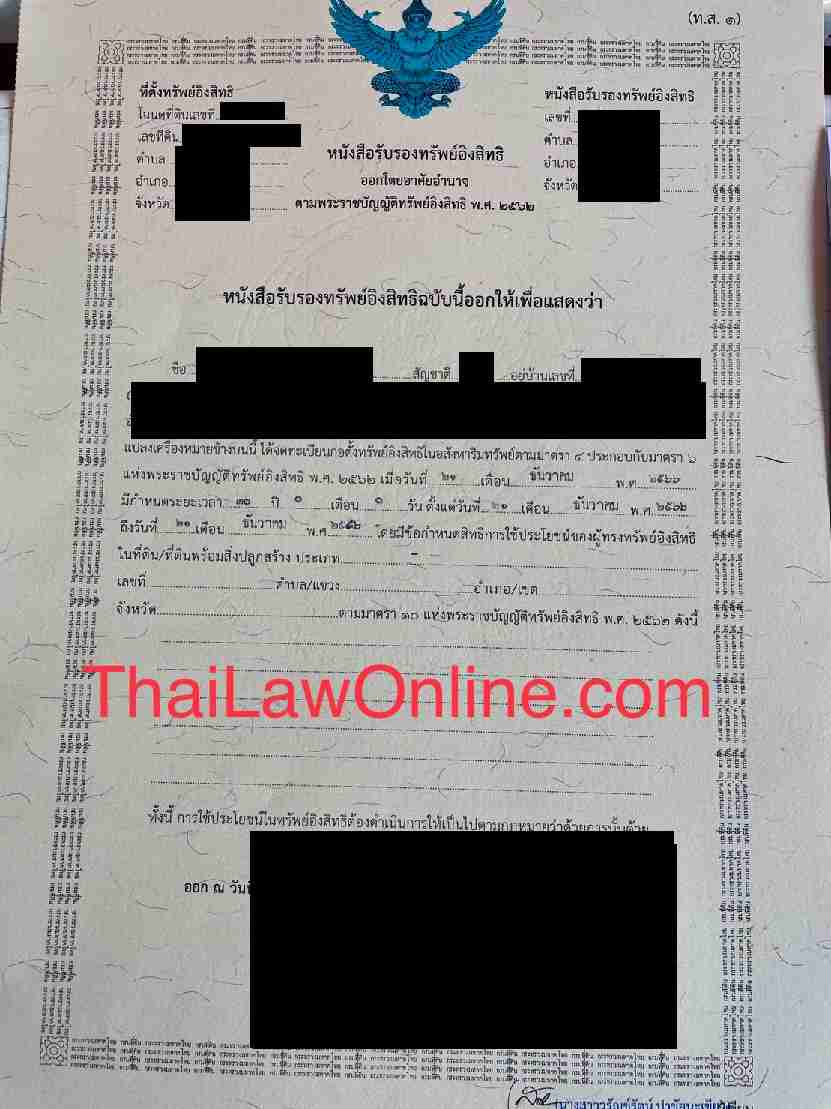
Above is a Sap Ing Sith title deed with a blue Garuda. You must understand there 3 concepts to know which is better for you? Lease Usufruct and Sap Ing Sith in Thailand?
When considering property rights, it’s important to analyze the distinctions between lease usufruct and Sap Ing Sith. Both offer unique benefits for property usage in Thailand.
Table of Contents
Usufruct Law in Thailand (see clauses 1417-1428 of the CCCT)
Usufruct gives the holder the right to use and enjoy someone else’s property. This right grants the holder the legal ability to use. But also keep the profits from, and manage the property for a specified period, without transferring ownership rights. It can be for a lifetime and granted for free.
The registration cost at the land department is low. It is good for people who want to live in a property for life. They can’t sell the property in Thailand without proper legal guidance. But they can use it, enjoy it, and even sublease it. Lease, usufruct and sap ing sith in Thailand are similar, but completely different too.
In accordance with the Thai Civil and Commercial Code, usufruct is defined as a temporary right. It allows the usufructuary to use the property of another and derive benefits from it. The owner keeps the overall ownership rights. Meanwhile, the usufruct holder has the right to use the property. In French, we call the owner “nu-propriétaire” or “naked-owner,” and he does not have many rights under the land code. He is not the one enjoying the property. Well-drafted agreements can limit his rights to sell, ensuring compliance with the land office regulations. mortgage or do other things.
Usufruct can be set up for a specific time or for the holder’s lifetime. It gives them the right to use a property. It is not transferable but the usufructuary can sublease should they wish. It could allow the holder to convey their rights to others or pass them on to their heirs through subleasing. Remember that any lease of more than 3 years must be registered at the land office. We believe the owner of the land will have to sign to register a lease of more than 3 years.
A usufruct holder can possess, use, and enjoy the property like an ordinary owner. They must not harm the property. This ensures their right to use the property. However, there are some rules. You cannot change the main structure of the property without the owner’s permission.
Usufruct is a legal agreement. It gives the holder some control and benefits from the property. However, they do not take on the full responsibilities of ownership. It also makes sure that the owner keeps control over their property. This gives a fair approach that helps both sides.
In addition to usufruct, Thailand’s legal system recognizes lease and sap ing sith as property rights. Each has its own unique implications and considerations.
Lease Agreement in Thailand (Lease Usufruct and Sap Ing Sith: Which one is better?)
A lease grants the lessee the right to possess and use the property for a limited period. It involves making an agreement, usually for homes or businesses. The lessee pays rent to the lessor for the right to use the property in Thailand. Lease agreements do not give the lessee the same usage and profit rights as a usufruct holder. This is true unless the contract specifically grants these rights to the lessee.
Sap Ing Sith
In property rights, lease usufruct and Sap Ing Sith offer choices for different needs and preferences. Knowing about lease usufruct and Sap Ing Sith will help you understand property ownership in Thailand.
In the end, choosing between lease usufruct and Sap Ing Sith depends on your long-term goals and financial plans in Thailand.
Sap ing sith is a new form of ownership in Thailand. Some would call it limited possession but we believe it goes further than just possession. It allows a person to possess and occupy real property owned by another person without anything else. This right comes from certain situations. It happens when the possessor has developed and cared for the property in good faith. This is done without any objections from the true owner.
Yes, it seems better than a usufruct or a lease. This is especially true for foreigners who want to secure property rights in Thailand. Stronger rights. But it also cost much more to register and it is complicated to register a sap ing sith. The land departments in Thailand in 2024 do not know them very well. So it is your decision to choose between a lease usufruct and sap ing sith in Thailand.
When thinking about your choices, remember that both lease usufruct and Sap Ing Sith have legal effects. You should consider these carefully before deciding.
However, sap ing sith can also also confer ownership or sale rights. It means that you do not need the consent of the owner to sell the balance of your term. Same if you wish to build, modify or use the structures. Defined that way, we believe it goes further than a lease agreement as you really are the owner. However, remember that it is for a limited time of maximum 30 years.
We think that we can have a renewal to these agreements, just like a lease agreement. The price to register sap ing sith is 20,000 baht at the land department. It is normally cheaper than a lease which is normally 1.1% of the total rental terms for the total length of the contract. This right was only adopted in 2019 in Thailand and it is still rarely used. Therefore, understanding lease usufruct and Sap Ing Sith is essential for making the best property decisions.
It is essential to consider these varying property rights options in Thailand, especially for foreigners. Whether you choose a lease usufruct and sap ing sith in Thailand, it can have a significant legal implications. You must think about your investment, your age, your goals on short and long terms. Whether you decide to enter a lease, usufruct, or sap ing sith, it is important to understand the legal rules. Getting professional advice is key to making sure you follow the law and protect your rights.
FAQs about Usufruct, Lease and Usufruct in Thailand
What is lease usufruct and sap-ing-sith in Thailand?
Lease usufruct and sap-ing-sith are legal structures that allow foreigners to use land in Thailand without owning it. These rights usually come from land that has a valid title deed. They can provide more flexibility than a leasehold right.
How does sap-ing-sith differ from leasehold in Thailand?
Sap-ing-sith is a new property right. It lets the holder use land in Thailand like an owner for up to 30 years. It offers more flexibility. It can also lower the legal risks and costs linked to other legal structures like leasehold.
Can sap-ing-sith be transferred to a third party?
Yes, sap-ing-sith can be given to another person without returning it to the original owner. This provides flexibility and security for the holder.
What are the legal risks involved with lease and sap-ing-sith?
While sap-ing-sith reduces some legal risks compared to leasehold, there are still legal risks and costs associated with these structures. It’s advisable to consult property lawyers or established lawyers in Thailand to navigate these complexities.
How can foreigners protect their property investments in Thailand?
Foreigners who want to use land in Thailand without owning it can protect their investments. They can do this by using legal structures like sap-ing-sith or a registered lease. It is also important to consult with property lawyers to follow the Thai land code.
Can a Thai company establish a sap-ing-sith?
Yes, a Thai company can set up a sap-ing-sith. This can help foreigners who want to invest in property in Thailand. It allows them to use land legally without owning it directly.
What types of property can sap-ing-sith be applied to?
Sap-ing-sith can be applied to land and property that can be established on land with a valid land title deed. It is not limited to land; it can also apply to condominium units as defined in the condominium act.
Who is liable for the property like an owner under sap-ing-sith?
The holder of the sap-ing-sith is responsible for the property like an owner. This means they have rights and duties similar to ownership during the sap-ing-sith agreement.
How can I ensure compliance with national laws when using land in Thailand?
To follow national laws when using land in Thailand, it is important to work with property lawyers. You should also contact the local land office to register the lease or sap-ing-sith. Make sure to follow the Thai land code.
🚩 Free tool: Check your Thai lease for red flags · ตรวจสัญญาเช่าฟรี
Before you sign, paste your lease into our free AI-powered scanner. It checks deposit terms, termination clauses, repair obligations, and more against the actual Civil and Commercial Code, and flags anything risky in under a minute. A free account is all it takes.
ก่อนเซ็นสัญญาเช่า ลองใช้เครื่องมือตรวจสัญญาเช่าด้วย AI ฟรีของเรา ตรวจสอบเงินประกัน การบอกเลิกสัญญา ค่าซ่อมแซม และอื่นๆ เทียบกับประมวลกฎหมายแพ่งและพาณิชย์ สมัครบัญชีฟรีเพื่อเริ่มใช้งาน
Thai Law Updates, free by email
Plain-English updates on Thai law changes that affect foreigners: property, visas, marriage, business and wills. One short email a month from a firm practicing since 2006. No spam, unsubscribe anytime.