


Reviewed by ThaiLawOnline, a licensed Thai law firm practising in Thailand since 2006. Thai lawyer of record: Wichuda Atthamethakon, LL.M., Thai Bar Licence 3149/2556.
Last updated on
Thailand adopted the metric system by the Weights and Measures Act of B.E. 2466 (1923). That Act is no longer the law. It was repealed, along with its 1933 and 1934 amendments, Revolutionary Council Announcement No. 171 of 1972 and the Act (No. 4) of B.E. 2526, by section 3 of the Weights and Measures Act B.E. 2542 (1999), which is the instrument in force today.
🔴 And the traditional Thai units are not folklore. They are lawful units of measurement. Section 9 of the 2542 Act provides that all weighing, measuring of capacity and measuring shall use the weights and measures of the metric system, or of the traditional system referred to the metric system as prescribed in the schedule annexed to this Act. So rai, ngan and square wah are not a rural survival that the law tolerates: they are defined in the Act’s own schedule, which is exactly why they appear on a Chanote and in the Land Department’s own records. Section 10 lets the Minister, on the Committee’s advice, require the metric system alone for buying and selling in a given locality, so the position can be narrowed by announcement; but absent such an announcement a price quoted per square wah is quoted in a statutory unit.
Here are the conversions, with the statutory list separated from the customary units that guides usually print beside it:
| Thai unit | Metric | Where the figure comes from |
|---|---|---|
| 1 square wah (ตารางวา, ว๒) | 4 square metres | Schedule, part B(2) |
| 1 ngan (งาน, ง.) = 100 square wah | 400 square metres | Schedule, part B(2) |
| 1 rai (ไร่, ร.) = 4 ngan = 1 square sen | 1,600 square metres | Schedule, part B(2) |
| 1 khuep (คืบ, ค.) | one quarter of a metre, 25 cm | Schedule, part B(1) |
| 1 sok (ศอก, ศ.) = 2 khuep | one half of a metre, 50 cm | Schedule, part B(1) |
| 1 wa (วา, ว.) = 4 sok | 2 metres | Schedule, part B(1) |
| 1 sen (เส้น, ส.) = 20 wa | 40 metres | Schedule, part B(1) |
| 1 kwian luang (เกวียนหลวง, กว.) | 2,000 litres | Schedule, part B(3) |
| 1 ban luang (บั้นหลวง, บ.) = half a kwian | 1,000 litres | Schedule, part B(3) |
| 1 sat luang (สัดหลวง, ส.) = one fiftieth of a ban | 20 litres | Schedule, part B(3) |
| 1 thanan luang (ทะนานหลวง, ท.) = one twentieth of a sat | 1 litre | Schedule, part B(3) |
| 1 hap luang (หาบหลวง, ห.) | 60 kilograms | Schedule, part B(4) |
| 1 chang luang (ชั่งหลวง, ช.) = one hundredth of a hap | 600 grams | Schedule, part B(4) |
| 1 karat luang (กะรัตหลวง, กร.), gemstones only | 1 metric carat, 20 centigrams | Schedule, part B(4) |
Those fourteen are the whole of the statutory list, and the third column says so on purpose: they are copied from the schedule at the end of the Weights and Measures Act B.E. 2542 (1999), part B, traditional weights and measures referred to the metric system. Anything else you meet is custom or trade practice rather than a legal unit, and the common ones are worth naming because guides print them beside the statutory figures as though they were the same thing:
| Customary unit | Usual value | Status |
|---|---|---|
| 1 niu (นิ้ว), a finger-width | about 2.08 cm, being one twelfth of a khuep | Not in the schedule. 12 niu make the 25 cm khuep, so 2 cm flat does not add up |
| 1 yot (โยชน์) = 400 sen | 16 km | Not in the schedule; it follows from the sen |
| 1 baht of gold ornament (ทองรูปพรรณ) | about 15.16 grams | Gold trade standard, not a statutory unit |
| 1 baht of gold bar (ทองคำแท่ง) | about 15.244 grams | Gold trade standard, and it is not the same figure as the ornament baht |
| 1 tamlung (ตำลึง) = 4 baht | about 60 grams | Customary, not in the schedule |
| 1 chang, customary (ชั่ง) = 20 tamlung | about 1.2 kg | ⚠️ Customary. The statutory chang luang is 600 grams, half this, which is why the schedule puts 100 chang in a hap and the customary ladder puts 50 |
Table of Contents
1. Traditional Measurements in Thailand
These units are older than the metric system in Thailand, and they survived it because the law kept them rather than because the countryside did. You meet them most often on title deeds in Thailand and in property listings, where land is quoted in rai, ngan and square wah, and the figures below are the ones the Act fixes.
- Wa (วา): one wa is 2 metres, and the schedule gives its abbreviation as ว. A plot is described by its frontage in wa and its area in square wah.
- Ngan (งาน): One ngan is 400 square meters. Land measurements in Thailand often include ngan, especially when discussing property size.
- Rai (ไร่, abbreviated ร.): one rai is 1,600 square metres, which is one square sen and about 0.395 of an acre. It is the standard unit for larger areas, and it is the unit a Chanote uses.
2. Metric System
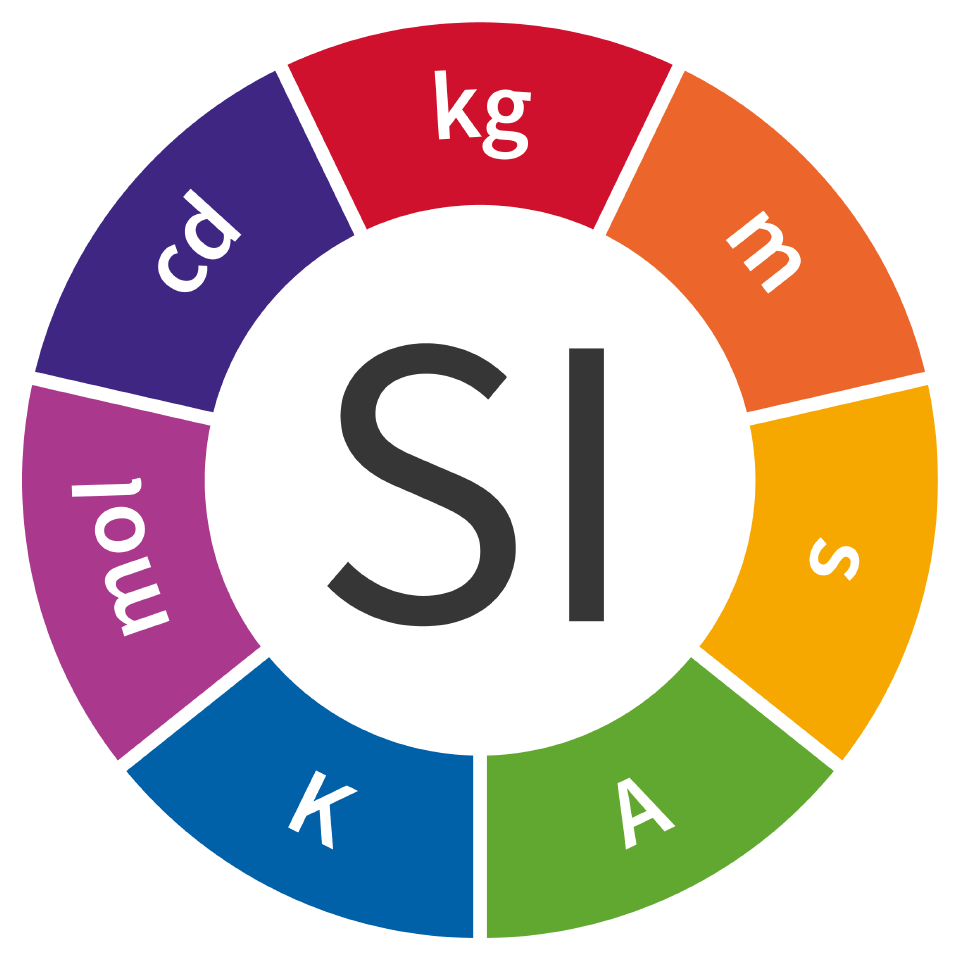
Thailand now uses the metric system for measurements, following global standards to stay consistent and compatible with international norms. It is used for:
- Length: Meters and kilometers are standard for distance.
- Weight: Grams and kilograms are used for weight. If you’re at a market, you’ll often buy fruits and vegetables by the kilogram.
- Volume: Liters and milliliters are the norm for liquids. Gas stations sell fuel by the liter, and you’ll buy bottled water in liters.
3. Everyday Measurements in Thailand
Throughout your daily routines, it’s common to come across a blend of various systems, each contributing its unique characteristics and functionalities to the overall landscape of your experiences.
- In Thailand, land and property are measured using traditional units such as rai, ngan, and wa, as well as square meters. Rai, ngan, and wa are commonly used units of measurement for real estate in Thailand. Additionally, square meters are also used to measure land and property in the country.
- Shopping: Grocery stores and markets use kilograms for produce and grams for smaller items like spices.
- Construction: Builders often use meters and centimeters for measurements but might refer to traditional units for land size.
4. Practical Tips about Measurements in Thailand
- Conversion: Familiarize yourself with basic conversions. For example, 1 wa equals 2 meters, 1 rai equals 1,600 square meters, and so on.
- Ask for Clarity: When in doubt, ask for measurements in the system you’re most comfortable with. Most locals are familiar with both and can help translate.
- Legal Documents: Ensure all legal documents, especially those related to property, clearly state measurements in both traditional and metric units to avoid any misunderstandings.
FAQS about Measurements in Thailand
How many square meters in 1 rai in Thailand (rai-ngan-square wah conversion)?
Thailand uses a traditional land system where 1 rai = 4 ngan and 1 ngan = 100 square wah (also written talang/tarang wah). A square wah is 2 m × 2 m = 4 m², so 1 ngan = 400 m² and 1 rai = 1,600 m². Quick formula: m² = (rai × 1,600) + (ngan × 400) + (square wah × 4). Example: 2-1-50 (rai-ngan-wah) = (2 × 1,600) + (1 × 400) + (50 × 4) = 3,800 m².
Rai to acres and hectares: what’s the fastest way to convert Thai land size?
For rough mental math, remember these anchors: 1 rai ≈ 0.395 acre, 1 acre ≈ 2.529 rai, and 1 hectare (ha) = 6.25 rai. Conversions: acres = rai × 0.395; rai = acres × 2.529; rai = hectares × 6.25; hectares = rai ÷ 6.25. Example: 5 rai ≈ 5 × 0.395 = 1.98 acres (about 0.80 ha). Or 1 acre ≈ 2 rai, 2 ngan, 11.7 sq wah (because 1 acre ≈ 4,046.86 m²).
What is a “square wah” (talang/tarang wah), and why is it on Thai title deeds?
A square wah (ตร.ว. / talang wah) is an area unit equal to 4 m². You’ll see it on Chanote and Nor Sor 3 Gor land title deeds and in property listings because it breaks plots into easy-to-read sizes (100 sq wah = 1 ngan; 400 sq wah = 1 rai). Memory tip: 25 square wah = 100 m², and 100 square wah = 400 m².
How are distances and speed limits shown in Thailand (metric vs imperial)?
Road distances and speed limits use the metric system: kilometers (km) and kilometers per hour (km/h). Highway markers (“kilometer stones”) and navigation apps display km, while fuel efficiency is typically in L/100 km or km/L. Imperial units are rare on roads, though you may still see inches used for things like TV screen sizes or pipe diameters in retail.
How are utilities billed, electricity, water, gas, and internet speeds?
Electricity bills charge per unit (kilowatt-hour, kWh), water is billed per cubic meter (m³), and cooking gas is sold either by kilogram (LPG cylinders) or by liter at service stations. Residential internet plans advertise speeds in Mbps/Gbps, and mobile data packages list GB allowances. If you’re budgeting a condo or house, check the kWh rate, monthly service fees, and any minimum charges per m³ of water.
Construction & real estate in Thailand: floor area vs land area explained
Land area is typically in rai-ngan-square wah, while building/floor area is in square meters (m²), plans, BOQs, rebar sizes (mm), and ceiling heights all use metric. Listings sometimes mix them (e.g., “60 sq wah land with 180 m² usable area”). Air-conditioners are commonly sized in BTU (e.g., 12,000 BTU for a bedroom), while electrical loads and wiring remain in watts/amps/volts.
Everyday measurements expats ask about (temperature, fuel, food, gold)
Daily life is metric: °C for weather, kg/g for groceries, liter for fuel (including Gasohol E20/E85), and mL for drinks (330 mL cans, 500 mL bottles). Thai recipes often use ช้อนโต๊ะ (tablespoon ≈ 15 mL) and ช้อนชา (teaspoon ≈ 5 mL). In jewelry shops, Thai gold is sold by the baht weight, and there are two of them: an ornament baht (ทองรูปพรรณ) of about 15.16 g and a bullion baht (ทองคำแท่ง) of about 15.244 g. A salung is a quarter baht, so about 3.79 g of ornament gold. Purity for Thai gold jewellery is commonly 96.5%. Neither baht is a statutory weight: the schedule to the Weights and Measures Act does not list it, and the trade sets the figure.
Understanding the mix of traditional and metric systems in Thailand is key to navigating daily life and legal matters efficiently. Start by familiarizing yourself with the basic conversions, ask for clarity when needed, and ensure legal documents are precise. This knowledge will help you feel more confident and connected in your interactions and transactions in Thailand.
Last reviewed: 5 September 2026. Every conversion on this page was read against the instrument that fixes it: the schedule annexed to the Weights and Measures Act B.E. 2542 (1999), part B, traditional weights and measures referred to the metric system, taken from the consolidated Thai text, together with section 3 of that Act, which repealed the Weights and Measures Act of B.E. 2466 and its amendments, section 9, which makes both the metric system and the scheduled traditional units lawful for all weighing and measuring, and section 10, under which the Minister may require the metric system alone in a given locality for buying and selling. Four things were corrected as a result: the page named the repealed 1923 Act as the law and did not mention the Act in force; it presented the traditional units as a rural custom when the statute defines them; its conversion table contradicted itself three times over, on the baht against the tamlung, on the niu against the khuep, and on the chang against the hap; and it gave the chang as 1.2 kg where the schedule fixes the chang luang at 600 grams. The area conversions, the rai to acre and hectare arithmetic and the worked examples in the questions below were all checked and were already right.
What this review does not cover. The units in the second table are labelled as customary or trade figures precisely because no instrument we can produce fixes them: the niu, the yot, the tamlung, the customary chang and both gold baht are market and everyday usage, and the two gold figures in particular are set by the gold trade rather than by law, so confirm them with the shop. Nothing on this page about utility billing, internet speeds, air-conditioner BTU ratings, fuel grades or recipe spoon sizes was verified against a source; those are everyday practice and are presented as such.
- Systems of Units Measurements Wikipedia
Land in Thailand is titled and sold in rai, ngan and square wah, which is where these units matter most. Our property guide for foreigners covers what a foreigner can actually hold.
Thai Law Updates, free by email
Plain-English updates on Thai law changes that affect foreigners: property, visas, marriage, business and wills. One short email a month from a firm practicing since 2006. No spam, unsubscribe anytime.