


สำนักงานกฎหมายไทยสำหรับชาวต่างชาติ ตั้งแต่ปี พ.ศ. 2549. คดีความของลูกค้ากว่า 5,000 คดี ทนายความผู้รับมอบอำนาจของไทย: Wichuda Atthamethakon, น.ม., เนติบัณฑิตไทย ใบอนุญาตเลขที่ 3149/2556 ภาษาอังกฤษ ภาษาไทย และภาษาฝรั่งเศส เราตอบกลับภายใน 24 ถึง 48 ชั่วโมง.
ปรับปรุงล่าสุดเมื่อ
เรารู้ว่าหน้านี้มีความยาว แต่เราตั้งใจทำเช่นนั้น
สรุปสั้นๆ: การหย่าร้างในประเทศไทย ไม่ว่าจะเป็นแบบตกลงกันได้หรือแบบมีข้อพิพาท ล้วนมีขั้นตอนทางกฎหมายที่ชัดเจนและแตกต่างกันไปตามความยินยอม ชาวต่างชาติมักเลือก การหย่าร้างโดยไม่มีข้อโต้แย้ง ที่อำเภอโดยคู่สมรสทั้งสองฝ่ายอยู่ด้วย ซึ่งสะดวกรวดเร็วกว่า. การหย่าร้างที่มีข้อพิพาท, ในทางกลับกัน ต้องใช้เอกสารมากกว่า มีตัวแทนทางกฎหมาย และอาจใช้เวลานานกว่าและมีค่าใช้จ่ายมากกว่า.
การหย่าร้างเป็นกิ่งก้านสาขาแขนงหนึ่งของ กฎหมายครอบครัวไทย, ซึ่งครอบคลุมถึง ทรัพย์สินของคู่สมรส, อำนาจปกครองบุตร และมรดก.
ตรวจทานครั้งล่าสุด: 1 กันยายน 2026. มาตรา 1514, 1515, 1516, 1523, 1526, 1564, 1476, 1480 และ 1598/39 แห่ง ประมวลกฎหมายแพ่งและพาณิชย์ ถูกนำไปเทียบเคียงกับข้อความภาษาไทยในประมวลกฎหมายที่มีการทำคำอธิบายประกอบของเรา มาตรา 26 และมาตรา 27 แห่งพระราชบัญญัติว่าด้วยการขัดกันแห่งกฎหมาย พ.ศ. 2481 ได้รับการอ่านในต้นฉบับภาษาไทย และ ศาลฎีกา คำวินิจฉัยที่ 5887/2533, 139/2569 และ 1694/2569 ได้รับการอ่านฉบับเต็มเป็นภาษาไทยจนถึงคำวินิจฉัยชี้ขาดในท้ายที่สุด. ค่าธรรมเนียมศาล, กรอบเวลาและแนวปฏิบัติของสำนักงานเขตที่อธิบายไว้ด้านล่างนี้เป็นแนวปฏิบัติมากกว่าที่จะเป็นข้อกำหนดประมวลกฎหมายและไม่ได้มีการตรวจสอบเทียบกับกฎหมายตราไว้.
ดูวิดีโอ: คำอธิบายเรื่องการหย่าร้างในประเทศไทย
รับชมคู่มือการเลิกรากันในประเทศไทยของเรา สำหรับภาพรวมของเรื่องการหย่าร้างที่ไม่ต้องขึ้นศาลและกระบวนการทางกฎหมาย.

✨ บทสรุปสำคัญเกี่ยวกับการหย่าร้างในประเทศไทย
- การหย่าร้างโดยไม่มีข้อโต้แย้ง (ความยินยอมร่วมกัน)
หากคู่สมรสทั้งสองฝ่ายตกลงกันได้ ก็สามารถไปจดทะเบียนหย่าได้ที่ อำเภอ (สำนักงานเขต) ไม่ต้องไปศาล เพียงแค่คู่สมรสทั้งสองฝ่ายไปแสดงตนพร้อมเอกสารแสดงตัวตน, ใบทะเบียนสมรส, และแบบฟอร์มความยินยอมร่วมกัน . - การหย่าร้างที่มีข้อโต้แย้ง (ทางศาล)
เมื่อคู่สมรสฝ่ายใดฝ่ายหนึ่งไม่ยินยอม การฟ้องหย่าจะดำเนินคดีผ่านศาลไทย โดยมีเหตุฟ้องหย่า ได้แก่ การนอกใจ, การทอดทิ้ง, การล่วงละเมิด, การละทิ้ง, และประพฤติมิชอบอย่างร้ายแรง . - เอกสารที่ต้องใช้
เอกสารที่ต้องใช้ได้แก่ บัตรประชาชนหรือหนังสือเดินทางไทย ใบทะเบียนสมรส และร่างข้อตกลงหย่าร้าง ข้อตกลงควรระบุรายละเอียดการแบ่งสินทรัพย์ การดูแลบุตร และค่าเลี้ยงดู ควรเขียนข้อตกลงให้ชัดเจนทั้งภาษาไทยและภาษาอังกฤษ และควรให้ทนายความตรวจสอบด้วย. - การแบ่งทรัพย์สิน (การแยกสินทรัพย์)
ทรัพย์สินแบ่งออกเป็นทรัพย์สินร่วมระหว่างคู่สมรส (ทรัพย์สินที่ใช้ร่วมกัน) และทรัพย์สินส่วนตัว โดยทั่วไปแล้วทรัพย์สินร่วมระหว่างคู่สมรสจะแบ่งเท่าๆ กัน เว้นแต่จะระบุไว้เป็นอย่างอื่นในข้อตกลงก่อนสมรสหรือข้อตกลงหย่าร้าง . - หนังสือรับรองการหย่า (ใบหย่า)
จะได้รับใบหย่าอย่างเป็นทางการ ("ใบหย่า") เมื่อดำเนินการเสร็จสิ้น สำหรับชาวต่างชาติ โปรดตรวจสอบให้แน่ใจว่าได้ดำเนินการอย่างถูกต้องเพื่ออัปเดตสถานะการเข้าเมืองหรือวีซ่า .
การเข้าใจความแตกต่างระหว่างการหย่าแบบไม่ฟ้องหย่าที่สำนักงานเขตกับการหย่าโดยมีข้อพิพาทในศาลเป็นสิ่งสำคัญ สำหรับชาวต่างชาติ การเตรียมเอกสารให้ถูกต้องแม่นยำ โดยเฉพาะข้อตกลงเรื่องการเงินและบุตรเป็นสิ่งจำเป็น การทำงานร่วมกับทนายความไทยที่พูดภาษาอังกฤษได้สามารถทำให้กระบวนการต่างๆ รวดเร็วขึ้น ซึ่งจะช่วยให้คุณปฏิบัติตามกฎหมายไทยและหลีกเลี่ยงปัญหาต่างๆ ได้.
บทความต่อไปนี้เขียนร่วมกันโดย นายเซบาสเตียน บรูสโซ (ปริญญาตรีด้านกฎหมาย, ปริญญาตรีด้านวิทยาศาสตร์ บริหารสำนักงานกฎหมายไทยตั้งแต่ปี 2549) และ คุณวิชุตาธัมเมคอน (LL.M., ทนายความชาวไทยและทนายความด้านบริการนิติกร). ทั้งสองคนนี้เคยทำเรื่องหย่าร้างในประเทศไทยมาแล้วหลายร้อยคดี และสามารถช่วยเหลือคุณได้.
สารบัญ
การหย่าร้างของชาวต่างชาติในประเทศไทย: สิ่งที่ชาวต่างชาติควรรู้
หากคุณเป็นชาวต่างชาติหรือชาวต่างประเทศที่อาศัยอยู่ในประเทศไทยและกำลังพิจารณาเรื่องการหย่าร้าง การทำความเข้าใจว่ากฎหมายครอบครัวไทยสำหรับชาวต่างชาติทำงานอย่างไรถือเป็นเรื่องสำคัญยิ่ง ส่วนนี้อธิบายถึงเขตอำนาจศาล กฎหมายที่ใช้บังคับ และสิทธิของคุณภายใต้ประมวลกฎหมายแพ่งและพาณิชย์ของไทย มาตรา 1516. กฎหมายไทยยอมรับการหย่าหลัก ๆ สองประเภท ได้แก่ การหย่าโดยความยินยอม (ตกลงร่วมกัน) และการหย่าโดยคำพิพากษา (ผ่านทาง ระบบศาลหากคู่สมรสทั้งสองฝ่ายตกลงที่จะแยกทางกันและตกลงในเงื่อนไขต่างๆ การดำเนินการมักจะรวดเร็วและง่ายดาย แต่หากมีความขัดแย้งกัน อาจกลายเป็นคดีความในศาลที่ยืดเยื้อและยากลำบาก.
ในการยื่นขอหย่าในประเทศไทย จะต้องมีเงื่อนไขอย่างน้อยหนึ่งข้อต่อไปนี้:
- คู่สมรสคนหนึ่งเป็นคนไทย
- การสมรสได้จดทะเบียนที่ประเทศไทย
- คู่สมรสฝ่ายจำเลยอาศัยอยู่ในประเทศไทย หรือมูลเหตุแห่งการหย่าเกิดขึ้นในประเทศไทย (มาตรา 4 แห่งประมวลกฎหมายวิธีพิจารณาความแพ่ง) โดยไม่มีระยะเวลาการพำนักขั้นต่ำ
สำหรับการหย่าร้างในประเทศไทย ทั้งสองฝ่ายควรเข้าใจเรื่อง การแบ่งสินทรัพย์, รวมถึงสิทธิในการดูแลบุตร และค่าเลี้ยงดูคู่สมรส.
| ประเด็นสำคัญ | รายละเอียดโดยย่อ |
|---|---|
| ประเภทของการหย่าร้าง | ไม่มีข้อโต้แย้ง (ความยินยอมร่วมกัน) หรือ โต้แย้ง (คำพิพากษาของศาล) |
| กฎระเบียบการอยู่อาศัย | ศาลไทยต้องมีเขตอำนาจพิจารณาคดี: โดยปกติคู่สมรสฝ่ายหนึ่งเป็นคนไทย การสมรสถูกจดทะเบียนในประเทศไทย หรือผู้ถูกฟ้องร้องอาศัยอยู่ในประเทศไทย ไม่มีระยะเวลาที่กำหนดขั้นต่ำในการพำนัก. |
| แผนกทรัพย์สิน | โดยทั่วไปจะแบ่งกันคนละครึ่ง 50-50 เว้นแต่จะมีข้อกำหนดที่มีผลใช้บังคับตาม ข้อตกลงก่อนสมรสหรือคำตัดสินของศาล |
| การดูแลบุตร | ตัดสินใจโดยพิจารณาจาก ผลประโยชน์สูงสุดของเด็ก, อาจเป็นการปกครองร่วมกันหรือโดยฝ่ายเดียวก็ได้ |
| เหตุหย่าที่พบบ่อย | การนอกใจ การทอดทิ้ง ความโหดร้าย การหายตัวไป ฯลฯ. |
| กรอบเวลา | กรณีไม่มีข้อโต้แย้ง: จัดทำข้อตกลง 3 ถึง 5 วัน แล้วไปสำนักงานเขตหรืออำเภอครั้งเดียว; กรณีมีข้อโต้แย้ง: โดยทั่วไป 6 ถึง 12 เดือนในศาลชั้นต้น และนานกว่านั้นหากมีการอุทธรณ์ |
ขั้นตอนทางกฎหมายในการยื่นขอหย่าในประเทศไทยมีอะไรบ้าง?
หากคุณกำลังยื่นขอจดทะเบียนหย่าโดยความยินยอม กระบวนการค่อนข้างง่ายตามกฎหมายไทย คู่สมรสทั้งสองฝ่ายต้องไปปรากฏตัวด้วยตนเองที่สำนักงานเขตหรืออำเภอ (เขตในกรุงเทพมหานคร) ไม่จำเป็นต้องเป็นสำนักงานเขตที่จดทะเบียนสมรส การจดทะเบียนครอบครัวสามารถยื่นขอได้ที่สำนักงานเขตใดก็ได้ (ตามข้อ 6 ของระเบียบกระทรวงมหาดไทยว่าด้วยการจดทะเบียนครอบครัว พ.ศ. 2541) คุณจะต้องเตรียมใบสำคัญการสมรส บัตรประจำตัว และบันทึกข้อตกลงการหย่าที่ลงลายมือชื่อแล้ว พยานอีกสองคนต้องมาด้วยเช่นกัน หากทุกอย่างเรียบร้อย คุณจะได้รับ ใบรับรองการหย่าร้าง (ใบสำคัญการหย่า) ในวันเดียวกัน.
ในกรณีหย่าที่มีข้อโต้แย้ง กระบวนการจะเริ่มต้นด้วยการยื่นคำร้องต่อศาลครอบครัว คำร้องดังกล่าวขอให้ศาลยุติการสมรส ผู้ยื่นคำร้อง (คู่สมรสที่เริ่มกระบวนการ) ต้องระบุเหตุผลทางกฎหมายสำหรับการหย่าร้าง พวกเขาต้องยื่นหลักฐาน และการไต่สวนจะเกิดขึ้น จากนั้นศาลจะตัดสินเรื่องการหย่าร้างและปัญหาที่เกี่ยวข้องอื่นๆ เช่น อำนาจปกครองบุตร, การแบ่งทรัพย์สิน และค่าเลี้ยงชีพ.
ใน คดีเกี่ยวกับการดูแลบุตร, ทั้งสองฝ่ายควรเตรียมเอกสารสำคัญให้พร้อม และต้องเข้าใจสิทธิและหน้าที่ของตนเองในระหว่างกระบวนการด้วย.
A) “การหย่าโดยความยินยอม” หรือ “การหย่าโดยทำบันทึกข้อตกลง”?
การหย่าร้างทางปกครองเป็นทางเลือกที่ดีสำหรับคู่สมรสที่สามารถตกลงเงื่อนไขการหย่าร้างกันได้ ความยินยอมร่วมกันนี้ช่วยให้พวกเขาหลีกเลี่ยงกระบวนการทางศาลที่ยืดเยื้อ นอกจากนี้ยังทำให้การยื่นขอหย่าร้างในประเทศไทยง่ายขึ้น กระบวนการนี้มักจะง่ายและจบลงด้วยการได้รับ ใบสำคัญการหย่า. มันเป็นความจริง โดยเฉพาะอย่างยิ่งเมื่อทั้งสองฝ่ายเห็นพ้องกันในเรื่องเงื่อนไขการหย่าร้าง นั่นเป็นวิธีที่ง่ายที่สุด รวดเร็ว และไม่น่าเบื่อที่สุด, ถ้า, และมันเป็นเรื่องใหญ่ ถ้า, ทั้งคุณและคู่สมรสเห็นพ้องต้องกันในทุกเรื่อง.
โดยสรุปแล้ว การรู้ขั้นตอนการหย่าร้างในประเทศไทยมีความสำคัญสำหรับทั้งชาวไทยและชาวต่างชาติที่อาศัยอยู่ในประเทศไทย เพราะจะช่วยให้มั่นใจได้ว่าผลลัพธ์จะเป็นไปอย่างยุติธรรมและเท่าเทียมกัน.
ข้อตกลงการหย่าร้างที่ถูกต้องตามกฎหมายในประเทศไทยประกอบด้วย:
- กองทรัพย์สินสมรส (สินสมรส)
- การกำหนดทรัพย์สินส่วนบุคคล (สินส่วนตัว)
- เงื่อนไขของ การดูแลบุตรและอำนาจปกครอง
- ตารางและจำนวนเงินค่าเลี้ยงดูบุตร
- ข้อตกลงเรื่องค่าเลี้ยงชีพหรือค่าสนับสนุนคู่สมรสใดๆ
เอกสารนี้ควรเป็นภาษาไทย (และควรเป็นสองภาษาสำหรับชาวต่างชาติ) ThaiLawOnline ให้บริการที่ปรับแต่งได้ตามความต้องการ การทบทวนข้อตกลงหย่าร้าง โดยทนายความผู้มีใบอนุญาต ในราคาเพียง 9,900 บาท.
ควรจำไว้ว่า “การหย่าร้างโดยไม่มีข้อโต้แย้ง” หรือ “การหย่าร้างทางวินัย” หมายความว่าทั้งคู่ตกลงเรื่องข้อตกลงทั้งหมด เรายังเรียกการหย่าร้างนี้ว่า “การหย่าร้างด้วยดี” เมื่อทั้งคู่ตกลงที่จะยุติการสมรส.
การ “เห็นพ้องต้องกันทุกเรื่อง” หมายความว่าอย่างไร
มันไม่ใช่แค่การเห็นพ้องต้องกันว่าคุณต้องการหย่า แต่พวกคุณต้องมีความเห็นตรงกันอย่างสิ้นเชิงในเรื่องสำคัญที่จะตามมา:
- เด็กๆ (อำนาจปกครอง): ใครจะเป็นผู้รับผิดชอบหลักในการดูแลเด็กๆ นี่คือสิ่งที่เรียกว่า อำนาจปกครอง ในประเทศไทย จะมีการแบ่งปัน (การดูแลร่วมกันหรือว่าผู้ปกครองคนใดคนหนึ่งจะเป็นผู้นำ (สิทธิ์ในการดูแลแต่เพียงผู้เดียว)? แล้วเรื่องตารางการเยี่ยมเยียนและที่อยู่อาศัยของเด็กๆ ล่ะ?
- ค่าเลี้ยงดูบุตร: คุณต้องมีแผนการสนับสนุนทางการเงินที่ชัดเจนว่าจะจ่ายเป็นจำนวนเท่าใด บ่อยแค่ไหน และนานเท่าใด โปรดดูส่วนของเราด้านล่างเกี่ยวกับ “อำนาจปกครองบุตร” ซึ่งมีความละเอียดมากขึ้น.
- การแบ่งทรัพย์สินของคุณ (ทรัพย์สินสมรส): คุณจะแบ่งทรัพย์สินและทรัพย์สินที่ได้มาด้วยกันระหว่างการสมรสอย่างไร? อย่าลืมเกี่ยวกับ หนี้สินร่วมกัน, เรื่องเหล่านั้นก็ต้องได้รับการจัดการเช่นกัน โดยเฉพาะอย่างยิ่งในบริบทของกฎหมายครอบครัวและหย่าร้างในประเทศไทย ทรัพย์สินส่วนตัวของคุณที่มีมาก่อนการสมรสมักจะไม่ถูกนำมารวมในการแบ่งสินสมรสนี้ นอกจากนี้ยังรวมถึงทรัพย์สินที่ได้มาโดยการให้หรือมรดกที่ยกให้คุณแต่เพียงผู้เดียว เรายังมี หัวข้อเกี่ยวกับการแยกสินทรัพย์ด้านล่าง.
- ค่าเลี้ยงชีพ (เงินสนับสนุนคู่สมรส): คู่สมรสฝ่ายหนึ่งจะจ่ายค่าเลี้ยงดูให้อีกฝ่ายหรือไม่? หากใช่ ให้ตกลงกันเรื่องจำนวนเงิน ความถี่ และระยะเวลา เรื่องนี้ไม่ได้เป็นส่วนหนึ่งของการหย่าโดยความยินยอม เสมอไป แต่หากคุณตกลงกัน ให้ทำเป็นลายลักษณ์อักษร.
เมื่อคุณตกลงกันในทุกประเด็นข้างต้นแล้ว คุณจะต้องนำมันไปทำเป็นรูปแบบที่เป็นทางการ ข้อตกลงการหย่าร้าง (บางครั้งเรียกว่า สัญญาความยินยอม) เอกสารฉบับนี้ระบุข้อตกลงทั้งหมดที่คุณได้ตกลงกันไว้ ทั้งสองฝ่ายจำเป็นต้องลงลายมือชื่อในเอกสารนี้ ก่อน หากคุณต้องการดำเนินการหย่าร้างในประเทศไทยต่อไป หากคุณกำลังร่างข้อตกลงการหย่าร้าง โปรดพิจารณาบริการจัดทำสัญญาหย่าร้างแบบกำหนดเองของเรา บริการเหล่านี้จะช่วยคุณประหยัดเวลาและหลีกเลี่ยงปัญหาต่างๆ ตรวจสอบความเสี่ยงทางกฎหมาย.
ข้อกำหนดทางกฎหมายสำหรับการหย่าร้างแบบไม่โต้แย้ง
ต่างจากการหย่าร้างที่มีการโต้แย้งซึ่งต้องผ่านกระบวนการทางศาล การหย่าร้างที่ไม่มีข้อโต้แย้งจะได้รับการจัดการในระดับปกครองที่สำนักงานเขต/อำเภอ ในต่างจังหวัดเรียกว่า ‘อำเภอ’, ในขณะที่ในกรุงเทพฯ จะเรียกว่า ‘เขต’. นี่เป็นคำที่ใช้ในประเทศไทย ซึ่งพลเมืองไทยจะทำการสมรสกันในประเทศ.
- สถานที่ที่ต้องไป: อำเภอหรือเขตใดก็ได้จะเป็นผู้รับจดทะเบียนหย่า ไม่จำเป็นต้องเป็นอำเภอหรือเขตที่ท่านจดทะเบียนสมรสเท่านั้น (ตามข้อ 6 ของระเบียบกระทรวงมหาดไทยว่าด้วยการจดทะเบียนครอบครัว พ.ศ. 2541).
- ไปพร้อมกัน หรือแยกกันไปสองสำนักงาน: คู่สมรสแต่ละฝ่าย ต้อง มาลงชื่อด้วยตนเอง แต่ไม่จำเป็นต้องที่สำนักงานเดียวกัน หากพวกคุณไม่สามารถไปที่สำนักงานเดียวกันได้ แต่ละคนสามารถไปลงชื่อที่สำนักงานเขตต่างกัน หรือที่สำนักทะเบียนไทยในต่างประเทศ และการหย่าจะมีผลสมบูรณ์ก็ต่อเมื่อสำนักงานแห่งที่สองทำการจดทะเบียนแล้วเท่านั้น หากคู่สมรสคนที่สองไม่ยื่นเรื่องภายใน 60 วันนับแต่วันที่ได้รับแจ้ง สำนักงานแห่งแรกและคู่สมรสคนแรกจะได้รับแจ้ง (ข้อ 21) การไปด้วยกันจะเร็วกว่า: ดูหัวข้อเกี่ยวกับการหย่าเมื่อฝ่ายใดฝ่ายหนึ่งอยู่ต่างประเทศด้านล่าง.
- นำพยานมาด้วย: นอกจากนี้ คุณจะต้องมีพยานสองคนมาด้วย ตามที่กฎหมายการหย่าร้างของไทยกำหนดไว้.
ตรวจสอบให้แน่ใจว่าคุณเตรียมทุกอย่างพร้อมแล้ว:
- คุณต้องแสดงเอกสารประจำตัวตัวจริงเพื่อยื่นขอหย่า คนไทยควรใช้บัตรประชาชนไทย ส่วนชาวต่างชาติหรือชาวต่างชาติที่อาศัยอยู่ในประเทศไทยควรใช้หนังสือเดินทาง.
- ใบทะเบียนสมรสฉบับจริงของคุณ.
- เอกสารสัญญาหย่าที่ลงนามแล้ว (นำมาด้วยสักสองสามฉบับ).
- พยานของคุณสองคน (พวกเขาต้องแสดงบัตรประจำตัวด้วย!).
เจ้าหน้าที่อำเภอจะตรวจสอบเอกสารของคุณ พวกเขาจะยืนยันตัวตนของคุณและพยานของคุณ ที่สำคัญที่สุดคือพวกเขาจะมั่นใจว่าพวกคุณทั้งสองคนยินยอมหย่ากันจริงๆ นอกจากนี้พวกเขาจะทำให้แน่ใจว่าคุณเข้าใจเงื่อนไขในข้อตกลงของคุณ หากทุกอย่างเรียบร้อยดี พวกเขาจะจดทะเบียนหย่าให้อย่างเป็นทางการ คุณแต่ละคนจะได้รับ ใบรับรองการหย่าร้าง ใบสำคัญการหย่า. ข้อตกลงการหย่าร้าง โดยปกติแล้วจะมีการแนบหรือบันทึกไว้ ทำให้ข้อตกลงที่คุณทำไว้มีผลผูกพันทางกฎหมาย.
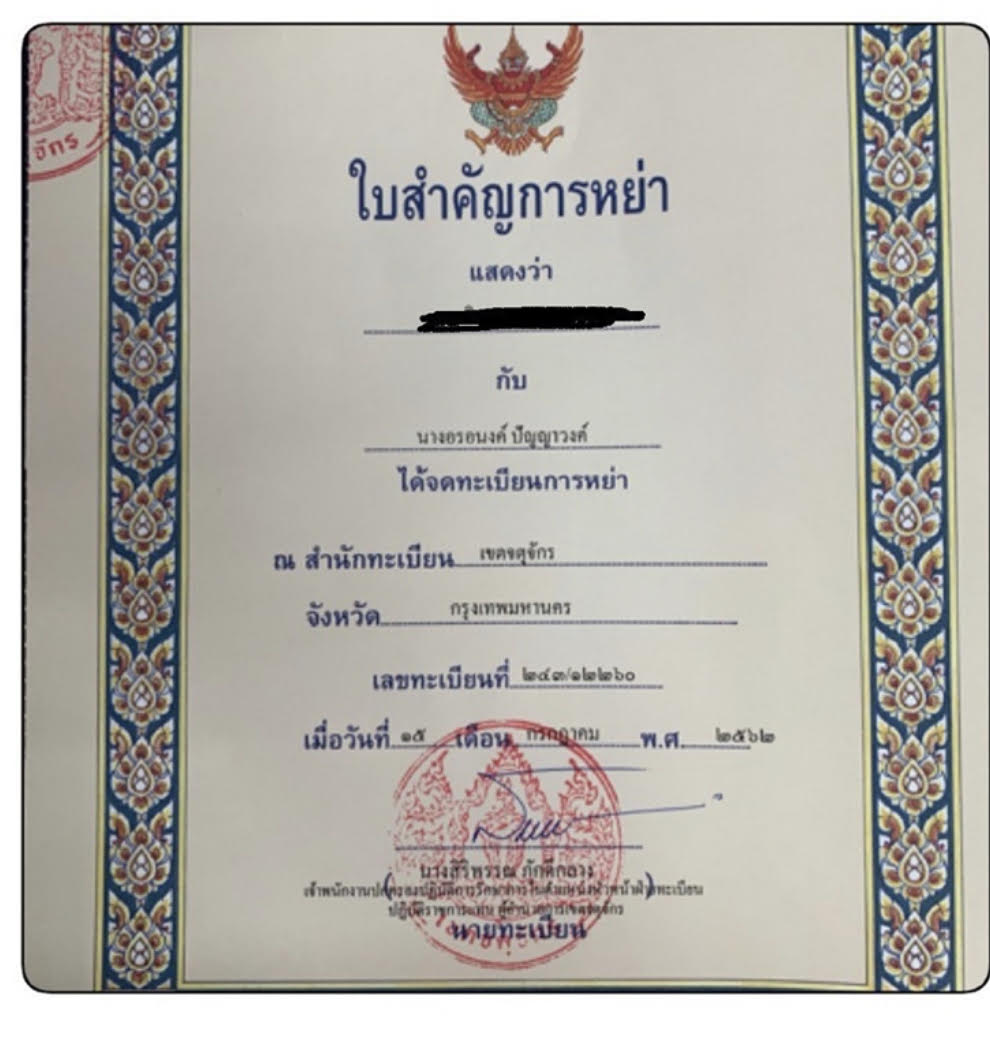
ถึงแม้ว่ามันจะดูเรียบง่าย แต่อย่าได้ดูถูกความสำคัญของสัญญาหย่าฉบับนั้นเด็ดขาด มันคือสัญญาทางกฎหมายที่มีผลต่อสิทธิในอนาคตของคุณทั้งในเรื่องบุตรและทรัพย์สิน หากคุณมีทรัพย์สินสำคัญ บุตร หรือมีความเกี่ยวข้องกับต่างประเทศ การให้ทนายความร่างหรือตรวจสอบสัญญาก่อนที่คุณจะเซ็นถือเป็นเรื่องที่ฉลาดมาก ซึ่งจะช่วยให้มั่นใจได้ว่าสัญญานั้นมีความยุติธรรม ครอบคลุมทุกประเด็นอย่างเหมาะสม และช่วยป้องกันปัญหาปวดหัวที่จะตามมาในภายหลัง.
สิ่งที่ควรพิจารณาในข้อตกลงการหย่าร้างหรือข้อตกลงการประนีประนอม?
สิ่งสำคัญคือต้องระบุรายละเอียดให้ชัดเจน ข้อตกลงที่ดีควรครอบคลุมถึงสิ่งที่จะเกิดขึ้นกับบ้าน บัญชีธนาคาร การลงทุน และบุตรหลานของคุณ ระบุระยะเวลา จำนวนเงิน และใครรับผิดชอบอะไรบ้าง.
ควรหลีกเลี่ยงคำที่ไม่ชัดเจน เช่น “การเยี่ยมเยียนตามสมควร” หรือ “การให้ความช่วยเหลือตามความจำเป็น” ศาลและเจ้าหน้าที่ไทยต้องการรายละเอียดที่เฉพาะเจาะจง และควรตรวจสอบให้แน่ใจเสมอว่าข้อตกลงนั้นได้รับการแปลเป็นภาษาไทยและให้ทนายความตรวจสอบแล้ว.
หากคุณต้องการหย่าร้างโดยไม่มีข้อโต้แย้งและทั้งสองฝ่ายตกลงกัน คุณสามารถยื่นเรื่องได้ที่สำนักงานเขตท้องถิ่นของคุณ ข้อตกลงต้องระบุรายละเอียดเกี่ยวกับ:
- สิทธิในการดูแลและสิทธิของผู้ปกครอง (อำนาจปกครองบุตร)
- การจ่ายเงินค่าเลี้ยงดูบุตร
- การแบ่งทรัพย์สิน (สินสมรส และสินส่วนตัว)
- ค่าเลี้ยงชีพหรือค่าเลี้ยงชีพ
ทำความเข้าใจผลกระทบของการหย่าร้างในประเทศไทยต่อสถานะทางกฎหมายของคุณ สถานะทางการเงิน เป็นสิ่งสำคัญอย่างยิ่งสำหรับทุกฝ่ายที่เกี่ยวข้อง.
หากจดทะเบียนสมรสในต่างประเทศ อำเภอจะจดทะเบียนหย่าให้ไม่ได้ เว้นแต่การสมรสนั้นได้บันทึกไว้ในทะเบียนครอบครัวของไทยแล้ว (มาตรา 1515) หากคู่สมรสฝ่ายหนึ่งเป็นคนไทย สอบถามทางอีเมล info@thailawonline.com ว่ากรณีของคุณบันทึกการสมรสต่างประเทศก่อนได้หรือไม่ มิฉะนั้นการฟ้องหย่าต่อศาลมักเป็นทางที่ปลอดภัยกว่า ThaiLawOnline สามารถให้คำแนะนำคุณในขั้นตอนการดำเนินการทางด้านเอกสารนี้ได้.
เอ การหย่าโดยคำพิพากษาของศาล จำเป็นต้องมีเมื่อเกิดความขัดแย้ง โดยเฉพาะอย่างยิ่งเรื่องการแบ่งทรัพย์สินหรือการดูแลบุตร คดีหย่าร้างลักษณะนี้จำเป็นต้องใช้ทนายความชาวไทย เพราะอาจใช้เวลาและทรัพยากรมากขึ้นในการแก้ไข โดยเฉพาะอย่างยิ่งหากสามีภรรยามักมีข้อพิพาทกัน ข้อตกลงนี้ครอบคลุมเงื่อนไขสำคัญทั้งหมด ช่วยให้กระบวนการที่สำนักงานเขตง่ายขึ้น การหย่าร้างที่มีการโต้แย้ง การหย่าร้างเกิดขึ้นเมื่อคู่สมรสฝ่ายใดฝ่ายหนึ่งไม่เห็นด้วยกับการหย่าร้างหรือเงื่อนไขต่างๆ ความไม่เห็นด้วยนี้จะนำไปสู่การฟ้องร้องในศาลครอบครัวของประเทศไทย กระบวนการทางกฎหมายนี้อาจสร้างความเครียดอย่างมาก และอาจต้องมีการพิจารณาคดีหลายครั้ง โดยเฉพาะอย่างยิ่งในเรื่องต่างๆ เช่น การอยู่ร่วมกันในฐานะคู่สมรส หรือการจัดทำ แผนการดูแลบุตร หลังจากการหย่าร้าง.
ข) การหย่าร้างที่มีการโต้แย้ง (หรือการหย่าร้างในศาล)
อย่างไรก็ตาม คดีที่มีการโต้แย้งจำเป็นต้องมีกระบวนการทางกฎหมายที่ทั้งสองฝ่ายต้องนำเสนอข้อโต้แย้งและหลักฐานต่อศาล ศาลครอบครัวจะตัดสินเกี่ยวกับการแบ่งสินทรัพย์ การดูแลบุตร และเรื่องสำคัญอื่นๆ ซึ่งรวมถึงค่าเลี้ยงดูคู่สมรส โดยเฉพาะอย่างยิ่งในกรณีที่มีคู่สมรสชาวไทยเข้ามาเกี่ยวข้อง ทั้งสองฝ่ายต้องเข้าใจสิทธิและหน้าที่ของตนภายใต้กฎหมายไทยในระหว่างกระบวนการนี้ เหตุผลทางกฎหมายที่สนับสนุนการยื่นฟ้องหย่าที่มีการโต้แย้งนั้นมีรายละเอียดอยู่ในกฎหมายไทย โปรดดูรายละเอียดในหัวข้อด้านล่าง เหตุผลในการหย่าร้าง สำหรับคำอธิบายโดยละเอียดเกี่ยวกับเหตุผลเรื่องการแต่งงานในประเทศไทย.
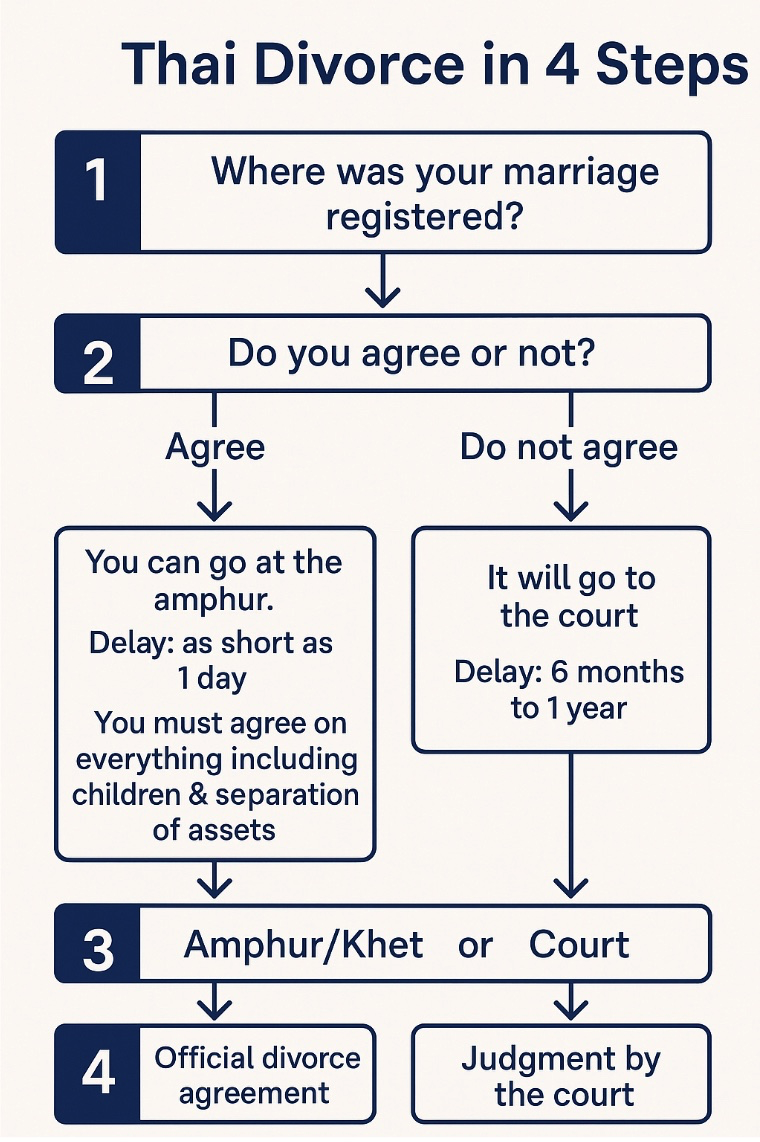
สัญญาหย่าเป็นเอกสารสำคัญ ซึ่งอธิบายถึงเงื่อนไขต่างๆ ในการหย่า รวมถึง วิธีแบ่งทรัพย์สินสำหรับ การหย่าร้าง การดูแลบุตร และค่าเลี้ยงดูในประเทศไทย ไม่ว่าการหย่าร้างจะมีการโต้แย้งหรือไม่ การทำข้อตกลงการหย่าร้างที่ชัดเจนนั้นเป็นสิ่งสำคัญ ข้อตกลงนี้ควรครอบคลุมประเด็นสำคัญทั้งหมดเพื่อป้องกันปัญหาในอนาคต ในกรณีการหย่าร้างที่ไม่มีการโต้แย้ง ทั้งสองฝ่ายควรลงนามในข้อตกลง จากนั้นต้องยื่นต่ออำเภอเพื่อขออนุมัติ ในกรณีการหย่าร้างที่มีการโต้แย้ง ข้อตกลงการหย่าร้างสามารถเจรจาในศาลได้ ผู้พิพากษาต้องอนุมัติจึงจะมีผลผูกพันทางกฎหมาย กระบวนการนี้ช่วยคุ้มครองทั้งสองฝ่ายภายใต้กฎหมายไทย.
เหตุผลในการหย่าร้าง (สาเหตุของการหย่าร้างที่มีการโต้แย้ง)
เหตุหย่าในประเทศไทยได้ระบุไว้ใน มาตรา 1516 แห่งประมวลกฎหมายแพ่งและพาณิชย์ของไทย. ต่อไปนี้คือเหตุผลที่ได้รับการยอมรับตามกฎหมายสำหรับการยื่นฟ้องหย่าที่มีข้อโต้แย้งในประเทศไทย:
| พื้น | คำอธิบาย |
|---|---|
| การนอกใจ | คู่สมรสฝ่ายใดฝ่ายหนึ่งนอกใจ หรือยกย่องผู้อื่นฉันสามีหรือภริยา. |
| การประพฤติมิชอบ | การประพฤติมิชอบร้ายแรงหรือพฤติกรรมทางอาญาของคู่สมรสฝ่ายใดฝ่ายหนึ่งที่ก่อให้เกิดความอับอายหรือความเสียหาย. |
| การล่วงละเมิดหรือการทำร้าย | การทำร้ายร่างกายหรือจิตใจ รวมถึงการดูหมิ่นหรือการกระทำที่โหดร้ายอย่างร้ายแรง การกระทำใดๆ ก็ตามที่ ความรุนแรงในครอบครัวในประเทศไทย ศาลจะเป็นผู้พิจารณาเรื่องนี้. |
| การละทิ้ง | การทิ้งร้างนานกว่า 1 ปีโดยไม่มีเหตุผลอันสมควร. |
| การแยกจากกัน 3 ปี | Living apart for more than 3 years by mutual consent or under a court order. |
| การจำคุก | คู่สมรสคนหนึ่งถูกจำคุกนานกว่า 1 ปี และอีกฝ่ายไม่สามารถอาศัยอยู่ด้วยกันได้. |
| การหายตัวไป | คู่สมรสหายตัวไปนานกว่า 3 ปีโดยไม่มีข่าวคราวใดๆ. |
| โรคจิตที่รักษาไม่หาย | คู่สมรสฝ่ายใดฝ่ายหนึ่งวิกลจริตตลอดมาเกินสามปี และความวิกลจริตนั้นมีลักษณะยากจะหายได้ กับทั้งความวิกลจริตถึงขนาดที่จะทนอยู่ร่วมกันฉันคู่สมรสต่อไปไม่ได้ (มาตรา 1516(7)). |
| การละเลยหน้าที่ | คู่สมรสไม่อุปการะเลี้ยงดูหรือดูแลครอบครัวตามที่กฎหมายกำหนด. |
| โรคที่รักษาไม่หาย | คู่สมรสคนหนึ่งป่วยเป็นโรคร้ายแรงที่รักษาไม่หายและก่อให้เกิดอันตรายร้ายแรง. |
| ความพิการทางร่างกาย | คู่สมรสมีภาวะพิการถาวรที่ทำให้ไม่สามารถอยู่ร่วมกันได้. |
สำหรับรายละเอียดเพิ่มเติมเกี่ยวกับเหตุหย่าตาม มาตรา 1516 แห่งประมวลกฎหมายแพ่งและพาณิชย์ของประเทศไทย คลิกที่ลิงก์นี้.
การว่าจ้างทนายความที่มีคุณสมบัติเหมาะสมจะเป็นประโยชน์อย่างมากในการจัดการเรื่องการหย่าร้าง โดยเฉพาะอย่างยิ่งหากเกิดข้อพิพาทเกี่ยวกับสิทธิ์ในการดูแลบุตรหรือการแบ่งทรัพย์สิน.
หมายเหตุสำคัญ: การดำเนินคดีหย่าร้างที่มีการโต้แย้งและการพิสูจน์เหตุผลต่างๆ อาจเป็นกระบวนการทางกฎหมายที่ซับซ้อนและต้องใช้หลักฐานจำนวนมาก จึงควรปรึกษาทนายความด้านกฎหมายครอบครัวชาวไทยที่มีประสบการณ์ พวกเขาสามารถช่วยให้คุณเข้าใจสถานการณ์ของคุณและประเมินว่าคุณสามารถพิสูจน์คดีของคุณในศาลได้หรือไม่.
หากคุณกำลังยื่นฟ้องหย่าที่มีการโต้แย้ง คุณจะต้องแสดงให้ศาลเห็นว่ามีเหตุผลทางกฎหมายรองรับ เอกสารต่างๆ มีความสำคัญอย่างยิ่งในการฟ้องหย่าในศาลของประเทศไทย ซึ่งอาจรวมถึง:
- รายงานของตำรวจ
- บันทึกทางการแพทย์
- บันทึกการส่งอีเมลหรือการสนทนา
- คำให้การของพยาน
ผู้พิพากษาจะพิจารณาว่าพยานหลักฐานตรงตามเกณฑ์ทางกฎหมายภายใต้มาตรา 1516 ของประมวลกฎหมายแพ่งและพาณิชย์หรือไม่ การกล่าวอ้างว่ามีความประพฤติมิชอบนั้นยังไม่เพียงพอ คุณต้องพิสูจน์ให้เห็นจริง ภาระการพิสูจน์ตกเป็นของผู้ที่ยื่นขอหย่า ซึ่งหมายถึงการเตรียมพยานหลักฐานที่หนักแน่น เช่น ภาพถ่าย เอกสาร หรือคำพยานบุคคล ในประเทศไทย กระบวนการทางกฎหมายเน้นเอกสารเป็นอย่างมาก โดยเฉพาะอย่างยิ่งในคดีที่มีการโต้แย้งกัน.
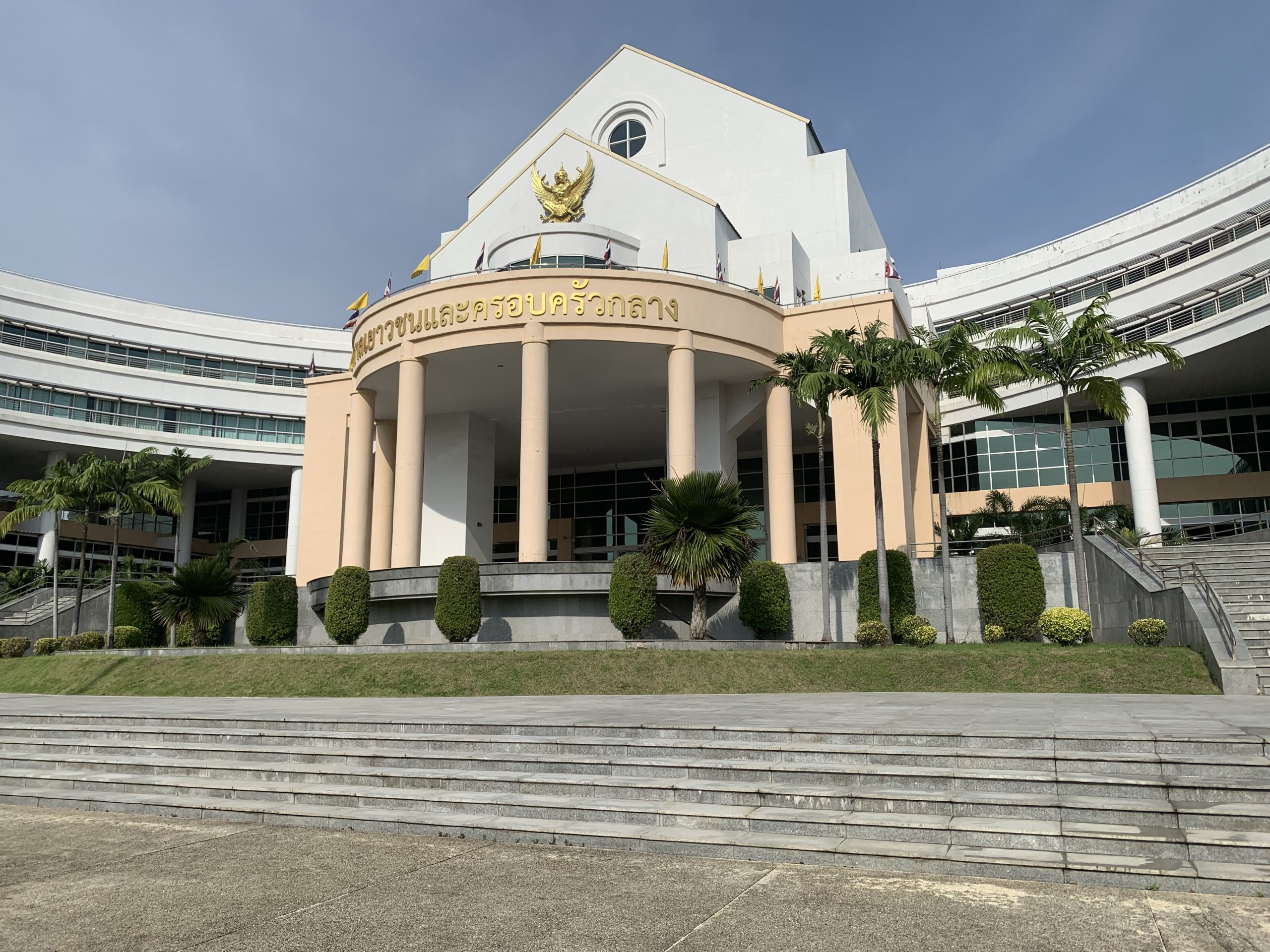
ภาพของ ศาลเยาวชนและครอบครัวในกรุงเทพฯ.
ศาลตั้งอยู่ติดกับสถานีรถไฟบางซื่อ ซึ่งได้รับการปรับปรุงครั้งใหญ่และแล้วเสร็จในปี 2021.
การนอกใจและบทบาทของมันในคดีหย่าร้างในประเทศไทย
การนอกใจไม่ใช่ความผิดทางอาญาในประเทศไทย แต่สามารถใช้เป็นเหตุผลทางกฎหมายในการขอหย่าร้างได้ หากคู่สมรสฝ่ายใดฝ่ายหนึ่งมีเพศสัมพันธ์นอกสมรส คู่สมรสอีกฝ่ายมีสิทธิยื่นคำร้องต่อศาลเพื่อขอให้ยุติการสมรส นอกจากเรื่องการหย่าร้างแล้ว คู่สมรสฝ่ายที่ได้รับความเสียหายยังสามารถเรียกร้องค่าทดแทนจากบุคคลภายนอกที่เกี่ยวข้องได้ โดยเฉพาะอย่างยิ่งหากบุคคลนั้นทราบว่าคู่สมรสอีกฝ่ายแต่งงานแล้ว.
การเปลี่ยนแปลงทางกฎหมายครั้งใหญ่เกิดขึ้นในสองขั้นตอนแรกสุด ศาลรัฐธรรมนูญของไทยตัดสินว่ากฎหมายการนอกใจในปัจจุบันไม่เป็นธรรมต่อผู้หญิง ก่อนการตัดสินครั้งนี้ สามีสามารถฟ้องคู่ครองของภรรยาได้โดยไม่คำนึงถึงเพศ แต่ภรรยาจะฟ้องเพียงคู่ครองหญิงของสามีเท่านั้น การตัดสินครั้งนี้ถูกพบว่าเป็นการเลือกปฏิบัติ และกฎหมายดังกล่าวได้รับการแก้ไขและมีผลบังคับใช้ในช่วงต้นปี 2025 โดยแทนคำว่าเพศโดยเฉพาะด้วยคำว่า “คู่สมรส” ในขณะนี้ ไม่ว่าจะเป็นสามีหรือภรรยา ก็สามารถเรียกร้องค่าชดเชยจากบุคคลที่สามได้ โดยไม่คำนึงถึงเพศ.
เมื่อศาลพิจารณาค่าชดเชย ศาลจะพิจารณาหลายปัจจัย ได้แก่ ระยะเวลาการสมรส การมีบุตร และสถานะทางสังคมของทั้งสองฝ่าย นอกจากนี้ ศาลยังพิจารณาถึงความเปิดเผยของความสัมพันธ์ชู้สาว และสุดท้าย ศาลจะตรวจสอบพฤติกรรมของคู่สมรสที่นอกใจและบุคคลที่สามหลังจากที่ความสัมพันธ์ชู้สาวถูกเปิดเผย มาตรา 1523 ไม่ได้กำหนดจำนวนค่าทดแทนไว้ ศาลจะกำหนดตามพฤติการณ์ของแต่ละคดี.
แม้ว่ากฎหมายจะมีผลบังคับใช้เหมือนกันทั่วประเทศ แต่วิธีการบังคับใช้อาจแตกต่างกันไปในแต่ละจังหวัดหรืออำเภอ ด้วยเหตุนี้ จึงเป็นเรื่องสำคัญที่จะต้องขอคำปรึกษาทางกฎหมายที่ดี โดยเฉพาะอย่างยิ่งเมื่อเรื่องชู้สาวเข้ามาเกี่ยวข้องกับการหย่าร้าง.
กฎหมายครอบครัวมีบทบาทอย่างไรในกระบวนการหย่าร้างของไทย?
กฎหมายครอบครัวในประเทศไทยเป็นส่วนหนึ่งของ ประมวลกฎหมายแพ่งและพาณิชย์ของไทย ตามกฎหมายไทย. กฎหมายนี้ควบคุมทุกแง่มุมของการหย่าร้าง รวมถึงเหตุผลในการหย่าร้าง อำนาจปกครองบุตร ค่าเลี้ยงดูบุตร และการแบ่งทรัพย์สิน นอกจากนี้ยังกำหนดว่าการจ่ายค่าเลี้ยงดูคู่สมรสมีความเหมาะสมหรือไม่.
ศาลมีหน้าที่รับผิดชอบในการสร้างความเป็นธรรม โดยเฉพาะอย่างยิ่งเมื่อมีเด็กหรือทรัพย์สินสมรสจำนวนมากเข้ามาเกี่ยวข้อง ผู้พิพากษาไทยจะพิจารณาถึงการมีส่วนร่วมของแต่ละฝ่าย สถานะทางการเงิน และผลประโยชน์สูงสุดของเด็กเมื่อทำการตัดสินใจ.
ทนายความไทยสามารถให้ความช่วยเหลือในกระบวนการหย่าร้างได้อย่างไร?
ทนายความด้านกฎหมายครอบครัวชาวไทยที่มีคุณสมบัติเหมาะสมจะช่วยให้มั่นใจได้ว่าสิทธิของคุณจะได้รับการคุ้มครอง โดยจะดำเนินการดังต่อไปนี้:
- ให้คำแนะนำเกี่ยวกับเอกสารและหลักฐานที่คุณควรรวบรวม
- ร่างหรือตรวจสอบข้อตกลงการหย่าร้างของคุณ
- เป็นตัวแทนของคุณในศาลหากจำเป็น
- ให้ความช่วยเหลือด้านการแปลและขั้นตอนทางราชการ
ถ้าคุณ ตั้งอยู่ในกรุงเทพฯ หรือพัทยา, คุณสามารถหาทนายความที่มีความเชี่ยวชาญได้ที่ ThaiLawOnline พวกเขามักให้ความช่วยเหลือชาวต่างชาติในเรื่องการหย่าร้างทั้งการหย่าโดยความยินยอมที่สำนักงานเขต/อำเภอและการหย่าร้างที่มีการโต้แย้ง.
จากข้อมูลของสำนักบริหารการทะเบียน (BORA) ประเทศไทยมีการจดทะเบียนสมรส 305,490 คู่ และหย่าร้าง 146,159 คู่ ในปี 2022 ซึ่งหมายความว่าในทุกๆ 100 คู่ที่แต่งงานในปีนั้น จะมีประมาณ 48 คู่ที่หย่าร้าง หรือประมาณ 400 คู่ต่อวันทั่วประเทศ.
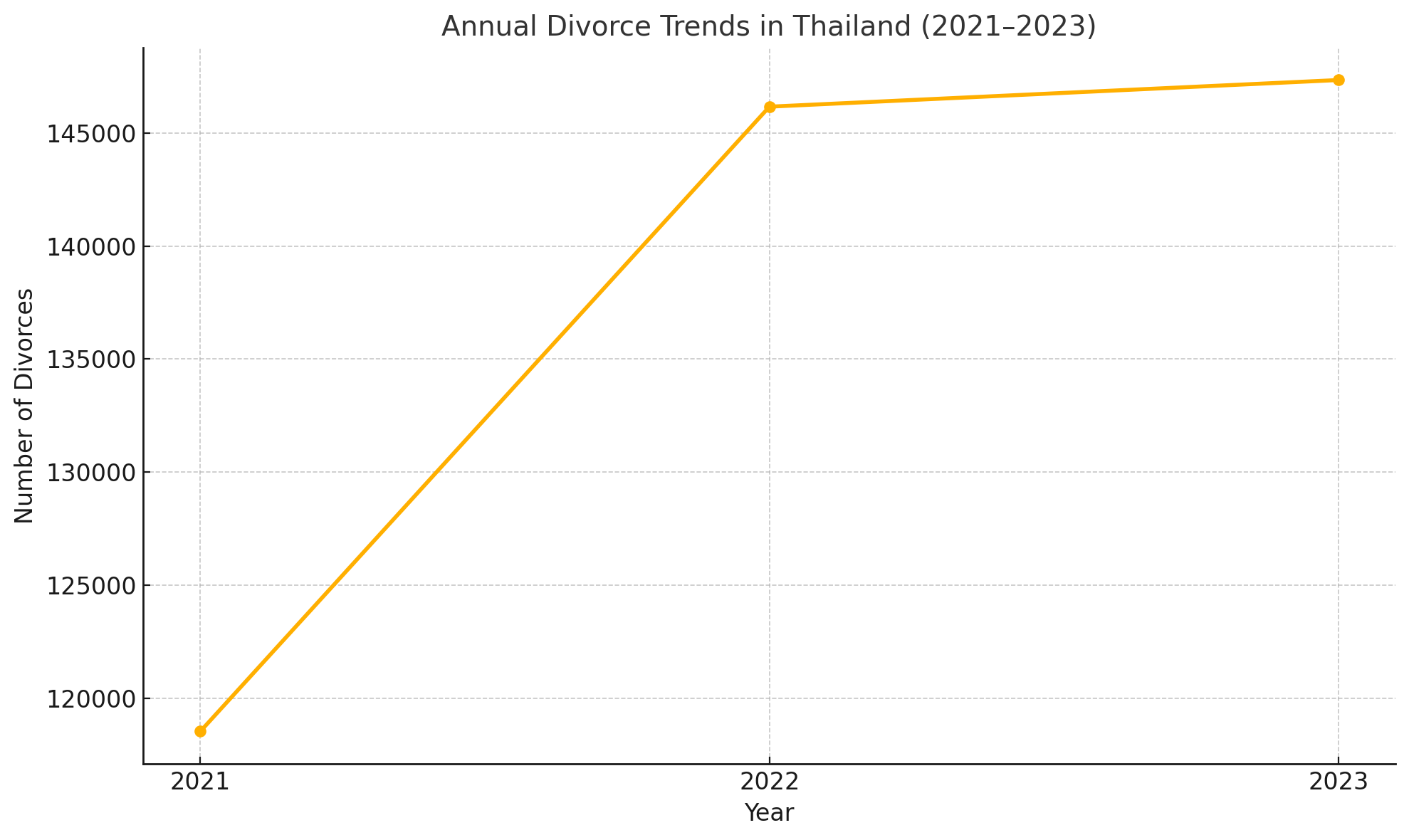
แนวโน้มการหย่าร้างในประเทศไทย: เช่นเดียวกับในหลายประเทศตะวันตก อัตราการหย่าร้างกำลังเพิ่มสูงขึ้น.
ส่วนสำคัญของการหย่าร้างไม่ว่าในประเทศไทยหรือต่างประเทศ
หากคุณกำลังคิดที่จะหย่าร้างในประเทศไทย สิ่งสำคัญคือต้องทำงานร่วมกับทนายความที่มีความรู้เกี่ยวกับกฎหมายครอบครัวในประเทศไทย.
การดูแลและค่าเลี้ยงดูบุตรในประเทศไทย
ในประเทศไทย สิทธิในการเลี้ยงดูบุตรเรียกว่า “อำนาจปกครอง” ซึ่งรวมถึงสิทธิและหน้าที่ของบิดามารดาที่มีต่อบุตรจนกว่าบุตรจะมีอายุครบ 20 ปีบริบูรณ์ ซึ่งรวมถึงการกำหนดถิ่นที่อยู่ของบุตร การอบรมสั่งสอน การดูแลเรื่องการศึกษา และการจัดการทรัพย์สิน เมื่อหย่าร้างกัน การตกลงเรื่องอำนาจปกครองสามารถทำได้โดยการตกลงร่วมกันหรือผ่านคำสั่งศาล หากบิดามารดาตกลงกันได้เกี่ยวกับเงื่อนไขการใช้อำนาจปกครอง ควรบันทึกข้อตกลงดังกล่าวไว้ในสัญญาหย่า ในกรณีที่มีข้อพิพาท ศาลเยาวชนและครอบครัวของไทยจะเป็นผู้ตัดสินว่าสิ่งใดดีที่สุดสำหรับเด็ก โดยจะพิจารณาจากอายุของเด็ก สุขภาพ ความผูกพันทางจิตใจ และความสามารถของบิดามารดาในการดูแลเด็ก.
กฎหมายไทยให้ความสำคัญสูงสุดกับประโยชน์สูงสุดของเด็กในการพิจารณาเรื่องอำนาจปกครอง (อำนาจปกครองบุตร) ซึ่งสามารถตกลงกันได้เองในการหย่าโดยความยินยอม หรือศาลเป็นผู้ตัดสินในคดีที่มีข้อพิพาท ทั้งรูปแบบอำนาจปกครองโดยบุคคลเดียวและอำนาจปกครองร่วมสามารถทำได้ทั้งสิ้น.
Cค่าอุปการะเลี้ยงดูบุตรเป็นประเด็นที่แยกต่างหากแต่มีความเกี่ยวข้อง บิดามารดาฝ่ายที่ไม่ได้เป็นผู้ใช้อำนาจปกครองโดยทั่วไปจะต้องมีส่วนร่วมในทางการเงินต่อการเลี้ยงดูบุตร จำนวนเงินดังกล่าวจะถูกกำหนดโดยข้อตกลงหรือคำสั่งศาล โดยพิจารณาจากความต้องการของบุตรและฐานะทางการเงินของฝ่ายที่ต้องจ่ายเงิน การทำให้ข้อตกลงเหล่านี้มีความเป็นทางการถือเป็นสิ่งสำคัญเพื่อให้มั่นใจได้ว่าจะสามารถบังคับใช้ได้และมีความชัดเจนสำหรับทั้งสองฝ่าย สำหรับข้อมูลเพิ่มเติมเกี่ยวกับเรื่องอำนาจปกครอง โปรดดูที่ การดูแลบุตรในประเทศไทย คู่มือ
การจ่ายค่าเลี้ยงดูบุตรนานเท่าใด และสามารถเปลี่ยนแปลงได้หรือไม่ อำนาจปกครองบุตรมีอยู่จนกระทั่งบุตรอายุครบ 20 ปี และภายใต้ มาตรา 1564 หน้าที่ในการอุปการะเลี้ยงดูบุตรที่บรรลุนิติภาวะแล้วจะคงอยู่ก็ต่อเมื่อบุตรผู้นั้นพิการและไม่สามารถหาเลี้ยงชีพได้เท่านั้น ข้อตกลงหย่าส่วนใหญ่ไปไกลกว่านั้นและผูกพันให้ผู้ปกครองฝ่ายที่ต้องจ่ายเงินสนับสนุนบุตรจนจบมหาวิทยาลัย ซึ่งถือว่าสมบูรณ์ตามกฎหมาย คำพิพากษาศาลฎีกาที่ 1694/2569 (แผนกคดีเยาวชนและครอบครัว) ยืนยันว่าข้อตกลงในการอุปการะเลี้ยงดูบุตรที่พ้นภาวะผู้เยาว์แล้วสามารถบังคับใช้ได้ในประเทศไทย.
สิ่งที่คำตัดสินเดียวกันนี้ยืนยันเช่นกันคือ จำนวนเงินดังกล่าวไม่มีวันกลายเป็นจำนวนเงินที่แตะต้องไม่ได้ ภายใต้ มาตรา 1598/39 บิดาหรือมารดาฝ่ายใดฝ่ายหนึ่ง หรือผู้มีส่วนได้เสียอื่นใด อาจร้องขอให้เพิกถอน ลด เพิ่ม หรือกลับให้ค่าอุปการะเลี้ยงดูอีกได้ เมื่อพฤติการณ์ รายได้ หรือฐานะเปลี่ยนแปลงไป และอำนาจดังกล่าวใช้ได้แม้กับจำนวนเงินที่กำหนดไว้ในสัญญาประนีประนอมยอมความที่ศาลพิพากษาตาม ในคำพิพากษาศาลฎีกาที่ 1694/2569 บิดาได้รับการปลดจากการชำระเงินทั้งหมดในอนาคตโดยมีผลตั้งแต่วันที่ 9 มิถุนายน 2566 เนื่องจากบุตรสาวมีอายุ 25 ปีและทำงานแล้ว และบุตรชายสำเร็จการศึกษาระดับปริญญาตรีแล้ว ซึ่งเป็นเหตุการณ์ที่ข้อตกลงเองระบุไว้ว่าเป็นจุดสิ้นสุดของการชำระเงินสำหรับบุตรชายและของค่าเลี้ยงชีพของมารดา บิดายังได้ต่อสู้ด้วยว่าตนเกษียณอายุแล้วและไม่มีรายได้ที่มั่นคง แต่ศาลวินิจฉัยโดยอาศัยข้อเท็จจริงสองประการข้างต้น ที่สำคัญคือ ศาลตีความถ้อยคำในข้อตกลงที่ว่า “ปริญญาตรีหรือระดับการศึกษาสูงสุด” ว่าหมายถึงเหตุการณ์ใดที่เกิดขึ้นก่อน ดังนั้นปริญญาใบแรกจึงทำให้หน้าที่ดังกล่าวสิ้นสุดลง หากคุณตั้งใจจะสนับสนุนค่าใช้จ่ายการศึกษาระดับบัณฑิตศึกษา ข้อตกลงต้องระบุไว้อย่างชัดแจ้ง โปรดดูการวิเคราะห์ฉบับเต็มของเราเกี่ยวกับ สิทธิในการดูแลบุตรในประเทศไทย.
ค่าเลี้ยงชีพ (กฎหมายเกี่ยวกับการให้การสนับสนุนคู่สมรส) ในประเทศไทย
เงินเลี้ยงชีพ หรือเงินสนับสนุนคู่สมรส หมายถึงการช่วยเหลือทางการเงินที่คู่สมรสคนหนึ่งมอบให้แก่คู่สมรสอีกฝ่ายหลังการหย่าร้าง ในประเทศไทย เงินเลี้ยงชีพไม่มอบให้โดยอัตโนมัติ แต่ต้องขอรับและอธิบายถึงเหตุผล โดยพิจารณาจากระยะเวลาการครองชีวิตคู่ ระดับรายได้ในช่วงที่ครองชีวิตคู่ และสถานะทางการเงินของคู่สมรสแต่ละฝ่าย กฎหมายไทยมีหลักการสนับสนุนหลังการหย่าร้างอยู่สามประการ ไม่ใช่ตามประเภทของเงินเลี้ยงชีพในสหรัฐอเมริกา ได้แก่ เงินเลี้ยงชีพชั่วคราว เงินเลี้ยงชีพเพื่อการฟื้นฟูสภาพร่างกาย และเงินเลี้ยงชีพถาวร
- เงินเลี้ยงชีพ (มาตรา 1526): เฉพาะกรณีที่การหย่าร้างได้รับการอนุมัติด้วยเหตุผลที่เกิดจากความผิดของคู่สมรสอีกฝ่ายเดียว และการหย่าร้างนั้นทำให้ผู้ขอหย่าขาดทุน โดยไม่มีรายได้เพียงพอจากทรัพย์สินหรือผลงานของตน ศาลอาจกำหนดค่าชดเชยตามที่เห็นสมควร หรืออาจไม่กำหนดค่าชดเชยก็ได้ โดยพิจารณาจากฐานะของผู้จ่ายและสถานะของผู้รับประโยชน์ และการเรียกร้องดังกล่าวจะสิ้นสุดลงหากไม่ระบุไว้ในคำฟ้องหรือคำคัดค้านในคดีหย่าร้างนั้นเอง.
- การหย่าร้างเนื่องจากความบกพร่องทางจิตหรือโรคติดต่อร้ายแรง (มาตรา 1527)คู่สมรสอีกฝ่ายหนึ่งต้องจ่ายค่าเลี้ยงชีพให้แก่คู่สมรสที่ป่วยตามวิธีการคำนวณที่กำหนดไว้เช่นเดียวกัน.
- การบำรุงรักษาตามข้อตกลงไม่ว่าคู่สมรสจะเขียนลงในข้อตกลงหย่าอย่างไรก็ตาม ซึ่งเป็นเส้นทางปกติในการหย่าโดยความยินยอมร่วมกัน.
เงินอุดหนุนเลี้ยงชีพตามกฎหมายจะสิ้นสุดลงหากผู้รับเงินมีคู่สมรสใหม่ (มาตรา 1528) และศาลสามารถเปลี่ยนแปลงเงินอุดหนุนดังกล่าวได้ตามสถานการณ์ที่เปลี่ยนแปลงไป (มาตรา 1526 มีผลบังคับใช้กับมาตรา 1598/39).
ศาลมีดุลยพินิจในการกำหนดค่าเลี้ยงชีพและจะพิจารณาจากรายละเอียดเฉพาะของแต่ละคดี ขอแนะนำให้ปรึกษาทนายความเพื่อทำความเข้าใจสิทธิและหน้าที่ของตนเองเกี่ยวกับค่าอุปการะเลี้ยงดูคู่สมรส.
คำเตือน: อย่าผูกค่าเลี้ยงชีพของคุณกับการศึกษาของเด็ก. คำพิพากษาศาลฎีกาที่ 1694/2569 (แผนกคดีเยาวชนและครอบครัว) เป็นบทเรียนราคาแพงเกี่ยวกับการร่างสัญญา ค่าอุปการะเลี้ยงดูภรรยาเองถูกเขียนไว้ให้ดำเนินไปจนกว่าบุตรชายจะสำเร็จการศึกษา เมื่อบุตรชายสำเร็จการศึกษาปริญญาตรี ค่าอุปการะเลี้ยงดูของเธอก็สิ้นสุดลงพร้อมกันนั้น และสามีก็หลุดพ้นจากการชำระเงินในอนาคตทั้งหมดภายใต้สัญญาประนีประนอมยอมความ รวมถึงค่าอุปการะเลี้ยงดูบุตรทั้งสองคนด้วย.
ค่าอุปการะเลี้ยงดูคู่สมรสที่ตกลงกันไว้ในการประนีประนอมควรมีกำหนดระยะเวลา วันสิ้นสุด และเงื่อนไขในการทบทวนเป็นของตนเอง โดยร่างแยกต่างหากจากเรื่องใดๆ ที่เกี่ยวกับบุตร และให้ทำความเข้าใจแยกต่างหากจากค่าเลี้ยงชีพตามกฎหมายภายใต้ มาตรา 1526, ซึ่งแคบกว่า: มีให้เฉพาะในกรณีที่การหย่าร้างเกิดขึ้นจากความผิดของฝ่ายเดียวเท่านั้น ผู้เรียกร้องตกอยู่ในภาวะยากไร้ และมีการเรียกร้องดังกล่าวไว้ในคำฟ้องหย่า ในการหย่าโดยความยินยอมพร้อมใจ การอุปการะเลี้ยงดูของคุณจะมีน้ำหนักเท่ากับเงื่อนไขที่คุณได้ลงลายมือชื่อไว้เท่านั้น และเนื่องจาก มาตรา 1598/39 เปิดช่องให้มีการปรับเปลี่ยนค่าเลี้ยงดูได้เสมอ อย่าพึ่งพาข้อสัญญาที่ระบุว่าตัวเลขดังกล่าว “เป็นที่สุดและไม่สามารถเปลี่ยนแปลงได้” แต่ควรสร้างกลไกการทบทวนที่คุณต้องการไว้ในข้อตกลง แทนที่จะสมมติว่าจะไม่มีการเปลี่ยนแปลงเกิดขึ้น.
การแบ่งสินสมรสในประเทศไทย
การแบ่งทรัพย์สินใน การหย่าร้างในต่างประเทศ ในประเทศไทยเป็นไปตามกฎหมายไทย ซึ่งเป็นความจริงโดยเฉพาะอย่างยิ่งหากทรัพย์สินอยู่ในประเทศ ประมวลกฎหมายแพ่งและพาณิชย์ของไทยแบ่งสินสมรสออกจากสินส่วนตัว เรื่องนี้มีความสำคัญสำหรับชาวต่างชาติที่กำลังหย่าร้างกับคู่สมรสชาวไทย หากทรัพย์สินอยู่ต่างประเทศ อาจต้องใช้กฎหมายอื่นบังคับ การทำความเข้าใจความแตกต่างระหว่างทรัพย์สินสองประเภทนี้เป็นสิ่งสำคัญ เนื่องจากทรัพย์สินทั้งสองประเภทนี้ได้รับการจัดการที่แตกต่างกันอย่างมากในการหย่าร้างภายใต้กฎหมายไทย
- สินส่วนตัว: ซึ่งรวมถึงทรัพย์สินที่คู่สมรสมีอยู่ก่อนการสมรส และยังรวมถึงทรัพย์สินที่ได้รับมาเป็นการส่วนตัวในระหว่างการสมรสในฐานะมรดกหรือของขวัญ เครื่องมือส่วนตัวหรือสิ่งของที่จำเป็นสำหรับการทำงานก็อาจจัดอยู่ในประเภทนี้เช่นกัน. สินส่วนตัวถือเป็นทรัพย์สินส่วนตัวของคู่สมรสแต่ละฝ่าย และมักได้รับการคุ้มครองในระหว่างการสมรส. ไม่ ซึ่งจะเป็นทรัพย์สินที่คู่สมรสแบ่งกันเมื่อหย่าร้าง. ทรัพย์สินนี้เป็นของผู้เป็นเจ้าของเดิมแต่เพียงผู้เดียว.
- สินสมรส, สินสมรส): ซึ่งรวมถึงทรัพย์สินทั้งหมดที่คู่สมรสฝ่ายใดฝ่ายหนึ่งได้มา ในระหว่าง การสมรส ซึ่งรวมถึงเงินจากงานหรือธุรกิจ ทรัพย์สินที่ซื้อในระหว่างการสมรส และการลงทุนที่ทำในระหว่างการสมรส นอกจากนี้ยังรวมถึงรายได้จากสินส่วนตัว เช่น ค่าเช่าจากคอนโดที่คุณเป็นเจ้าของอยู่แล้ว. ภายใต้กฎหมายไทย, สินสมรส ถือเป็นทรัพย์สินที่ถือครองร่วมกัน โดยทั่วไปแล้ว ในกรณีหย่าร้าง ทรัพย์สินนี้จะอยู่ภายใต้ การแบ่งเท่าๆ กัน (50/50) ระหว่างคู่สมรส. ข้อสมมติฐานเรื่องการแบ่งเท่าๆ กันนี้สามารถเปลี่ยนแปลงได้หากมีข้อกำหนดที่มีผลใช้บังคับตาม สัญญาก่อนสมรส หรือคำตัดสินพิเศษของศาล.
การระบุและจำแนกประเภททรัพย์สินแต่ละรายการมีความสำคัญในกระบวนการหย่าร้างของไทย คุณต้องตรวจสอบว่าทรัพย์สินนั้นเป็นสินส่วนตัวหรือสินสมรส ขั้นตอนนี้มีความสำคัญอย่างยิ่งต่อการแบ่งทรัพย์สิน หากคุณต้องการทราบข้อมูลเพิ่มเติมเกี่ยวกับเรื่องนี้ การแบ่งสินทรัพย์ในกรณีหย่าร้าง โปรดดูรายละเอียดเพิ่มเติมได้ที่หน้าเว็บของเราที่นี่.
ในกรณีที่มีความคลุมเครือเกี่ยวกับลักษณะของทรัพย์สิน ให้สันนิษฐานไว้ก่อนว่าเป็นสินสมรส เพื่อหลีกเลี่ยงข้อพิพาท คู่สมรสควรเก็บรักษาบันทึกที่ชัดเจนว่าใครเป็นเจ้าของอะไร เนื่องจากสิ่งนี้อาจส่งผลต่อความสัมพันธ์ฉันสามีภรรยา นอกจากนี้ พวกเขาควรคิดเกี่ยวกับการร่างสัญญาก่อนสมรส ก่อนแต่งงาน สัญญาเหล่านี้สามารถระบุวิธีจำแนกและแบ่งปันทรัพย์สิน ซึ่งจะช่วยให้เกิดความชัดเจนและลดความขัดแย้งในระหว่างการหย่าร้าง.
ข้อตกลงก่อนสมรสสามารถบังคับใช้ได้ในประเทศไทยหรือไม่?
ใช่, ข้อตกลงก่อนสมรส เป็นสัญญาระบุไว้ตามกฎหมายในประเทศไทยตราบเท่าที่ผู้ที่ทำสัญญานั้นปฏิบัติตามข้อกำหนดทางกฎหมายของไทย คุณต้องยื่นเอกสารสัญญานี้ที่สำนักงานเขต ซึ่งเรียกว่า Amphur หรือ Khet โดยต้องลงทะเบียนในทะเบียนสมรสพร้อมกับการจดทะเบียนสมรส (มาตรา 1466 แห่งประมวลกฎหมายแพ่งและพาณิชย์) สัญญาที่ไม่ได้ลงทะเบียนตามแบบอย่างดังกล่าวจะถือว่าไม่มีผลบังคับ หากมีการจัดทำและยื่นแบบอย่างถูกต้องตามกฎหมายแล้ว ศาลไทยมักจะบังคับใช้ข้อกำหนดดังกล่าวในกรณีการหย่าร้าง สัญญาก่อนสมรสอาจมีผลต่อการแบ่งสินทรัพย์ในการหย่าร้างของไทย.
ค่าใช้จ่ายในการหย่าร้างที่มีข้อพิพาทในประเทศไทย
ในคดีหย่าที่มีการโต้แย้ง ค่าใช้จ่ายคงที่หลักคือค่าธรรมเนียมศาล สำหรับคดีส่วนใหญ่ที่ไม่มีการเรียกร้องทางการเงิน ค่าธรรมเนียมจะอยู่ที่ 200 บาทเท่านั้น หากมีข้อพิพาทเกี่ยวกับสินสมรส ค่าธรรมเนียมศาลจะอยู่ที่ 2% ของจำนวนที่เรียกร้องในส่วนที่ไม่เกิน 50 ล้านบาท โดยสูงสุดไม่เกิน 200,000 บาท บวก 0.1% ของส่วนที่เกิน 50 ล้านบาท (ประมวลกฎหมายวิธีพิจารณาความแพ่ง, ตาราง 1) ค่าทนายความสำหรับการหย่าในประเทศไทยแยกต่างหากและขึ้นอยู่กับทนายความที่ท่านเลือก เพื่อทำความเข้าใจกระบวนการและค่าใช้จ่ายก่อนยื่นฟ้อง โปรดอ่าน: สิ่งที่ควรรู้ก่อนขึ้นศาลในประเทศไทย. ซึ่งรวมถึงความสำคัญของการรู้กฎหมายการหย่าร้างในประเทศไทยด้วย.
วิธีการยื่นขอหย่าในประเทศไทย: ขั้นตอนทีละขั้นสำหรับชาวต่างชาติ
การหย่าในประเทศไทยมีสองวิธีหลัก คือ การหย่าโดยความยินยอมที่สำนักงานเขต/อำเภอ (กรณีไม่มีข้อโต้แย้ง) และการฟ้องหย่าทางศาล (กรณีมีข้อโต้แย้ง) สำหรับชาวต่างชาติ ทั้งสองวิธีสามารถใช้ได้ แต่ขั้นตอนที่ถูกต้องจะขึ้นอยู่กับสถานการณ์เฉพาะของคุณ ในส่วนนี้ เราจะอธิบายกระบวนการทางกฎหมายภายใต้กฎหมายครอบครัวของไทยสำหรับชาวต่างชาติ ซึ่งใช้ได้ไม่ว่าคุณจะยื่นฟ้องหย่ากับคู่สมรสชาวไทยหรือชาวต่างชาติอีกฝ่ายก็ตาม.
ก่อนฟ้องหย่าในประเทศไทย ชาวต่างชาติจะต้องมั่นใจว่าศาลไทยมีเขตอำนาจศาล หากการสมรสของคุณจดทะเบียนในประเทศไทย ศาลครอบครัวไทยสามารถพิจารณาคดีของคุณได้ ซึ่งเป็นความจริงหากคู่สมรสฝ่ายใดฝ่ายหนึ่งเป็นคนไทยหรือหากคู่สมรสทั้งสองฝ่ายอาศัยอยู่ด้วยกันในประเทศไทย สิ่งนี้มีผลไม่ว่าคุณจะหย่ากับคู่สมรสชาวไทยหรือชาวต่างชาติรายอื่น สำหรับคดีที่ไม่มีข้อพิพาท ชาวต่างชาติในประเทศไทยมักจะสามารถหย่าได้ที่สำนักงานเขต กรณีนี้เป็นความจริงหากทั้งสองฝ่ายตกลงกันและจดทะเบียนสมรสในท้องถิ่น.
เมื่อการหย่าในประเทศไทยมีการโต้แย้ง กระบวนการจะเริ่มต้นด้วยการยื่นคำฟ้อง โดยยื่นต่อศาลเยาวชนและครอบครัวในเขตที่คู่สมรสฝ่ายจำเลยอาศัยอยู่ หรือที่มูลเหตุแห่งการหย่าเกิดขึ้น (มาตรา 4 แห่งประมวลกฎหมายวิธีพิจารณาความแพ่ง) ส่วนศาลในเขตของโจทก์เองใช้ได้เฉพาะในกรณีที่มาตรา 4 ตรี อนุญาตเท่านั้น หลังจากยื่นคำฟ้องแล้ว ศาลจะส่งหมายเรียกไปยังคู่สมรสอีกฝ่ายหนึ่ง เพื่อให้โอกาสฝ่ายนั้นยื่นคำให้การหรือฟ้องแย้งหากต้องการ.
จากนั้นศาลจะกำหนดวันนัดพิจารณาคดีเบื้องต้น การพิจารณาคดีครั้งแรกนี้มีความสำคัญเพราะมักมุ่งเน้นไปที่การเจรจาต่อรอง โดยปกติแล้วผู้พิพากษาในประเทศไทยจะสนับสนุนให้ทั้งสองฝ่ายบรรลุข้อตกลงหากเป็นไปได้ หากคุณสามารถตกลงกันได้ในบางประเด็นหรือทุกประเด็นในขั้นตอนนี้ จะช่วยประหยัดเวลา ความเครียด และค่าใช้จ่ายได้มาก อย่างไรก็ตาม หากไม่สามารถบรรลุข้อตกลงได้ คดีก็จะดำเนินต่อไป.
จากนั้นทั้งสองฝ่ายต้องเตรียมพร้อมที่จะนำเสนอหลักฐาน ซึ่งอาจรวมถึงเอกสารทางการเงิน คำให้การของพยาน หรือสิ่งอื่นใดที่สนับสนุนจุดยืนของตนในประเด็นสำคัญต่างๆ ประเด็นเหล่านี้อาจเป็นเรื่องการแบ่งทรัพย์สิน การดูแลบุตร หรือค่าเลี้ยงดูคู่สมรส อาจต้องมีการพิจารณาคดีหลายครั้งเพื่อตรวจสอบหลักฐานทั้งหมด ขึ้นอยู่กับความซับซ้อนของคดี.
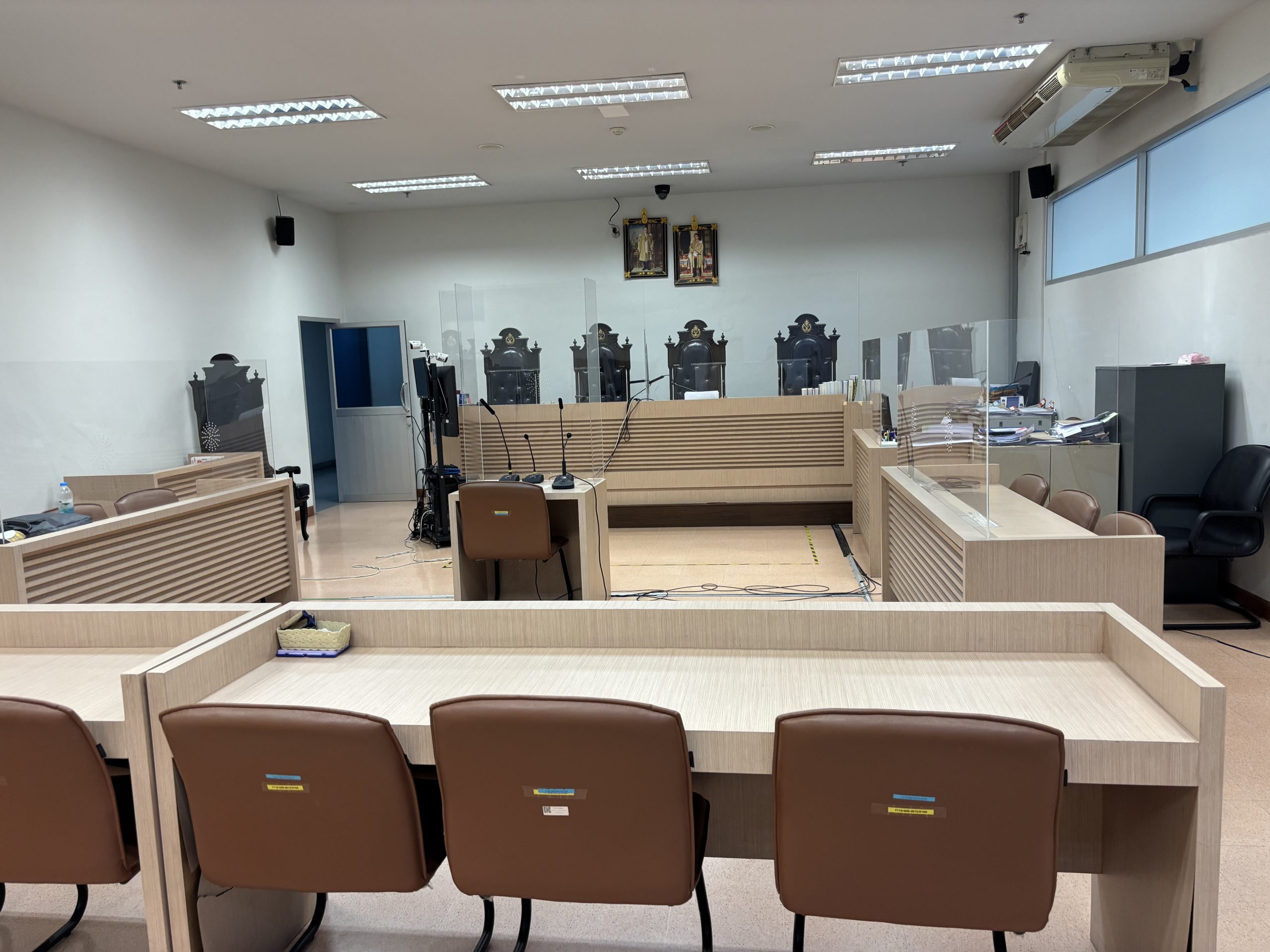
หากไม่สามารถตกลงกันได้ในระหว่างการเจรจาหรือการไต่สวน คดีจะเข้าสู่กระบวนการพิจารณาคดีเต็มรูปแบบ ผู้พิพากษาจะรับฟังทั้งสองฝ่าย ตรวจสอบหลักฐาน และในที่สุดก็จะออกคำตัดสินขั้นสุดท้าย คำตัดสินนี้จะตัดสินทุกอย่างเกี่ยวกับการหย่าร้าง จะกำหนดว่าใครจะได้สิทธิ์ในการดูแลบุตร จะระบุวิธีการแบ่งทรัพย์สินระหว่างคู่สมรส และสุดท้ายจะระบุว่าต้องมีการจ่ายค่าเลี้ยงดูหรือไม่.
การหย่าโดยคำพิพากษามีผลเมื่อคำพิพากษาถึงที่สุด (มาตรา 1531 แห่งประมวลกฎหมายแพ่งและพาณิชย์) จากนั้นควรบันทึกการหย่าไว้ที่สำนักทะเบียน (อำเภอหรือเขต) เพราะจนกว่าจะบันทึก จะยกการหย่าขึ้นต่อสู้บุคคลภายนอกผู้กระทำการโดยสุจริตไม่ได้.
การหย่าร้างสำหรับชาวต่างชาติในประเทศไทย (Expats Thai Divorce)
การหย่าร้างเป็นเรื่องซับซ้อนไม่ว่าจะอยู่ที่ไหน แต่การดำเนินการในฐานะชาวต่างชาติในประเทศไทยนั้นมีความซับซ้อนยิ่งขึ้นไปอีก ข่าวดีก็คือ ชาวต่างชาติหรือชาวต่างชาติที่มาอาศัยอยู่ในประเทศไทยสามารถหย่าร้างได้ ไม่ว่าพวกเขาจะแต่งงานกับคนไทยหรือชาวต่างชาติคนอื่นก็ตาม อย่างไรก็ตาม การทำความเข้าใจว่ากฎหมายไทยมีผลต่อสถานการณ์ของคุณอย่างไรเป็นสิ่งสำคัญ.
พระราชบัญญัติความขัดแย้งทางกฎหมายของไทยมีผลบังคับใช้เมื่อมีผู้มีสัญชาติต่างชาติเกี่ยวข้อง ตามมาตรา 27 ของพระราชบัญญัตินี้ ศาลไทยจะพิจารณาคดีหย่าร้างที่ยื่นฟ้องในประเทศไทยตามหลักฐานทางกฎหมายของไทย แต่ศาลจะไม่สามารถให้การหย่าร้างได้เว้นแต่กฎหมายแห่งชาติของทั้งคู่สมรสจะอนุญาตให้หย่าร้าง.
ก่อนอื่น ศาลไทยต้องมีอำนาจหรือเขตอำนาจศาลในการพิจารณาคดีของคุณ โดยปกติแล้วศาลไทยจะมีอำนาจหากการสมรสได้จดทะเบียนในประเทศไทย และหากคู่สมรสฝ่ายใดฝ่ายหนึ่งเป็นคนไทย นอกจากนี้ หากคู่สมรสเคยอาศัยอยู่ด้วยกันในประเทศไทยเป็นครั้งสุดท้าย ศาลก็จะมีเขตอำนาจศาลเช่นกัน ชาวต่างชาติจดทะเบียนหย่าโดยความยินยอมที่อำเภอหรือเขตได้เฉพาะเมื่อการสมรสได้จดทะเบียนไว้ในทะเบียนครอบครัวของไทย (มาตรา 1515) และการหย่าโดยความยินยอมจะสมบูรณ์ก็ต่อเมื่อกฎหมายสัญชาติของคู่สมรสทั้งสองฝ่ายยอมให้หย่าโดยความยินยอมได้ (พ.ร.บ.ว่าด้วยการขัดกันแห่งกฎหมาย มาตรา 26) หากจดทะเบียนสมรสในต่างประเทศ จะไม่มีทะเบียนให้อำเภอจดการหย่า การฟ้องหย่าต่อศาลเยาวชนและครอบครัวจึงมักเป็นทางที่ปลอดภัยกว่า.
คำถามสำคัญและทั่วไปจึงเกิดขึ้นว่า กฎหมายของใครที่นำมาใช้บังคับ นี่คือจุดที่กฎหมาย “ขัดกันแห่งกฎหมาย” ของประเทศไทยเข้ามามีบทบาท และไม่ใช่เรื่องตรงไปตรงมาเสมอไป ในศาลไทย กระบวนการถือเป็นสิ่งสำคัญ ซึ่งรวมถึงวิธีการยื่นฟ้อง กรอบเวลา และวิธีพิจารณาความของศาล กฎหมายวิธีพิจารณาความของไทยจะถูกนำมาใช้อยู่เสมอ.
เกี่ยวกับ เหตุผล หรือเหตุแห่งการหย่า เรื่องจะซับซ้อนมากขึ้น ไม่ว่าคู่สมรสจะถือสัญชาติใดก็ตาม เหตุหย่าในคดีที่ยื่นฟ้องในประเทศไทยคือเหตุหย่าตามกฎหมายไทย (มาตรา 27 วรรคสอง แห่งพระราชบัญญัติว่าด้วยการขัดกันแห่งกฎหมาย) นอกจากนี้ ศาลไทยไม่สามารถพิพากษาให้หย่าได้ เว้นแต่กฎหมายสัญชาติของคู่สมรสทั้งสองฝ่ายจะยอมให้หย่าได้ กฎหมายนี้ครอบคลุมถึงเหตุหย่าตามที่อธิบายไว้ในมาตรา 1516 แห่งประมวลกฎหมายแพ่งและพาณิชย์.
เมื่อพูดถึงการแบ่งสินทรัพย์ โดยเฉพาะอสังหาริมทรัพย์ ตั้งอยู่ในประเทศไทย, กฎหมายไทยมักมีผลเหนือกว่า หากไม่มีสัญญาก่อนสมรส ที่ดินและอาคารในประเทศไทยจะอยู่ภายใต้กฎหมายไทย ในขณะที่ทรัพย์สินอื่นจะอยู่ภายใต้กฎหมายสัญชาติของคู่สมรส หรือกฎหมายสัญชาติของสามีหากคู่สมรสมีสัญชาติต่างกัน (มาตรา 22 แห่งพระราชบัญญัติว่าด้วยการขัดกันแห่งกฎหมาย) เมื่อใช้กฎหมายไทย กฎหมายไทยจะแยกสินสมรสออกจากสินส่วนตัว กฎเกณฑ์เหล่านี้น่าจะส่งผลต่อวิธีการแบ่งทรัพย์สินที่ได้มาระหว่างสมรสในประเทศไทย การจัดการทรัพย์สินนอกประเทศไทยมักต้องดำเนินการทางกฎหมายในประเทศที่ทรัพย์สินนั้นตั้งอยู่ โดยอาศัยกฎหมายของประเทศนั้น.
สำหรับการตัดสินใจเกี่ยวกับอำนาจปกครองบุตรหรือสิทธิของบิดามารดาโดยศาลไทย กฎเกณฑ์หลักคือ “ประโยชน์สูงสุดของเด็ก” กฎเกณฑ์นี้ใช้โดยเฉพาะกับเด็กที่อาศัยอยู่ในประเทศไทยและเป็นไปตามกฎหมายไทย.
สิ่งสำคัญอีกประการหนึ่งคือสัญญาก่อนสมรส แม้ว่าจะมีประโยชน์ แต่สัญญาที่ทำขึ้นในต่างประเทศจำเป็นต้องได้รับการตรวจสอบอย่างละเอียดว่ามีผลทางกฎหมายไทยหรือไม่ เพื่อให้สามารถบังคับใช้ได้ในประเทศไทย โดยเฉพาะอย่างยิ่งในเรื่องการแบ่งทรัพย์สิน สัญญาดังกล่าวต้องเป็นไปตามกฎเกณฑ์ทางกฎหมายของไทย ซึ่งโดยทั่วไปหมายความว่าควรทำขึ้นก่อนการสมรสและจดทะเบียนพร้อมกับการจดทะเบียนสมรสในประเทศไทย.
โปรดจำไว้ว่า การทำให้คำพิพากษาหย่าของศาลไทยได้รับการรับรองหรือบังคับใช้ในประเทศของคุณนั้น อาจต้องผ่านขั้นตอนทางกฎหมายที่แตกต่างกัน การจัดการกับประเด็นระหว่างประเทศเหล่านี้อาจซับซ้อน ขอแนะนำอย่างยิ่งให้ขอคำปรึกษาจากทนายความที่เชี่ยวชาญด้านกฎหมายครอบครัวไทย โดยเฉพาะอย่างยิ่งสำหรับชาวต่างชาติ การทำเช่นนี้จะช่วยปกป้องสิทธิของคุณและชี้แจงผลกระทบเฉพาะเจาะจงสำหรับสถานการณ์ของคุณได้.
การหย่าในประเทศไทยสำหรับการสมรสที่จดทะเบียนในต่างประเทศ
หากคุณหย่าร้างนอกประเทศไทย คุณอาจต้องยื่นคำร้องขอหย่าตามกฎหมายท้องถิ่น เรื่องนี้สำคัญมากหากคุณเป็นพลเมืองไทย และยังสำคัญหากคุณวางแผนที่จะแต่งงานใหม่ โอนทรัพย์สิน หรือปรับปรุงสถานะการสมรสในประเทศไทย ขอแนะนำอย่างยิ่งให้มีทนายความ โดยเฉพาะอย่างยิ่งเมื่อเกี่ยวข้องกับการแบ่งทรัพย์สินหรือการดูแลบุตร.
เพื่อลงทะเบียน การหย่าที่ทำในต่างประเทศ ในประเทศไทยโปรดทำตามขั้นตอนเหล่านี้:
- นำคำสั่งศาลเกี่ยวกับการหย่าร้างไปรับรองกับหน่วยงานที่เกี่ยวข้องในประเทศที่ออกคำสั่งนั้น โดยปกติจะเป็นกระทรวงการต่างประเทศหรือหน่วยงานที่คล้ายคลึงกัน.
- แปลคำพิพากษาหย่าที่ได้รับการรับรอง แปลเป็นภาษาไทยโดยนักแปลที่ได้รับการรับรองอย่างเป็นทางการ.
- รับรองการแปลภาษาไทย ที่ สถานเอกอัครราชทูตไทย หรือสถานกงสุลไทย ในประเทศที่การหย่าร้างเกิดขึ้น.
- เมื่อคุณกลับไปประเทศไทย ให้นำเอกสารการหย่าฉบับจริง คำแปลภาษาไทย และเอกสารรับรองต่างๆ ไปด้วย นำเอกสารเหล่านี้ไปที่สำนักงานเขต/อำเภอในพื้นที่ของคุณเพื่อจดทะเบียนหย่า.
💡 หมายเหตุ: หากการหย่าร้างได้รับการจดทะเบียนในต่างประเทศโดยไม่มีการดำเนินการทางศาล ทางการไทยอาจไม่ยอมรับ ในบางกรณี ศาลครอบครัวไทยอาจต้องตรวจสอบการหย่าร้างจากต่างประเทศเพื่อยืนยันความถูกต้องตามกฎหมายไทย.
ThaiLawOnline สามารถช่วยคุณเรื่องการแปลได้ เราสามารถตรวจสอบได้ว่าการหย่าร้างในต่างประเทศของคุณสามารถจดทะเบียนได้หรือไม่ เราจะให้คำแนะนำคุณตลอดกระบวนการทั้งหมด.
พระราชบัญญัติว่าด้วยการขัดกันของกฎหมาย พ.ศ. 2481 กำหนดกฎเกณฑ์เกี่ยวกับการหย่าร้างไว้ดังนี้:
- มาตรา 26: การหย่าร้างโดยความยินยอมร่วมกันนั้นมีผลสมบูรณ์หากประเทศของทั้งสามีและภรรยาอนุญาตให้ทำเช่นนั้นได้.
- มาตรา 27: ศาลสยาม (ไทย) จะพิพากษาให้หย่าไม่ได้ เว้นแต่กฎหมายสัญชาติของทั้งสามีและภริยาจะอนุญาต มาตราเดียวกันนั้นยังเป็นตัวกำหนดว่าเหตุหย่าใดจะนำมาใช้ โดยเหตุหย่าให้อยู่ภายใต้บังคับของกฎหมายแห่งถิ่นที่ยื่นฟ้องหย่า ดังนั้น การฟ้องหย่าในประเทศไทยจึงวินิจฉัยตามเหตุหย่าของไทยใน มาตรา 1516 ไม่ว่าคู่สมรสจะมีสัญชาติใดก็ตาม.
ในคำพิพากษาศาลฎีกาที่ 5887/2533 ศาลวินิจฉัยว่าการหย่าโดยความยินยอมมีผลเฉพาะระหว่างคู่หย่าทั้งสองเท่านั้น คดีนี้เป็นกรณีที่ฝ่ายหนึ่งเป็นคนไทยและอีกฝ่ายเป็นคนอินเดีย การหย่าดังกล่าวไม่อาจกระทบถึงสิทธิของบุคคลภายนอกผู้กระทำการโดยสุจริต เว้นแต่จะได้จดทะเบียนการหย่าแล้ว ซึ่งเป็นหลักที่ปัจจุบันบัญญัติไว้ใน มาตรา 1531 แห่งประมวลกฎหมายแพ่งและพาณิชย์ เนื่องจากสามีปฏิเสธที่จะไปจดทะเบียนการหย่าตามหนังสือหย่า ภรรยาจึงฟ้องคดี และศาลพิพากษาให้หย่าเพื่อให้บันทึกการหย่าลงในทะเบียนได้.
ค่าใช้จ่ายของทนายความหย่าร้างในประเทศไทย
การประมาณค่าที่แน่นอน ค่าใช้จ่ายของทนายความหย่าร้างในประเทศไทย ล่วงหน้าอาจเป็นเรื่องยาก แต่การเข้าใจช่วงราคาที่เป็นไปได้จะช่วยได้ สำหรับค่าใช้จ่ายในการหย่าร้างแบบไม่โต้แย้งในประเทศไทย ค่าธรรมเนียมอาจเริ่มต้นประมาณ 20,000 ถึง 60,000 บาท นี่เป็นเพียงการประมาณการและอาจแตกต่างกันไป ThaiLawOnline มีราคาค่อนข้างถูกที่ 9,900 บาท รวมค่าปรึกษา สัญญาหย่าร้างสองภาษา และคำแนะนำแล้ว.
อย่างไรก็ตาม ค่าทนายความสำหรับการหย่าร้างที่มีข้อพิพาทในประเทศไทยจะสูงกว่า เนื่องจากค่าใช้จ่ายในการยื่นฟ้องต่อศาล การเตรียมหลักฐาน การเดินทาง และการพิจารณาคดี เนื่องจากการแยกทางแต่ละครั้งมีสถานการณ์เฉพาะตัว วิธีที่น่าเชื่อถือที่สุดในการกำหนด ค่าธรรมเนียมทางกฎหมายสำหรับการหย่าร้างในประเทศไทย ที่ใช้กับกรณีของคุณ คือการนัดหมายเพื่อขอคำปรึกษาเบื้องต้น ซึ่งจะช่วยให้ทนายความผู้เชี่ยวชาญประเมินสถานการณ์ของคุณและจัดทำโครงสร้างค่าธรรมเนียมหรือประมาณการค่าใช้จ่ายที่เหมาะสมได้ โปรดทราบว่าล่ามมีความสำคัญในศาล พวกเขาช่วยเป็นตัวแทนชาวต่างชาติ ไม่ว่าคุณจะต้องการทนายความหย่าร้างในกรุงเทพฯ หรือพัทยา.
ขั้นตอนการหย่าร้างในประเทศไทยนั้นเหมือนกันสำหรับคนไทยและชาวต่างชาติ อย่างไรก็ตาม ชาวต่างชาติอาจต้องใช้บริการแปลและล่ามเพิ่มเติม ซึ่งค่าใช้จ่ายในการแปลและล่ามทั้งหมดจะต้องบวกเพิ่มจากค่าทนายความปกติ ทนายความด้านกฎหมายครอบครัวที่ดีในกรุงเทพฯ คิดค่าบริการประมาณ 3,000 ถึง 10,000 บาทต่อชั่วโมง.
กฎหมายเกี่ยวกับการหย่าร้างในประเทศไทยค่อนข้างซับซ้อน การขอคำแนะนำเพื่อให้ปฏิบัติตามกฎหมายอย่างครบถ้วนจึงเป็นสิ่งสำคัญ.
อย่าลืมว่าหากคุณเรียกร้องทรัพย์สินบางอย่างจากคู่สมรสของคุณ คุณอาจจะต้องเสีย “ค่าธรรมเนียมศาล” เราอธิบายเรื่องเหล่านี้ไว้ในข้อความของเราเกี่ยวกับ “สิ่งที่คุณควรรู้หากต้องไปศาลในประเทศไทย”. คดีความในศาลอาจมีค่าใช้จ่ายตั้งแต่ 20,000 ไปจนถึงมากกว่า 500,000 บาท ค่าใช้จ่ายขึ้นอยู่กับความซับซ้อนของคดี สำหรับชาวต่างชาติ ค่าใช้จ่ายโดยเฉลี่ยอยู่ที่ประมาณ 100,000 บาท ซึ่งรวมค่าล่าม ค่าปรึกษาทางกฎหมาย และค่าเดินทางแล้ว อย่างไรก็ตาม ยังไม่รวมค่าธรรมเนียมศาล อ่านบทความของเราเกี่ยวกับ “สิ่งที่ควรรู้ก่อนไปศาล” ในประเทศไทย ซึ่งจะอธิบายเกี่ยวกับหนังสือมอบอำนาจ และค่าธรรมเนียมศาล.
การหย่าร้างโดยความยินยอมเมื่อฝ่ายใดฝ่ายหนึ่งอยู่ต่างประเทศ
ในประเทศไทย คู่สมรสสามารถหย่าร้างกันได้โดยความยินยอมร่วมกัน แม้ว่าฝ่ายใดฝ่ายหนึ่งจะอาศัยอยู่ต่างประเทศก็ตาม อย่างไรก็ตาม ตัวเลือกนี้ไม่ได้มีให้บริการทุกที่ หากคุณกำลังพิจารณาเส้นทางนี้ โปรดติดต่อสถานทูตหรือสถานกงสุลไทยในประเทศของคุณก่อน พวกเขาสามารถช่วยเหลือในกระบวนการหย่าร้างได้ โดยเฉพาะอย่างยิ่งหากคุณเป็นคู่สมรสชาวต่างชาติ สถานทูตบางแห่งอนุญาตให้คุณเริ่มกระบวนการหย่าร้างที่นั่นได้ แต่ขั้นตอนอาจแตกต่างกันไปอย่างมากขึ้นอยู่กับสถานที่ตั้ง.
จากประสบการณ์ของเราที่ ThaiLawOnline เราพบปัญหาหลายประการเมื่อลูกค้าเลือกใช้วิธีนี้ ในคดีหย่าร้างระหว่างประเทศไทยและสหราชอาณาจักร เอกสารสำคัญสูญหายระหว่างการส่งต่อระหว่างสำนักงาน ทำให้เกิดความล่าช้าอย่างมากและสร้างความเครียดเพิ่มเติมให้กับทุกฝ่ายที่เกี่ยวข้อง ด้วยเหตุนี้ เราจึงขอแนะนำอย่างยิ่งให้ทั้งสองฝ่ายไปพบกันด้วยตนเองที่สำนักงานอำเภอในประเทศไทย หากเป็นไปได้ การหย่าร้างด้วยตนเองมักจะรวดเร็ว ราบรื่น และลดความเสี่ยงของข้อผิดพลาดทางด้านการบริหารจัดการ.
หากคุณต้องการข้อมูลเพิ่มเติมเกี่ยวกับการหย่าร้างในกรณีที่ฝ่ายหนึ่งอยู่ต่างประเทศ คุณสามารถค้นหาได้ในคู่มืออย่างเป็นทางการ คู่มือนี้จัดทำโดยกระทรวงการต่างประเทศ คุณสามารถเข้าถึงได้ที่นี่: การหย่าร้างระหว่างสำนักงานทะเบียนที่แตกต่างกัน (ภาษาไทย).
วิธีการบังคับใช้คำสั่งศาลหย่าของไทยในต่างประเทศ
ปรึกษาทนายความท้องถิ่นในกรณีที่คุณต้องการบังคับใช้คำตัดสินของคุณกล่าวโดยสรุป แต่ละประเทศมีกฎระเบียบของตนเอง คุณอาจต้องขอคำแนะนำทางกฎหมายในท้องถิ่นเพื่อให้แน่ใจว่าการหย่าร้างของคุณในประเทศไทยมีผลบังคับใช้ได้อย่างสมบูรณ์ในต่างประเทศ.
โดยปกติ คุณจะต้องแปลและรับรองเอกสารการหย่าร้างฉบับจริงจากประเทศไทย และต้องได้รับการรับรอง (ตรวจสอบความถูกต้อง) จากกระทรวงการต่างประเทศของไทยด้วย เราจะอธิบายรายละเอียดเพิ่มเติม ขั้นตอนการรับรองนิติกรณ์เอกสารที่นี่. ย้ำอีกครั้งว่า บางประเทศอาจไม่ยอมรับการหย่าร้างโดยความยินยอมร่วมกัน และคุณจำเป็นต้องตรวจสอบกับทนายความต่างประเทศ.
ตัวอย่างจริงของการหย่าร้างของชาวต่างชาติในประเทศไทย
ไมเคิลและอารายา
ไมเคิล ชาวอเมริกันที่อาศัยอยู่ต่างประเทศ และอารยา พลเมืองไทย สร้างชีวิตร่วมกันในประเทศไทย พวกเขาซื้อคอนโดในกรุงเทพฯ, บ้านพักครอบครัวในเชียงใหม่, และเปิดบัญชีธนาคารร่วมกันหลายบัญชี.
เมื่อการไกล่เกลี่ยไม่สำเร็จ อารายาจึงยื่นฟ้องคดีที่มีข้อโต้แย้งเรื่อง การหย่าร้างในเชียงใหม่. เธอใช้มาตรา 1516 แห่งประมวลกฎหมายแพ่งและพาณิชย์ของไทย โดยกล่าวหาว่าไมเคิลนอกใจและไม่ปฏิบัติตามหน้าที่ในฐานะสามี ไมเคิลปฏิเสธข้อกล่าวหาดังกล่าว และศาลต้องเข้ามาไกล่เกลี่ยเพื่อตัดสินเรื่องการแบ่งสินทรัพย์และการดูแลบุตร.
ประเด็นสำคัญที่ทำให้เกิดความขัดแย้งคือเรื่องการแบ่งทรัพย์สิน กฎหมายไทยโดยทั่วไปกำหนดให้ทรัพย์สินที่ได้มาในระหว่างการสมรสต้องแบ่งเท่าๆ กันเมื่อคู่สมรสหย่าร้าง กฎนี้อาจเปลี่ยนแปลงได้หากมีข้อตกลงก่อนสมรสที่ถูกต้องตามกฎหมายระบุไว้เป็นอย่างอื่น.
อารายาโต้แย้งขอเก็บบ้านของครอบครัว ที่เชียงใหม่ไว้. เธอบอกว่าเธอได้ช่วยเหลืออย่างมากในเรื่องการบำรุงรักษาและการชำระค่าใช้จ่ายต่างๆ.
ในทางกลับกัน ไมเคิลอ้างสิทธิ์ในคอนโดมิเนียมในกรุงเทพฯ โดยเน้นย้ำบทบาทของเขาในฐานะผู้หารายได้หลักในระหว่างการแต่งงานของพวกเขา.
สิทธิในการเลี้ยงดูบุตรเป็นอีกประเด็นหนึ่งที่มีความขัดแย้ง พ่อแม่ทั้งสองฝ่ายต่างต้องการเป็นผู้เลี้ยงดูบุตรทั้งสองคนเป็นหลัก ศาลโดยมุ่งเน้นที่ประโยชน์สูงสุดของเด็ก ได้ประเมินสภาพความเป็นอยู่ การมีส่วนร่วมของพ่อแม่ และความเสถียรภาพ ในท้ายที่สุด ศาลได้ตัดสินให้ใช้อำนาจปกครองร่วมกัน โดยเด็กๆ จะอาศัยอยู่กับอารยาเป็นหลัก อย่างไรก็ตาม ไมเคิลยังคงมีสิทธิในการตัดสินใจเรื่องสำคัญและสิทธิในการเยี่ยมเยียน.
การหย่าร้างที่มีการฟ้องร้องดำเนินคดีกินเวลานานเกือบหนึ่งปีจึงจะแล้วเสร็จ อารยาได้รับบ้านของครอบครัวและสินสมรสส่วนหนึ่งไป ส่วนไมเคิลได้คอนโดมิเนียมในกรุงเทพฯ และบัญชีอื่นๆ ไป แม้ว่ากระบวนการจะยาวนานและตึงเครียด แต่ทั้งสองฝ่ายก็ยอมรับคำตัดสินของศาลว่ามีความยุติธรรม.
กรณีนี้แสดงให้เห็นว่าการหย่าร้างที่มีการโต้แย้งในประเทศไทยนั้นซับซ้อนเพียงใด โดยเฉพาะอย่างยิ่งเมื่อมีทรัพย์สินจำนวนมากและบุตรเข้ามาเกี่ยวข้อง แสดงให้เห็นถึงบทบาทสำคัญของเอกสาร การมีทนายความที่เข้มแข็ง และความเข้าใจที่ชัดเจนในกฎหมายครอบครัวของไทย การปรึกษาทนายความไทยตั้งแต่เนิ่นๆ สามารถช่วยปกป้องสิทธิของคุณและทำให้การเปลี่ยนแปลงราบรื่นขึ้น การว่าจ้างทนายความไม่ใช่เรื่องบังคับ แต่สามารถช่วยได้.
การขอคำปรึกษาจากผู้เชี่ยวชาญจะช่วยให้มั่นใจได้ว่าข้อตกลงการหย่าร้างเกี่ยวกับทรัพย์สิน การดูแลบุตร และค่าเลี้ยงดูนั้นได้รับการจดทะเบียนอย่างถูกต้องและมีผลผูกพันทางกฎหมาย.
เดวิดและสุภาพร
เดวิด ชาวอังกฤษที่มาอาศัยอยู่ในประเทศไทย และสุภาพร ชาวไทย ตัดสินใจแยกทางกันหลังจากแต่งงานกันมา 6 ปี ทั้งคู่ไม่มีบุตรหรือทรัพย์สินร่วมกัน จึงเลือกที่จะหย่าร้างแบบไม่โต้แย้งที่สำนักงานเขต ซึ่งเป็นทางเลือกที่นิยมสำหรับคู่รักที่ต้องการแยกทางกันอย่างรวดเร็วและง่ายดาย.
เริ่มแรก ทั้งคู่รวบรวมเอกสารที่จำเป็น ซึ่งมีเอกสารสำคัญหลายฉบับ ได้แก่ ใบสำคัญการสมรสฉบับจริง สุภาพรมีบัตรประจำตัวประชาชน เดวิดมีหนังสือเดินทาง นอกจากนี้ทั้งคู่ยังมี เอกสารการจดทะเบียนบ้าน หรือที่รู้จักกันในชื่อ ทะเบียนบ้าน. เนื่องจากทั้งคู่ไม่มีปัญหาเรื่องทรัพย์สินร่วมหรือการดูแลบุตร จึงไม่จำเป็นต้องมีข้อตกลงการหย่าร้าง.
พวกเขานัดหมายกับทางอำเภอเพื่อหลีกเลี่ยงความล่าช้า ในวันนั้น พวกเขายื่นเอกสาร และเจ้าหน้าที่ตรวจสอบทุกอย่าง รวมถึงคำแปลภาษาไทยฉบับรับรองของเดวิด เพื่อนร่วมกันสองคนไปเป็นพยานด้วยตามที่กำหนด เมื่อเอกสารได้รับการอนุมัติ ทุกคนก็ลงนามในใบทะเบียนหย่า เดวิดและสุภาพรได้รับสำเนาใบหย่าคนละฉบับ.
กระบวนการจดทะเบียนหย่าทั้งหมดใช้เวลาประมาณสองชั่วโมง ต่อมาเดวิดได้เปลี่ยนสถานะการสมรสกับสถานทูตอังกฤษ และสุภาพรก็ได้แก้ไขทะเบียนบ้านเพื่อแสดงว่าเธอเป็นโสดเช่นกัน.
การหย่าร้างโดยสันติวิธีในประเทศไทยนั้นรวดเร็วและประหยัดค่าใช้จ่าย หากคู่สมรสเตรียมตัวพร้อมและเห็นพ้องต้องกัน แม้ว่ากระบวนการจะตรงไปตรงมา แต่ปัญหาต่างๆ เช่น อุปสรรคทางภาษาหรือเอกสารไม่ครบถ้วน ก็ยังอาจทำให้เกิดปัญหาได้ ในกรณีของเดวิด การใช้ล่ามช่วยให้กระบวนการราบรื่นและปราศจากความเครียด.
คำถามที่พบบ่อยเกี่ยวกับการหย่าร้างในประเทศไทย
จะหย่าร้างในประเทศไทยได้อย่างไร?
หากคู่สมรสทั้งสองฝ่ายเห็นพ้องต้องกัน คุณสามารถยื่นขอหย่าแบบไม่โต้แย้งได้ที่สำนักงานเขตท้องถิ่น แต่หากมีความไม่ลงรอยกัน คุณสามารถเริ่มดำเนินคดีแบบโต้แย้งในศาลไทยได้ วิธีแรกนั้นรวดเร็วและประหยัดกว่า ในขณะที่วิธีที่สองต้องมีการยื่นคำร้องอย่างเป็นทางการ การพิจารณาคดี และคำพิพากษาขั้นสุดท้าย.
อะไรคือเหตุผลทางกฎหมายสำหรับการหย่าร้างในประเทศไทย?
ประมวลกฎหมายแพ่งและพาณิชย์ของไทย มาตรา 1516 ระบุเหตุผลในการหย่าร้างไว้ ได้แก่ การนอกใจ การแยกกันอยู่ 3 ปี การทอดทิ้ง 1 ปี การประพฤติมิชอบอย่างร้ายแรง และวิกลจริตที่รักษาไม่หาย การหย่าร้างโดยไม่มีการโต้แย้งไม่จำเป็นต้องมีเหตุผล แต่การหย่าร้างที่มีการโต้แย้งจะต้องมีเหตุผลทางกฎหมายอย่างน้อยหนึ่งข้อ.
ในประเทศไทย การหย่าร้างแบบไม่โต้แย้งกับการหย่าร้างแบบโต้แย้งแตกต่างกันอย่างไร?
การหย่าร้างแบบไม่โต้แย้งที่อำเภอนั้นขึ้นอยู่กับข้อตกลงร่วมกัน ไม่จำเป็นต้องไปศาล และโดยปกติจะเสร็จสิ้นภายในวันเดียว ส่วนการหย่าร้างแบบโต้แย้งหมายถึงการไปศาล เกี่ยวข้องกับการให้การของพยานและการตัดสินของศาลเกี่ยวกับทรัพย์สินและการดูแลบุตร กระบวนการนี้ใช้เวลานานกว่าและมีค่าใช้จ่ายมากกว่า.
ชาวต่างชาติสามารถหย่าร้างในประเทศไทยได้หรือไม่?
ใช่. ศาลไทยสามารถพิจารณาคดีได้เมื่อคู่สมรสฝ่ายจำเลยอาศัยอยู่ในประเทศไทย หรือเมื่อมูลเหตุแห่งการหย่าเกิดขึ้นในประเทศไทย (มาตรา 4 แห่งประมวลกฎหมายวิธีพิจารณาความแพ่ง) และในบางกรณีเมื่อโจทก์เป็นคนไทยหรืออาศัยอยู่ในประเทศไทย (มาตรา 4 ตรี) ศาลไม่สามารถพิพากษาให้หย่าได้ เว้นแต่กฎหมายสัญชาติของคู่สมรสทั้งสองฝ่ายจะยอมให้หย่าได้ (มาตรา 27 แห่งพระราชบัญญัติว่าด้วยการขัดกันแห่งกฎหมาย) การหย่าโดยความยินยอมยังสามารถจดทะเบียนได้ที่สำนักงานเขตหรือที่ว่าการอำเภอ หากการสมรสได้จดทะเบียนไว้ในประเทศไทย.
เอกสารอะไรบ้างที่จำเป็นสำหรับการหย่าร้างในประเทศไทย?
โดยปกติคุณจะต้องใช้ใบทะเบียนสมรส บัตรประชาชนหรือหนังสือเดินทาง และทะเบียนบ้าน (ถ้ามี) นอกจากนี้ คุณควรนำข้อตกลงก่อนสมรสมาด้วย สำหรับกรณีที่มีการโต้แย้ง ให้เพิ่มหลักฐานสนับสนุนข้อกล่าวหา เช่น ใบแจ้งยอดบัญชีธนาคาร รายงานของตำรวจ หรือคำให้การของพยาน.
การหย่าร้างในประเทศไทยมีค่าใช้จ่ายเท่าไหร่?
การหย่าร้างแบบตรงไปตรงมาโดยไม่มีข้อโต้แย้ง อาจมีค่าธรรมเนียมราชการเพียงไม่กี่ร้อยบาท บวกค่าแปลเอกสาร ส่วนกรณีที่มีการโต้แย้ง ค่าใช้จ่ายอาจสูงถึงหลายหมื่นบาท หรือหลายแสนบาท ขึ้นอยู่กับความซับซ้อนของคดี มูลค่าทรัพย์สิน และค่าทนายความ.
ในประเทศไทย คุณต้องไปยื่นเรื่องหย่าที่ไหน?
ยื่นคำร้องขอหย่าร้างโดยไม่มีข้อโต้แย้งที่สำนักงานเขตใดก็ได้ ไม่จำเป็นต้องยื่นที่สำนักงานที่ทะเบียนสมรสถูกจดทะเบียนไว้ เพื่อเริ่มการหย่าร้างโดยมีข้อโต้แย้ง ให้ยื่นที่ศาลเยาวชนและครอบครัว (หรือศาลระดับจังหวัดหากไม่มี) สำหรับพื้นที่ที่คู่สมรสอาศัยอยู่ หรือที่เกิดเหตุการณ์ที่นำไปสู่การหย่าร้าง.
สามารถขอหย่าที่สำนักงานเขต (อำเภอ) ในประเทศไทยได้หรือไม่?
ใช่ ถ้าทั้งสองฝ่ายตกลงกันทุกอย่าง นำใบทะเบียนสมรสและบัตรประชาชนมาด้วย เซ็นแบบฟอร์มหย่าสองภาษาของทั้งสองฝ่าย แล้วเจ้าหน้าที่ก็จะลงทะเบียนหย่าให้ทันที.
หากคู่สมรสไม่สามารถตกลงเรื่องการดูแลบุตรในกรณีหย่าร้างในประเทศไทยได้ จะเกิดอะไรขึ้น?
ศาลจะเป็นผู้ตัดสินว่าอะไรคือสิ่งที่ดีที่สุดสำหรับเด็ก โดยจะพิจารณาจากอายุของเด็ก สภาพความเป็นอยู่ของครอบครัว และความสามารถของพ่อแม่แต่ละคนในการดูแลเด็ก โดยปกติแล้วมักจะแนะนำให้ไกล่เกลี่ยก่อน.
คุณจำเป็นต้องมี ทนายความสำหรับการหย่าในประเทศไทยหรือไม่?
แม้ว่าคุณไม่จำเป็นต้องมีทนายความสำหรับการหย่าร้างที่ไม่มีข้อโต้แย้ง แต่การมีทนายความในกรณีที่มีข้อโต้แย้งนั้นเป็นความคิดที่ดี เพราะจะช่วยปกป้องสิทธิ์ของคุณในเรื่องทรัพย์สิน การดูแลบุตร และค่าเลี้ยงดู ThaiLawOnline สามารถให้ความช่วยเหลือได้ทั้งสองกรณี.
ฉันสามารถแต่งงานใหม่ได้หรือไม่หลังจากหย่าร้างในประเทศไทย?
ใช่ เมื่อการหย่าร้างเสร็จสิ้นสมบูรณ์แล้ว โปรดตรวจสอบให้แน่ใจว่าคุณมีใบหย่าและปฏิบัติตามระยะเวลาการรอคอยที่กำหนด.
ขั้นตอนการยื่นคำร้องขอหย่าร้างนั้นมีอะไรบ้าง?
ขั้นตอนนั้นเกี่ยวข้องกับการเตรียมเอกสารที่ถูกต้อง คุณต้องระบุเหตุผลในการหย่าร้าง จากนั้นยื่นเอกสารเหล่านั้นไปยังสำนักงานเขตหรือศาลครอบครัว ขึ้นอยู่กับว่ามีการโต้แย้งกันหรือไม่.
จะเกิดอะไรขึ้นถ้าคู่สมรสของฉันพยายามซ่อนสินทรัพย์ร่วมกัน?
ในระหว่างการหย่าร้างที่มีการโต้แย้งกัน, มีกระบวนการทางกฎหมายสำหรับการเปิดเผยข้อมูลทางการเงิน. หากตรวจพบทรัพย์สินที่ซ่อนเร้น (Sin Somros) ศาลสามารถนำทรัพย์สินเหล่านั้นมาพิจารณาในการแบ่งสินสมรสได้ การพิสูจน์เรื่องนี้มักต้องอาศัยความช่วยเหลือทางกฎหมาย.
การกำหนดค่าเลี้ยงชีพ (ค่าเลี้ยงชีพ) ในประเทศไทยเป็นอย่างไร?
ค่าเลี้ยงชีพหลังการหย่าร้างไม่ได้เกิดขึ้นโดยอัตโนมัติ ในกรณีการหย่าร้างที่มีการโต้แย้ง ศาลอาจพิจารณาให้ค่าเลี้ยงชีพโดยพิจารณาจากหลายปัจจัย ซึ่งรวมถึงเหตุผลในการหย่าร้าง ความสามารถในการหารายได้ของแต่ละฝ่าย และมาตรฐานการครองชีพในระหว่างการสมรส ทั้งนี้เป็นไปตามประมวลกฎหมายแพ่งและพาณิชย์.
ความผิด (เช่น การนอกใจ) มีผลต่อการแบ่งทรัพย์สินหรือไม่?
โดยทั่วไป ตามกฎหมายไทย สินสมรสจะแบ่งเท่าๆ กันโดยไม่คำนึงถึงความผิด อย่างไรก็ตาม การประพฤติผิดร้ายแรงที่ก่อให้เกิดความเสียหายทางการเงินอาจถูกนำมาพิจารณาในการเรียกร้องเฉพาะกรณีได้.
วีซ่าสมรสของฉันจะเป็นอย่างไรหลังจากหย่าร้าง?
หากคุณอาศัยอยู่ในประเทศไทยด้วยวีซ่าแต่งงานและกระบวนการหย่าของคุณเสร็จสมบูรณ์แล้ว วีซ่าของคุณจะไม่มีผล ใช้งานอีกต่อไป สำนักงานตรวจคนเข้าเมืองของไทยกำหนดให้คุณต้องแจ้งการเปลี่ยนแปลงสถานะสมรส ทันทีที่การหย่าของคุณได้รับการจดทะเบียนแล้ว คุณอาจต้องเดินทางออกจากประเทศหรือยื่นขอวีซ่าประเภทอื่น โดยพื้นฐานแล้ว การหย่าจะทำให้วีซ่าแต่งงานหรือการขออยู่ต่อโดยอาศัยเหตุผลเรื่องการสมรสของคุณ “หมด
ความ
ใช้
ได้” คุณจะต้องมีวีซ่าอื่นหากคุณต้องการอยู่ในประเทศไทยต่อ.
หากคุณไม่แน่ใจว่าวีซ่าประเภทใดเหมาะสมกับคุณ ลองใช้ฟรี เครื่องมือค้นหาวีซ่าไทย เพื่อสำรวจตัวเลือกของคุณ.
ฉันจะสามารถได้เงินคืนที่สามีให้ภรรยาน้อยไปได้หรือไม่
บ่อยครั้ง ใช่ ถ้าเงินนั้นเป็นสินสมรสสินสมรสและถูกยกให้ไปโดยปราศจาก
ความยินยอม ประมวลกฎหมายแพ่งและพาณิชย์ มาตรา 1480 ให้สิทธิคุณในการร้องขอให้ศาลเพิกถอนการให้และเรียกทรัพย์สินนั้นคืนได้ เนื่องจากการให้
ไม่มีค่าตอบแทน ผู้รับจึงไม่สามารถอาศัยข้อต่อสู้เรื่อง “สุจริตและเสียค่าตอบแทน” ซึ่งคุ้มครอง
ผู้ซื้อที่แท้จริง ใน
ศาลฎีกา
คำพิพากษาที่ 139/2569, ภรรยาได้รับเงินจำนวน 1,431,731 บาทที่สามีโอนให้บุคคลที่สามคืนมาแล้ว.
ข้อจำกัดที่สำคัญคือเวลา: ข้อเรียกร้องจะหมดสิทธิ์เมื่อพ้นกำหนดหนึ่งปีนับจากวันที่คุณทราบเรื่องการโอน.
การฟ้องชู้ของสามีฉันจะทำให้ฉันหมดสิทธิ์เรียกเงินคืนหรือเปล่า
ไม่ คำพิพากษาที่ 139/2569 ยืนยันว่าการเรียกร้องค่าสินไหมทดแทนตามประมวลกฎหมายแพ่งและพาณิชย์ มาตรา 1523 วรรคสอง และ
การอ้างสิทธิ์การเพิกถอนตามมาตรา 1480 อาศัยมูลเหตุที่แตกต่างกัน ดังนั้น การดำเนินการครั้งที่สองจึงไม่ถือเป็นฟ้องซ้ำที่ถูกตัดสิทธิ์
ดำเนินการตามประมวลกฎหมายวิธีพิจารณาความแพ่ง มาตรา 144 คุณสามารถฟ้องได้ทั้งสองคดี อย่างไรก็ตาม ให้ระมัดระวังเรื่องลำดับขั้นตอน เนื่องจากระยะเวลาหนึ่งปี
กำหนดอายุความในการฟ้องเพิกถอนยังคงดำเนินต่อไปในระหว่างที่คดีเรียกค่าสินไหมทดแทนกำลังพิจารณาอยู่.
ระยะเวลาที่ฉันสามารถคัดค้านการโอนทรัพย์สินสมรสได้นานแค่ไหน
หนึ่งปีนับแต่วันที่ท่านทราบเหตุเพิกถอน และในกรณีใดๆ ต้องไม่เกินสิบปี
จากตัวธุรกรรมเอง (ประมวลกฎหมายแพ่งและพาณิชย์ มาตรา 1480 วรรคสอง) ระยะเวลาหนึ่งปีเริ่มต้นนับตั้งแต่วันที่ค้นพบ,
ไม่ใช่นับแต่วันแยกกันอยู่หรือวันฟ้องหย่า.
ถ้าฉันชนะ ฉันจะได้ดอกเบี้ยนับตั้งแต่วันที่มีการโอนเงินใช่หรือไม่
ไม่ใช่ และนี่คือสิ่งที่ทำให้ลูกค้าส่วนใหญ่ประหลาดใจ ของขวัญที่เป็นสินสมรสยังคงมีผลทางกฎหมายจนกว่าศาลจะ
เพิกถอนเสีย ผู้รับจึงยังไม่ผิดนัดก่อนเวลานั้น คำพิพากษาศาลฎีกาที่ 139/2569 วินิจฉัยว่า
ดอกเบี้ยจะเริ่มเดินตั้งแต่วันที่มีคำพิพากษาเพิกถอนการให้เท่านั้น ในกรณีนั้น ความล่าช้าทำให้
ภรรยาไม่ได้รับดอกเบี้ยของเงิน 1.4 ล้านบาท เป็นเวลาประมาณสองปี นี่คือข้อโต้แย้งในทางปฏิบัติที่หนักแน่นที่สุดสำหรับ
การยื่นฟ้องโดยเร็ว.
คู่สมรสของฉันบอกว่าของขวัญชิ้นนั้น “ธรรมดาๆ” พวกเขาทำแบบนั้นได้ด้วยเหรอ
มาตรา 1476(5) อนุญาตให้คู่สมรสให้สินสมรสโดยปราศจากความยินยอมได้เฉพาะในกรณีที่การให้ทรัพย์สินนั้น
เพื่อการกุศล เพื่อประโยชน์ส่วนรวม หรือทำตามหน้าที่ทางศีลธรรม
และ มีความเหมาะสมกับฐานะทางสังคมของครอบครัว เงื่อนไขทั้งสองประการต้องได้รับการเติมเต็ม นี่คือ
มักถูกเข้าใจผิดว่าเป็นข้อยกเว้นสี่ประการที่แยกจากกัน ของขวัญครอบครัวตามประเพณีและเงินบริจาคให้วัดนั้นจัดอยู่ในประเภทนี้
มัน; การโอนเงินจำนวนมากให้คู่รักนั้นไม่ใช่.
จะเป็นอย่างไรหากคู่สมรสของฉันขายทรัพย์สินนั้นแทนที่จะยกให้ผู้อื่น
การวิเคราะห์เปลี่ยนไป มาตรา 1480คุ้มครองบุคคลภายนอกผู้กระทำโดยสุจริต และ สำหรับ
ค่าตอบแทน ดังนั้นผู้ซื้อที่ซื้อขายกันอย่างแท้จริงตามกลไกตลาดจึงมักจะได้เก็บทรัพย์สินนั้นไว้ สิทธิเรียกร้องของคุณจึงมีต่อ
คู่สมรสเพื่อเรียกมูลค่า แทนที่จะติดตามเอาตัวทรัพย์สินคืน ในกรณีที่การ “ขาย” เป็นราคาที่ต่ำกว่ามูลค่าหรือขายให้กับ
ญาติ ประเด็นที่ต้องโต้แย้งกันคือเป็นการขายโดยเสียค่าตอบแทนอย่างแท้จริงหรือไม่.
ค่าเลี้ยงดูบุตรหลังการหย่าในประเทศไทยมีระยะเวลานานเท่าใด?
จนกว่าเด็กจะมีอายุครบ 20 ปีบริบูรณ์ตามกฎหมาย และหลังจากนั้นจะทำได้ก็ต่อเมื่อพ่อแม่ได้ตกลงกันไว้หรือบุตรที่บรรลุนิติภาวะแล้วทุพพลภาพและไม่สามารถหาเลี้ยงชีพได้ประมวลกฎหมายแพ่งและพาณิชย์ มาตรา 1564ข้อตกลงในการส่งเสียบุตรให้ศึกษาต่อในระดับมหาวิทยาลัยนั้นเป็นความตกลงที่ถูกต้องและมีผลบังคับใช้ได้ ตามที่คำพิพากษาศาลฎีกาที่ 1694/2569 ได้ยืนยันไว้ แต่ศาลก็ยังคงสามารถนำมาพิจารณาทบทวนใหม่ได้ภายใต้ มาตรา 1598/39.
ค่าเลี้ยงดูบุตรหรือค่าอุปการะเลี้ยงดูคู่สมรสที่กำหนดไว้ในสัญญาหย่าของเรา สามารถเปลี่ยนแปลงได้ในภายหลังหรือไม่
ใช่ มาตรา 1598/39 ให้อำนาจบุคคลผู้มีส่วนได้เสียคนใดคนหนึ่งร้องขอต่อศาลให้เพิกถอน ลด เพิ่ม หรือกลับคืน ซึ่งค่าอุปการะเลี้ยงดูได้ เมื่อพฤติการณ์ รายได้ หรือฐานะความเป็นอยู่ได้เปลี่ยนแปลงไป คำพิพากษาศาลฎีกาที่ 1694/2569 ได้วางบรรทัดฐานไว้อย่างชัดเจนว่าอำนาจนี้มีผลใช้บังคับแม้กระทั่งในกรณีที่จำนวนเงินดังกล่าวถูกกำหนดขึ้นโดยสัญญาประนีประนอมยอมความที่ศาลอนุมัติแล้ว ดังนั้น ตัวเลขจากการประนีประนอมจึงเป็นเพียงจุดเริ่มต้นเท่านั้น มิใช่จำนวนที่ถาวรตลอดไป.
ค่าเลี้ยงชีพของฉันจะสิ้นสุดลงเพราะลูกเรียนจบมหาวิทยาลัยได้หรือไม่
ทำได้ หากมีการร่างข้อสัญญาไว้เช่นนั้น ในคำพิพากษาศาลฎีกาที่ 1694/2569 ค่าอุปการะเลี้ยงดูภรรยาผูกไว้กับการสำเร็จการศึกษาของบุตรและสิ้นสุดลงเมื่อบุตรสำเร็จการศึกษาระดับปริญญาตรี ควรกำหนดวันสิ้นสุดของค่าอุปการะเลี้ยงดูคู่สมรสให้เป็นอิสระของตนเองเสมอ.
คำบอกเล่าจากผู้ใช้บริการเกี่ยวกับการหย่าร้างในประเทศไทยและบริการของ ThailawOnline
- ขอขอบคุณ Sebastien Brousseau และทีมงานเป็นอย่างสูง มีความเป็นมืออาชีพและตอบสนองได้รวดเร็วมาก เป็นความช่วยเหลือที่ยอดเยี่ยมอย่างยิ่งในการติดต่อกับหน่วยงานราชการที่ไม่มีประสบการณ์เรื่องการแต่งงานข้ามชาติและสัญญาสิทธิเก็บกิน ขอแนะนำอย่างยิ่ง +++ (โดย ฟิลิปป์ แอล. กันยายน 2022)
- “ฉันไม่สามารถกล่าวชื่นชมบริการทางกฎหมายอันยอดเยี่ยมที่ให้บริการโดย Thai Law Online ระหว่างกระบวนการหย่าร้างของฉันได้มากพอ โดยเฉพาะอย่างยิ่งในส่วนที่เกี่ยวกับเรื่องสิทธิในการเลี้ยงดูบุตร ตั้งแต่ต้นจนจบ ความเชี่ยวชาญ ประสิทธิภาพ และความเห็นอกเห็นใจของพวกเขาทำให้กระบวนการที่ยากลำบากอย่างปฏิเสธไม่ได้นั้นสามารถจัดการได้ง่ายขึ้นอย่างมาก การทำความเข้าใจกฎหมายไทยอาจเป็นเรื่องที่น่ากลัว แต่เซบาสเตียนและคุณ Wichuda ได้แสดงให้เห็นถึงความเชี่ยวชาญในข้อกฎหมายอย่างไม่มีใครเทียบได้ โดยดูแลให้ทุกแง่มุมของคดีของฉันได้รับการจัดการด้วยความแม่นยำและความใส่ใจ พวกเขามีความว่องไว คาดการณ์ความท้าทายและแก้ไขได้อย่างเชี่ยวชาญ สิ่งหนึ่งที่ทำให้พวกเขาโดดเด่นอย่างแท้จริงคือความใส่ใจในรายละเอียด โดยเฉพาะอย่างยิ่งในการแปลเอกสารสำคัญ เนื่องจากความซับซ้อนของกระบวนการ ความสามารถในการรับประกันคำแปลที่ถูกต้องจึงมีค่ายิ่ง พวกเขายังช่วยจัดหาคำแปลทางกฎหมายผ่านกระทรวงการต่างประเทศ ซึ่งหากทำด้วยตนเองคงเป็นงานที่ใช้เวลานานและน่ากังวลมาก ความเป็นมืออาชีพของพวกเขายังน่าประทับใจอย่างสม่ำเสมอ การสื่อสารรวดเร็ว ชัดเจน และตอบกลับอยู่เสมอ ไม่ว่าจะทางโทรศัพท์หรืออีเมล ฉันไม่เคยรู้สึกว่าขาดการติดต่อหรือไม่มั่นใจเกี่ยวกับสถานะของคดีเลย ฉันขอแนะนำ Thai Law Online อย่างเต็มที่สำหรับทุกคนที่กำลังดำเนินกระบวนการหย่าร้างในประเทศไทย การผสมผสานระหว่างความเชี่ยวชาญทางกฎหมาย ความเข้าใจทางวัฒนธรรม และความเห็นอกเห็นใจอย่างแท้จริง ทำให้พวกเขาเป็นพันธมิตรที่ขาดไม่ได้ในช่วงเวลาที่อาจยากลำบากนี้” (โดย Alice K. แอฟริกาใต้ (5 พฤษภาคม 2024))
- “บริการยอดเยี่ยมควบคู่กับการวิจัย AI อย่างละเอียดถี่ถ้วน เซบาสเตียนสละเวลามาอธิบายเพิ่มเติมอย่างละเอียด ให้บริบท อธิบายข้อมูล AI และสรุปประสบการณ์ของเขาเกี่ยวกับคำถามของผม ผมรู้สึกมั่นใจมากขึ้นว่าจะดำเนินการอย่างไรต่อไป และจะใช้บริการของเขาเพื่อหาทางออกที่ดีที่สุดสำหรับลูกของผมได้อย่างไร ผมรู้จากประสบการณ์ที่ผ่านมากับเซบาสเตียนว่าเขาจะทุ่มเทอย่างเต็มที่เพื่อให้ได้ผลลัพธ์ที่ชัดเจนและมีประสิทธิภาพ” โดย เจสัน บี. (ชาวอเมริกัน มกราคม 2024)
- “ผมเคยทำงานเป็นทนายความภาครัฐมาหลายปี และมีประสบการณ์ในศาลเช่นกัน ผมจึงรู้ดีว่าผมต้องการอะไรเมื่อเลือกสำนักงานกฎหมายในต่างประเทศให้เป็นตัวแทนของผมในคดีความ น่าเสียดายที่ในประเทศไทย ผมต้องผ่านกระบวนการหย่าร้างกับภรรยาชาวไทยหลังจากแต่งงานกันได้ไม่นานและไม่มีความสุข ภรรยาของผมกลับไม่ต้องการตกลงกันด้วยดีอย่างน่าประหลาดใจ แต่เลือกที่จะยื่นข้อเรียกร้องทางกฎหมายและเรียกร้องเงินจำนวนมากจากผมแทน เซบาสเตียนและทีมงานของเขาได้จัดทำสัญญาหย่าที่รัดกุม ซึ่งปกป้องผมจากความเสียหายทางการเงินเพิ่มเติมที่อาจเกิดขึ้นจากช่วงเวลาที่เราแต่งงานกันอันสั้น สัญญาหย่าฉบับนี้ช่วยป้องกันไม่ให้ภรรยาเก่าของผมยื่นข้อเรียกร้องทางการเงินใดๆ เพิ่มเติมได้อย่างมีประสิทธิภาพ ทั้งในปัจจุบันและในอนาคต ผลงานที่เซบาสเตียนและทีมงานได้จัดทำขึ้นในคดีของผมนั้นมีคุณภาพทางกฎหมายสูง และวิธีการทำงานของพวกเขาก็มีความละเอียดรอบคอบและครอบคลุม พวกเขาไม่ปล่อยให้ประเด็นสำคัญใดๆ เล็ดลอดไปเมื่อต้องเตรียมคดีความ พวกเขาคำนึงถึงผลประโยชน์สูงสุดของลูกความ รวมถึงในระยะยาวด้วย ซึ่งมีความสำคัญไม่แพ้ระยะสั้น และพวกเขาก็ทำทั้งหมดนี้ในอัตราค่าบริการที่สมเหตุสมผล ผมยินดีแนะนำเซบาสเตียนให้กับทุกคนที่ต้องการความช่วยเหลือทางกฎหมาย”โดย นายเอ็ม. (ลูกค้าไม่ประสงค์จะเปิดเผยชื่อหรือประเทศ) จากสแกนดิเนเวีย.)
เหตุใดจึงควรใช้บริการ ThaiLawOnline สำหรับการหย่าร้างในประเทศไทย?
ThaiLawOnline คือผู้เชี่ยวชาญด้านกฎหมายครอบครัว เราไม่เพียงแต่พูดภาษาของคุณได้ แต่เรายังเข้าใจคุณค่าและลำดับความสำคัญของคุณด้วย ที่ ThaiLawOnline เราให้ความช่วยเหลือชาวต่างชาติมากมาย เราให้คำแนะนำพวกเขาตลอดกระบวนการ ขั้นตอนการหย่าร้างของไทย จากกรุงเทพฯ ถึงเชียงใหม่และภูเก็ต เริ่มต้นด้วยการปรึกษาแบบเป็นส่วนตัว ก้าวไปอีกขั้น:
พร้อมที่จะดำเนินการทำข้อตกลงแล้วหรือยัง?
ลิงก์เกี่ยวกับเรื่องการหย่าร้างในประเทศไทย:
- กระทรวงมหาดไทย มีหน้าที่รับผิดชอบเรื่องการสมรสและการหย่าร้างในระดับท้องถิ่น
- รายการตรวจสอบสำหรับชาวต่างชาติเกี่ยวกับการหย่าร้างในประเทศไทย (.pdf)
- คู่มือฉบับสมบูรณ์เกี่ยวกับการหย่าร้างในประเทศไทย โดย ThaiLawOnline (.PDF)
หากคุณกำลังคิดเรื่องการหย่าร้างในประเทศไทย โปรดจำไว้ว่าทั้งสองฝ่ายต้องมาแสดงตัวในกรณีที่ตกลงกันได้ คุณอาจต้องจ้างทนายความสำหรับกรณีการหย่าร้างที่มีข้อพิพาท สิ่งสำคัญคือการหย่าร้างในประเทศไทยไม่จำเป็นต้องพิสูจน์ความผิดเสมอไป โดยเฉพาะอย่างยิ่งในกรณีที่ตกลงกันได้.
เมื่อต้องการยื่นขอหย่าในประเทศไทย บุคคลควรทราบขั้นตอนและข้อกำหนดทางกฎหมาย ซึ่งได้อธิบายไว้ใน ประมวลกฎหมายแพ่งและพาณิชย์ของไทย. กระบวนการพิจารณาคดีหย่าในประเทศไทยอาจใช้เวลานานและต้องใช้เอกสารจำนวนมาก ซึ่งเน้นย้ำถึงความสำคัญของความช่วยเหลือทางกฎหมาย.
การหย่าร้างในประเทศไทยมีค่าใช้จ่ายเท่าไหร่? เราแจ้งราคาจริงของเรา: การหย่าร้างแบบไม่โต้แย้งมีราคาคงที่ 9,900 บาท ดูรายละเอียดเพิ่มเติมได้ที่นี่ รายละเอียดค่าใช้จ่ายในการหย่าร้าง (ปี 2026) หรือค่าธรรมเนียมคงที่ทั้งหมดของเราที่ หน้าค่าธรรมเนียมทางกฎหมาย.
สิ่งหนึ่งที่ชาวต่างชาติที่กำลังหย่าร้างเกือบทุกคนมักลืม: พินัยกรรมของคุณ การหย่าร้างไม่ได้ถอดถอนอดีตคู่สมรสออกจากพินัยกรรมไทยโดยอัตโนมัติ และพินัยกรรมที่ล้าสมัยอาจทำให้ทรัพย์สินของคุณตกเป็นของคนที่คุณเพิ่งแยกทางไป. อัปเดตพินัยกรรมของคุณหลังหย่า (สองภาษา เริ่มต้น 3,900 บาท).
ทรัพย์สินที่ได้มาในระหว่างสมรสจะต้องได้รับการจัดการ และบ่อยครั้งต้องถูกขายหรือโอน. เราจัดการในส่วนของอสังหาริมทรัพย์: การโอนกรรมสิทธิ์คอนโดมิเนียมและอสังหาริมทรัพย์.
ค่าธรรมเนียมสำหรับการหย่าโดยไม่มีการฟ้องร้องคดี
| บริการ | ค่าบริการแบบเหมาจ่าย | สิ่งที่รวมอยู่ในบริการ | ระยะเวลา |
|---|---|---|---|
| การหย่าร้างโดยความยินยอมร่วมกัน | 9,900 บาท | ข้อตกลงหย่าสองภาษา ครอบคลุมทรัพย์สิน หนี้สิน สิทธิปกครองบุตรและค่าอุปการะเลี้ยงดู พร้อมจดทะเบียนที่ที่ว่าการอำเภอ | จัดทำข้อตกลงใน 3 ถึง 5 วัน จดทะเบียนในครั้งเดียว |
ค่าใช้จ่ายที่ชำระแก่หน่วยงานรัฐคิดตามจริง เว้นแต่บริการนั้นระบุว่ารวมไว้แล้ว.
จองการปรึกษา ตอบภายใน 24 ถึง 48 ชั่วโมง อังกฤษ · ฝรั่งเศส · ไทย
ค่าธรรมเนียมเหล่านี้มาจากแหล่งเดียวและเท่ากันทุกที่บนเว็บไซต์นี้ ดู ค่าธรรมเนียมทั้งหมดของเรา.
ลองด้วยตัวคุณเองก่อน ฟรี
คุณไม่ต้องจองอะไรเพื่อเริ่มต้นใช้งาน สิ่งเหล่านี้ทำงานในเบราว์เซอร์ของคุณ และคุณจะจ่ายเงินให้เราก็ต่อเมื่อคุณตัดสินใจว่าต้องการให้มีทนายความเข้ามาเกี่ยวข้องเท่านั้น.
ถามผู้ช่วย AI ของเรา ฟรี
เรียนรู้จากกฎหมายไทยและคำพิพากษาศาลฎีกากว่า 77,000 คดี ถามได้ทุกเรื่อง ฟรี
การตรวจสุขภาพทางกฎหมายสำหรับชาวต่างชาติ ฟรี
ใช้เวลาสิบนาทีเกี่ยวกับทรัพย์สิน ครอบครัว วีซ่า และพินัยกรรมของคุณ คุณจะได้รับรายงานที่เป็นลายลักษณ์อักษรระบุช่องว่างที่แน่นอนและค่าใช้จ่ายในการแก้ไขแต่ละจุด.
ทำแบบประเมินสุขภาพทางกฎหมายข่าวสารกฎหมายไทย ฟรีทางอีเมล
อัปเดตข่าวสารเป็นภาษาอังกฤษที่เข้าใจง่ายเกี่ยวกับการเปลี่ยนแปลงของกฎหมายไทยที่ส่งผลกระทบต่อชาวต่างชาติ: อสังหาริมทรัพย์, วีซ่า, การสมรส, ธุรกิจ และพินัยกรรม จดหมายข่าวสั้นเพียงฉบับเดียวต่อเดือน จากสำนักงานกฎหมายที่ดำเนินงานมาตั้งแต่ปี 2549 ไม่มีการส่งสแปม ยกเลิกรับได้ทุกเมื่อ.