


ตรวจสอบโดย ThaiLawOnline สำนักงานกฎหมายไทยที่ได้รับใบอนุญาตและดำเนินกิจการในประเทศไทยตั้งแต่ปี พ.ศ. 2549 ทนายความผู้รับผิดชอบสำนวน: Wichuda Atthamethakon, น.ม., ใบอนุญาตให้เป็นทนายความ เลขที่ 3149/2556.
ปรับปรุงล่าสุดเมื่อ
สารบัญ
ด้านล่างนี้คือคู่มือสั้น ๆ ของฉันเกี่ยวกับวิธีขอ การพำนักถาวร ในประเทศไทย สถานะ “ผู้มีถิ่นที่อยู่ถาวร” อนุญาตให้บุคคลอาศัยอยู่ในประเทศไทยโดยไม่ต้องต่ออายุวีซ่าประจำปี โดยปกติการทำงานยังคงต้องมีใบอนุญาตทำงานแยกต่างหาก และสิทธิในการเป็นพลเมืองก็ต้องยื่นขอแยกต่างหาก ฉันเองก็มีถิ่นที่อยู่ถาวรในประเทศไทย ดังนั้นฉันจึงเข้าใจกระบวนการนี้ ติดตามคำอธิบายเรื่องการมีถิ่นที่อยู่ถาวรในประเทศไทยต่อไปนี้.
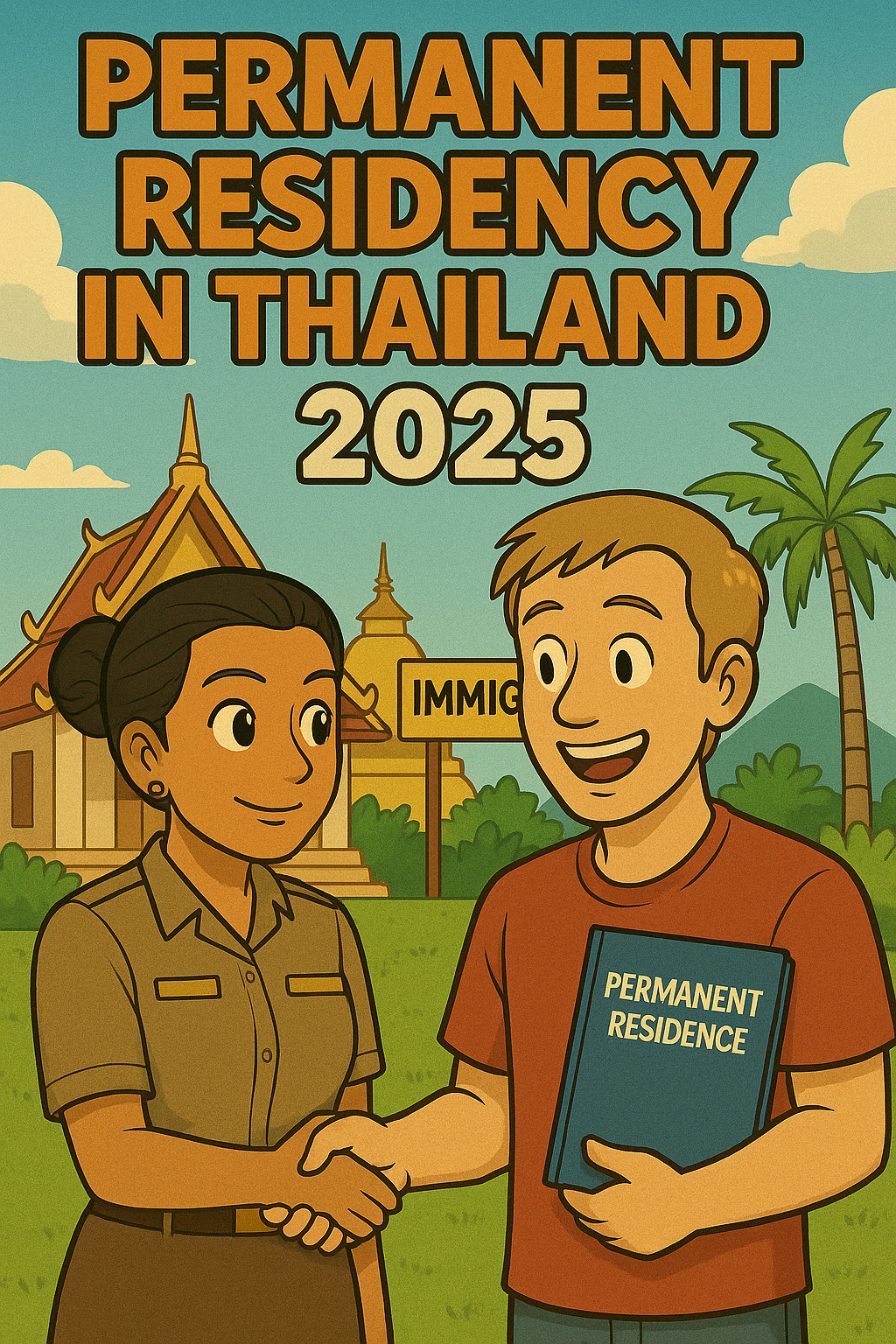
ทบทวนครั้งล่าสุด: 3 กันยายน 2569 ข้อความที่เป็นบทบัญญัติทางกฎหมายทุกข้อในหน้านี้ได้รับการตรวจสอบเทียบกับตัวบทกฎหมายรวบรวมของพระราชบัญญัติคนเข้าเมือง พ.ศ. 2522 หมวด 5 ทั้งฉบับ ได้แก่ มาตรา 40 (โควตาประจำปี ไม่เกินหนึ่งร้อยคนต่อหนึ่งประเทศ และห้าสิบคนสำหรับบุคคลไร้รัฐ), มาตรา 41 (การมีถิ่นที่อยู่เป็นการอนุญาตของคณะกรรมการพิจารณาคนเข้าเมืองโดยความยินยอมของรัฐมนตรี หลักเกณฑ์ที่คณะกรรมการต้องนำมาพิจารณา และสิทธิในการยื่นคำขอจากนอกราชอาณาจักร), มาตรา 42 (บุคคลผู้ได้รับการยกเว้นไม่ต้องอยู่ในโควตา), มาตรา 43 (ช่องทางการลงทุนสิบล้านบาท เพดานร้อยละห้าและการแสดงหลักฐานทางการเงินเป็นเวลาสองถึงห้าปี), มาตรา 44 (ลักษณะต้องห้าม), มาตรา 45 (สถานที่ยื่นคำขอและผลที่ตามมาหากการอนุญาตให้อยู่ชั่วคราวหมดอายุในระหว่างที่คำขอยังอยู่ระหว่างการพิจารณา), มาตรา 47 (กำหนดเวลาสามสิบวันในการรับใบสำคัญถิ่นที่อยู่) และมาตรา 48 มาตรา 50 และมาตรา 51 (กฎระเบียบเกี่ยวกับการเดินทาง การสลักหลัง และวิธีการได้มาซึ่งถิ่นที่อยู่คืนหากถิ่นที่อยู่นั้นสิ้นสภาพไป) นอกจากนี้ ได้มีการอ่านมาตรา 22 และมาตรา 36 เพื่อยืนยันว่าการอุทธรณ์ตามพระราชบัญญัตินี้ไม่ครอบคลุมถึงกรณีการปฏิเสธการให้ถิ่นที่อยู่ หนังสือทั้งสองเล่มได้รับการตรวจสอบเทียบกับพระราชบัญญัติการทะเบียนคนต่างด้าว พ.ศ. 2493 มาตรา 10, 11 และ 12 การทบทวนนี้ไม่ครอบคลุมถึงตารางคะแนนของคณะกรรมการพิจารณาคนเข้าเมือง รายการเอกสาร หรือวันที่เปิดรับคำขอ ซึ่งทั้งหมดนี้ไม่ได้มาจากพระราชบัญญัติและคณะกรรมการสามารถเปลี่ยนแปลงได้ในแต่ละปี และไม่ครอบคลุมถึงเรื่องราวส่วนบุคคลในบทความนี้ซึ่งเป็นของผู้เขียนเอง.
การขอสถานะผู้พำนักถาวรในประเทศไทยคืออะไร?
ถิ่นที่อยู่ถาวรเป็นการอนุญาตที่คณะกรรมการพิจารณาคนเข้าเมืองให้โดยความเห็นชอบของรัฐมนตรี ไม่ใช่สิทธิที่คุณได้รับเพียงเพราะมีคุณสมบัติครบ (มาตรา 41 แห่งพระราชบัญญัติคนเข้าเมือง). ในทางปฏิบัติ คุณยื่นคำขอหลังจากถือวีซ่าประเภทคนอยู่ชั่วคราว (Non-Immigrant) และได้รับอนุญาตให้อยู่ต่อเป็นรายปีติดต่อกันสามปี และต้องยื่นในขณะที่การอนุญาตให้อยู่ครั้งนั้นยังมีผล คุณยังต้องแข่งขันภายใต้โควตาที่ประกาศไว้ด้วย: พระราชบัญญัติกำหนดเพดานไว้ที่ หนึ่งร้อยคนต่อประเทศต่อปี, และห้าสิบคนสำหรับบุคคลไร้สัญชาติ (มาตรา 40) ขั้นตอนด้านล่างระบุว่ายื่นคำขอที่ใด คณะกรรมการพิจารณาสิ่งใด และจะเกิดอะไรขึ้นหากการอนุญาตให้อยู่ครั้งปัจจุบันของคุณสิ้นสุดลงระหว่างรอการพิจารณา
กระบวนการยื่นคำขออาจซับซ้อนและใช้เวลานาน การมีผู้เชี่ยวชาญด้านกฎหมายคอยให้ความช่วยเหลือจึงเป็นสิ่งสำคัญ เพื่อให้มั่นใจได้ว่ามีการปฏิบัติตามกฎระเบียบทั้งหมดและดำเนินการยื่นคำขออย่างถูกต้อง
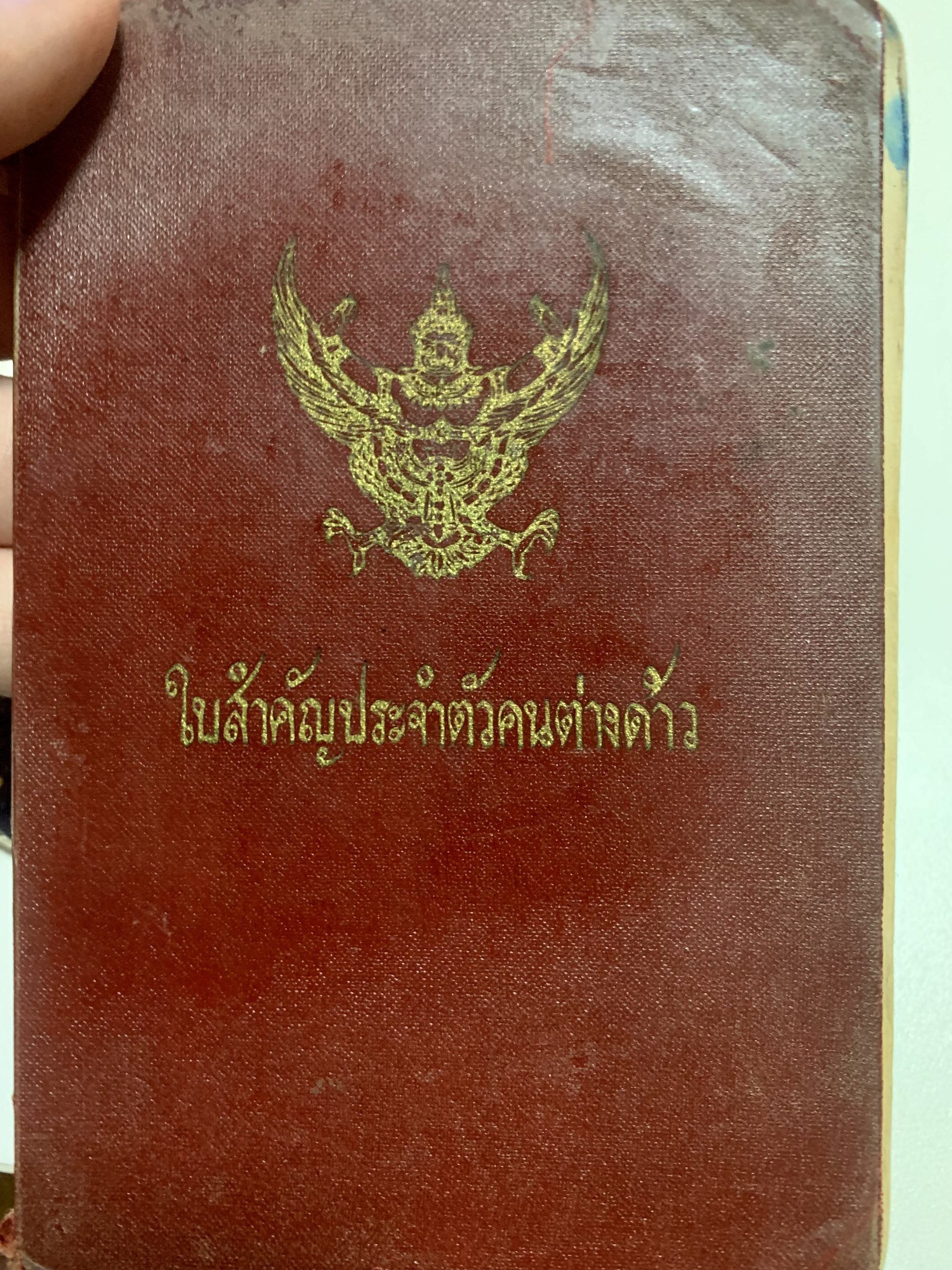
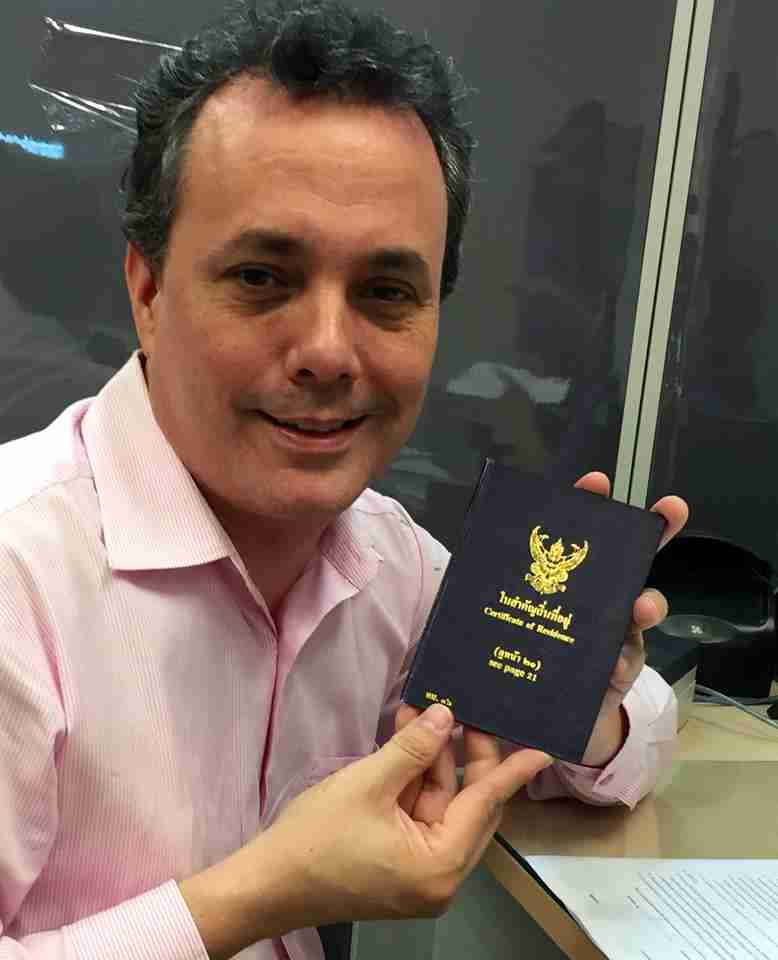
ถิ่นที่อยู่ถาวรมาพร้อมกับสมุดสองเล่ม และทั้งสองเล่มออกตาม กฎหมายสองฉบับที่แตกต่างกัน โดยหน่วยงานสองแห่งที่แตกต่างกัน, ซึ่งเป็นเหตุผลที่ทั้งสองเล่มมีผลแตกต่างกัน ใบสำคัญถิ่นที่อยู่ (ใบสำคัญถิ่นที่อยู่ หรือเล่มสีน้ำเงิน) ออกโดยตรวจคนเข้าเมืองภายใต้ มาตรา 47 ของพระราชบัญญัติคนเข้าเมือง และเป็นเล่มที่ต้องได้รับการสลักหลังก่อนที่คุณจะเดินทาง ส่วน ใบสำคัญประจำตัวคนต่างด้าว (ใบสำคัญประจำตัวคนต่างด้าว หรือ “สมุดเล่มแดง”) ออกโดยนายทะเบียนตำรวจตาม พระราชบัญญัติการทะเบียนคนต่างด้าว พ.ศ. 2493: มาตรา 10 ของพระราชบัญญัตินั้นกำหนดไว้สองประเภท คือประเภทที่มีอายุ หนึ่งปีหรือห้าปี, และมาตรา 11 กำหนดเพดานค่าธรรมเนียมในการออกหรือต่ออายุไว้ที่ 400 บาทต่อปี. โควตานี่แหละที่ทำให้เรื่องนี้ยาก และส่งผลไม่เท่ากันตามสัญชาติ: จีนและอินเดียใช้โควตาเต็มร้อยคน ส่วนประเทศส่วนใหญ่ไม่เคยเข้าใกล้เลย.
โควตานี้เป็นไปตามกฎหมาย และนี่คือบทบัญญัติ. มาตรา 40 แห่งพระราชบัญญัติคนเข้าเมือง พ.ศ. 2522 ให้อำนาจรัฐมนตรีโดยความเห็นชอบของคณะรัฐมนตรีในการประกาศในราชกิจจานุเบกษาถึงจำนวนคนต่างด้าวที่อาจเข้ามามีถิ่นที่อยู่ในราชอาณาจักรในแต่ละปี, แต่ไม่เกินหนึ่งร้อยคนต่อประเทศต่อปี, และไม่เกินห้าสิบคนต่อปีสำหรับบุคคลไร้รัฐ สำหรับวัตถุประสงค์ในการนับนั้น อาณานิคมของประเทศหนึ่ง ๆ รวมกัน หรือแต่ละดินแดนปกครองตนเอง ให้ถือว่าเป็นหนึ่งประเทศ.
มาตรา 41 คือสิ่งที่ทำให้การมีถิ่นที่อยู่เป็นการอนุญาต มิใช่สิทธิที่พึงได้ คนต่างด้าวจะเข้ามามีถิ่นที่อยู่ในราชอาณาจักรไม่ได้ ยกเว้น โดยได้รับอนุญาตจากคณะกรรมการพิจารณาคนเข้าเมืองและได้รับความเห็นชอบจากรัฐมนตรี, ภายในจำนวนที่ประกาศภายใต้มาตรา 40, และหลังจากได้รับใบสำคัญถิ่นที่อยู่ตาม มาตรา 47. นั่นคือสี่ด่าน และโควตาประจำปีเป็นเพียงด่านแรกเท่านั้น และนี่คือสาเหตุที่ใบสมัครที่แข็งแกร่งอาจไม่ผ่านในปีที่สัญชาติใดสัญชาติหนึ่งมีผู้สมัครเกินโควตา: เพดานถูกกำหนดไว้ที่ประเทศ ไม่ใช่ที่ตัวผู้สมัคร.
มาตรา 48 และ 50 คือมาตราที่ผู้มีถิ่นที่อยู่ถาวรรายใหม่จำเป็นต้องรู้มากที่สุด และเป็นมาตราที่มีการพูดถึงน้อยที่สุด ใบสำคัญถิ่นที่อยู่มีอายุใช้ได้ อย่างไม่มีกำหนด, แต่มาตรา 48 กลับระบุว่าใบสำคัญนั้น เป็นอันใช้ไม่ได้ทันทีที่ผู้ถือออกไปนอกประเทศไทย. สิ่งเดียวที่รักษาไว้ได้คือการสลักหลังตามมาตรา 50 ซึ่งต้องได้รับ ก่อน การออกเดินทาง ซึ่งหลังจากนั้นใบสำคัญจะยังคงใช้ได้ หากคุณเดินทางกลับ ภายในหนึ่งปี. มาตรา 50 กำหนดให้การสลักหลังนั้นมีอายุหนึ่งปี และให้คุณเดินทางออกและกลับเข้ามาได้บ่อยเท่าที่ต้องการภายในระยะเวลานั้น หากพลาดการสลักหลัง หรือ อยู่เกินกำหนดวีซ่า ระยะเวลาหนึ่งปีในต่างประเทศ และมาตรา 51 คือสิ่งที่คุณเหลืออยู่: การยื่นคำขอต่อคณะกรรมการเพื่อขอกลับมามีถิ่นที่อยู่อีกครั้ง ซึ่งจะพิจารณาจากว่าคุณมีเหตุอันสมควรหรือไม่ และใบสำคัญ ใหม่ ที่ต้องไปรับหากคำขอสำเร็จ ถิ่นที่อยู่ถาวรในประเทศไทยนั้นถาวรในแง่ของเวลา ไม่ใช่ในแง่ของภูมิศาสตร์.
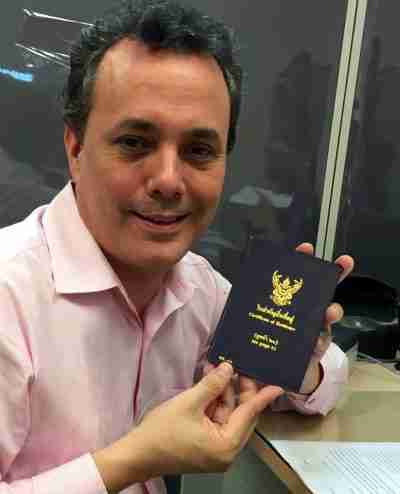
ฉันได้รับสถานะผู้พำนักถาวรในประเทศไทยตั้งแต่ปี 2558 ก่อนหน้านี้ ฉัน ต่ออายุวีซ่าของฉันเนื่องจากการแต่งงานกับพลเมืองไทยตอนนี้ฉันสามารถยื่นขอสัญชาติได้แล้ว
สิทธิประโยชน์ของการได้รับสถานะผู้พำนักถาวรในประเทศไทย
โดยปกติ การมีถิ่นที่อยู่ถาวรทำให้คุณอาศัยอยู่ในประเทศไทยได้โดยไม่ต้องขอขยายระยะเวลาการอยู่ชั่วคราวเป็นรายปีหรือรายงานตัวทุก 90 วัน คุณสามารถได้รับการลงทะเบียนในทะเบียนถิ่นที่อยู่และทะเบียนคนต่างด้าวที่เกี่ยวข้อง และอาจยื่นขอสัญชาติไทยได้ในภายหลังหากคุณมีคุณสมบัติตามข้อกำหนดที่แยกต่างหากของเรื่องนั้น.
ก่อนเดินทางไปต่างประเทศ โปรดตรวจสอบข้อกำหนดเรื่องการสลักหลังและการเดินทางกลับ ซึ่งช่วยรักษาสถานะการมีถิ่นที่อยู่ของคุณ หากคุณเดินทางออกนอกประเทศโดยไม่ได้รับการสลักหลังที่กำหนด หรืออยู่ในต่างประเทศเกินกว่าระยะเวลาที่อนุญาต อาจส่งผลกระทบต่อใบสำคัญถิ่นที่อยู่ของคุณ.
สิ่งที่การมีถิ่นที่อยู่ถาวรไม่ได้เปลี่ยนแปลง
การเป็นผู้พำนักถาวรไม่ได้ทำให้คุณเป็นพลเมืองไทย การเป็นผู้พำนักถาวรไม่ทำให้คุณมีสิทธิ์ลงคะแนนเสียง หรือสิทธิ์ทั่วไปในการครอบครองที่ดิน โดยปกติยังคงต้องมีใบอนุญาตทำงานแยกต่างหากจึงจะทำงานได้ ยกเว้นกรณีที่มีการยกเว้น ใบสำคัญประจำตัวคนต่างด้าว (เล่มสีแดง) ก็มีหน้าที่ในการต่ออายุและการรายงานของตนเองเช่นกัน.
ตรวจสอบเหตุแห่งการยื่นคำขอของคุณก่อนรวบรวมเอกสาร
การมีถิ่นที่อยู่ถาวรในประเทศไทยพิจารณาภายใต้โควตาประจำปีและหลักเกณฑ์ปัจจุบันของคณะกรรมการพิจารณาคนเข้าเมือง การมีคุณสมบัติครบตามรายการไม่ได้รับประกันว่าจะได้รับอนุญาต สำหรับผู้ยื่นส่วนใหญ่ที่ยื่นจากในประเทศไทย การได้รับอนุญาตให้อยู่ต่อแบบคนอยู่ชั่วคราวเป็นรายปีติดต่อกันสามปีคือจุดเริ่มต้นในทางปฏิบัติ ทั้งนี้ ประเภทที่ใช้กับคุณและหลักเกณฑ์การรับคำขอในขณะนั้นยังคงเป็นตัวกำหนด
คำขออาจอาศัยเหตุทางธุรกิจหรือการจ้างงาน, เหตุทางมนุษยธรรมหรือครอบครัว, คุณวุฒิผู้เชี่ยวชาญ, การลงทุน หรือความสัมพันธ์ที่เข้าเกณฑ์กับผู้มีถิ่นที่อยู่ถาวร. การต่ออายุเพื่อการเกษียณอายุ วีซ่าระยะยาว หรือการเป็นสมาชิก Thailand Privilege ไม่ได้ก่อให้เกิดประเภทการขอมีถิ่นที่อยู่ถาวรในตัวเอง. ข้อกำหนดด้านรายได้, ภาษี, การจ้างงาน, ความสัมพันธ์ และเอกสารอาจมีการเปลี่ยนแปลงระหว่างรอบการรับคำขอ ดังนั้นโปรดอย่าพึ่งพาตารางคะแนนเดิม.
ข้อมูลสำหรับการประเมินเบื้องต้น
กรุณาส่งข้อมูลสัญชาติของคุณ ประเภทคำขอที่คุณประสงค์จะยื่น หนังสือเดินทางฉบับปัจจุบันและฉบับก่อนหน้า ประวัติวีซ่าและการต่ออายุการอยู่ในราชอาณาจักร และคำขอมีถิ่นที่อยู่ถาวร (PR) ที่เคยยื่นไว้ หากเกี่ยวข้อง โปรดแนบใบอนุญาตทำงาน หลักฐานการจ้างงานและการเสียภาษีในประเทศไทย หรือรายละเอียดของสมาชิกในครอบครัวที่เป็นคนไทยหรือเป็นผู้มีถิ่นที่อยู่ถาวร และแจ้งให้เราทราบว่าคุณประสงค์จะยื่นในรอบปีใด เราจะระบุประเภทที่อาจเป็นไปได้และช่องว่างที่สำคัญก่อนจัดทำรายการตรวจสอบตามข้อกำหนดปัจจุบันของสำนักงานตรวจคนเข้าเมือง.
ความแตกต่างระหว่างการเป็นผู้พำนักถาวรและการเป็นพลเมืองในประเทศไทย
ข้อแตกต่างที่สำคัญระหว่างการมีถิ่นที่อยู่ถาวรและการมีสัญชาติในประเทศไทยเกี่ยวข้องกับสิทธิในการเลือกตั้ง นอกจากนี้ยังรวมถึงคุณสมบัติในการรับราชการ สิทธิในการถือครองที่ดิน ข้อกำหนดเรื่อง ใบอนุญาตทำงาน และการใช้หนังสือเดินทาง.
ปัจจัยเพิ่มเติมที่ใช้ในการตัดสินใจเลือกระหว่างสถานะทั้งสอง ได้แก่ จุดประสงค์ในการอาศัยอยู่ในประเทศไทย ความมั่นคงทางการเงิน ความสามารถทางภาษา และความสามารถในการปรับตัวเข้ากับวัฒนธรรม
จะขอมีถิ่นที่อยู่ถาวรในประเทศไทยได้อย่างไร
เพื่อขอรับใบอนุญาตพำนักถาวรในประเทศไทย ให้ทำตามขั้นตอนเหล่านี้: รวบรวมเอกสาร กรอกแบบฟอร์ม ชำระค่าธรรมเนียม และส่งเอกสารทั้งหมด จากนั้นจะมีการตรวจสอบและสัมภาษณ์ หากได้รับอนุมัติ คุณจะได้รับสมุดสองเล่ม เล่มสีฟ้าและเล่มสีแดง ระยะเวลาดำเนินการอาจแตกต่างกันไปตั้งแต่หลายเดือนจนถึงหลายปี
เงื่อนไขสำหรับผู้สมัครแต่ละประเภท
คณะกรรมการพิจารณาคนเข้าเมืองจะประเมินแต่ละคำขอตามเกณฑ์ปัจจุบัน ซึ่งรวมถึงหลักฐานด้านการทำงาน ภาษี ครอบครัว ภาษา และเอกสารสนับสนุนที่เกี่ยวข้อง เราจะตรวจสอบข้อกำหนดสำหรับประเภทและรอบการรับคำขอของคุณก่อนให้คำแนะนำเกี่ยวกับคุณสมบัติ.
บทบัญญัติการลงทุนแยกตามมาตรา 43 ของพระราชบัญญัติคนเข้าเมือง มีผลบังคับใช้กับเงินตราต่างประเทศที่ลงทุนในประเทศไทยจำนวนอย่างน้อย 10 ล้านบาท โดยขึ้นอยู่กับเงื่อนไขของตนเอง คำสั่งของคณะกรรมการและความเห็นชอบจากรัฐมนตรี ไม่ได้หมายถึงการซื้ออสังหาริมทรัพย์หรือการได้รับสิทธิ BOI แต่อย่างใด โปรดสอบถามเราเพื่อประเมินเส้นทางก่อนโอนเงินเพื่อวัตถุประสงค์นี้.
เมื่อคำขอมีถิ่นที่อยู่ถาวรได้รับอนุมัติ บุคคลนั้นสามารถพำนักและทำงานในประเทศไทยได้โดยไม่ต้องมีวีซ่า และยังสามารถนำสมาชิกในครอบครัวมาด้วยได้ แต่ยังคงต้องมีใบอนุญาตทำงานเพื่อการทำงาน เพื่ออาศัยอยู่ในประเทศไทยอย่างถาวร รัฐบาลไทยสามารถปฏิเสธคำขอได้ และ ไม่มีการอุทธรณ์. ข้อนี้ควรระบุให้แม่นยำ ไม่ใช่เล่าต่อกันมาแบบเรื่องเล่าลือ เพราะพระราชบัญญัตินี้มีการให้สิทธิอุทธรณ์ไว้ในเรื่องอื่น: มาตรา 22 ให้คนต่างด้าวที่ถูกปฏิเสธการเข้าเมืองอุทธรณ์ต่อรัฐมนตรีได้ภายใน 48 ชั่วโมง เว้นแต่กรณีที่ถูกปฏิเสธด้วยเหตุเรื่องหนังสือเดินทางหรือวีซ่า และกรณีที่รัฐมนตรีสั่งไม่อนุญาต และ มาตรา 36 ให้คนต่างด้าวที่ถูกเพิกถอนการอนุญาตให้อยู่ชั่วคราวอุทธรณ์ต่อคณะกรรมการพิจารณาคนเข้าเมืองได้. หมวด 5 ซึ่งว่าด้วยการมีถิ่นที่อยู่ ไม่มีบทบัญญัติเรื่องการอุทธรณ์ไว้เลย. การปฏิเสธก็คือการปฏิเสธ และทางออกคือการยื่นคำขอใหม่ในรอบรับคำขอครั้งหลัง.
การเตรียมคำขอให้มีน้ำหนัก
เริ่มต้นด้วยประเภทที่สอดคล้องกับประวัติการเข้าเมือง การทำงาน หรือครอบครัวของคุณอย่างแท้จริง เราตรวจสอบข้อกำหนดปัจจุบันและระบุหลักฐานที่ขาดหายไปก่อนที่คุณจะดำเนินการจัดทำใบรับรอง การแปล หรือการรับรองเอกสารซึ่งมีกำหนดเวลา คณะกรรมการและรัฐมนตรีเป็นผู้วินิจฉัยคำขอ และแฟ้มคำขอที่จัดเตรียมมาอย่างดีก็ไม่ได้เป็นหลักประกันว่าจะได้รับอนุมัติ.
เนื่องจากเอกสารมีความซับซ้อนและมีข้อกำหนดเพิ่มเติม การว่าจ้างสำนักงานกฎหมายจึงเป็นสิ่งที่ควรพิจารณาเมื่อยื่นขอสถานะผู้พำนักถาวร การทำความเข้าใจค่าธรรมเนียม ระยะเวลาดำเนินการ และขั้นตอนการยื่นคำขอเป็นสิ่งสำคัญก่อนที่จะดำเนินการขอสถานะทางกฎหมายนี้
ขั้นตอนการยื่นขอวีซ่าถาวรในประเทศไทยเป็นอย่างไร?
กระบวนการขอมีถิ่นที่อยู่ถาวรในประเทศไทยมีความละเอียดถี่ถ้วนและประกอบด้วยหลายขั้นตอน โดยปกติผู้ที่ประสงค์จะยื่นคำขอจะถือวีซ่าประเภทคนอยู่ชั่วคราว (non-immigrant visa) ที่ได้รับการต่ออายุเป็นรายปีติดต่อกันสามปีก่อนยื่นคำขอ กฎสามปีนี้เป็น เกณฑ์การพิจารณาของคณะกรรมการพิจารณาคนเข้าเมือง, ตามมาตรา 41 วรรคที่ 2 ซึ่งกำหนดให้ต้องพิจารณาจากรายได้ ทรัพย์สิน ความรู้ ความสามารถทางวิชาชีพ ความสัมพันธ์ทางครอบครัวกับพลเมืองไทย และความมั่นคงแห่งชาติ ไม่ถือเป็นข้อกำหนดตามกฎหมายโดยตรง และมาตรา 41 ยังอนุญาตให้ชาวต่างชาติยื่นคำร้องขอได้โดยชัดแจ้ง ก่อน เคยเดินทางเข้ามาในประเทศไทย รวมถึงหลังจากได้รับอนุญาตให้อยู่ชั่วคราวแล้ว โดยทั่วไปคำขอมีถิ่นที่อยู่ถาวรในประเทศไทยจะยื่นต่อ สำนักงานตรวจคนเข้าเมือง ในประเทศไทย ผู้สมัครต้องกรอกแบบฟอร์มใบสมัครเพื่อขออยู่ถาวร.
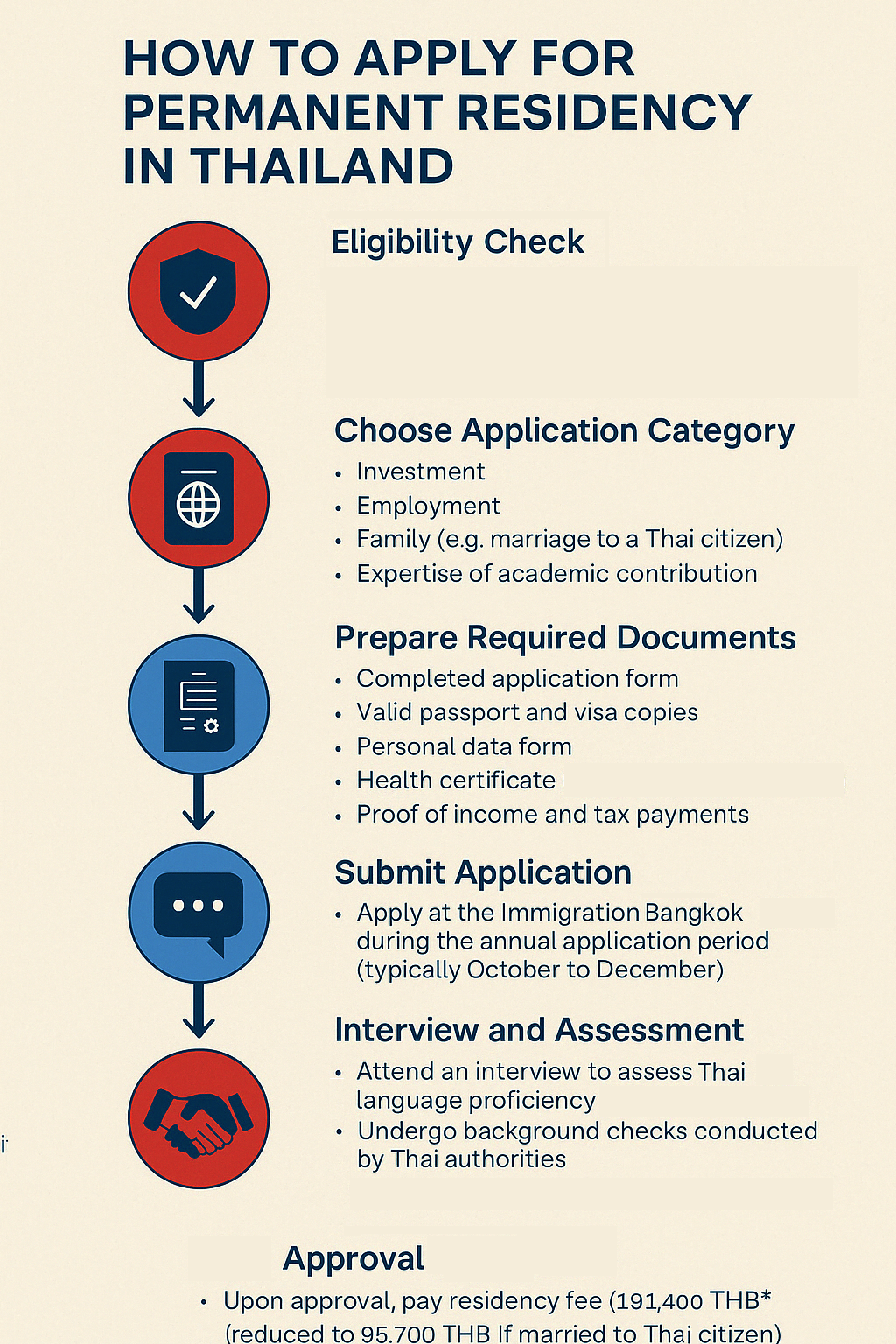
พวกเขาควรยื่นเอกสารสำคัญด้วยเช่นกัน เอกสารเหล่านี้รวมถึงหนังสือเดินทางที่ยังไม่หมดอายุ รูปถ่าย และหลักฐานการพำนักในประเทศไทยอย่างต่อเนื่อง การสัมภาษณ์และการทดสอบความสามารถทางภาษาไทยอาจเป็นส่วนหนึ่งของกระบวนการด้วยเช่นกัน รัฐบาลไทยเรียกเก็บค่าธรรมเนียมการยื่นคำขอ คำขอจะได้รับการพิจารณาวินิจฉัยโดย คณะกรรมการพิจารณาคนเข้าเมือง โดยความเห็นชอบของรัฐมนตรี ตามมาตรา 41 และ 45 แห่งพระราชบัญญัติ คณะกรรมการส่งเสริมการลงทุนไม่มีส่วนเกี่ยวข้อง และเส้นทาง BOI นั้นเป็นเรื่องที่ต่างออกไปโดยสิ้นเชิง กล่าวคือเป็นสิทธิประโยชน์ด้านการส่งเสริมการลงทุน มิใช่การมีถิ่นที่อยู่ตามพระราชบัญญัติคนเข้าเมือง คณะกรรมการจะพิจารณาจากสิ่งที่ผู้ยื่นคำขอได้ทำประโยชน์ให้แก่ประเทศ และยังพิจารณาว่าผู้ยื่นคำขอสามารถปรับตัวเข้ากับสังคมไทยได้ดีเพียงใด.
ถ้าคุณต้องการได้รับ สิทธิ์มีถิ่นที่อยู่ถาวรในประเทศไทย โปรดขอคำแนะนำและศึกษาเรื่องราวความสำเร็จอย่างเช่นของฉัน และเรื่องราวที่ลิงก์ไว้ในข้อความนี้.
เราได้ยื่นคำขอให้แก่ลูกค้าจำนวนมากในประเภทการทำงานและประเภทมนุษยธรรมจนประสบความสำเร็จมาแล้ว ติดต่อเราได้ที่ info@thailawonline.com หากคุณต้องการให้ ThaiLawOnline ช่วยเหลือคุณ.
ช่วงเวลารับคำขอมีถิ่นที่อยู่ถาวรในปัจจุบัน
การรับคำขอรอบล่าสุดที่ตรวจสอบแล้วเป็นของโควตาปี 2025 โดยเปิดรับคำขอตั้งแต่วันที่ 9 มีนาคม ถึง 3 เมษายน 2026; ช่วงเวลาดังกล่าวปิดแล้ว ยังไม่มีการยืนยันวันเปิดรับครั้งต่อไป โปรดอย่าสันนิษฐานว่าการรับคำขอจะเปิดในช่วงเดือนตุลาคมถึงธันวาคม โปรดตรวจสอบ ประกาศล่าสุดของสำนักงานตรวจคนเข้าเมือง ก่อนที่จะยึดถือกำหนดเวลาการยื่นคำขอ.
ช่วงเวลารับคำขอและกำหนดเวลาของเอกสาร
เตรียมเอกสารที่ไม่มีวันหมดอายุไว้ล่วงหน้า แต่ให้ขอใบรับรองความประพฤติจากตำรวจ เอกสารทางการแพทย์ และเอกสารอื่นที่มีอายุจำกัด หลังจากตรวจสอบหลักเกณฑ์การรับเอกสารของรอบการรับคำขอปัจจุบันแล้วเท่านั้น ใบรับรองจากตำรวจที่เกี่ยวข้องและการรับรองเอกสารใดๆ ขึ้นอยู่กับประเภทและประวัติส่วนตัวของคุณ เราจะตรวจสอบรายการเอกสารตามคำแนะนำอย่างเป็นทางการสำหรับคำขอของคุณ.
ข้อจำกัดโควต้า
ประเทศไทยกำหนดโควตาจำนวน ใบอนุญาตพำนักถาวร มีการให้สิทธิ์นี้ทุกปี โดยปกติจะอนุญาตให้ผู้สมัครไม่เกิน 100 คนต่อสัญชาติ ข้อจำกัดนี้เน้นย้ำถึงความสำคัญของการยื่นใบสมัครให้ทันเวลาและถูกต้อง เว้นแต่คุณจะเป็นชาวจีนหรือชาวอินเดีย โปรดทราบว่าโควต้าจำนวนนี้แทบจะไม่ถึงเลย ในปี 2015 เมื่อฉันได้รับสถานะผู้พำนักถาวรในประเทศไทย มีชาวแคนาดาเพียง 3 คนเท่านั้น และมีผู้ได้รับการอนุมัติเพียงประมาณ 275 คน
สิ่งสำคัญที่ควรทราบคือ โควตาอาจมีการเปลี่ยนแปลงในแต่ละปีตามระเบียบของรัฐบาล การติดตามข้อมูลเกี่ยวกับการเปลี่ยนแปลงเหล่านี้จากช่องทางที่เชื่อถือได้จะช่วยให้คุณเตรียมตัวสำหรับการสมัครได้ดียิ่งขึ้น บางปีอาจมีจำนวนโควตาน้อยกว่าปกติ ซึ่งอาจเกิดขึ้นเนื่องจากมีผู้สมัครมากขึ้นหรือเนื่องจากนโยบายของรัฐบาล นโยบายเหล่านี้มีจุดมุ่งหมายเพื่อบริหารจัดการชาวต่างชาติให้ดียิ่งขึ้น
การเตรียมเอกสารที่จำเป็น
เพื่อให้กระบวนการยื่นคำขอดำเนินไปอย่างราบรื่น ควรเริ่มเตรียมเอกสารที่จำเป็นไว้ล่วงหน้าตั้งแต่เนิ่น ๆ เอกสารสำคัญที่ควรเตรียมมีดังนี้:
- ใบรับรองประวัติอาชญากรรมจากตำรวจ: ขอรับได้จากประเทศบ้านเกิดของคุณ หรือประเทศใดก็ได้ที่เคยอยู่อาศัยมาเป็นระยะเวลานาน
- ใบรับรองแพทย์: ขอใบรับรองสุขภาพจากโรงพยาบาลของรัฐที่ได้รับการรับรอง
- งบการเงิน: โปรดแสดงหลักฐานความมั่นคงทางการเงินของคุณ เช่น ใบแจ้งยอดบัญชีธนาคาร หรือหลักฐานแสดงรายได้
โปรดตรวจสอบให้แน่ใจว่าเอกสารเหล่านี้เป็นปัจจุบันและตรงตามข้อกำหนดที่กำหนดโดยสำนักงานตรวจคนเข้าเมืองของไทย
คำแนะนำสำหรับผู้สมัคร
- ติดตามข่าวสารล่าสุด: ตรวจสอบเว็บไซต์ทางการของสำนักงานตรวจคนเข้าเมืองอย่างสม่ำเสมอเพื่อติดตามประกาศช่วงเวลารับคำขอในปัจจุบัน ช่วงเวลารับคำขอจะประกาศเป็นรายปีและวันที่จะเปลี่ยนแปลงไป
- การเตรียมตัวล่วงหน้า: เริ่มรวบรวมและเตรียมเอกสารของคุณตั้งแต่ตอนนี้ เพื่อให้แน่ใจว่าเอกสารจะพร้อมเมื่อถึงกำหนดเปิดรับสมัคร
- ปรึกษาผู้เชี่ยวชาญ: ลองขอคำแนะนำจากผู้เชี่ยวชาญด้านกฎหมายหรือที่ปรึกษาด้านการเข้าเมืองที่คุ้นเคยกับการยื่นขอใบอนุญาตพำนักในประเทศไทย เพื่อเพิ่มโอกาสในการประสบความสำเร็จ หากคุณต้องการความช่วยเหลือ ThaiLawOnline ก็สามารถช่วยคุณได้
นอกจากนี้ การเชื่อมต่อกับชุมชนชาวต่างชาติทางออนไลน์ยังสามารถให้การสนับสนุนและประสบการณ์ตรงจากผู้ที่ประสบความสำเร็จในการขอถิ่นพำนักถาวรได้อีกด้วย แพลตฟอร์มต่างๆ เช่น กลุ่มเฟซบุ๊กหรือฟอรัมสำหรับชาวต่างชาติในประเทศไทยเป็นแหล่งข้อมูลที่ดีเยี่ยมสำหรับการรวบรวมเคล็ดลับ ชุมชนเหล่านี้มักจะแบ่งปันเรื่องราวส่วนตัว ซึ่งสามารถสร้างแรงบันดาลใจและให้ข้อมูลที่เป็นประโยชน์อย่างมาก
ด้วยการเตรียมตัวล่วงหน้าและติดตามข้อมูลข่าวสารอย่างสม่ำเสมอ คุณจะสามารถรับมือกับสถานการณ์ต่างๆ ได้ ขั้นตอนการยื่นขอถิ่นพำนักถาวรในประเทศไทย มีประสิทธิภาพมากขึ้น
ข้อมูลการเข้าเมืองอย่างเป็นทางการ
ตรวจสอบ ข้อมูลการขอมีถิ่นที่อยู่ของสำนักงานตรวจคนเข้าเมือง สำหรับประกาศ แบบฟอร์ม และเกณฑ์การพิจารณาในปัจจุบัน การขยายระยะเวลาการอยู่เพื่อการเกษียณอายุเป็นประเภทการอยู่ชั่วคราว และไม่ได้ทำให้ผู้ยื่นคำขอมีคุณสมบัติขอมีถิ่นที่อยู่ถาวรโดยอัตโนมัติ.
คำถามที่พบบ่อยเกี่ยวกับการขอถิ่นพำนักถาวรในประเทศไทย
การได้รับสถานะผู้พำนักถาวรในประเทศไทยมีประโยชน์อย่างไรบ้าง?
การพำนักถาวรมักจะอนุญาตให้พำนักได้โดยไม่มีกำหนด ไม่ต้องต่ออายุการพำนักเป็นระยะเวลาหนึ่งปี หรือต้องรายงานการพำนักเป็นระยะเวลา 90 วัน การมีสิทธิ์นี้ไม่ได้หมายความว่าจะได้รับสัญชาติ หรือสิทธิ์ในการลงคะแนนเสียง หรือสิทธิ์ทั่วไปในการครอบครองที่ดิน โดยปกติยังคงต้องมีใบอนุญาตทำงานจึงจะทำงานได้.
การขอสถานะผู้พำนักถาวรแตกต่างจากวีซ่าประเภทอื่นอย่างไร?
แตกต่างจากวีซ่าชั่วคราวหรือการต่ออายุประจำปี การอยู่อาศัยถาวรเป็นสถานะที่แยกต่างหากภายใต้พระราชบัญญัติคนเข้าเมือง ก่อนเดินทางออกจากประเทศไทย ให้ขอรับการสลักหลังที่จำเป็นและเดินทางกลับภายในระยะเวลาที่กำหนดเพื่อรักษาใบสำคัญถิ่นที่อยู่.
การเป็นผู้พำนักถาวรเหมือนกับการเป็นพลเมืองไทยหรือไม่?
ไม่ ถิ่นที่อยู่ถาวรไม่ได้ให้หนังสือเดินทางไทยหรือสิทธิเลือกตั้ง และไม่ได้ให้สิทธิทั่วไปแก่ชาวต่างชาติในการถือครองที่ดิน การได้สัญชาติไทยต้องยื่นคำขอแยกต่างหากตามหลักเกณฑ์เฉพาะของเรื่องนั้น.
วิธีการสมัครขอวีซ่าถาวรในประเทศไทย?
ตรวจสอบรอบการรับคำขอปัจจุบันของสำนักงานตรวจคนเข้าเมืองและประเภทคำขอที่ใช้กับคุณก่อน เราตรวจสอบประวัติวีซ่าและการต่ออายุของคุณ หลักฐานการทำงานและภาษี หรือหลักฐานด้านครอบครัว จากนั้นจัดทำรายการเอกสารเฉพาะประเภทและคำขอ.
โดยทั่วไปแล้วกระบวนการสมัครใช้เวลานานแค่ไหน?
กระบวนการนี้มักใช้เวลามากกว่าหนึ่งปี คณะกรรมการพิจารณาคนเข้าเมืองและหน่วยงานอื่นๆ เป็นผู้ควบคุมการประเมินและตัดสินใจ ดังนั้นบริษัทใดก็ไม่สามารถรับประกันวันที่จะได้รับอนุมัติได้.
ฉันจำเป็นต้องมีใบอนุญาตทำงานเพื่อยื่นขอถิ่นพำนักถาวรหรือไม่?
ขึ้นอยู่กับประเภทของคำขอ คำขอประเภทการทำงานต้องมีหลักฐานการทำงานและการเสียภาษีที่เกี่ยวข้อง ผู้ยื่นคำขอประเภทครอบครัวอาจมีเกณฑ์ที่แตกต่างกัน โปรดตรวจสอบประกาศฉบับปัจจุบันก่อนที่จะสรุปว่าจำเป็นต้องมีใบอนุญาตทำงานหรือไม่.
บุคคลที่แต่งงานกับพลเมืองไทยสามารถยื่นขอวีซ่าถาวรได้หรือไม่?
ใช่ ความสัมพันธ์ที่สอดคล้องกับชาวไทยอาจเป็นเหตุผลที่นำมาพิจารณาตามหลักมนุษยธรรมหรือหลักครอบครัวได้ การแต่งงานเพียงอย่างเดียวไม่ได้รับประกันว่าจะมีคุณสมบัติหรือได้รับการอนุมัติ โดยเกณฑ์การรับสมัครปัจจุบันกำหนดหลักเกณฑ์ที่เกี่ยวข้องกับระยะเวลาที่ต้องอยู่อาศัย รายได้ และเอกสารสนับสนุน.
มีข้อกำหนดทางการเงินที่ต้องพิจารณาหรือไม่?
ใช่ โดยหลักเกณฑ์ของหมวดหมู่ปัจจุบันอาจต้องมีการแสดงหลักฐานการมีรายได้ การเสียภาษี สินทรัพย์ หรือการสนับสนุนจากครอบครัว โดยไม่มีเกณฑ์ทางด้านการเงินเดียวที่เหมาะกับผู้สมัครทุกคน.
ผู้สมัครจะเพิ่มโอกาสในการได้รับการอนุมัติได้อย่างไร?
ระบุประเภทที่ถูกต้องรักษาสถานะตามกฎหมาย และยื่นหลักฐานที่ครบถ้วนและถูกต้องตามประกาศฉบับปัจจุบัน การเตรียมการไม่สามารถรับประกันการอนุมัติได้: โควตารายปีและผลการประเมินของหน่วยงานยังคงมีผลบังคับใช้.
จะรักษาสถานะผู้พำนักถาวรในประเทศไทยได้อย่างไร?
ผู้มีถิ่นที่อยู่ถาวรไม่อยู่ในบังคับของการรายงานตัวทุก 90 วันต่อสำนักงานตรวจคนเข้าเมือง เนื่องจากมาตรา 37 แห่งพระราชบัญญัติคนเข้าเมืองใช้บังคับเฉพาะคนต่างด้าวที่ได้รับอนุญาตให้อยู่ชั่วคราวเท่านั้น หน้าที่ที่ใช้บังคับจริงคือหน้าที่ต่อนายทะเบียนตำรวจตามพระราชบัญญัติการทะเบียนคนต่างด้าว พ.ศ. 2493 ได้แก่ การแจ้งต่อนายทะเบียนก่อนย้ายภูมิลำเนาและแจ้งอีกครั้งภายใน 48 ชั่วโมงหลังจากเดินทางถึงภูมิลำเนาใหม่ การแจ้งต่อนายทะเบียนหากพำนักอยู่นอกจังหวัดของตนเกินเจ็ดวัน และการต่ออายุใบสำคัญประจำตัวคนต่างด้าวเมื่อหมดอายุ หน้าที่ที่ทำให้เสียสถานะได้จริงคือการเดินทาง มาตรา 48 ทำให้ใบสำคัญถิ่นที่อยู่เป็นอันใช้ไม่ได้ทันทีที่คุณเดินทางออกจากประเทศไทย เว้นแต่คุณจะได้รับการสลักหลังตามมาตรา 50 ไว้ก่อนและเดินทางกลับภายในหนึ่งปี.
ขณะนี้เปิดรับคำขอมีถิ่นที่อยู่ถาวรในประเทศไทยหรือไม่
การรับคำขอรอบล่าสุดที่ตรวจสอบแล้ว สำหรับโควตาปี 2025 เปิดรับตั้งแต่วันที่ 9 มีนาคม ถึง 3 เมษายน 2026 และปิดรับแล้ว ยังไม่มีการยืนยันวันเปิดรับครั้งต่อไป โปรดตรวจสอบประกาศของสำนักงานตรวจคนเข้าเมืองก่อนรวบรวมเอกสารที่มีอายุจำกัด.
การเกษียณอายุเป็นประเภทหนึ่งของการขอมีถิ่นที่อยู่ถาวรหรือไม่
ไม่ การต่ออายุเพื่อการเกษียณอายุเป็นการอยู่ในราชอาณาจักรเป็นการชั่วคราว ไม่ได้ทำให้มีสิทธิ์ขอมีถิ่นที่อยู่ถาวรโดยอัตโนมัติ ประเภทและเกณฑ์การขอมีถิ่นที่อยู่ถาวรในปัจจุบันต้องได้รับการพิจารณาแยกต่างหาก.
การมีถิ่นที่อยู่ถาวรจะทำให้ชาวต่างชาติเป็นเจ้าของที่ดินได้หรือไม่
ไม่ การมีถิ่นที่อยู่ถาวรไม่ได้ให้สิทธิ์ทั่วไปแก่ชาวต่างชาติในการเป็นเจ้าของที่ดิน หลักเกณฑ์ขึ้นอยู่กับประเภททรัพย์สินและกฎหมายทรัพย์สินที่เกี่ยวข้อง.
หากฉันมีคุณสมบัติตามข้อกำหนดที่ประกาศไว้ จะรับประกันได้หรือไม่ว่าจะได้รับการอนุมัติ?
ไม่ การให้มีถิ่นที่อยู่เป็นดุลพินิจของเจ้าหน้าที่ โดยขึ้นอยู่กับโควตา การอนุญาตของคณะกรรมการพิจารณาคนเข้าเมือง และการอนุมัติของรัฐมนตรี.
คำถามและคำตอบเพิ่มเติม
ใครบ้างที่สามารถสมัครขอถิ่นที่อยู่ถาวรในประเทศไทยได้
ชาวต่างชาติที่ถือวีซ่าประเภทคนอยู่ชั่วคราว (Non-Immigrant Visa) ซึ่งได้รับการต่ออายุเป็นประจำทุกปี ติดต่อกันอย่างน้อยสามปี และมีคุณสมบัติตามเกณฑ์รายได้ การจ้างงาน หรือครอบครัว.
การมีถิ่นที่อยู่ถาวรในประเทศไทยมีประโยชน์อย่างไร?
คุณสามารถอาศัยอยู่ในประเทศไทยได้อย่างไม่มีกำหนดโดยไม่ต้องต่ออายุรายปีหรือรายงานตัวทุก 90 วัน สามารถลงชื่อในทะเบียนบ้าน และเข้าใกล้การเป็นพลเมืองได้.
ใช้เวลานานเท่าใดในการขอรับถิ่นที่อยู่ถาวรของไทย
กระบวนการยื่นขอโควตาประจำปีมักใช้เวลาหนึ่งปีหรือมากกว่านั้น รวมถึงการสัมภาษณ์และขั้นตอนการอนุมัติหลายขั้นตอน.
มีโควตาสำหรับถิ่นที่อยู่ถาวรของไทยหรือไม่
ใช่ ประเทศไทยจำกัดการพำนักในราชอาณาจักรเป็นการถาวรไว้ไม่เกิน 100 คนต่อสัญชาติในแต่ละปี.
ผู้ถือถิ่นที่อยู่ถาวรยังต้องมีใบอนุญาตทำงานหรือไม่?
ใช่ การเป็นผู้พำนักถาวรอนุญาตให้พำนักได้ไม่จำกัด แต่ยังคงต้องมีใบอนุญาตทำงานแยกต่างหากจึงจะสามารถทำงานได้.
บริการช่วยเหลือการขอมีถิ่นที่อยู่ถาวรของ ThaiLawOnline
เราจะประเมินประเภทคำขอที่เป็นไปได้ของคุณ ตรวจสอบประวัติของคุณ และจัดทำรายการตรวจสอบตามข้อกำหนดการรับคำขอในปัจจุบัน บริการที่ตกลงกันอาจรวมถึงการจัดเตรียมและตรวจสอบเอกสาร การช่วยเหลือในการยื่นคำขอ การเตรียมความพร้อมสำหรับการสัมภาษณ์และภาษาไทย และการให้คำแนะนำหลังได้รับอนุมัติ เราจะยืนยันขอบเขตการให้บริการที่แน่ชัดเป็นลายลักษณ์อักษร.
คณะกรรมการพิจารณาคนเข้าเมืองและหน่วยงานที่เกี่ยวข้องจะเป็นผู้พิจารณาคำขอและกำหนดระยะเวลา โดยเราไม่สามารถรับรองการอนุมัติหรือการตัดสินใจใดๆ ได้ภายในระยะเวลา 12 หรือ 18 เดือน โปรดทราบว่า หลายกรณีใช้เวลานานกว่าหนึ่งปี.
ก่อนที่จะจ่ายเงินสำหรับบริการทั้งหมด, จองคิวปรึกษา เพื่อให้เราประเมินประเภทคำขอ ประวัติการเข้าเมือง และเอกสารของคุณได้ หากจำเป็นต้องใช้ใบรับรองความประพฤติจากตำรวจไทย โปรดดู คู่มือการขอใบรับรองความประพฤติจากตำรวจ.
ค่าธรรมเนียมของเราสำหรับการยื่นคำขอมีถิ่นที่อยู่ถาวร
ค่าบริการวิชาชีพของเราสำหรับการยื่นคำขอมีถิ่นที่อยู่ถาวรคือ 75,000 บาท, ขึ้นอยู่กับขอบเขตที่ได้รับการยืนยันในข้อตกลงเป็นลายลักษณ์อักษร ค่าธรรมเนียมของรัฐ การแปล การรับรองเอกสาร ใบรับรองต่างๆ ค่าจัดส่งเอกสาร ค่าเดินทาง และค่าใช้จ่ายอื่นๆ ของบุคคลภายนอกเป็นค่าใช้จ่ายแยกต่างหาก เว้นแต่จะระบุไว้โดยชัดแจ้งว่ารวมอยู่ในใบเสนอราคาของเรา.
ระยะเวลาการยื่นเอกสารและกำหนดการพิจารณาขึ้นอยู่กับประกาศอย่างเป็นทางการและการดำเนินการ เราจะยืนยันข้อมูลการรับสมัครปัจจุบันและขั้นตอนที่คาดว่าจะเกิดขึ้นก่อนเริ่มดำเนินการ โปรดดู ค่าธรรมเนียมทั้งหมดของเรา.
ลองด้วยตัวคุณเองก่อน ฟรี
คุณไม่ต้องจองอะไรเพื่อเริ่มต้นใช้งาน สิ่งเหล่านี้ทำงานในเบราว์เซอร์ของคุณ และคุณจะจ่ายเงินให้เราก็ต่อเมื่อคุณตัดสินใจว่าต้องการให้มีทนายความเข้ามาเกี่ยวข้องเท่านั้น.
ตัวช่วยค้นหาวีซ่าไทย ฟรี
ตอบคำถามสั้น ๆ แล้วดูว่าวีซ่าไทยแบบใดเหมาะกับสถานการณ์ของท่านจริง ๆ
เปิดเครื่องมือถามผู้ช่วย AI ของเรา ฟรี
เรียนรู้จากกฎหมายไทยและคำพิพากษาศาลฎีกากว่า 77,000 คดี ถามได้ทุกเรื่อง ฟรี
ข่าวสารกฎหมายไทย ฟรีทางอีเมล
อัปเดตข่าวสารเป็นภาษาอังกฤษที่เข้าใจง่ายเกี่ยวกับการเปลี่ยนแปลงของกฎหมายไทยที่ส่งผลกระทบต่อชาวต่างชาติ: อสังหาริมทรัพย์, วีซ่า, การสมรส, ธุรกิจ และพินัยกรรม จดหมายข่าวสั้นเพียงฉบับเดียวต่อเดือน จากสำนักงานกฎหมายที่ดำเนินงานมาตั้งแต่ปี 2549 ไม่มีการส่งสแปม ยกเลิกรับได้ทุกเมื่อ.