


ตรวจสอบโดย ThaiLawOnline สำนักงานกฎหมายไทยที่ได้รับใบอนุญาตและดำเนินกิจการในประเทศไทยตั้งแต่ปี พ.ศ. 2549 ทนายความผู้รับผิดชอบสำนวน: Wichuda Atthamethakon, น.ม., ใบอนุญาตให้เป็นทนายความ เลขที่ 3149/2556.
ปรับปรุงล่าสุดเมื่อ
ตรวจสอบล่าสุด: 25 กันยายน 2026 คำพิพากษาศาลฎีกาทั้งสามฉบับที่อ้างถึงด้านล่าง ได้แก่ 7189/2562, 7364/2558 และ 15649-15650/2558 ได้อ่านเป็นภาษาไทยจนถึงส่วนคำพิพากษา พร้อมบทบัญญัติที่ศาลใช้: ประมวลกฎหมายแพ่งและพาณิชย์ มาตรา 379, 383 และ 583 พระราชบัญญัติคุ้มครองแรงงาน พ.ศ. 2541 มาตรา 14/1 และ 119 และพระราชบัญญัติว่าด้วยข้อสัญญาที่ไม่เป็นธรรม พ.ศ. 2540 มาตรา 5 สิ่งที่ไม่ได้ตรวจสอบในการตรวจสอบครั้งนี้: พระราชบัญญัติความลับทางการค้า พ.ศ. 2545 คำแนะนำในการร่างสัญญา และหัวข้อเรื่อง NDA ในต่างประเทศ ซึ่งเป็นแนวทางทั่วไปมากกว่ากฎหมายไทย ตรวจสอบอีกครั้งเมื่อวันที่ 6 ตุลาคม 2026: อ่านพระราชบัญญัติความลับทางการค้า พ.ศ. 2545 ที่แก้ไขเพิ่มเติมในปี 2558 มาตรา 3, 6, 7, 8, 13 และ 33 เป็นภาษาไทย และได้เพิ่มบทนิยาม หลักเกณฑ์การละเมิด และการเยียวยาตามพระราชบัญญัตินี้ลงในหัวข้อว่าด้วยผลผูกพันของ NDA ส่วนคำแนะนำในการร่างสัญญาและหัวข้อเรื่อง NDA ในต่างประเทศยังคงเป็นแนวทางทั่วไป.
ข้อตกลง NDA ในประเทศไทย (Non Disclosure Agreements) เป็นข้อตกลงทางกฎหมายที่สำคัญที่ช่วยปกป้องข้อมูลทางธุรกิจที่เป็นความลับไม่ให้ถูกเปิดเผยหรือนำไปใช้โดยไม่เหมาะสม ในประเทศไทย ข้อตกลง NDA มีพื้นฐานทางกฎหมายหลักมาจาก ประมวลกฎหมายแพ่งและพาณิชย์, ซึ่งควบคุมสัญญาโดยทั่วไป NDA จะมีผลสมบูรณ์เมื่อเป็นไปตามหลักการพื้นฐานของสัญญา หลักการเหล่านี้รวมถึงการมีวัตถุประสงค์ที่ชอบด้วยกฎหมาย ความยินยอมร่วมกัน และความสามารถในการทำสัญญา.
ข้อตกลงการรักษาความลับ (NDA) มักเป็นสัญญาฉบับแรกที่บริษัทใหม่เซ็น: ดูคู่มือของเราได้ที่ การจัดตั้งธุรกิจในประเทศไทย.
ในประเทศไทย ข้อตกลงรักษาความลับ (NDA) เป็นที่นิยมใช้กันในบริษัทต่างๆ ในหลากหลายอุตสาหกรรม เพื่อปกป้องข้อมูลที่เป็นความลับ เช่น ความลับทางการค้า ข้อมูล กลยุทธ์ และข้อมูลสำคัญต่างๆ
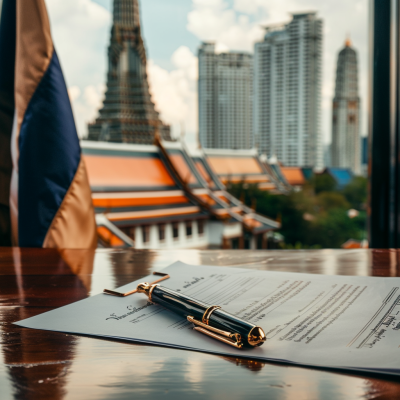
คดีที่เกี่ยวข้องกับข้อตกลงรักษาความลับในประเทศไทย
ข้อตกลงรักษาความลับ (NDA) ถูกนำมาใช้กันอย่างแพร่หลายในบริษัทต่างๆ ในประเทศไทยในหลากหลายภาคส่วน เช่น เทคโนโลยี การผลิต การเงิน และอื่นๆ ข้อตกลงเหล่านี้มีจุดประสงค์เพื่อปกป้องความลับทางการค้า ข้อมูลที่เป็นกรรมสิทธิ์ กลยุทธ์ทางธุรกิจ และข้อมูลที่เป็นความลับอื่นๆ ตัวอย่างข้อตกลง NDA ที่มีชื่อเสียงในประเทศไทย ได้แก่:
- ศาลฎีกา พิพากษาคดีหนึ่งที่พนักงานถูกไล่ออกจากงานหลังจากส่งต่อข้อมูลลับที่เกี่ยวข้องกับการทำงานให้แก่บัญชีอีเมลส่วนตัว (คำพิพากษาศาลฎีกาที่ 7189/2562) ศาลระบุว่าการตัดสินใจไล่พนักงานออกจากงานของนายจ้างนั้นเป็นไปตามหลักเกณฑ์ที่ถูกต้องและชอบด้วยกฎหมาย โดยไม่จำเป็นต้องแจ้งให้พนักงานทราบล่วงหน้าหรือเตือนให้ทราบก่อนการเลิกจ้าง นอกจากนี้ พนักงานไม่มีสิทธิ์ได้รับค่าชดเชยหรือ ค่าชดเชย เมื่อเลิกจ้างแล้ว พนักงานได้ลงนามในสัญญาความลับ และเอกสารดังกล่าวระบุถึงธุรกิจและการบริหารจัดการของนายจ้าง และเป็นสิ่งที่นายจ้างมีข้อผูกพันตามสัญญาไม่ให้คัดลอกหรือเปิดเผยต่อบุคคลภายนอก การส่งไปยังบัญชีอีเมลส่วนตัวทำให้สามารถส่งต่อหรือนำเอกสารดังกล่าวไปได้นอกเหนือการควบคุมของนายจ้าง ซึ่งศาลได้ถือว่าเป็นการปฏิบัติหน้าที่ที่ไม่สุจริตและเป็นการละเมิดกฎระเบียบการทำงานอย่างร้ายแรง ดังนั้นการเลิกจ้างจึงไม่จำเป็นต้องจ่ายค่าชดเชยการเลิกจ้าง (มาตรา 119(2) และ (4) แห่งพระราชบัญญัติคุ้มครองแรงงาน) และไม่มีการแจ้งให้ทราบล่วงหน้า (มาตรา 583 แห่งประมวลกฎหมายแพ่งและพาณิชย์) และไม่ถือเป็นการเลิกจ้างที่ไม่เป็นธรรม ศาลฎีกาจึงพิพากษากลับคำพิพากษาของศาลล่างและให้ยกฟ้องของลูกจ้าง.
คำพิพากษาศาลฎีกาที่ 7364/2558 เป็นคดีหลักในเรื่องข้อจำกัดที่มักมาคู่กับ NDA หัวหน้างานฝ่ายผลิตของบริษัทผู้ผลิตเครื่องสำอางได้ตกลงว่าจะไม่ทำงานให้กับคู่แข่งเป็นเวลาหนึ่งปีหลังจากลาออก ศาลวินิจฉัยว่าหนึ่งปีเป็นระยะเวลาที่สมเหตุสมผล ข้อจำกัดดังกล่าวจึงไม่ทำให้ลูกจ้างต้องรับภาระมากกว่าที่จะพึงคาดหมายได้ตามปกติ และเป็นธรรมตามมาตรา 5 ของพระราชบัญญัติว่าด้วยข้อสัญญาที่ไม่เป็นธรรม พ.ศ. 2540 เงิน 500,000 บาทที่ตกลงกันไว้สำหรับการผิดสัญญาเป็นเบี้ยปรับ (มาตรา 379 แห่งประมวลกฎหมายแพ่งและพาณิชย์) ซึ่งศาลอาจลดลงได้หากสูงเกินส่วน (มาตรา 383) และคดีถูกส่งกลับไปยังศาลแรงงานกลางเพื่อกำหนดจำนวนเงิน คำพิพากษาศาลฎีกาที่ 15649-15650/2558 ซึ่งบางครั้งถูกอ้างถึงควบคู่กัน ไม่ใช่คดีเกี่ยวกับ NDA: คดีนั้นเกี่ยวกับข้อมูลลับที่ส่งให้แก่เจ้าหน้าที่ในการไต่สวนการทุ่มตลาดตามพระราชบัญญัติการตอบโต้การทุ่มตลาดและการอุดหนุนซึ่งสินค้าจากต่างประเทศ พ.ศ. 2542.
เนื้อหาของข้อตกลงรักษาความลับ (NDA) ในประเทศไทย
- แม้ว่าจะต้องปฏิบัติตามหลักการทำสัญญาโดยทั่วไป แต่ข้อตกลงรักษาความลับ (NDA) ที่ร่างขึ้นอย่างดีควรมีองค์ประกอบสำคัญหลายประการ:
- นิยามของข้อมูลที่เป็นความลับ: ระบุอย่างชัดเจนว่าข้อมูลใดบ้างที่อยู่ภายใต้การคุ้มครอง เช่น ข้อมูลทางเทคนิค กระบวนการทางธุรกิจ บันทึกทางการเงิน เป็นต้น ควรใช้นิยามที่กว้างๆ จะดีกว่า
- ภาระผูกพันของฝ่ายผู้รับข้อมูล: รายละเอียดข้อกำหนดสำหรับฝ่ายที่ได้รับข้อมูลที่เป็นความลับ เช่น การจำกัดการเปิดเผย การรักษาระบบรักษาความปลอดภัย และการใช้ข้อมูลที่ได้รับอนุญาต
- ข้อยกเว้น: การยกเว้นข้อมูลที่เปิดเผยต่อสาธารณะอยู่แล้ว ข้อมูลที่พัฒนาขึ้นโดยอิสระ หรือข้อมูลที่กฎหมายกำหนดให้ต้องเปิดเผย
- ระยะเวลา: กำหนดระยะเวลาที่เหมาะสมสำหรับให้ข้อผูกพันด้านการรักษาความลับมีผลบังคับใช้ต่อไป
- การเปิดเผยข้อมูลที่ได้รับอนุญาต: การระบุสถานการณ์ต่างๆ เช่น การเปิดเผยข้อมูลแก่พนักงาน ที่ปรึกษา หรือหน่วยงานกำกับดูแล ซึ่งการเปิดเผยข้อมูลที่เป็นความลับนั้นเป็นสิ่งที่อนุญาตได้
- มาตรการเยียวยา: การระบุมาตรการเยียวยา เช่น คำสั่งห้ามของศาลหรือการชดใช้ ค่าเสียหาย หากฝ่ายหนึ่งฝ่าฝืนการรักษาความลับ.
- การเลือกใช้กฎหมาย: ระบุว่าข้อตกลงรักษาความลับฉบับนี้อยู่ภายใต้กฎหมายไทย
ในประเทศไทย ข้อตกลงรักษาความลับ (NDA) เป็นสิ่งที่ใช้กันอย่างแพร่หลาย อย่างไรก็ตาม อาจเกิดข้อพิพาทเกี่ยวกับการบังคับใช้ข้อตกลงดังกล่าวได้ หากส่วนประกอบที่สำคัญขาดหายไปหรือไม่ชัดเจน ดังนั้น จึงควรแนะนำให้สถานประกอบการไทยว่าจ้างที่ปรึกษาด้านกฎหมายที่มีความเชี่ยวชาญเพื่อร่างและประเมินข้อตกลง NDA อย่างละเอียดถี่ถ้วน ข้อตกลงเหล่านี้ควรได้รับการปรับแต่งให้เหมาะสมกับสถานการณ์เฉพาะหน้า
ข้อตกลงรักษาความลับ (NDA) ใช้ได้ในระดับสากลหรือไม่?
ข้อตกลงไม่เปิดเผยข้อมูล (NDA) อาจมีผลในระดับระหว่างประเทศ แต่การบังคับใช้ข้ามพรมแดนขึ้นอยู่กับปัจจัยต่าง ๆ รวมถึงเขตอำนาจศาลที่เกี่ยวข้อง ข้อกำหนดเฉพาะของ NDA และกฎหมายท้องถิ่นที่ควบคุมสัญญาและการรักษาความลับ NDA ที่ลงนามในประเทศหนึ่งอาจไม่สามารถบังคับใช้ในอีกประเทศหนึ่งได้โดยอัตโนมัติ เนื่องจากความแตกต่างของระบบกฎหมาย โดยเฉพาะอย่างยิ่งระหว่างประเทศที่ใช้ระบบคอมมอนลอว์และประเทศที่ใช้ระบบซีวิลลอว์ เพื่อเพิ่มความสามารถในการบังคับใช้ NDA ระหว่างประเทศมักมีข้อกำหนดที่ระบุกฎหมายที่ใช้บังคับและเขตอำนาจศาลสำหรับการระงับข้อพิพาท นอกจากนี้ยังอาจกำหนดกลไก เช่น การอนุญาโตตุลาการ หรือการไกล่เกลี่ยเพื่อแก้ไขข้อขัดแย้งนอกระบบศาลแบบดั้งเดิม ซึ่งสามารถช่วยให้การบังคับใช้ในหลายเขตอำนาจศาลง่ายขึ้น.
แม้จะมีมาตรการเหล่านี้ แต่ก็อาจเกิดปัญหาได้หากประเทศที่รับข้อมูลไม่ยอมรับหรือไม่ปฏิบัติตามมาตรการคุ้มครองข้อมูลความลับบางประการ บางประเทศมีตัวเลือกการบังคับใช้ที่มีจำกัดสำหรับ NDA โดยเฉพาะเมื่อข้อมูลที่เปิดเผยนั้นไม่อยู่ในขอบเขตการคุ้มครองทรัพย์สินทางปัญญาหรือความลับทางการค้าที่กฎหมายท้องถิ่นยอมรับ สำหรับธุรกิจที่ดำเนินธุรกิจในระดับสากล การขอคำแนะนำทางกฎหมายจึงเป็นสิ่งสำคัญเพื่อตรวจสอบให้แน่ใจว่าข้อกำหนดของ NDA สอดคล้องกับกฎหมายท้องถิ่นที่เกี่ยวข้อง และพิจารณาใช้มาตรการป้องกันเพิ่มเติม เช่น การจดทะเบียนทรัพย์สินทางปัญญาหรือข้อตกลงทางกฎหมายที่กำหนดไว้เฉพาะในแต่ละประเทศ เพื่อให้ได้รับความคุ้มครองที่ครอบคลุมยิ่งขึ้น.
ข้อตกลงรักษาความลับ (NDA) มีผลผูกพันทางกฎหมายมากน้อยเพียงใดในประเทศไทย?
ในประเทศไทย ข้อตกลงไม่เปิดเผยข้อมูล (NDA) เป็นสัญญาที่มีผลผูกพันทางกฎหมาย ซึ่งอยู่ภายใต้ประมวลกฎหมายแพ่งและพาณิชย์เป็นหลัก โดยทั่วไปแล้ว NDA หรือข้อตกลงรักษาความลับ จะกำหนดหน้าที่ให้คู่สัญญาต้องปกป้องและไม่เปิดเผยข้อมูลที่อ่อนไหวหรือข้อมูลที่เป็นกรรมสิทธิ์ตามที่ระบุไว้ เช่นเดียวกับในหลายระบบกฎหมาย NDA ในประเทศไทยต้องเป็นไปตามข้อกำหนดพื้นฐานของสัญญาจึงจะมีผลบังคับได้ ซึ่งรวมถึงความตกลงร่วมกัน วัตถุประสงค์ที่ชอบด้วยกฎหมาย และเจตนาที่ชัดเจนของคู่สัญญาที่จะผูกพันตามข้อกำหนดในทางกฎหมาย.
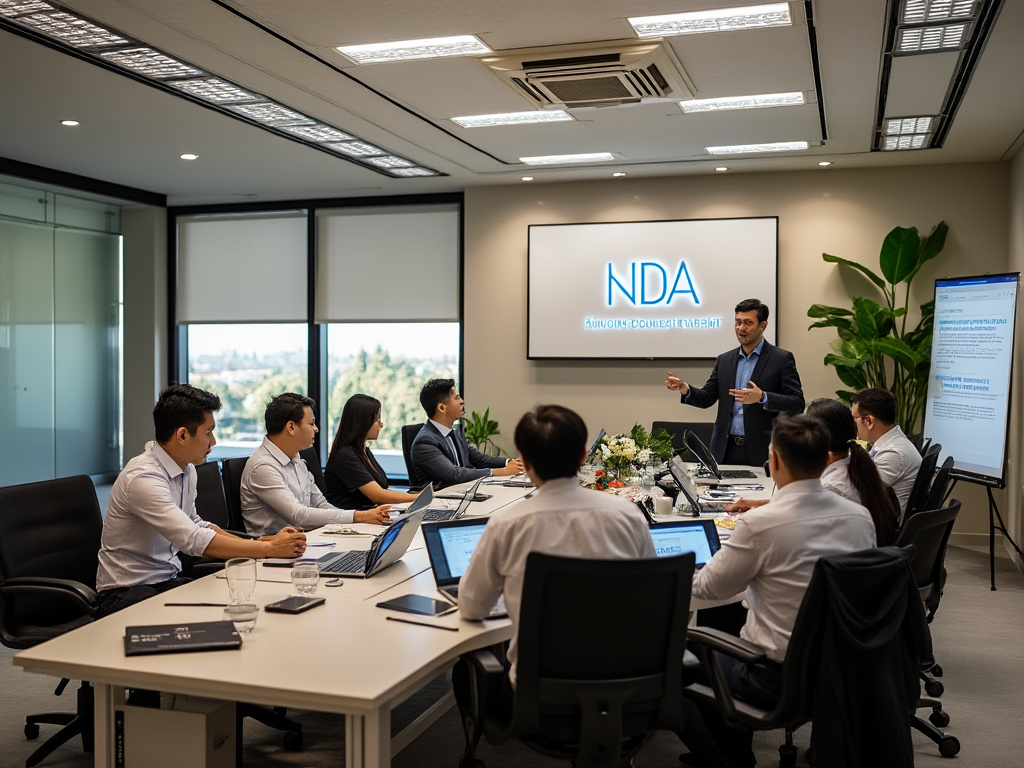
กฎหมายไทยยอมรับ NDA ทั้งแบบฝ่ายเดียวและแบบสองฝ่าย ซึ่งฝ่ายหนึ่งหรือทั้งสองฝ่ายตกลงที่จะรักษาข้อมูลบางอย่างไว้เป็นความลับ โดยทั่วไปศาลไทยรับรองว่า NDA มีผลบังคับได้ หากมีขอบเขตที่เฉพาะเจาะจง กำหนดข้อมูลที่เป็นความลับไว้อย่างชัดเจน และมีข้อกำหนดที่สมเหตุสมผลซึ่งไม่สร้างข้อจำกัดที่กว้างเกินไปหรือไม่มีกำหนดเวลาแก่ฝ่ายผู้รับข้อมูล ในกรณีที่มีการละเมิด มาตรการเยียวยาตามกฎหมายไทยอาจรวมถึงค่าเสียหายที่เป็นตัวเงินหรือคำสั่งห้ามเพื่อป้องกันการเปิดเผยเพิ่มเติม พระราชบัญญัติความลับทางการค้า พ.ศ. 2545 เพิ่มการคุ้มครองตามกฎหมายอีกชั้นหนึ่งนอกเหนือจากสัญญา ข้อมูลจะเป็นความลับทางการค้าก็ต่อเมื่อยังไม่เป็นที่รู้จักกันโดยทั่วไป มีมูลค่าในเชิงพาณิชย์เพราะเป็นความลับ และผู้ควบคุมความลับทางการค้าได้ใช้วิธีการที่เหมาะสมเพื่อรักษาไว้เป็นความลับ (มาตรา 3) และ NDA ที่ลงนามแล้วเป็นหนึ่งในวิธีการดังกล่าวที่ชัดเจนที่สุด การเปิดเผย การเอาไป หรือการใช้ความลับทางการค้าโดยไม่ได้รับความยินยอมในลักษณะที่ขัดต่อแนวทางปฏิบัติทางการค้าที่สุจริต รวมถึงโดยการผิดสัญญาหรือการผิดความไว้วางใจ ถือเป็นการละเมิด (มาตรา 6) ผู้ควบคุมความลับทางการค้าอาจขอให้ศาลมีคำสั่งชั่วคราวให้ระงับการละเมิดได้ แม้ก่อนฟ้องคดี แล้วจึงฟ้องขอให้ศาลสั่งห้ามและเรียกค่าเสียหาย (มาตรา 8); ศาลอาจนำผลกำไรของผู้ละเมิดมารวมในค่าเสียหาย และในกรณีละเมิดโดยจงใจซึ่งทำให้ความลับนั้นสิ้นสภาพ ศาลอาจสั่งให้ชดใช้ค่าเสียหายเชิงลงโทษเพิ่มขึ้นได้อีกไม่เกินสองเท่าของค่าเสียหาย (มาตรา 13) การเปิดเผยความลับทางการค้าของผู้อื่นต่อสาธารณชนโดยเจตนาเพื่อทำให้เกิดความเสียหายแก่กิจการของผู้นั้นยังเป็นความผิดอาญาด้วย มีโทษจำคุกไม่เกินหนึ่งปี หรือปรับไม่เกิน 200,000 บาท หรือทั้งจำทั้งปรับ (มาตรา 33) ข้อสัญญาที่จำกัดการทำงานหรือการประกอบอาชีพของคู่สัญญาอีกฝ่าย เช่น ข้อห้ามการแข่งขัน จะมีผลบังคับได้เพียงเท่าที่เป็นธรรมและพอสมควรแก่กรณี (พระราชบัญญัติว่าด้วยข้อสัญญาที่ไม่เป็นธรรม พ.ศ. 2540 มาตรา 5) และศาลอาจลดจำนวนเงินที่ตกลงกันไว้สำหรับการผิดสัญญาได้หากสูงเกินส่วน (ประมวลกฎหมายแพ่งและพาณิชย์ มาตรา 383) ดังเช่นในคำพิพากษาศาลฎีกาที่ 7364/2558.
วิธีการจัดทำข้อตกลงรักษาความลับที่มีประสิทธิภาพในประเทศไทย
ด้วยการจัดทำข้อตกลงรักษาความลับ (NDA) ที่แข็งแกร่งในประเทศไทย องค์กรต่างๆ สามารถแลกเปลี่ยนข้อมูลที่ละเอียดอ่อนได้อย่างปลอดภัย ส่งเสริมความร่วมมือ กระตุ้นความคิดสร้างสรรค์ และรักษาความได้เปรียบในการแข่งขันในตลาด สิ่งสำคัญคือต้องทราบว่าข้อตกลง NDA มีผลทางกฎหมายและได้รับการยอมรับว่าเป็นเอกสารที่ถูกต้องตามกฎหมายของประเทศไทย ดังนั้น การลงทุนในข้อตกลง NDA ที่จัดทำขึ้นอย่างดีจะช่วยปกป้องธุรกิจและเสริมสร้างตำแหน่งของพวกเขาในสภาพการแข่งขัน
ลิงก์:
- แม่แบบข้อตกลงรักษาความลับ (NDA) โดย ThaiLawOnline (ดาวน์โหลดได้สำหรับสมาชิก Silver หรือ Gold)
ข่าวสารกฎหมายไทย ฟรีทางอีเมล
อัปเดตข่าวสารเป็นภาษาอังกฤษที่เข้าใจง่ายเกี่ยวกับการเปลี่ยนแปลงของกฎหมายไทยที่ส่งผลกระทบต่อชาวต่างชาติ: อสังหาริมทรัพย์, วีซ่า, การสมรส, ธุรกิจ และพินัยกรรม จดหมายข่าวสั้นเพียงฉบับเดียวต่อเดือน จากสำนักงานกฎหมายที่ดำเนินงานมาตั้งแต่ปี 2549 ไม่มีการส่งสแปม ยกเลิกรับได้ทุกเมื่อ.