


ตรวจสอบโดย ThaiLawOnline สำนักงานกฎหมายไทยที่ได้รับใบอนุญาตและดำเนินกิจการในประเทศไทยตั้งแต่ปี พ.ศ. 2549 ทนายความผู้รับผิดชอบสำนวน: Wichuda Atthamethakon, น.ม., ใบอนุญาตให้เป็นทนายความ เลขที่ 3149/2556.
ปรับปรุงล่าสุดเมื่อ
เครื่องหมายการค้าในประเทศไทยคือเครื่องหมายที่ใช้หรือจะใช้เป็นที่หมายหรือเกี่ยวข้องกับสินค้า เพื่อแสดงว่าสินค้าที่ใช้เครื่องหมายของเจ้าของนั้นแตกต่างจากสินค้าที่ใช้เครื่องหมายของบุคคลอื่น นั่นคือคำจำกัดความใน มาตรา 4 แห่งพระราชบัญญัติเครื่องหมายการค้า พ.ศ. 2534, และควรเริ่มต้นที่นั่น เพราะกฎหมายมีขอบเขตครอบคลุมมากกว่าที่คู่มือส่วนใหญ่ระบุไว้ โดยเครื่องหมายการค้าของผลิตภัณฑ์จะช่วยให้ผู้บริโภคสามารถระบุได้ว่าผลิตภัณฑ์นั้นแตกต่างหรือเป็นเอกลักษณ์จากผลิตภัณฑ์อื่น ๆ เครื่องหมายการค้าในประเทศไทยสามารถเป็นรูปภาพ ไอคอน สัญลักษณ์ คำหรือตัวอักษรใดๆ ก็ได้ รวมถึงแบบอักษรเฉพาะที่กำหนดไว้ในใบจดทะเบียนเครื่องหมายการค้า เครื่องหมายการค้าอาจมีความสำคัญอย่างยิ่งสำหรับ บริษัทต่างๆ ในประเทศไทย.
การคุ้มครองเครื่องหมายการค้ามักจะเกิดขึ้นหลังจากการจดทะเบียนบริษัท ซึ่งมีรายละเอียดในคู่มือของเรา การจัดตั้งธุรกิจในประเทศไทย.
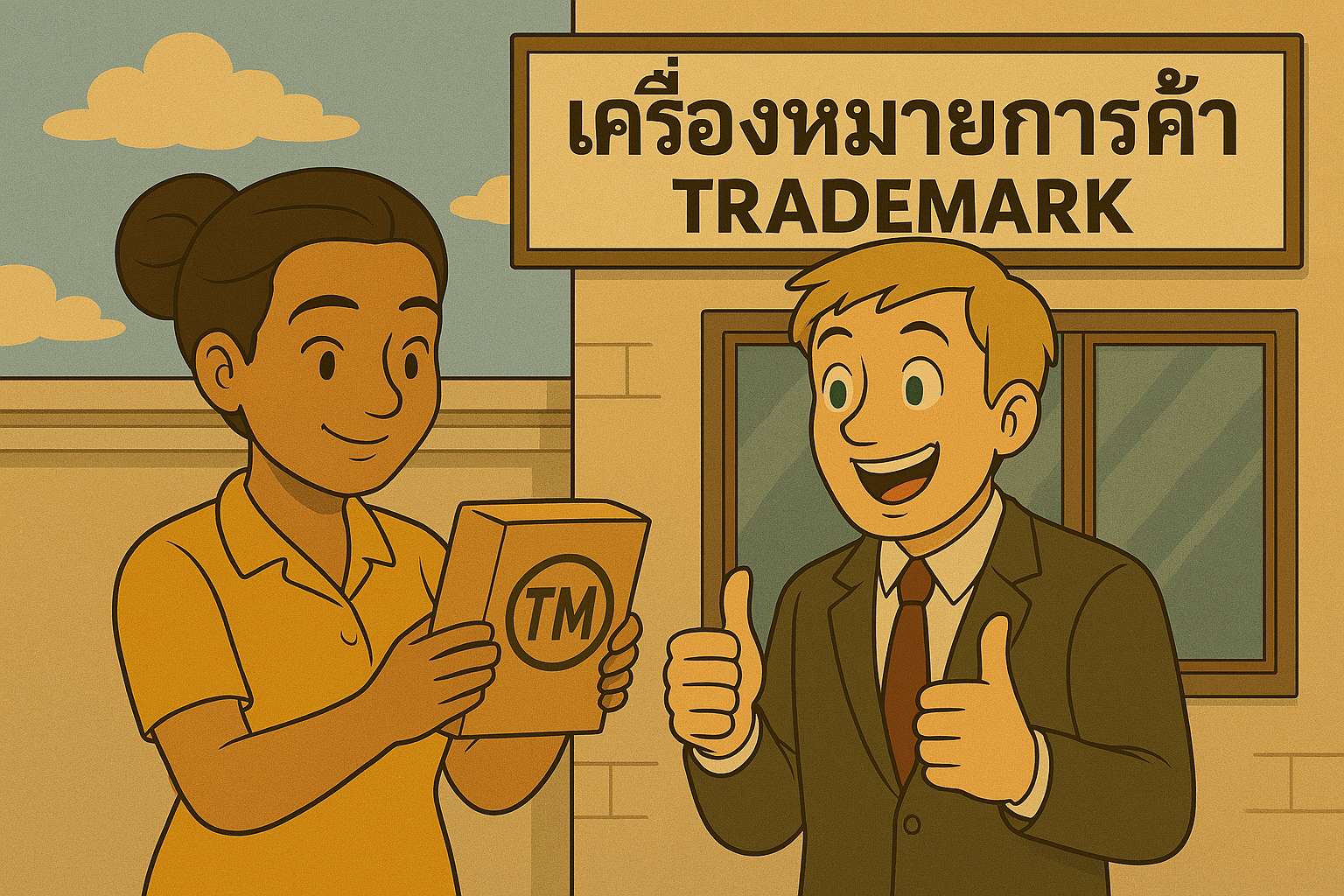
เครื่องหมายการค้าอาจเป็นภาพเดียว คำเดียว หรือทั้งสองอย่างรวมกัน ตัวอย่างของเครื่องหมายการค้าที่เป็นเพียงภาพคือ เสื้อผ้ากีฬาแบรนด์ไนกี้ สำหรับเครื่องหมายการค้าที่ใช้เพียงคำ ให้นึกถึงเครื่องใช้ไฟฟ้าโซนี่ ตัวอย่างของเครื่องหมายการค้าที่มีทั้งภาพและคำคือ ผลิตภัณฑ์อาหารเนสท์เล่
สารบัญ
เครื่องหมายการค้าในประเทศไทยคืออะไร
ในประเทศไทย เครื่องหมายการค้าคือเครื่องหมายหรือสัญลักษณ์ใดๆ ที่ใช้เพื่อแยกแยะสินค้าหรือบริการของบุคคลหนึ่งจากสินค้าหรือบริการของบุคคลอื่น มาตรา 4 นิยามคำว่า เครื่องหมาย ไว้อย่างกว้างขวาง: ภาพถ่าย ภาพที่ได้ออกแบบ ตราประดิษฐ์ ตรา ชื่อ คำ ข้อความ ตัวหนังสือ ตัวเลข ลายมือชื่อ, กลุ่มของสี, รูปร่างหรือรูปทรงของวัตถุ, เสียง, หรือสิ่งเหล่านี้อย่างหนึ่งอย่างใดหรือหลายอย่างรวมกัน เครื่องหมายเสียงและรูปทรงสามมิติจดทะเบียนในประเทศไทยได้จริง ซึ่งทำให้หลายคนประหลาดใจ และกลุ่มของสีก็อยู่ในรายการเดียวกัน.
อายุการจดทะเบียนและการต่ออายุ ซึ่งเป็นจุดที่มักพลาดกำหนดเวลา. ตาม มาตรา 53 การจดทะเบียนมีอายุ 10 ปี นับจากวันที่จดทะเบียน ตามมาตรา 42 และเวลาที่ใช้ในการดำเนินคดีตามมาตรา 38 ไม่นับรวมในการคำนวณระยะเวลาดังกล่าว ตาม มาตรา 54 เจ้าของจะต่ออายุได้โดยยื่นเอกสารต่อเจ้าหน้าที่ทะเบียนและชำระค่าธรรมเนียมการต่ออายุ ภายในสามเดือนก่อนวันหมดอายุ. ควรจดช่วงเวลาดังกล่าวไว้ในปฏิทิน แต่พึงทราบว่าการพลาดช่วงเวลานี้ไม่ได้ทำให้สิ้นสิทธิ: มาตรา 54 วรรคสอง อนุญาตให้ต่ออายุได้อีก 6 เดือนหลังวันหมดอายุ โดยชำระค่าธรรมเนียมต่ออายุพร้อมค่าธรรมเนียมเพิ่มอีก 20 เปอร์เซ็นต์ของค่าธรรมเนียมนั้น และให้ถือว่าเครื่องหมายยังคงได้รับการจดทะเบียนอยู่ในระหว่างนั้น การจดทะเบียนเครื่องหมายการค้าจะทำให้คุณได้รับสิทธิแต่ผู้เดียวในการใช้เครื่องหมายดังกล่าวในประเทศไทย และช่วยปกป้องแบรนด์ของคุณจากการถูกลอกเลียนแบบหรือนำไปใช้โดยมิชอบ ไม่ว่าคุณจะเปิดตัวผลิตภัณฑ์ใหม่ สร้างธุรกิจ หรือขยายธุรกิจเข้าสู่ตลาดไทย การจดทะเบียนเครื่องหมายการค้าเป็นหนึ่งในขั้นตอนทางกฎหมายที่ชาญฉลาดที่สุดที่คุณทำได้.
หลักการพื้นฐานเกี่ยวกับเครื่องหมายการค้าในประเทศไทย
| หัวข้อ | รายละเอียด |
|---|---|
| เครื่องหมายการค้าคืออะไร? | เครื่องหมายการค้าคือสัญลักษณ์หรือโลโก้ที่ใช้ระบุสินค้าหรือบริการ และใช้เพื่อแยกแยะสินค้าหรือบริการเหล่านั้นออกจากสินค้าหรือบริการอื่นๆ |
| ใครบ้างที่สามารถจดทะเบียนเครื่องหมายการค้าในประเทศไทยได้? | ทั้งบุคคลหรือนิติบุคคลชาวไทยและชาวต่างชาติสามารถจดทะเบียนเครื่องหมายการค้าผ่านกรมทรัพย์สินทางปัญญาได้ |
| ลงทะเบียนได้ที่ไหน? | ที่กรมทรัพย์สินทางปัญญา กรุงเทพฯ หรือทางออนไลน์ผ่านทาง ipthailand.go.th. |
| ใช้เวลานานแค่ไหน? | โดยเฉลี่ยแล้วกระบวนการนี้ใช้เวลาประมาณ 12-18 เดือน ขึ้นอยู่กับข้อโต้แย้งและข้อปรับปรุง. |
| เครื่องหมายการค้ามีอายุการใช้งานนานเท่าใด? | มีอายุ 10 ปีนับจากวันที่จดทะเบียน สามารถต่ออายุได้อีกครั้งละ 10 ปี |
| ฉันจำเป็นต้องมีทนายความไหม? | ไม่จำเป็นต้องมีทนายความ แต่ทนายความจะช่วยในเรื่องการจำแนกจำพวกสินค้าและบริการ และในการรับมือกับการคัดค้านหรือการปฏิเสธคำขอ อย่างไรก็ตาม ผู้ยื่นคำขอที่ไม่มีสำนักงานในประเทศไทยต้องแต่งตั้งตัวแทนในประเทศไทยตามมาตรา 10. |
| ฉันสามารถจดทะเบียนเครื่องหมายการค้าสำหรับโลโก้และชื่อได้หรือไม่? | ใช่ คุณสามารถลงทะเบียนทั้งสองอย่างแยกกันหรือพร้อมกันก็ได้ ขึ้นอยู่กับกลยุทธ์ของคุณ |
ความสำคัญของเครื่องหมายการค้า ในประเทศไทย
เครื่องหมายการค้ามีความสำคัญตรงที่ช่วยให้ผู้บริโภคสามารถระบุผู้ผลิตสินค้าได้อย่างง่ายดาย เครื่องหมายการค้าช่วยรับประกันว่าสินค้าที่ซื้อนั้นมีคุณสมบัติและลักษณะตามที่ผู้ผลิตกำหนด มาตรฐานสมาคมผู้บริโภค กับผู้ผลิต กล่าวอีกนัยหนึ่ง มีกี่คนที่รู้วิธีการผลิตโทรทัศน์จริงๆ? ไม่มากนักหรอก
แล้วคนที่ไม่รู้เรื่องกระบวนการผลิตโทรทัศน์จะตัดสินใจเกี่ยวกับคุณภาพของโทรทัศน์ได้อย่างไร? คำตอบคือ ด้วยเครื่องหมายการค้า เนื่องจากผู้ผลิตไม่สามารถมีร้านค้าอยู่ทุกแห่งทั่วโลกได้ เครื่องหมายการค้าจึงทำหน้าที่เป็น “ตัวแทนควบคุมคุณภาพ” ช่วยสร้างความมั่นใจให้กับลูกค้าเกี่ยวกับคุณภาพและมาตรฐานของผลิตภัณฑ์ได้ทุกที่ทุกเวลา นี่เป็นสิ่งสำคัญใน... กฎหมายธุรกิจในประเทศไทย.
เหตุใดจึงควรจดทะเบียนเครื่องหมายการค้าในประเทศไทย?
เครื่องหมายที่ไม่ได้รับการจดทะเบียนนั้นมีผลป้องกันน้อยมากในประเทศไทย มาตรา 46 ของพระราชบัญญัติเครื่องหมายการค้าห้ามการดำเนินการใดๆ เพื่อป้องกันการละเมิดเครื่องหมายการค้าที่ไม่ได้รับการจดทะเบียน หรือเพื่อเรียกร้องค่าเสียหายจากกรณีดังกล่าว สิ่งเดียวที่ยังคงอยู่คือสิทธิของเจ้าของในการฟ้องร้องผู้ที่นำสินค้าของตนมาขายในลักษณะที่ดูเหมือนเป็นของเจ้าของ ซึ่งหมายความว่าต้องพิสูจน์ถึงชื่อเสียงและความหลอกลวง การจดทะเบียนจะมอบอำนาจให้เจ้าของดำเนินการฟ้องร้อง และข้อกำหนดทางอาญาที่กำหนดไว้เพื่อต่อต้านการปลอมแปลงและเลียนแบบนั้นไม่มีในกรณีของเจ้าของที่ไม่ได้รับการจดทะเบียน ซึ่งเป็นการป้องกันที่แท้จริงต่อสินค้า การฉ้อโกง. นอกจากนี้ยังช่วยให้ธุรกิจของคุณในประเทศไทยมีภาพลักษณ์ที่โดดเด่นในสายตาผู้บริโภค คุณสามารถเรียนรู้เพิ่มเติมเกี่ยวกับเรื่องนี้ได้ที่นี่.
จะจดทะเบียนเครื่องหมายการค้าได้ที่ไหน?
เจ้าของเครื่องหมายการค้าสามารถยื่นขอจดทะเบียนในประเทศไทยได้ โดยสามารถยื่นได้ที่กลุ่มงานบริการยื่นคำขอจดทะเบียน ซึ่งตั้งอยู่ที่ชั้น 3 กรมทรัพย์สินทางปัญญา กระทรวงพาณิชย์ หรือสามารถยื่นขอจดทะเบียนได้ที่สำนักงานพัฒนาธุรกิจจังหวัดใดก็ได้ นอกจากนี้ยังสามารถยื่นขอจดทะเบียนเครื่องหมายการค้าทางไปรษณีย์หรือทางออนไลน์ได้ที่ www.ipthailand.go.th โปรดตรวจสอบเว็บไซต์ของกรมทรัพย์สินทางปัญญาก่อนเริ่มดำเนินการยื่นขอจดทะเบียนทางออนไลน์
ขั้นตอนการยื่นเอกสาร
ก่อนยื่นคำขอจดทะเบียนเครื่องหมายการค้า ผู้ขอต้องตรวจสอบว่าเครื่องหมายการค้าของตนมีความคล้ายคลึงกับเครื่องหมายการค้าที่มีอยู่แล้วมากน้อยเพียงใด นอกจากนี้ควรพิจารณาเครื่องหมายการค้าที่อยู่ระหว่างรอการอนุมัติด้วย เครื่องหมายการค้าที่ยื่นขอจดทะเบียนจะต้องไม่คล้ายคลึงกับเครื่องหมายการค้าอื่นมากเกินไป มิเช่นนั้นคำขอจะถูกปฏิเสธ
เครื่องหมายการค้าแสดงให้เห็นว่าบริษัทมีความเป็นเอกลักษณ์ หากต้องการตรวจสอบว่าเครื่องหมายการค้าของไทยของคุณแตกต่างจากที่อื่นหรือไม่ โปรดตรวจสอบเว็บไซต์ของกรมทรัพย์สินทางปัญญา (www.ipthailand.go.th). การตรวจค้นทะเบียน ซึ่งครอบคลุมทั้งประกาศโฆษณาเครื่องหมายการค้า เครื่องหมายที่ได้รับการจดทะเบียนแล้ว และเครื่องหมายที่ยังอยู่ระหว่างการพิจารณาคำขอ คิดค่าธรรมเนียม 200 บาทต่อชั่วโมง, โดยเศษของชั่วโมงให้นับเป็นหนึ่งชั่วโมง ค่าธรรมเนียมนี้คือรายการ (18) ของอัตราค่าธรรมเนียมท้ายกฎกระทรวงว่าด้วยค่าธรรมเนียมเครื่องหมายการค้า พ.ศ. 2559 ซึ่งประกาศในราชกิจจานุเบกษาเมื่อวันที่ 28 กรกฎาคม 2559 (เล่ม 133 ตอนที่ 63 ก หน้า 15) และได้ยกเลิกกฎกระทรวงฉบับเดิมซึ่งกำหนดค่าธรรมเนียมนี้ไว้ 100 บาท เมื่อคุณมั่นใจแล้วว่าเครื่องหมายการค้าของคุณต้องมีเอกลักษณ์เฉพาะตัว ก็สามารถเริ่มกระบวนการยื่นคำขอจดทะเบียนเครื่องหมายการค้าได้ดังนี้:
1. แบบฟอร์มใบสมัคร Kor. 01, ดาวน์โหลดและพิมพ์เอกสารนี้ได้จากเว็บไซต์ของกรมทรัพย์สินทางปัญญา โปรดแนบเอกสารที่จำเป็น เช่น การออกแบบเครื่องหมายการค้าและประวัติบริษัท ไปกับแบบฟอร์มนี้ ยื่นเอกสารนี้ต่อนายทะเบียนเครื่องหมายการค้าและชำระค่าธรรมเนียมการยื่นคำขอ. ค่าธรรมเนียมดังกล่าวคือ 1,000 บาทสำหรับสินค้าหรือบริการแต่ละรายการที่ท่านร้องขอตั้งแต่หนึ่งถึงห้ารายการในหมวดสินค้า หรือ 9,000 บาทสำหรับหมวดสินค้าดังกล่าวที่ท่านร้องขอมากกว่าห้ารายการ. ควรเผื่องบประมาณสำหรับค่าธรรมเนียมรายการที่สองด้วย: เมื่อนายทะเบียนรับจดทะเบียนเครื่องหมายแล้ว คุณต้องชำระค่าธรรมเนียมการจดทะเบียน 600 บาทต่อรายการ, หรือ 5,400 บาท สำหรับจำพวกที่มีรายการสินค้าเกินห้ารายการ ทั้งสองอัตรากำหนดโดยกฎกระทรวงว่าด้วยค่าธรรมเนียมเครื่องหมายการค้า พ.ศ. 2559 และใช้แทนอัตราเดิมก่อนปี 2016 ซึ่งคือ 500 และ 300 บาทต่อรายการ.
เจ้าหน้าที่จาก DIP จะตรวจสอบใบสมัคร เอกสาร และค่าธรรมเนียม เจ้าหน้าที่จะตรวจสอบให้แน่ใจว่าทุกอย่างถูกต้องและครบถ้วน เมื่อเจ้าหน้าที่พอใจกับเอกสารทั้งหมดที่ส่งมาแล้ว เจ้าหน้าที่จะออกหมายเลขคำขอลงทะเบียน.
3. เจ้าหน้าที่จะออกใบเสร็จรับเงินที่ตรงกับหมายเลขคำขอจดทะเบียน ผู้ยื่นคำขอต้องเก็บใบเสร็จรับเงินนี้ไว้จนกว่านายทะเบียนเครื่องหมายการค้าจะมีคำวินิจฉัยให้รับจดทะเบียนเครื่องหมายการค้า กระบวนการนี้ใช้เวลานาน โดยระยะเวลาเร็วที่สุดในการอนุมัติการจดทะเบียนคือ 1 ปี และนานที่สุดคือ 2 ปี เรื่องนี้สำคัญมาก ห้ามทำใบเสร็จรับเงินหายเด็ดขาด.
การคุ้มครองเครื่องหมายการค้า
ในประเทศไทย เครื่องหมายการค้าที่จดทะเบียนมีอายุ 10 ปี และสามารถต่ออายุได้อีกคราวละ 10 ปี มาตรา 53 นับอายุการจดทะเบียนตั้งแต่วันจดทะเบียน และมาตรา 42 ให้ถือว่าวันที่ยื่นคำขอเป็นวันจดทะเบียน ดังนั้นในทางปฏิบัติ ระยะเวลา 10 ปีจะนับจากวันที่ยื่นคำขอ. การต่ออายุต้องยื่นภายในสามเดือนก่อนวันหมดอายุ, ตามมาตรา 54 วรรคหนึ่ง. การพลาดช่วงเวลาดังกล่าวไม่ได้ทำให้สูญเสียเครื่องหมาย. วรรคสองของมาตราเดียวกัน ซึ่งแก้ไขโดยพระราชบัญญัติเครื่องหมายการค้า (ฉบับที่ 3) พ.ศ. 2559 ให้เจ้าของมีเวลาอีก 6 เดือนนับจากวันหมดอายุ เพื่อต่ออายุ โดยชำระค่าธรรมเนียมการต่ออายุ พร้อมค่าธรรมเนียมเพิ่มอีก 20 เปอร์เซ็นต์ ของค่าธรรมเนียมดังกล่าว และวรรคสามให้ถือว่าเครื่องหมายยังคงได้รับการจดทะเบียนอยู่ตลอดช่วงเวลานั้น ค่าธรรมเนียมการต่ออายุคือ 2,000 บาทต่อรายการ หรือ 18,000 บาทสำหรับจำพวกที่มีรายการสินค้าเกินห้ารายการ หลักเกณฑ์เดิมที่ว่าต้องยื่นคำขอต่ออายุภายใน 90 วันก่อนวันหมดอายุ และไม่มีทางเลือกใดหลังจากนั้น เป็นกฎหมายจนถึงปี 2016 และไม่ใช่กฎหมายในปัจจุบัน ข้อสังเกตสุดท้าย: การจดทะเบียนในประเทศไทยคุ้มครองเครื่องหมายในประเทศไทยเท่านั้น ประเทศไทยเป็นภาคีพิธีสารมาดริดมาตั้งแต่ 7 พฤศจิกายน 2017, ซึ่งเป็นวันที่กฎกระทรวงว่าด้วยการจดทะเบียนเครื่องหมายการค้าตามพิธีสารมาดริด พ.ศ. 2560 มีผลใช้บังคับ ดังนั้นคำขอหรือการจดทะเบียนในประเทศไทยจึงใช้เป็นฐานของคำขอระหว่างประเทศที่ยื่นผ่านกรมได้ โดยกรมเรียกเก็บค่าธรรมเนียม 2,000 บาทสำหรับการจัดเตรียมและส่งต่อคำขอแต่ละคำขอ.
คำถามที่พบบ่อยเกี่ยวกับเครื่องหมายการค้าในประเทศไทย
ขั้นตอนการจดทะเบียนเครื่องหมายการค้าในประเทศไทยมีอะไรบ้าง?
ขั้นตอนการจดทะเบียนเครื่องหมายการค้าในประเทศไทยเกี่ยวข้องกับการยื่นคำขอจดทะเบียนเครื่องหมายการค้าที่กรมทรัพย์สินทางปัญญาในประเทศไทย คำขอจะต้องกรอกข้อมูลเป็นภาษาไทย และต้องแนบหนังสือมอบอำนาจหากยื่นโดยตัวแทน
เอกสารใดบ้างที่จำเป็นสำหรับการยื่นขอจดทะเบียนเครื่องหมายการค้าในประเทศไทย?
เอกสารที่ต้องยื่นประกอบด้วย สำเนาเครื่องหมายการค้า รายชื่อสินค้าหรือบริการที่จัดอยู่ในประเภทเครื่องหมายการค้าของไทย รายละเอียดของผู้สมัคร และหนังสือมอบอำนาจ นอกจากนี้ ต้องกรอกข้อมูลในใบสมัครเป็นภาษาไทยด้วย.
ระบบการจำแนกประเภทเครื่องหมายการค้าของ NICE นำมาใช้กับเครื่องหมายการค้าของประเทศไทยอย่างไร?
ประเทศไทยใช้การจำแนกจำพวกสินค้าและบริการตามระบบนีซ (Nice Classification) นับตั้งแต่พระราชบัญญัติเครื่องหมายการค้า (ฉบับที่ 3) พ.ศ. 2559 ยกเลิกวรรคสองของมาตรา 9 คำขอฉบับเดียวสามารถระบุสินค้าหรือบริการได้มากกว่าหนึ่งจำพวก ก่อนปี 2016 แต่ละจำพวกต้องยื่นคำขอแยกกัน ค่าธรรมเนียมยังคงคำนวณเป็นรายจำพวก ดังนั้นการยื่นคำขอหลายจำพวกจึงช่วยลดงานเอกสาร แต่ไม่ได้ช่วยประหยัดเงิน.
บริษัทต่างชาติสามารถจดทะเบียนเครื่องหมายการค้าในประเทศไทยได้หรือไม่?
ใช่. คำขอต้องยื่นเป็นภาษาไทย และตามมาตรา 10 ผู้ยื่นคำขอจากต่างประเทศที่ไม่มีสำนักงานในประเทศไทยต้องดำเนินการผ่านตัวแทนที่มีสำนักงานในประเทศไทย ดังนั้นในทางปฏิบัติ ตัวแทนในประเทศจะเป็นผู้ยื่นคำขอและรับหนังสือโต้ตอบ.
เจ้าของเครื่องหมายการค้าควรทำอย่างไรหากเครื่องหมายการค้าของตนคล้ายกับเครื่องหมายการค้าที่จดทะเบียนไว้แล้ว?
หากเครื่องหมายการค้ามีลักษณะคล้ายกับเครื่องหมายการค้าที่ได้รับการจดทะเบียนแล้ว เจ้าของอาจถูกคัดค้านได้ ตามมาตรา 36 ผู้ขอจดทะเบียนมีเวลา 60 วันนับจากวันที่ได้รับสำเนาคำคัดค้าน เพื่อยื่นคำโต้แย้งโดยแสดงเหตุผลที่อ้างอิง และผู้ขอจดทะเบียนที่ไม่ยื่นคำโต้แย้งจะถือว่าได้ละทิ้งคำขอ.
หลังจากที่คำขอจดทะเบียนเครื่องหมายการค้าได้รับการตีพิมพ์ในวารสารเครื่องหมายการค้าแล้วจะเกิดอะไรขึ้นต่อไป?
มาตรา 35 ให้บุคคลใดก็ตามที่อ้างว่ามีสิทธิดีกว่า หรืออ้างว่าเครื่องหมายนั้นไม่อาจรับจดทะเบียนได้ ยื่นคำคัดค้านได้ภายใน 60 วันนับแต่วันที่ประกาศโฆษณา โดยแสดงเหตุแห่งการคัดค้าน ระยะเวลาดังกล่าวเคยเป็น 90 วัน จนกระทั่งพระราชบัญญัติเครื่องหมายการค้า (ฉบับที่ 3) พ.ศ. 2559 ย่นให้สั้นลง หากไม่มีการยื่นคำคัดค้านภายใน 60 วัน นายทะเบียนจะดำเนินการรับจดทะเบียนต่อไป.
อะไรคือการละเมิดเครื่องหมายการค้าในประเทศไทย?
การละเมิดเครื่องหมายการค้าในประเทศไทยเกิดขึ้นเมื่อมีการใช้เครื่องหมายการค้าโดยไม่ได้รับอนุญาตจากเจ้าของเครื่องหมายการค้าในลักษณะที่อาจทำให้ผู้บริโภคสับสนหรือเข้าใจผิด อาจจำเป็นต้องใช้บริการทางกฎหมายเพื่อแก้ไขปัญหาดังกล่าว
ผู้ขอจดทะเบียนเครื่องหมายการค้าจำเป็นต้องมีที่อยู่ในประเทศไทยหรือไม่?
ไม่จำเป็นต้องเป็นผู้ยื่นคำร้องเท่านั้น มาตรา 10 กำหนดให้ผู้ยื่นคำร้องหรือตัวแทนต้องมีสำนักงานหรือที่อยู่ในประเทศไทย เพื่อให้เจ้าหน้าที่ทะเบียนสามารถติดต่อได้ ผู้ยื่นคำร้องจากต่างประเทศที่ไม่มีสำนักงานในประเทศไทยต้องปฏิบัติตามข้อกำหนดนี้ โดยการแต่งตั้งตัวแทนในท้องถิ่น ซึ่งที่อยู่ไทยของตัวแทนดังกล่าวจะใช้เป็นที่ติดต่อสำหรับเอกสารการยื่นคำร้องทั้งหมด.
ชื่อโปรแกรมคอมพิวเตอร์สามารถจดทะเบียนเครื่องหมายการค้าได้ในประเทศไทยหรือไม่?
ใช่ ชื่อของโปรแกรมคอมพิวเตอร์สามารถจดทะเบียนเป็นเครื่องหมายการค้าในประเทศไทยได้ หากเป็นไปตามเกณฑ์การจดทะเบียนเครื่องหมายการค้า เช่นเดียวกับเครื่องหมายอื่น ๆ ชื่อนั้นต้องมีลักษณะบ่งเฉพาะ และต้องไม่เหมือนหรือคล้ายกับเครื่องหมายที่ได้จดทะเบียนไว้แล้วหรือที่มีผู้ยื่นคำขอไว้แล้วสำหรับสินค้าเดียวกันหรือสินค้าที่คล้ายกันจนอาจทำให้สับสน; ซอฟต์แวร์มักยื่นคำขอจดทะเบียนในจำพวก 9.
ตรวจทานล่าสุด: 4 กันยายน 2569 กฎหมายที่ใช้บังคับในหน้านี้ได้ตรวจสอบเทียบกับพระราชบัญญัติเครื่องหมายการค้า พ.ศ. 2534 ซึ่งแก้ไขเพิ่มเติมโดยพระราชบัญญัติเครื่องหมายการค้า (ฉบับที่ 3) พ.ศ. 2559 และกฎกระทรวงว่าด้วยค่าธรรมเนียมเครื่องหมายการค้า พ.ศ. 2559 ซึ่งประกาศในราชกิจจานุเบกษาเมื่อวันที่ 28 กรกฎาคม 2016 (เล่ม 133 ตอนที่ 63 ก หน้า 15) ข้อความหกข้อเป็นกฎหมายก่อนปี 2016 และได้แก้ไขแล้ว ได้แก่ ค่าธรรมเนียมคำขอ ซึ่งระบุไว้ 500 บาทต่อรายการ ปัจจุบันเป็น 1,000 บาทต่อรายการ หรือ 9,000 บาทสำหรับจำพวกที่มีรายการสินค้าเกินห้ารายการ; ค่าธรรมเนียมการตรวจค้นทะเบียน ซึ่งระบุไว้ 100 บาท ปัจจุบันเป็น 200 บาทต่อชั่วโมง; ระยะเวลาการขอต่ออายุ ซึ่งระบุไว้ 90 วันก่อนวันสิ้นอายุ ซึ่งปัจจุบันมาตรา 54 กำหนดไว้สามเดือน; ข้อความที่ว่าการไม่ต่ออายุทำให้เสียสิทธิในเครื่องหมาย ทั้งที่มาตรา 54 วรรคสอง อนุญาตให้ต่ออายุได้อีกภายในหกเดือนนับแต่วันสิ้นอายุ โดยชำระค่าธรรมเนียมพร้อมเงินเพิ่มร้อยละ 20; คำตอบที่ว่าผู้ขอต้องมีที่อยู่ในประเทศไทย ทั้งที่มาตรา 10 ถือว่าครบถ้วนหากตัวแทนมีที่อยู่ดังกล่าว; และการที่ไม่กล่าวถึงการยื่นคำขอหลายจำพวกเลย ซึ่งทำได้เมื่อพระราชบัญญัติปี 2016 ยกเลิกมาตรา 9 วรรคสอง มีสี่เรื่องที่ขาดไปและได้เพิ่มแล้ว ได้แก่ ค่าธรรมเนียมการจดทะเบียน 600 บาทต่อรายการซึ่งชำระเมื่อเครื่องหมายได้รับการรับจดทะเบียน ระยะเวลาคัดค้าน 60 วันตามมาตรา 35 คำโต้แย้งการคัดค้านภายใน 60 วันตามมาตรา 36 และการเป็นสมาชิกพิธีสารมาดริดของประเทศไทยตั้งแต่วันที่ 7 พฤศจิกายน 2017 ตรวจสอบแล้วพบว่าถูกต้อง: นิยามของเครื่องหมายตามมาตรา 4 ซึ่งรวมถึงเครื่องหมายเสียงที่พระราชบัญญัติปี 2016 เพิ่มเข้ามา และอายุการคุ้มครองสิบปี ซึ่งมาตรา 53 นับแต่วันจดทะเบียน และมาตรา 42 ให้ถือวันยื่นคำขอเป็นวันจดทะเบียน ยังไม่ได้ตรวจสอบจากแหล่งข้อมูลปฐมภูมิและคงไว้ตามเดิม: ที่อยู่ ชั้น และช่องทางการยื่นคำขอในส่วนภูมิภาคของกรมทรัพย์สินทางปัญญา เนื่องจากเว็บไซต์ของกรมตอบทุกคำขอด้วยหน้าตรวจสอบบอท; ชื่อแบบฟอร์มคำขอ; และระยะเวลาดำเนินการโดยประมาณ 12 ถึง 18 เดือนและหนึ่งถึงสองปี ซึ่งเป็นแนวปฏิบัติ ไม่ใช่กฎหมาย ตรวจสอบอีกครั้งเมื่อวันที่ 4 ตุลาคม 2026: ได้อ่านมาตรา 46 จากตัวบทภาษาไทย และย่อหน้าเรื่องเครื่องหมายที่ไม่ได้จดทะเบียน ซึ่งเคยระบุว่าไม่มีความคุ้มครองใดๆ เลย ปัจจุบันระบุถึงข้อห้ามฟ้องคดีละเมิดและสิทธิฟ้องคดีลวงขายที่ยังคงมีอยู่; และได้เขียนคำตอบที่สับสนหนึ่งข้อในคำถามที่พบบ่อยใหม่.
ข่าวสารกฎหมายไทย ฟรีทางอีเมล
อัปเดตข่าวสารเป็นภาษาอังกฤษที่เข้าใจง่ายเกี่ยวกับการเปลี่ยนแปลงของกฎหมายไทยที่ส่งผลกระทบต่อชาวต่างชาติ: อสังหาริมทรัพย์, วีซ่า, การสมรส, ธุรกิจ และพินัยกรรม จดหมายข่าวสั้นเพียงฉบับเดียวต่อเดือน จากสำนักงานกฎหมายที่ดำเนินงานมาตั้งแต่ปี 2549 ไม่มีการส่งสแปม ยกเลิกรับได้ทุกเมื่อ.