


ตรวจสอบโดย ThaiLawOnline สำนักงานกฎหมายไทยที่ได้รับใบอนุญาตและดำเนินกิจการในประเทศไทยตั้งแต่ปี พ.ศ. 2549 ทนายความผู้รับผิดชอบสำนวน: Wichuda Atthamethakon, น.ม., ใบอนุญาตให้เป็นทนายความ เลขที่ 3149/2556.
ปรับปรุงล่าสุดเมื่อ
ถูกกล่าวหาว่า การหมิ่นประมาท ในประเทศไทยไม่ได้หมายความถึงการถูกพิพากษาว่ามีความผิดโดยอัตโนมัติ กฎหมายไทยมีข้อต่อสู้คดีหลายประการภายใต้ ประมวลกฎหมายอาญา และประมวลกฎหมายวิธีพิจารณาความอาญา ศาลฎีกา แห่งประเทศไทย (ศาลฎีกา, San Dika) ได้พัฒนาหลักการสำคัญผ่านคำพิพากษาบรรทัดฐานด้วยเช่นกัน.
คู่มือนี้ครอบคลุมข้อต่อสู้ที่มีอยู่ทั้งหมดสำหรับข้อกล่าวหาหมิ่นประมาทในประเทศไทย ซึ่งรวมถึงข้อต่อสู้ตามกฎหมายภายใต้มาตรา 329 ถึง 331 ข้อต่อสู้เรื่องความจริง บทบัญญัติเกี่ยวกับการฟ้องปิดปาก (Anti-SLAPP) และ อายุความ. นอกจากนี้ยังสรุปคดีสำคัญที่ตัดสินไปแล้ว โดยระบุชื่อศาลในแต่ละคดี และตอบคำถามที่คนส่วนใหญ่สงสัยเมื่อมาถึง นั่นคือ การแจ้งความตำรวจถือเป็นความผิดฐานหมิ่นประมาทด้วยหรือไม่.
การแจ้งความต่อตำรวจถือเป็นการหมิ่นประมาทในประเทศไทยหรือไม่
คำตอบสั้นๆ: การแจ้งความต่อตำรวจสามารถเข้าองค์ประกอบความผิดฐานหมิ่นประมาททางอาญาได้ แต่มาตรา 329(1) คุ้มครองคุณหากคุณแจ้งความ โดยสุจริต เพื่อปกป้องประโยชน์อันชอบธรรมของท่านเอง.
มาตรา 326 กระทำโดยการใส่ความผู้อื่น ต่อหน้าบุคคลที่สาม. เจ้าหน้าที่รับเรื่องร้องเรียนของคุณเป็นบุคคลที่สาม ซึ่งเป็นสาเหตุว่าทำไมบางครั้งผู้ร้องเรียนจึงถูกดำเนินคดีจากการร้องเรียน มาตรา 329(1) คือคำตอบสำหรับเรื่องนั้น บุคคลใดแสดงความคิดเห็นหรือข้อความโดยสุจริต “เพื่อความชอบธรรม ป้องกันตนหรือป้องกันส่วนได้เสียเกี่ยวกับตนตามคลองธรรม” ไม่มีความผิดฐานหมิ่นประมาท.
คำพิพากษาศาลฎีกาสองคดีล่าสุดถือว่าคำร้องเรียนต่อตำรวจเป็นช่องทางที่ถูกต้อง และทั้งสองคดีปฏิเสธข้อต่อสู้ตามมาตรา 329(1) แก่จำเลยที่หลีกเลี่ยงช่องทางดังกล่าว
- คำพิพากษาศาลฎีกาที่ 655/2567 (2024). ชายคนหนึ่งซึ่งกล่าวหาว่าลูกชายของเพื่อนบ้านเล็งปืนใส่เขาและลูกสาว ได้เผยแพร่บันทึกเรื่องราวดังกล่าวแทนที่จะไปแจ้งความ ศาลวินิจฉัยว่าพฤติการณ์ที่เขากล่าวหานั้นเป็นความผิดทางอาญา เขาสามารถไปแจ้งความต่อตำรวจและร้องขอให้ศาลออกหมายค้นและยึดอาวุธปืนได้ ซึ่งการกระทำดังกล่าวเป็นเรื่องที่สมเหตุสมผลและทำได้โดยง่าย แต่เขาไม่เคยทำเช่นนั้นเลย นอกจากนี้ เนื่องจากเขาได้แต่งเติมและบิดเบือนข้อเท็จจริงจากสิ่งที่เขาได้รับฟังมาจริงๆ ถ้อยแถลงดังกล่าวจึงไม่อาจถือได้ว่าเป็นการกระทำด้วยความสุจริตตามมาตรา 329 (1) ยืนคำพิพากษาลงโทษ.
- คำพิพากษาศาลฎีกาที่ 321/2568 (2025). คดีป้ายตามที่อธิบายไว้ในส่วนที่ 7 ด้านล่าง ศาลได้ปฏิเสธมาตรา 329(1) และ (3) อย่างชัดเจนว่า หากจำเลยพิจารณาว่าการกระทำของผู้เสียหายไม่ชอบด้วยกฎหมาย จำเลยย่อมสามารถใช้สิทธิของตนผ่านกระบวนการยุติธรรมได้.
กฎในทางปฏิบัติกลับตรงกันข้ามกับสิ่งที่คนส่วนใหญ่กลัว. การนำข้อกล่าวหาไปแจ้งความกับตำรวจเป็นช่องทางที่ได้รับความคุ้มครอง การเผยแพร่ข้อกล่าวหานั้นแทนที่จะนำไปแจ้งความต่างหากคือสิ่งที่ทำให้สูญเสียความคุ้มครองนั้นไป.
ความคุ้มครองนี้มิได้ไร้เงื่อนไข และสิ่งที่ชี้ขาดคือความสุจริต ตามคำพิพากษาเหล่านี้ ความคุ้มครองจะไม่มีเมื่อคุณแต่งเติมหรือบิดเบือนสิ่งที่คุณรู้จริง เมื่อคุณไม่มีข้อเท็จจริงรองรับและร้องเรียนเพื่อทำร้ายผู้อื่นมากกว่าเพื่อปกป้องส่วนได้เสีย และเมื่อคุณนำข้อกล่าวหาเดียวกันนั้นไปเผยแพร่เกินกว่าเจ้าหน้าที่ซึ่งมีหน้าที่ดำเนินการเรื่องนั้น คำพิพากษาทั้งสองข้างต้นล้วนชี้ขาดที่จำเลยเลือกผู้ฟังแทนที่จะเลือกช่องทางที่ถูกต้อง.
การพูดในที่สาธารณะหลังจากที่คุณได้ใช้ช่องทางดังกล่าวแล้วนั้นเป็นอีกประเด็นหนึ่ง และก็ยังคงสามารถได้รับการคุ้มครองได้. ใน คำพิพากษาศาลฎีกาที่ 509-510/2553 ผู้อยู่อาศัยในตำบลบางม่วงร้องเรียนเป็นหนังสือว่าผู้สมัครรับเลือกตั้งเป็นสมาชิกสภาตำบลรายหนึ่งใช้ทะเบียนบ้านปลอมในการสมัคร นายอำเภอเมืองนครสวรรค์ไม่ได้สั่งให้สอบสวนเรื่องร้องเรียนดังกล่าว และไม่ได้ตอบเมื่อผู้ร้องเรียนติดตามเรื่อง ผู้ร้องเรียนและบรรณาธิการหนังสือพิมพ์ท้องถิ่นรายหนึ่งจึงตีพิมพ์ว่านายอำเภอดองเรื่องไว้ ศาลฎีกาวินิจฉัยว่าในฐานะผู้อยู่อาศัยในพื้นที่ เขามีส่วนได้เสียโดยชอบธรรมในการบริหารงานขององค์กรระดับตำบลและในตัวบุคคลที่ดำรงตำแหน่งในสภาตำบล บทความดังกล่าวจึงเป็นการแสดงความคิดเห็นโดยสุจริตเพื่อความชอบธรรมป้องกันส่วนได้เสียนั้น และเป็นการติชมด้วยความเป็นธรรมด้วย ไม่มีความผิดตามมาตรา 329(1) และ (3): ศาลฎีกาพิพากษายืนตามศาลอุทธรณ์ภาค 6 ซึ่งกลับคำพิพากษาของศาลชั้นต้นที่ลงโทษ (จำคุกคนละ 1 ปีและปรับคนละ 21,000 บาท ลดเหลือจำคุก 8 เดือนและปรับ 14,000 บาท และให้รอการลงโทษ).
การร้องเรียนเท็จมีความรับผิดทางกฎหมายในตัวของมันเอง ซึ่งแยกต่างหากจากการหมิ่นประมาท. มาตรา 172 ลงโทษการแจ้งข้อความอันเป็นเท็จเกี่ยวกับความผิดอาญาแก่พนักงานอัยการหรือ พนักงานสอบสวน ด้วยโทษจำคุกไม่เกินสองปี หรือปรับไม่เกิน 40,000 บาท หรือทั้งจำทั้งปรับ มาตรา 173 กำหนดโทษความผิดฐานแจ้งข้อความอันเป็นเท็จเกี่ยวกับความผิดอาญาแก่พนักงานสอบสวน โดยทราบว่าไม่มีความผิดเกิดขึ้น สูงสุด 3 ปี และ 60,000 บาท มาตรา 174 เพิ่มเป็น 5 ปี และ 100,000 บาท หากมีการแจ้งความเท็จเพื่อให้มีผู้ถูกลงโทษ มาตรา 137 ซึ่งเป็นบทบัญญัติทั่วไปเกี่ยวกับการให้ข้อมูลเท็จต่อเจ้าหน้าที่ มีโทษจำคุก 6 เดือน หรือปรับ 10,000 บาท หรือทั้งจำทั้งปรับ.
ข้อต่อสู้สองประการที่ไม่สามารถนำมาใช้กับการร้องเรียนต่อตำรวจได้. มาตรา 331 จำกัดอยู่เฉพาะคู่ความหรือทนายความของคู่ความที่กล่าวในกระบวนการพิจารณาคดีในศาล จึงไม่ครอบคลุมไปถึงสถานีตำรวจ มาตรา 330 นั้นอ่อนแอกว่าชื่อเสียงของมัน: การพิสูจน์ว่าข้อกล่าวหานั้นเป็นความจริงหมายความว่าคุณ ไม่ถูกลงโทษ, ไม่ใช่ว่าคุณไม่ได้กระทำความผิด และหลักฐานก็ไม่ได้รับฟังด้วยซ้ำในกรณีที่ข้อกล่าวหานั้นเกี่ยวข้องกับเรื่องส่วนตัวและพิสูจน์ไปก็ไม่ได้เป็นประโยชน์ต่อสาธารณชน.
หากคุณตกเป็นฝ่ายรับข้อร้องเรียน ให้ระวังเรื่องกำหนดเวลา หมิ่นประมาทเป็น ความผิดที่ยอมความได้ (มาตรา 333) และตามมาตรา 96 คดีนี้ย่อมขาดอายุความ เว้นแต่ผู้เสียหายจะได้ร้องทุกข์ภายในสามเดือนนับแต่วันที่รู้ถึงการกระทำความผิดและรู้ตัวผู้กระทำความผิด.
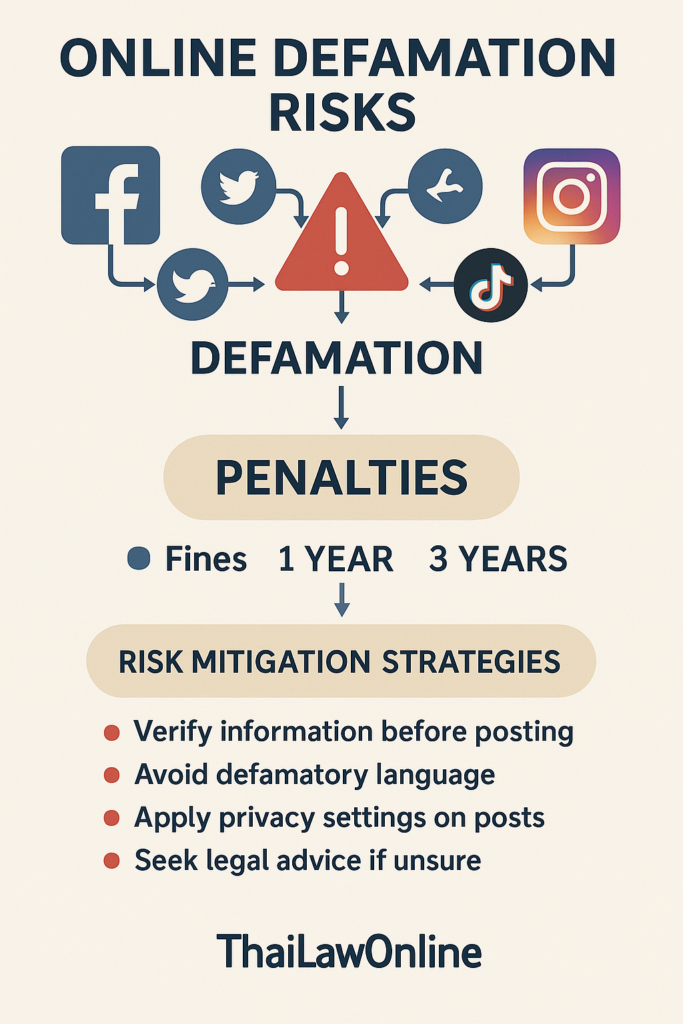
สำหรับกรอบกฎหมายพื้นฐาน โปรดดูคู่มือหลักของเราเกี่ยวกับ กฎหมายหมิ่นประมาทในประเทศไทย. สำหรับปัญหาที่เกี่ยวข้องกับการใช้งานออนไลน์โดยเฉพาะ โปรดดูคู่มือของเราเกี่ยวกับเรื่องนี้ การหมิ่นประมาททางออนไลน์และสื่อสังคมออนไลน์.
สารบัญ
1. ภาพรวมของข้อแก้ต่างในคดีหมิ่นประมาทในประเทศไทย
กฎหมายหมิ่นประมาทของไทยกำหนดประเภทการต่อสู้คดีหลักไว้ 8 ประเภท:
- ความสุจริตและผลประโยชน์ที่ชอบด้วยกฎหมาย (มาตรา 329(1))
- หน้าที่อย่างเป็นทางการ (มาตรา 329(2))
- การแสดงความคิดเห็นที่เป็นธรรมในเรื่องสาธารณะ (มาตรา 329(3))
- การรายงานการดำเนินคดีในศาลอย่างเป็นธรรม (มาตรา 329(4))
- ความจริงเพื่อประโยชน์สาธารณะ (มาตรา 330)
- สิทธิพิเศษโดยสมบูรณ์ในกระบวนการพิจารณาคดีในศาล (มาตรา 331)
- การยกฟ้องคดีปิดปาก (Anti-SLAPP) ตามมาตรา 161/1 แห่งประมวลกฎหมายวิธีพิจารณาความอาญา
- อายุความ (สามเดือนสำหรับคดีหมิ่นประมาททางอาญา)
แต่ละข้อแก้ตัวมีข้อกำหนดเฉพาะที่กำหนดไว้ในกฎหมายและตีความผ่านคำพิพากษาของศาลฎีกา ความสุจริตใจเป็นข้อกำหนดสำคัญที่สุดสำหรับข้อแก้ตัวส่วนใหญ่ จำเลยต้องแสดงให้เห็นว่าคำกล่าวอ้างนั้นไม่ได้เกิดจากความอาฆาตหรือความเกลียดชังส่วนตัว.
2. มาตรา 329: ข้อแก้ต่างตามกฎหมายสี่ประการ
ข้อแก้ต่างที่ 1: เพื่อความชอบธรรม ป้องกันตนหรือป้องกันส่วนได้เสียตามคลองธรรม (มาตรา 329(1))
จำเลยที่สามารถพิสูจน์ได้ว่าถ้อยแถลงดังกล่าวทำไปโดยสุจริตเพื่อแก้ข้อกล่าวหาหรือเพื่อปกป้องประโยชน์อันชอบธรรมจะพ้นความผิด ศาลฎีกาได้ตีความคำว่า “ประโยชน์อันชอบธรรม” ค่อนข้างกว้างในบางบริบท.
การแก้ต่างในกรณีนี้ต้องมีองค์ประกอบสองประการ ประการแรก จำเลยต้องมีผลประโยชน์ที่ชอบด้วยกฎหมายที่สามารถระบุได้ชัดเจน ประการที่สอง คำกล่าวต้องกระทำด้วยความสุจริตเพื่อปกป้องผลประโยชน์นั้น ความเชื่อมโยงระหว่างคำกล่าวกับผลประโยชน์ต้องเป็นไปโดยตรงและได้สัดส่วน.
ข้อแก้ต่างที่ 2: การปฏิบัติหน้าที่ในฐานะเจ้าพนักงาน (มาตรา 329(2))
เจ้าหน้าที่รัฐซึ่งปฏิบัติงานภายในขอบเขตหน้าที่ของตนได้รับความคุ้มครองที่มีเงื่อนไข รายงาน การประเมิน และการสื่อสารภายในสายการบังคับบัญชาจะได้รับความคุ้มครองเมื่อกระทำโดยสุจริต ข้อจำกัดสำคัญคือถ้อยแถลงนั้นจะต้องอยู่ในขอบเขตหน้าที่ของเจ้าหน้าที่ ความเห็นส่วนตัวที่แสดงออกนอกเหนือจากฐานะทางการจะไม่ได้รับความคุ้มครอง.
ข้อแก้ต่างที่ 3: การติชมด้วยความเป็นธรรมในเรื่องสาธารณะ (มาตรา 329(3))
นี่คือสิ่งที่เทียบเคียงได้ใกล้เคียงที่สุดกับการต่อสู้คดีเรื่อง “ความเห็นที่เป็นธรรม” ในระบบกฎหมายคอมมอนลอว์ จำเลยต้องแสดงให้เห็นองค์ประกอบสามประการ:
- หัวข้อดังกล่าวเป็นเรื่องที่ประชาชนให้ความสนใจอย่างแท้จริง.
- ความคิดเห็นนั้นเป็นธรรมและไม่ได้มีเจตนาร้าย.
- ความเห็นดังกล่าวเป็นการแสดงความคิดเห็น ไม่ใช่การกล่าวอ้างข้อเท็จจริงที่เป็นเท็จ.
มาตรา 329 (3) คุ้มครองการติชมด้วยความเป็นธรรมโดยสุจริต ซึ่งบุคคลหรือสิ่งใดอันเป็นวิสัยของประชาชนย่อมกระทำ ซึ่งเป็นวิธีที่มักใช้ต่อสู้คดีเมื่อมีการวิพากษ์วิจารณ์นักการเมือง เจ้าหน้าที่ของรัฐ และหน่วยงานของรัฐ ประมวลกฎหมายไม่ได้กำหนดเกณฑ์แยกต่างหากที่สูงกว่าสำหรับคดีที่บุคคลสาธารณะเป็นผู้ฟ้อง อย่างไรก็ตาม ข้อต่อสู้เรื่อง “การติชมด้วยความเป็นธรรม” ในประเทศไทยถูกตีความแคบกว่าในเขตอำนาจศาลตะวันตกส่วนใหญ่.
ข้อแก้ต่างที่ 4: การแจ้งข่าวด้วยความเป็นธรรม (มาตรา 329(4))
การรายงานข่าวอย่างเป็นธรรมเกี่ยวกับการพิจารณาคดีในศาลหรือการประชุมสาธารณะได้รับการคุ้มครอง การรายงานต้องเป็นธรรม ถูกต้อง และทำด้วยเจตนาสุจริต การคุ้มครองนี้มีความสำคัญอย่างยิ่งสำหรับนักข่าวและองค์กรสื่อที่รายงานข่าว ขั้นตอนการพิจารณาคดีอาญา หรือการประชุมของรัฐบาล.
3. มาตรา 330: การแก้ต่างโดยอ้างความจริงและข้อจำกัดของการแก้ต่างดังกล่าว
มาตรา 330 อนุญาตให้จำเลยพิสูจน์ความจริงของข้อกล่าวหาหมิ่นประมาทได้ อย่างไรก็ตาม การต่อสู้คดีนี้มีข้อจำกัดที่สำคัญซึ่งทำให้กฎหมายไทยแตกต่างจากระบบกฎหมายตะวันตกส่วนใหญ่.
ข้อกำหนดด้านผลประโยชน์สาธารณะ
มาตรา 330 ให้จำเลยพิสูจน์ได้ว่าข้อที่หาว่าเป็นหมิ่นประมาทนั้นเป็นความจริง และจำเลยที่พิสูจน์ได้ไม่ต้องรับโทษ ข้อห้ามมีเพียงข้อเดียวซึ่งแคบแต่สำคัญ: ห้ามมิให้พิสูจน์เลยหากข้อที่หาเป็นการใส่ความในเรื่องส่วนตัว และการพิสูจน์จะไม่เป็นประโยชน์แก่ประชาชน แม้ข้อความที่เป็นความจริงทั้งหมดก็อาจนำไปสู่การลงโทษได้ หากเกี่ยวข้องเฉพาะกับชีวิตส่วนตัวของผู้เสียหาย.
ภาระการพิสูจน์ตกอยู่กับจำเลย
ภาระการพิสูจน์ตกอยู่กับจำเลย ซึ่งต้องพิสูจน์ว่าข้อความนั้นเป็นความจริง และในกรณีที่เกี่ยวกับเรื่องส่วนตัว ต้องพิสูจน์ด้วยว่าการพิสูจน์นั้นจะเป็นประโยชน์แก่ประชาชน ซึ่งตรงกันข้ามกับระบบกฎหมายตะวันตกหลายแห่งที่ฝ่ายโจทก์มีภาระพิสูจน์ว่าข้อความนั้นเป็นเท็จ.
อะไรคือ “ผลประโยชน์สาธารณะ”
คำพิพากษาของศาลฎีกาได้กำหนดไว้แล้วว่า โดยทั่วไปแล้วข้อกล่าวหาเกี่ยวกับการทุจริตในภาครัฐจะได้รับการคุ้มครองเนื่องจากเป็นการกระทำเพื่อประโยชน์สาธารณะ ส่วนข้อพิพาททางธุรกิจหรือความขัดแย้งส่วนบุคคลมักจะไม่ได้รับการคุ้มครอง ศาลจะพิจารณาข้อความโดยรวม ศาลไม่สามารถแยกส่วนส่วนบุคคลออกจากส่วนสาธารณะได้ เว้นแต่ว่าจะไม่เกี่ยวข้องกันอย่างชัดเจนหรือเป็นการกล่าวหาโดยเจตนาร้าย.
การเปรียบเทียบกับระบบกฎหมายคอมมอนลอว์
ในสหรัฐอเมริกาและสหราชอาณาจักร ความจริงโดยทั่วไปถือเป็นข้อแก้ตัวที่สมบูรณ์แบบในการหมิ่นประมาท แต่ในประเทศไทย ความจริงเป็นเพียงข้อแก้ตัวบางส่วนเท่านั้น นี่เป็นหนึ่งในความแตกต่างที่สำคัญที่สุดที่ชาวต่างชาติควรเข้าใจ พฤติกรรมที่ถูกต้องตามกฎหมายในประเทศของคุณอาจเป็นอาชญากรรมในประเทศไทย.
4. มาตรา 331: เอกสิทธิ์โดยสมบูรณ์ในกระบวนการพิจารณาคดีในศาล
คำแถลงที่ทำโดยคู่ความหรือทนายความของตนในระหว่างกระบวนพิจารณาคดีในศาลได้รับความคุ้มครองเด็ดขาดตามมาตรา 331 ความเห็นหรือถ้อยแถลงใดๆ ที่แสดงออกในศาลเพื่อสนับสนุนคดีของคู่ความย่อมไม่ก่อให้เกิดความรับผิดฐานหมิ่นประมาท การรับรองนี้ตระหนักถึงความจำเป็นของการว่าความอย่างเสรีในกระบวนการยุติธรรม.
เอกสิทธิ์นี้เป็นเอกสิทธิ์เด็ดขาด โดยไม่ต้องอาศัยความสุจริต อย่างไรก็ตาม เอกสิทธิ์นี้จำกัดอยู่เฉพาะข้อแถลงที่ทำขึ้นในบริบทของการดำเนินกระบวนพิจารณาในศาลและเพื่อสนับสนุนคดีของคู่ความเท่านั้น ข้อแถลงที่ทำขึ้นนอกศาล แม้จะเป็นเรื่องเดียวกัน ก็จะไม่ได้รับความคุ้มครอง.
5. การคุ้มครองจากการฟ้องร้องเพื่อปิดปาก (Anti-SLAPP Protections) ภายใต้ประมวลกฎหมายวิธีพิจารณาความอาญา
มาตรา 161/1 แห่งประมวลกฎหมายวิธีพิจารณาความอาญา: การยกฟ้องคดีที่ฟ้องโดยไม่สุจริต
นับตั้งแต่มีการแก้ไขเพิ่มเติมประมวลกฎหมายวิธีพิจารณาความอาญาในปี 2019 ศาลต้องพิพากษายกฟ้องคดีอาญาที่ราษฎรเป็นโจทก์ รวมถึงคดีหมิ่นประมาท ที่ฟ้องโดยไม่สุจริตหรือโดยบิดเบือนข้อเท็จจริงเพื่อกลั่นแกล้งหรือเอาเปรียบจำเลย มาตรา 161/1 ยังห้ามมิให้ฟ้องคดีที่ถูกยกฟ้องนั้นอีก นี่คือบทบัญญัติป้องกันการฟ้องคดีปิดปาก (SLAPP) หลักของประเทศไทย.
มาตรา 165/2 แห่งประมวลกฎหมายวิธีพิจารณาความอาญา: หลักฐานในชั้นการไต่สวนเบื้องต้น
มาตรา 165/2 อนุญาตให้จำเลยยื่นหลักฐานในขั้นตอนการไต่สวนเบื้องต้น ซึ่งรวมถึงเอกสาร พยาน และข้อโต้แย้งทางกฎหมาย มาตรานี้ทำให้ศาลสามารถคัดกรองคดีที่ไม่มีมูลความจริงก่อนที่จะดำเนินคดีต่อไป ซึ่งเป็นการสร้างกลไกการกรองที่คล้ายกับคำร้องต่อต้าน SLAPP ในเขตอำนาจศาลต่างๆ เช่น รัฐแคลิฟอร์เนีย.
ประสิทธิผลในทางปฏิบัติ
บทบัญญัติเหล่านี้แสดงถึงความก้าวหน้าที่สำคัญ อย่างไรก็ตาม การศึกษาโดยมูลนิธิคลูนีย์เพื่อความยุติธรรมพบว่า ไม่มีคดี SLAPP ใดเลยจาก 36 คดีที่ถูกยกฟ้องได้สำเร็จภายใต้การคุ้มครองเหล่านี้ การบังคับใช้ยังคงไม่สม่ำเสมอ ศาลยังคงอยู่ระหว่างการพัฒนาแนวทางในการนำบทบัญญัติใหม่เหล่านี้ไปใช้.
แม้ว่าจะมีข้อจำกัดอยู่บ้าง แต่จำเลยควรยกข้อแก้ต่างเหล่านี้ขึ้นมาเสมอเมื่อเผชิญกับข้อกล่าวหาหมิ่นประมาทที่ดูเหมือนจะมีเจตนาแก้แค้นหรือกลั่นแกล้ง.
6. การอ้างอายุความเพื่อเป็นข้อแก้ตัว
ความผิดฐานหมิ่นประมาททางอาญาเป็นความผิดอันยอมความได้ตาม มาตรา 333 แห่งประมวลกฎหมายอาญา. มาตรา 96 แล้วบัญญัติว่า ในกรณีความผิดอันยอมความได้ หากผู้เสียหายไม่ได้ร้องทุกข์ภายในสามเดือนนับแต่วันที่รู้ถึงความผิด และ ผู้กระทำความผิด คดีเป็นอันขาดอายุความ เงื่อนไขทั้งสองประการต้องครบถ้วนก่อนที่ระยะเวลาจะเริ่มนับ และการพ้นกำหนดเวลาดังกล่าวทำให้สิทธิในการดำเนินคดีระงับสิ้นไป.
กรอบเวลาสามเดือนนี้อาจเป็นข้อต่อสู้ที่มีประสิทธิภาพในกรณีที่ผู้ร้องทุกข์ดำเนินการล่าช้า อย่างไรก็ตาม การนับระยะเวลาอาจซับซ้อนในกรณีที่ความเสียหายยังคงเกิดขึ้นต่อเนื่องหรือมีการรู้เรื่องล่าช้า คำร้องทุกข์ที่ยื่นเกินกำหนดเวลาย่อมไม่เหลือสิ่งใดให้ดำเนินคดี: พนักงานสอบสวนจะทำการสอบสวนในความผิดอันยอมความได้โดยไม่มีคำร้องทุกข์ที่ถูกต้องไม่ได้ (มาตรา 121 แห่งประมวลกฎหมายวิธีพิจารณาความอาญา) และศาลที่เห็นว่าคดีขาดอายุความต้องพิพากษายกฟ้อง (มาตรา 185) ถึงกระนั้นก็ควรยกประเด็นนี้ขึ้นต่อสู้ พร้อมหลักฐานว่าผู้ร้องทุกข์รู้ถึงข้อความดังกล่าวเมื่อใด.
สำหรับการหมิ่นประมาททางแพ่งภายใต้ ประมวลกฎหมายแพ่งและพาณิชย์, ระยะเวลาอายุความคือหนึ่งปีนับแต่วันที่รู้หรือสิบปีนับแต่ การกระทำละเมิด.
7. คดีตัวอย่างเรื่องข้อต่อสู้คดีหมิ่นประมาท
คดีตัวอย่างด้านล่างนี้กำหนดรูปแบบการทำงานของการต่อสู้คดีในทางปฏิบัติ ศาลที่ตัดสินคดีแต่ละคดีระบุไว้ด้วยเนื่องจากมีความสำคัญ นั่นคือ คำพิพากษาศาลฎีกาถือเป็นบรรทัดฐานทางกฎหมาย ในขณะที่คำพิพากษายกฟ้องในศาลชั้นต้นแสดงให้เห็นถึงวิธีการต่อสู้คดีที่ได้รับการหยิบยกขึ้นและยอมรับในคดีหนึ่ง ๆ และไม่มีผลผูกพันศาลใด ๆ ในกรณีที่มีการระบุเลขคดีศาลฎีกา คำพิพากษาดังกล่าวได้รับการตรวจสอบจากต้นฉบับภาษาไทยแล้ว.
คำพิพากษาศาลฎีกาที่ 321/2568 (2025): ป้ายผ้าที่วิพากษ์วิจารณ์ผู้ว่าราชการจังหวัด
ข้อเท็จจริง: จำเลยได้ติดตั้งป้ายไวนิลขนาดใหญ่สองป้ายริมทางหลวงสาธารณะสายหลัก โดยป้ายดังกล่าวแสดงภาพของผู้ว่าราชการจังหวัดเพชรบูรณ์คู่กับข้อกล่าวหาว่าผู้ว่าราชการจังหวัด “เอื้อประโยชน์ให้นายทุนและนักการเมือง” ด้วยการแปลงที่ดินป่าไม้ให้แก่ผู้บุกรุก.
ผลการวินิจฉัย: ศาลฎีกายืนคำพิพากษาว่ามีความผิดทั้งฐานดูหมิ่นเจ้าพนักงาน (มาตรา 136) และหมิ่นประมาทด้วยการโฆษณา (มาตรา 328) จำเลยถูกสั่งให้ชดใช้ค่าเสียหายทางแพ่ง 500,000 บาท ค่าเสียหาย บวกดอกเบี้ย.
หลักการสำคัญ:
- การวิพากษ์วิจารณ์เจ้าหน้าที่ของรัฐเป็นสิ่งที่อนุญาตได้ แต่ต้องอยู่บนพื้นฐานของข้อเท็จจริงและแสดงออกด้วยเจตนาที่ดี.
- ป้ายขนาดใหญ่ในพื้นที่สาธารณะถือเป็นการ “โฆษณา” ตามมาตรา 328.
- การใช้มาตรา 329 เป็นข้อแก้ตัวนั้น จำเป็นต้องมีหลักฐานข้อเท็จจริงที่พิสูจน์ได้ การเพียงแค่เชื่อว่ามีการกระทำผิดเกิดขึ้นนั้นไม่เพียงพอ จำเลยควรดำเนินการตามกระบวนการทางกฎหมายที่ถูกต้อง.
- ศาลได้ตรวจสอบสถานที่ตั้ง ขนาด และกลุ่มเป้าหมายของป้ายโฆษณาเพื่อพิจารณาเจตนาในการสื่อสาร.
คำพิพากษาศาลฎีกาที่ 4403/2566: โพสต์ออนไลน์เป็นการโฆษณา และ พ.ร.บ.คอมพิวเตอร์ เพิ่มโทษ
ผลการวินิจฉัย: การโพสต์ข้อความเกี่ยวกับผู้เสียหายบนโซเชียลเน็ตเวิร์กเป็นการหมิ่นประมาทด้วยการโฆษณาตามมาตรา 328 ไม่ใช่ความผิดฐานหมิ่นประมาทธรรมดาตามมาตรา 326 ศาลยังวินิจฉัยด้วยว่าความผิดตามมาตรา 328 และความผิดตามมาตรา 14(4) แห่ง พระราชบัญญัติว่าด้วยการกระทำความผิดเกี่ยวกับคอมพิวเตอร์ พ.ศ. 2550 คือ ความผิดสองกรรมต่างกัน, และให้ลงโทษรวมกันตามมาตรา 91 เนื่องจากบทบัญญัติทั้งสองมาตราคุ้มครองประโยชน์ที่แตกต่างกัน กล่าวคือ มาตรา 328 คุ้มครองชื่อเสียงของผู้เสียหาย ในขณะที่บทบัญญัติแห่งพระราชบัญญัติว่าด้วยการกระทำความผิดเกี่ยวกับคอมพิวเตอร์คุ้มครองประชาชน ศาลอุทธรณ์พิพากษากลับ และให้บังคับคดีไปตามคำพิพากษาศาลชั้นต้น.
ความสำคัญ: มาตรา 328 ขยายเพดานโทษจำคุกเป็นสองปี และ โทษปรับไม่เกิน 200,000 บาท และโทษตามมาตรา 326 คือจำคุกหนึ่งปีหรือปรับ 20,000 บาท หรือทั้งจำทั้งปรับ จะไม่นำมาใช้อีกต่อไป โพสต์ออนไลน์ยังอาจทำให้ถูกลงโทษแยกต่างหากอีกกระทงหนึ่งตามพระราชบัญญัติว่าด้วยการกระทำความผิดเกี่ยวกับคอมพิวเตอร์ แทนที่จะถูกรวมเข้าไปในข้อหาหมิ่นประมาท.
คำพิพากษาศาลฎีกาที่ 1861/2561: หลักบุคคลสาธารณะ (คดีนายกรัฐมนตรี)
ข้อเท็จจริง: นักการเมืองซึ่งเคยดำรงตำแหน่งฝ่ายบริหารสูงสุดในฐานะนายกรัฐมนตรี ได้ยื่นฟ้องพรรคการเมืองและผู้ปราศรัยของพรรค กรณีมีข้อความโจมตีเขา.
ผลการวินิจฉัย: ศาลฎีกาเริ่มต้นจากเจตนารมณ์ของมาตรา 329 ซึ่งมีขึ้นเพื่อให้ผู้แสดงความคิดเห็นหรือข้อความโดยสุจริตไม่เป็นความผิด และเพื่อให้ยังคงสามารถวิจารณ์ได้ภายในขอบเขตที่กฎหมายกำหนด การวิจารณ์จะทำได้มากน้อยเพียงใดนั้น มิได้ขึ้นอยู่กับองค์ประกอบความผิดเพียงอย่างเดียว แต่ต้องพิจารณาถึงความสัมพันธ์ระหว่างผู้พูดกับผู้ถูกวิจารณ์ สถานที่เกิดเหตุ และพฤติการณ์แวดล้อมที่ทำให้เกิดเรื่องดังกล่าวด้วย เนื่องจากโจทก์ดำรงตำแหน่งฝ่ายบริหารสูงสุดและเป็นผู้นำประเทศ สังคมทุกระดับทั้งในประเทศไทยและต่างประเทศจึงคาดหวังให้โจทก์เป็นผู้มีความซื่อสัตย์สุจริต ซึ่งพฤติกรรมต้องมีความโปร่งใสและสามารถตรวจสอบได้ในทุกแง่มุม ทั้งทางตรงและทางอ้อม ทั้งในมิติของกฎหมายและศีลธรรม บุคคลสาธารณะเช่นนั้นย่อมต้องยอมรับการวิจารณ์ให้กว้างขวาง และผู้ที่มีส่วนได้เสียย่อมสามารถแสดงความคิดเห็นโดยสุจริตได้ การพิพากษายืนยกฟ้องจำเลยที่ 1 และที่ 2 นั้นชอบด้วยมาตรา 329(3) แล้ว.
ความสำคัญ: นี่คือแนวคำพิพากษาของไทยที่ใกล้เคียงที่สุดกับหลักบุคคลสาธารณะของตะวันตก โปรดสังเกตว่าข้อแก้ต่างใดเป็นฐานของคำวินิจฉัย: มาตรา 329(3) การติชมด้วยความเป็นธรรมซึ่งบุคคลหรือสิ่งใดอันเป็นวิสัยของประชาชนย่อมกระทำ มิใช่ข้อต่อสู้เรื่องความจริง ยิ่งดำรงตำแหน่งสาธารณะสูงเท่าใด ผู้ดำรงตำแหน่งก็ยิ่งต้องอดทนต่อการวิพากษ์วิจารณ์ให้กว้างขวางมากขึ้นเท่านั้น.
คดีแอนดี ฮอลล์: ศาลฎีกายกฟ้อง, 30 มิถุนายน 2563 (บริษัท เนเชอรัล ฟรุต จำกัด กับ แอนดี ฮอลล์)
ข้อเท็จจริง: แอนดี้ ฮอลล์ นักวิจัยด้านสิทธิมนุษยชนชาวอังกฤษ ถูกตั้งข้อหาหมิ่นประมาทและละเมิดพระราชบัญญัติว่าด้วยการกระทำความผิดเกี่ยวกับคอมพิวเตอร์ เขาเป็นผู้ร่วมเขียนรายงานขององค์กรพัฒนาเอกชนฟินแลนด์ Finnwatch ซึ่งบันทึกการละเมิดแรงงานในโรงงานแปรรูปสับปะรด.
ผลการวินิจฉัย: ศาลฎีกาได้ยืนยันคำตัดสินยกฟ้อง มีความเป็นไปได้จริงที่จะมีการละเมิดสิทธิแรงงานในโรงงาน รายงานดังกล่าวจัดทำขึ้นด้วยความสุจริตเพื่อปกป้องผลประโยชน์ที่ชอบด้วยกฎหมาย.
ความสำคัญ: การรายงานเกี่ยวกับแนวปฏิบัติขององค์กรโดยสุจริตและมีหลักฐานสนับสนุน ถือเป็นข้อแก้ตัวตามมาตรา 329 ได้ แม้ว่ารายงานนั้นจะถูกเผยแพร่ในระดับนานาชาติและก่อให้เกิดความเสียหายต่อชื่อเสียงอย่างร้ายแรงก็ตาม.
นักข่าวภูเก็ตวาน: อลัน มอริสัน และ ชุติมา สีดาเสถียร (ศาลจังหวัดภูเก็ต, พ.ศ. 2558)
ข้อเท็จจริง: ผู้สื่อข่าวจากสำนักข่าวภูเก็ตวานถูกกองทัพเรือไทยดำเนินคดี หลังจากนำย่อหน้าหนึ่งจากรายงานของสำนักข่าวรอยเตอร์เกี่ยวกับวิกฤตชาวโรฮิงญาและการกล่าวหาว่ากองทัพเรือไทยมีส่วนเกี่ยวข้องกับการค้ามนุษย์มาเผยแพร่ซ้ำ ข้อหาดังกล่าวคือความผิดฐานหมิ่นประมาทด้วยการโฆษณาตามประมวลกฎหมายอาญามาตรา 326 และ 328 และมาตรา 14(1) แห่งพระราชบัญญัติว่าด้วยการกระทำความผิดเกี่ยวกับคอมพิวเตอร์ ซึ่งมีอัตราโทษจำคุกรวมกันสูงสุดถึงเจ็ดปี.
ผลการวินิจฉัย: ศาลจังหวัดภูเก็ตพิพากษายกฟ้องจำเลยทั้งสองเมื่อวันที่ 1 กันยายน 2558 โดยศาลวินิจฉัยว่าถ้อยคำดังกล่าวไม่เป็นความหมิ่นประมาทเนื่องจากรายงานข่าวดังกล่าวเป็นประโยชน์ต่อสังคม และพ.ร.บ. คอมพิวเตอร์ไม่ได้มีเจตนาให้นำมาใช้กับคดีหมิ่นประมาท.
ความสำคัญ: นี่เป็นคำพิพากษาศาลชั้นต้น ไม่ใช่คำพิพากษาของศาลฎีกา จึงไม่ได้ยุติอะไรสำหรับคดีในอนาคต เรื่องนี้น่ารู้เพราะวิธีที่ชนะคดี: ฝ่ายจำเลยประสบความสำเร็จที่ องค์ประกอบ ความผิด โดยใช้ข้อต่อสู้ที่ว่าถ้อยคำดังกล่าวไม่ได้เป็นการหมิ่นประมาทเลย แทนที่จะอิงตามมาตรา 330 หรือมาตรา 329 นั่นมักจะเป็นจุดยืนที่แข็งแกร่งกว่าในการต่อสู้ เนื่องจากมาตรา 330 เป็นเพียงการยกเว้นโทษเท่านั้น และมาตรา 329(4) นั้นจำกัดอยู่แค่รายงานกระบวนพิจารณาของศาลหรือการประชุม ซึ่งบทความข่าวเกี่ยวกับการค้ามนุษย์ไม่ใช่เช่นนั้น.
ชัยชนะของแรงงานเมียนมา (คดีธรรมเกษตร ศาลชั้นต้น ปี 2018)
ข้อเท็จจริง: ศาลกรุงเทพฯ ยกฟ้องคดีหมิ่นประมาทต่อแรงงานชาวเมียนมาร์ 14 คนที่ร้องเรียนเรื่องการละเมิดสิทธิแรงงานในฟาร์มไก่ธรรมเกษตร.
ผลการวินิจฉัย: คนงานได้ยื่นเรื่องร้องเรียนต่อคณะกรรมการสิทธิมนุษยชนแห่งชาติของประเทศไทยด้วยความสุจริตใจ พวกเขาไม่ได้ให้ข้อมูลที่เป็นเท็จ.
ความสำคัญ: การร้องเรียนผ่านช่องทางที่เป็นทางการพร้อมด้วยหลักฐานสนับสนุนอาจได้รับความคุ้มครองทางกฎหมาย สิ่งนี้สร้างบรรทัดฐานสำคัญสำหรับสิทธิแรงงาน อย่างไรก็ตาม มันยังคงเป็นข้อยกเว้นในภูมิทัศน์การหมิ่นประมาทของประเทศไทย.
คำพิพากษาศาลฎีกาที่ 509-510/2553: การร้องเรียน การถูกเพิกเฉย และการนำออกสู่สาธารณะ
ข้อเท็จจริง: ราษฎรตำบลบางม่วงได้ยื่นเรื่องร้องเรียนเป็นลายลักษณ์อักษรว่า ผู้สมัครรับเลือกตั้งสมาชิกสภาองค์การบริหารส่วนตำบลไม่ได้มีถิ่นพำนักในพื้นที่ตามระยะเวลาที่กำหนด และได้ใช้ทะเบียนบ้านปลอมในการสมัคร นายอำเภอเมืองนครสวรรค์ผู้กำกับดูแลองค์การบริหารส่วนตำบลดังกล่าว ไม่ได้สั่งให้มีการสอบสวนข้อเท็จจริงเกี่ยวกับเรื่องร้องเรียนดังกล่าวและไม่ได้ตอบกลับเมื่อราษฎรผู้ร้องเรียนได้ติดตามทวงถาม ต่อมาราษฎรรายดังกล่าวและบรรณาธิการหนังสือพิมพ์ท้องถิ่นจึงได้ตีพิมพ์บทความระบุถึงเหตุดังกล่าว ทั้งสองคนถูกศาลชั้นต้นพิพากษาลงโทษจำคุก 1 ปี และปรับ 21,000 บาท.
ผลการวินิจฉัย: ศาลฎีกายืนตามคำพิพากษาศาลอุทธรณ์ให้ยกฟ้อง ในฐานะที่เป็นราษฎรในตำบล จำเลยที่ 1 ย่อมมีส่วนได้เสียโดยชอบธรรมในการบริหารงานขององค์การบริหารส่วนตำบลและบุคคลที่จะเข้ามาดำรงตำแหน่งในสภาองค์การบริหารส่วนตำบล และไม่มีข้อเท็จจริงใดแสดงว่าจำเลยทั้งสองมีเจตนาใส่ร้ายนายอำเภอโดยไม่สุจริต บทความดังกล่าวจึงเป็นการแสดงความคิดเห็นหรือข้อความโดยสุจริตเพื่อป้องกันส่วนได้เสียเกี่ยวกับตนตามคลองธรรม และเป็นการติชมด้วยความเป็นธรรมในเรื่องที่ประชาชนย่อมวิพากษ์วิจารณ์ได้ ไม่มีความผิดตามประมวลกฎหมายอาญา มาตรา 329 (1) และ (3).
ความสำคัญ: คดีนี้เป็นการถ่วงดุลกับคำพิพากษาศาลฎีกาที่ 655/2567 และ 321/2568 สองคดีแรกวินิจฉัยว่าการหลีกเลี่ยงช่องทางที่เป็นทางการเป็นการทำลายความสุจริต ส่วนคดีนี้วินิจฉัยว่าเมื่อได้ใช้ช่องทางดังกล่าวแล้วแต่กลับถูกเพิกเฉย การออกมาพูดต่อสาธารณชนยังคงถือว่ากระทำโดยสุจริตได้ และผู้อยู่อาศัยทั่วไปย่อมมีส่วนได้เสียอันชอบธรรมต่อการดำเนินงานขององค์กรปกครองท้องถิ่นที่ตนสังกัด ลำดับขั้นตอนเป็นสิ่งสำคัญ: ร้องเรียนก่อน แล้วจึงเผยแพร่ทีหลัง.
คำพิพากษาเหล่านี้สอดคล้องกันอย่างไร
มาตรา 329(1) ไม่ใช่ใบอนุญาต และมาตรา 329(3) ไม่ใช่สิทธิทั่วไปในการวิจารณ์ จากคำพิพากษาข้างต้น คำถามเดียวกันนี้เป็นตัวตัดสินทุกคดี ได้แก่ ผู้พูดกำลังปกป้องส่วนได้เสียที่แท้จริงของตนเองผ่านช่องทางที่เหมาะสม หรือกำลังเรียกร้องความสนใจจากผู้ชมกันแน่ รากฐานข้อเท็จจริง ผู้ฟังที่มีสัดส่วนเหมาะสม และการใช้ช่องทางทางการเป็นอันดับแรก คือสิ่งที่ศาลให้การยอมรับอย่างแท้จริง การแต่งเติมเรื่องราว การเลือกใช้แพลตฟอร์มสาธารณะแทนที่จะเป็นการร้องเรียน และข้อกล่าวหาที่ผู้พูดไม่เคยตรวจสอบ คือสิ่งที่ศาลลงโทษ.
8. ภาระการพิสูจน์ในคดีหมิ่นประมาท
การเข้าใจว่าใครเป็นผู้รับภาระในการพิสูจน์นั้นเป็นสิ่งสำคัญในคดีหมิ่นประมาทของไทย.
การหมิ่นประมาททางอาญา
ฝ่ายโจทก์ต้องพิสูจน์องค์ประกอบทั้งสามประการของการหมิ่นประมาทให้ได้โดยปราศจากข้อสงสัย ได้แก่ การกล่าวหา การสื่อสารต่อหน้าบุคคลที่สาม และความเป็นไปได้ที่จะเกิดความเสียหายต่อชื่อเสียง อย่างไรก็ตาม เมื่อพิสูจน์องค์ประกอบเหล่านี้ได้แล้ว ภาระการพิสูจน์จะตกอยู่กับจำเลยที่จะต้องพิสูจน์ข้อแก้ตัวที่เกี่ยวข้อง.
ข้อแก้ต่างโดยอ้างความจริง
ตามมาตรา 330 จำเลยต้องพิสูจน์ว่าข้อความนั้นเป็นความจริง และในกรณีที่เกี่ยวกับเรื่องส่วนตัว ต้องพิสูจน์ว่าการพิสูจน์นั้นจะเป็นประโยชน์แก่ประชาชน ซึ่งตรงกันข้ามกับระบบคอมมอนลอว์ที่โจทก์เป็นฝ่ายพิสูจน์ว่าข้อความเป็นเท็จ.
ข้อแก้ต่างกรณีกระทำโดยสุจริต
สำหรับข้อต่อสู้ตามมาตรา 329 จำเลยต้องพิสูจน์ให้เห็นถึงความสุจริต ศาลจะพิจารณาพฤติการณ์ทั้งหมดรวมถึงความรู้ แรงจูงใจของจำเลย และลักษณะวิธีการในการกล่าวถ้อยคำนั้น.
การหมิ่นประมาททางแพ่ง
ภายใต้มาตรา 423 ของประมวลกฎหมายแพ่งและพาณิชย์ โจทก์ต้องพิสูจน์ว่าคำกล่าวอ้างนั้นเป็นเท็จ ก่อให้เกิดความเสียหายจริง และจำเลยรู้หรือควรจะรู้ถึงความเท็จนั้น มาตรฐานความประมาททำให้โจทก์สามารถพิสูจน์ความรับผิดได้ง่ายขึ้น.
9. คำถามที่พบบ่อย
วลี “ในความคิดเห็นของฉัน” สามารถปกป้องฉันจากการถูกฟ้องร้องข้อหาหมิ่นประมาทได้หรือไม่?
โดยทั่วไปแล้ว ไม่ช่วย มาตรา 326 พิจารณาว่าข้อความที่ใส่ความนั้นน่าจะทำให้ผู้อื่นเสียชื่อเสียงหรือไม่ ไม่ว่าจะใช้ถ้อยคำอย่างไร ดังนั้นการใช้ถ้อยคำแบบเลี่ยงหรือสงวนท่าทีจึงไม่ได้เปลี่ยนสิ่งที่ถ้อยคำนั้นใส่ความ คำว่า “ตามที่มีการกล่าวหา” “ตามที่มีข่าวลือ” และ “ในความเห็นส่วนตัว” ไม่ได้ให้ความคุ้มครองใดๆ หากข้อความนั้นน่าจะทำให้เสียชื่อเสียง.
ความจริงเพียงอย่างเดียวจะช่วยให้ฉันรอดพ้นจากการถูกตัดสินลงโทษได้หรือไม่?
โดยปกติแล้ว หากคุณพิสูจน์ได้: ตามมาตรา 330 จำเลยที่พิสูจน์ได้ว่าข้อที่หาว่าเป็นหมิ่นประมาทนั้นเป็นความจริงไม่ต้องรับโทษ ข้อยกเว้นคือเรื่องส่วนตัวที่การพิสูจน์จะไม่เป็นประโยชน์แก่ประชาชน ซึ่งห้ามมิให้พิสูจน์เลย ดังนั้นข้อความที่เป็นความจริงเกี่ยวกับชีวิตส่วนตัวของบุคคลอื่นก็ยังอาจนำไปสู่การลงโทษได้.
จะเกิดอะไรขึ้นหากผู้ร้องเรียนยื่นเรื่องหลังจากครบกำหนดสามเดือน?
คดีนี้ควรถูกยกฟ้อง อายุความสามเดือนสำหรับความผิดอันยอมความได้เป็นกำหนดเวลาที่เคร่งครัด ศาลที่เห็นว่าคดีขาดอายุความต้องพิพากษายกฟ้องตามมาตรา 185 แห่งประมวลกฎหมายวิธีพิจารณาความอาญา ไม่ว่าจำเลยจะยกประเด็นนี้ขึ้นหรือไม่ แต่การยกประเด็นนี้ขึ้นพร้อมหลักฐานแสดงวันที่ก็ยังเป็นแนวทางที่ปลอดภัย.
ฉันสามารถใช้บทบัญญัติต่อต้าน SLAPP เพื่อให้คดีถูกยกฟ้องได้หรือไม่?
ได้ ตามมาตรา 161/1 แห่งประมวลกฎหมายวิธีพิจารณาความอาญา ในกรณีที่ราษฎรเป็นโจทก์ฟ้องคดีเองแทนที่พนักงานอัยการจะเป็นผู้ฟ้อง คุณต้องแสดงให้เห็นว่าการฟ้องนั้นกระทำโดยไม่สุจริตหรือเพื่อกลั่นแกล้ง ตามมาตรา 165/2 คุณสามารถแถลงต่อศาลในชั้นไต่สวนมูลฟ้องว่าเหตุใดคดีจึงไม่มีมูล และระบุชื่อบุคคลและเอกสารที่สนับสนุนคุณ และศาลอาจเรียกบุคคลและเอกสารเหล่านั้นมาเป็นพยานศาลได้ อย่างไรก็ตาม อัตราความสำเร็จยังคงต่ำ.
ผู้แจ้งเบาะแสได้รับการคุ้มครองหรือไม่?
การคุ้มครองมีจำกัด กรณีของแรงงานชาวเมียนมาแสดงให้เห็นว่าการร้องเรียนที่ส่งผ่านช่องทางทางการอย่างสุจริตสามารถได้รับการคุ้มครองได้ อย่างไรก็ตาม ประเทศไทยไม่มีกฎหมายคุ้มครองผู้แจ้งเบาะแสอย่างครอบคลุม โดยการพิจารณาแต่ละกรณีจะขึ้นอยู่กับความเหมาะสม.
กำลังเผชิญข้อกล่าวหาหมิ่นประมาทและต้องการทำความเข้าใจทางเลือกในการแก้ต่างของคุณหรือไม่? จองคิวปรึกษา โดยมีทนายความผู้มีประสบการณ์จาก ThaiLawOnline ให้คำปรึกษา การต่อสู้คดีอาญา.
ตรวจทานล่าสุด: 5 กันยายน 2026 คำพิพากษาศาลฎีกาที่มีเลขคดีทั้งห้าเรื่องที่อ้างถึงในหน้านี้ได้รับการอ่านจากตัวบทภาษาไทยเทียบกับข้อความของศาลเองจนถึงคำวินิจฉัยชี้ขาด และแต่ละเรื่องได้รายงานไว้อย่างถูกต้อง รวมถึงการระบุว่าอนุมาตราใดของมาตรา 329 เป็นฐานของผลคดี ได้แก่ 1861/2561 (ยืนยกฟ้องตามมาตรา 329(3)) 655/2567 (ไม่รับมาตรา 329(1) ยืนตามคำพิพากษาลงโทษ) 509-510/2553 (ไม่เป็นความผิดตามมาตรา 329(1) และ (3) พิพากษายืน) 321/2568 (ยืนตามมาตรา 136 และ 328 ไม่รับมาตรา 329(1) และ (3) ค่าเสียหาย 500,000 บาท) และ 4403/2566 (ลงโทษตามมาตรา 328 และมาตรา 14(4) แห่งพระราชบัญญัติว่าด้วยการกระทำความผิดเกี่ยวกับคอมพิวเตอร์ เรียงกระทงลงโทษตามมาตรา 91 กลับคำพิพากษาศาลอุทธรณ์) ส่วนคดีสามเรื่องที่กล่าวถึงโดยไม่มีเลขคำพิพากษา ได้แก่ Andy Hall, Phuketwan และ Thammakaset ได้รับการรายงานอย่างกว้างขวาง แต่ไม่ได้ตรวจสอบซ้ำในที่นี้ และควรถือเป็นข้อมูลภูมิหลังมากกว่าการอ้างอิงทางกฎหมาย อ่านซ้ำเมื่อวันที่ 4 ตุลาคม 2026: มาตรา 96 และ 330 แห่งประมวลกฎหมายอาญา และมาตรา 39, 121, 161/1 และ 185 แห่งประมวลกฎหมายวิธีพิจารณาความอาญา ได้รับการอ่านจากตัวบทภาษาไทย ข้อต่อสู้เรื่องการพิสูจน์ความจริงเคยถูกอธิบายไว้แคบเกินไป ราวกับว่าต้องเป็นประโยชน์แก่ประชาชนในทุกกรณี ทั้งที่มาตรา 330 ห้ามพิสูจน์เฉพาะเรื่องส่วนตัวซึ่งการพิสูจน์จะไม่เป็นประโยชน์แก่ประชาชนเท่านั้น ข้อความที่ว่าจำเลยเป็นฝ่ายต้องยกประเด็นอายุความขึ้นต่อสู้ และศาลจะไม่หยิบยกขึ้นเองนั้นไม่ถูกต้อง เพราะมาตรา 185 กำหนดให้ศาลยกฟ้องคดีที่ขาดอายุความ และปัจจุบันได้อธิบายว่ามาตรา 161/1 ใช้บังคับเฉพาะคดีที่ราษฎรเป็นโจทก์เท่านั้น.
ข่าวสารกฎหมายไทย ฟรีทางอีเมล
อัปเดตข่าวสารเป็นภาษาอังกฤษที่เข้าใจง่ายเกี่ยวกับการเปลี่ยนแปลงของกฎหมายไทยที่ส่งผลกระทบต่อชาวต่างชาติ: อสังหาริมทรัพย์, วีซ่า, การสมรส, ธุรกิจ และพินัยกรรม จดหมายข่าวสั้นเพียงฉบับเดียวต่อเดือน จากสำนักงานกฎหมายที่ดำเนินงานมาตั้งแต่ปี 2549 ไม่มีการส่งสแปม ยกเลิกรับได้ทุกเมื่อ.