


ตรวจสอบโดย ThaiLawOnline สำนักงานกฎหมายไทยที่ได้รับใบอนุญาตและดำเนินกิจการในประเทศไทยตั้งแต่ปี พ.ศ. 2549 ทนายความผู้รับผิดชอบสำนวน: Wichuda Atthamethakon, น.ม., ใบอนุญาตให้เป็นทนายความ เลขที่ 3149/2556.
ปรับปรุงล่าสุดเมื่อ
คำตอบสั้นๆ คือใช่ การเข้ารับราชการทหารเป็นสิ่งที่ต้องทำสำหรับชายชาวไทย. รัฐธรรมนูญกำหนดให้การรับราชการทหารเป็นหน้าที่ของปวงชนชาวไทย “ตามที่กฎหมายบัญญัติ” (มาตรา 50(5)) และพระราชบัญญัติรับราชการทหาร พ.ศ. 2497 เป็นกฎหมายที่กำหนดให้เป็นหน้าที่โดยส่วนตัวของชายที่มีสัญชาติไทยทุกคน (มาตรา 7) โดยต้องไปลงบัญชีทหารกองเกินที่ที่ว่าการอำเภอในปีพุทธศักราชที่อายุย่างเข้าสิบแปดปี (มาตรา 16) ไปรับหมายเรียกในปีที่อายุย่างเข้ายี่สิบเอ็ดปี (มาตรา 25) แล้วจึงเข้ารับการตรวจเลือก การรับราชการในกองประจำการมีระยะเวลา สองปี, และสั้นกว่านั้นสำหรับชายที่มีคุณวุฒิพิเศษตามที่กำหนดในกฎกระทรวง และชายที่สำเร็จการฝึกวิชาทหารตามหลักสูตรของกระทรวงกลาโหมอาจรับราชการน้อยลงหรือถูกปลดเป็นทหารกองหนุนได้ทันที (มาตรา 9) การไม่มาเข้ารับการตรวจเลือกมีโทษจำคุกไม่เกินสามปี (มาตรา 45) รายละเอียด ข้อยกเว้น และบทลงโทษมีดังต่อไปนี้.
สารบัญ
ตรวจสอบครั้งล่าสุด: 3 กันยายน 2569. พระราชบัญญัติรับราชการทหาร พ.ศ. 2497 ไม่มีอยู่ในคลังข้อมูลกฎหมายของเรา, ดังนั้นจึงอ่านเป็นภาษาไทยจากราชกิจจานุเบกษาโดยตรง พระราชบัญญัติตามที่ประกาศใช้ครั้งแรกได้อ่านครบทั้งฉบับ และกฎหมายแก้ไขเพิ่มเติมทั้งสามฉบับที่เกี่ยวข้องกับหน้านี้ได้อ่านจาก หน้าราชกิจจานุเบกษาฉบับสแกน: พระราชบัญญัติรับราชการทหาร (ฉบับที่ 2) พ.ศ. 2498 (เล่ม 72 ตอนที่ 66 ฉบับพิเศษ หน้า 2, 26 สิงหาคม 2498) ซึ่งมาตรา 3 แทนที่มาตรา 14; พระราชบัญญัติ (ฉบับที่ 3) พ.ศ. 2507 (เล่ม 81 ตอนที่ 7 หน้า 51, 21 มกราคม 2507) ซึ่งมาตรา 6 แทนที่ลำดับขั้นการปลด; และพระราชบัญญัติ (ฉบับที่ 4) พ.ศ. 2516 (เล่ม 90 ตอนที่ 75 ฉบับพิเศษ หน้า 5 ถึง 10, 29 มิถุนายน 2516) ซึ่งมีมาตราที่แทนที่มาตรา 16 และมาตรา 33 และมาตรา 11 แทนที่มาตราว่าด้วยบทลงโทษทั้งสามมาตรา มาตรา 4, 7, 9, 13, 14, 16, 25, 29, 33, 39, 43, 44 และ 45 แต่ละมาตราได้อ่านเทียบกับบทบัญญัติที่ใช้บังคับจริง ไม่ใช่เทียบกับบทสรุป. ศาลฎีกา คำพิพากษาที่ 9306/2539 ได้อ่านครบทั้งฉบับเป็นภาษาไทยจนถึงคำวินิจฉัยชี้ขาด.
มีสองเรื่องที่ได้ตรวจสอบยืนยันแล้ว ซึ่งเนื้อหาของหน้านี้ขึ้นอยู่กับเรื่องดังกล่าว และระบุไว้ในที่นี้เพราะผู้อ่านไม่มีทางตรวจสอบได้เอง ประการแรก มาตรา 14 (8) ตามที่แก้ไขใหม่ในปี 1955 บัญญัติไว้เพียงว่า บุคคลซึ่งได้แปลงสัญชาติเป็นไทยตามกฎหมาย. ถ้อยคำว่า หรือบุคคลที่มีพ่อเป็นชาวต่างชาติ, ซึ่งพระราชบัญญัติมีอยู่ในปี 1954 ไม่ปรากฏในบทบัญญัติที่แก้ไขแทนที่ ดังนั้นการมีบิดาเป็นคนต่างด้าวจึงไม่ทำให้บุตรชายพ้นจากการถูกเรียกเข้ารับราชการ ประการที่สอง อายุการปลด 30, 40 และ 46 ปี อยู่ใน มาตรา 39, ซึ่งมาตรา 6 ของพระราชบัญญัติปี 1964 ได้แก้ไขแทนที่; ส่วนมาตรา 35 เป็นบทบัญญัติอื่นซึ่งว่าด้วยการขึ้นทะเบียนกองประจำการ และหน้านี้เคยอ้างถึงมาตรานั้นโดยผิดพลาด.
สิ่งที่การตรวจสอบนี้ไม่ได้ครอบคลุม ซึ่งขอแจ้งไว้ตรงๆ แทนที่จะปล่อยให้เข้าใจเอาเอง: ตัวเลขกำลังพลและจำนวนการรับเข้า ตารางเวลาในเดือนเมษายน และแนวปฏิบัติของสำนักงานเขตที่อธิบายไว้ตลอดหน้านี้ ซึ่งเป็นเรื่องการบริหารและการรายงานมากกว่าเป็นบทบัญญัติของกฎหมาย; กฎกระทรวงที่กำหนดเงื่อนไขการผ่อนผันเพื่อการศึกษาและการลดระยะเวลารับราชการสำหรับผู้มีคุณวุฒิพิเศษ ซึ่งพระราชบัญญัติมอบอำนาจให้ออกและไม่ได้อ่าน; และข้อความเกี่ยวกับการเมืองและความคิดเห็นของประชาชน ซึ่งเป็นความเห็น.
ภาพรวมการเกณฑ์ทหารของประเทศไทย
การรับราชการทหารในประเทศไทยได้พัฒนาไปอย่างมากนับตั้งแต่เริ่มมีขึ้น กองทัพประจำการที่มีโครงสร้างเป็นระบบได้ก่อตัวขึ้นในรัชสมัยพระบาทสมเด็จพระจุลจอมเกล้าเจ้าอยู่หัว (รัชกาลที่ 5) ในช่วงปลายศตวรรษที่ 19 การเกณฑ์ทหารเริ่มขึ้นในปี 1905 โดยกำหนดให้ชายไทยทุกคนที่มีอายุครบ 21 ปีต้องเข้ารับการเกณฑ์ทหาร ระบบนี้สะท้อนให้เห็นถึงความมุ่งมั่นของไทยต่อการป้องกันประเทศและอธิปไตยของสถาบันพระมหากษัตริย์ โดยทำให้กองทัพมีบทบาทสำคัญในการบริหารประเทศและการรักษาเสถียรภาพของประเทศ.
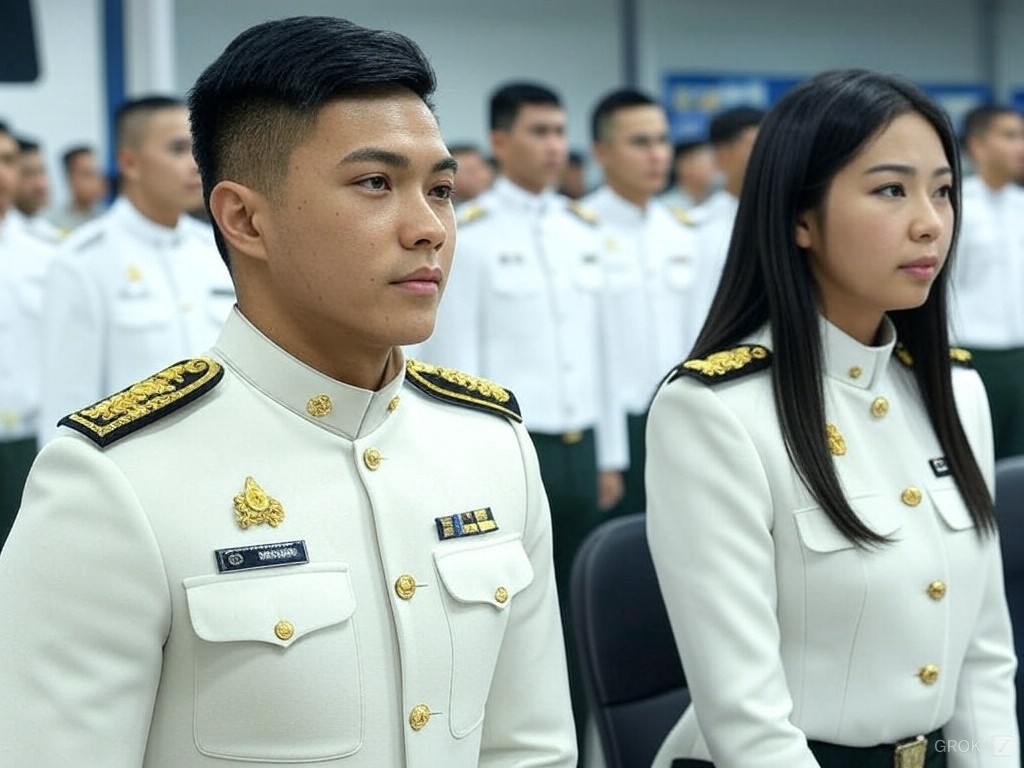
ประวัติศาสตร์การเกณฑ์ทหารของไทยนั้นหยั่งรากลึกในมรดกของกองทัพสยาม ซึ่งรับใช้สถาบันพระมหากษัตริย์มานานหลายศตวรรษ แตกต่างจากหลายประเทศในเอเชียตะวันออกเฉียงใต้ ไทยไม่เคยตกเป็นอาณานิคม ทำให้ประเพณีทางทหารเจริญรุ่งเรืองอย่างต่อเนื่อง นับตั้งแต่การปฏิวัติปี 1932 กองทัพได้มีบทบาทสำคัญในทางการเมือง ซึ่งได้เปลี่ยนแปลงมุมมองของผู้คนที่มีต่อการเกณฑ์ทหารและนโยบายการเกณฑ์ทหาร นอกจากนี้ยังส่งผลกระทบต่อนโยบายการเกณฑ์ทหารด้วย
กองทัพไทยประกอบด้วยเหล่าทัพหลักสามเหล่า ได้แก่ กองทัพบก กองทัพเรือ และกองทัพอากาศ ณ ปี 2020 มีกำลังพลประจำการประมาณ 360,850 นาย พร้อมกับกำลังพลสำรองอีก 200,000 นาย ชายที่มีหน้าที่ต้องรับราชการทหาร คือผู้ที่มีอายุครบ 18 ปีบริบูรณ์ และยังไม่ครบ 30 ปีบริบูรณ์ ตามมาตรา 4 (2) แห่งพระราชบัญญัติรับราชการทหาร พ.ศ. 2497 และมาตรา 39 กำหนดให้ชายพ้นราชการทหารเมื่ออายุ 46 ปี กองทัพไทยอยู่ภายใต้การบังคับบัญชาของพระมหากษัตริย์แห่งราชอาณาจักรไทย รัฐมนตรีว่าการกระทรวงกลาโหมเป็นผู้กำกับดูแลการปฏิบัติการทางทหาร ซึ่งแสดงให้เห็นถึงบทบาทที่สำคัญของกองทัพในการป้องกันประเทศและรักษาความมั่นคงภายในประเทศ.
การเกณฑ์ทหารในประเทศไทยไม่ใช่เพียงหน้าที่ แต่เป็นพิธีกรรมสำคัญสำหรับชายไทยหลายคน มันแสดงถึงความภาคภูมิใจและความรับผิดชอบของชาติ และมักเป็นข้อกำหนดสำหรับงานราชการบางประเภท อย่างไรก็ตาม ทัศนคติของประชาชนเกี่ยวกับการเกณฑ์ทหารได้เปลี่ยนแปลงไป พลเมืองไทยจำนวนมากแสดงความกังวลเกี่ยวกับการปฏิบัติต่อผู้ถูกเกณฑ์ทหารและความสำคัญของการเกณฑ์ทหารในสังคมสมัยใหม่ นำไปสู่การอภิปรายเกี่ยวกับผลกระทบต่อประชาธิปไตยและการปกครอง
การเกณฑ์ทหารในประเทศไทยเป็นหน้าที่ตามกฎหมาย มาตรา 50 (5) ของรัฐธรรมนูญ พ.ศ. 2560 กำหนดให้บุคคลมีหน้าที่รับราชการทหารตามที่กฎหมายบัญญัติ และมาตรา 7 แห่งพระราชบัญญัติรับราชการทหาร พ.ศ. 2497 เป็นกฎหมายที่บัญญัติเรื่องดังกล่าว โดยจำกัดหน้าที่นี้ไว้เฉพาะชายที่มี สัญชาติไทย. เมื่ออายุ 21 ปี ผู้ชายจะต้องเข้าร่วมการจับสลากเกณฑ์ทหาร ใบแดงหมายความว่าเขาจะต้องเข้ารับราชการในกองทัพไทย การรับราชการนี้มักจะใช้เวลาสองปี ในทางกลับกัน ใบดำหมายความว่าเขาได้รับการยกเว้นการรับราชการ กฎหมายเกณฑ์ทหารปี 1905 เป็นจุดเริ่มต้นของการปฏิบัตินี้ แต่ไม่ใช่กฎหมายที่ใช้บังคับอยู่ กฎหมายที่ใช้บังคับในปัจจุบันคือ พระราชบัญญัติรับราชการทหาร พ.ศ. 2497 (1954) ซึ่งมาตรา 3 ได้ยกเลิกกฎหมายฉบับก่อนหน้า กฎหมายนี้มีวัตถุประสงค์เพื่อจัดหากำลังพลทหารอย่างสม่ำเสมอ และยังช่วยสร้างวินัยและความรักชาติในหมู่ชายหนุ่มชาวไทยอีกด้วย.
กระบวนการเกณฑ์ทหารในประเทศไทยเกิดขึ้นทุกปีในเดือนเมษายน เมื่อชายชาวไทยที่มีคุณสมบัติครบถ้วนไปรวมตัวกันที่สำนักงานเขตท้องถิ่นเพื่อเข้ารับการคัดเลือก ในขั้นต้น ผู้สมัครจะได้รับการประเมินผ่านการตรวจสุขภาพอย่างละเอียด รวมถึงการตรวจหาสารเสพติด เพื่อพิจารณาความเหมาะสมในการรับราชการทหาร ผู้ที่เลือกไม่สมัครจะต้องเข้าร่วมการจับฉลากเกณฑ์ทหารเพื่อกำหนดสถานะการเกณฑ์ทหาร ในปี 2561 มีชายมากกว่า 500,000 คนถูกเรียกตัวเข้ารับการคัดเลือก ในขณะที่กองทัพไทยต้องการกำลังพลเกณฑ์ประมาณ 104,000 นาย ผลการเกณฑ์ทหารขึ้นอยู่กับจำนวนผู้สมัครเป็นอย่างมาก ซึ่งเน้นย้ำถึงความจำเป็นทั้งด้านความพร้อมทางร่างกายและจิตใจในระหว่างกระบวนการคัดเลือกที่สำคัญนี้
ผู้ที่จะเข้ารับการเกณฑ์ทหารในประเทศไทยต้องเป็นชายสัญชาติไทยที่มีอายุ 21 ปีขึ้นไป และต้องผ่านการตรวจสุขภาพอย่างละเอียด ซึ่งรวมถึงการตรวจร่างกายเพื่อประเมินโรคและความพิการที่อาจเป็นอุปสรรคต่อการรับราชการทหาร นอกจากนี้ยังพิจารณาปัจจัยอื่น เช่น ความสูงและขนาดรอบอก ในการประเมินความพร้อมของร่างกายด้วย ผู้ที่มีวุฒิการศึกษาสูงขึ้นอาจมีภาระการรับราชการทหารลดลง และนักศึกษาอาจได้รับการผ่อนผันตามมาตรา 29(3) แห่งพระราชบัญญัติ ตามเงื่อนไขและเกณฑ์อายุที่กำหนดโดยกฎกระทรวง มิใช่ที่กำหนดไว้ในพระราชบัญญัติเอง ชายที่เข้าเกณฑ์จึงต้องไปรายงานตัว เพราะการไม่ไปถือเป็นความผิด: จำคุกไม่เกินสามเดือนหรือปรับไม่เกิน 300 บาท ตามมาตรา 44 กรณีไม่ไปลงบัญชีทหารหรือไม่ไปตามหมายเรียก และจำคุกไม่เกินสามปีตามมาตรา 45 กรณีไม่ไปรับการตรวจเลือก
กฎหมาย: พระราชบัญญัติรับราชการทหาร พ.ศ. 2497
การเกณฑ์ทหารในประเทศไทยไม่ใช่นโยบายหรือประเพณี แต่เป็นกฎหมายฉบับเดียว และเกือบทุกคำถามที่ครอบครัวชาวต่างชาติถามมีคำตอบอยู่ในกฎหมายฉบับนั้น กฎหมายที่ใช้บังคับคือ พระราชบัญญัติการรับราชการทหาร พ.ศ. 2497 (1954), ซึ่งประกาศในราชกิจจานุเบกษา เล่ม 71 ตอนที่ 13 หน้า 195 เมื่อวันที่ 16 กุมภาพันธ์ ค.ศ. 1954 มาตรา 3 ยกเลิกพระราชบัญญัติการรับราชการทหาร พ.ศ. 2479 ที่ใช้อยู่ก่อนหน้า
มีการแก้ไขมาแล้ว 5 ครั้ง และไม่เคยมีการแก้ไขเลยตั้งแต่ปี 1973: พระราชบัญญัติ (ฉบับที่ 2) พ.ศ. 2498 พระราชบัญญัติ (ฉบับที่ 3) พ.ศ. 2507 ประกาศของคณะปฏิวัติ ฉบับที่ 226 ลงวันที่ 18 ตุลาคม พ.ศ. 2515 ประกาศของคณะปฏิวัติ ฉบับที่ 300 ลงวันที่ 13 ธันวาคม พ.ศ. 2515 และพระราชบัญญัติ (ฉบับที่ 4) พ.ศ. 2516 ประกาศทั้งสองฉบับของปี พ.ศ. 2515 มีผลใช้บังคับเป็นกฎหมาย และรวมกันได้แก้ไขแทนที่มาตรา 4, 5, 9, 14, 24, 25, 27, 28 และ 28 ทวิ ด้วยเหตุนี้ มาตราที่ยกมาอ้างในรูปแบบของปี ค.ศ. 1955 หรือ 1964 จึงอาจมีผลใช้บังคับอยู่จริงในรูปแบบของปี ค.ศ. 1972 เรื่องนี้สำคัญกว่าที่ฟังดู และเราจะกลับมากล่าวถึงอีกครั้งเมื่อถึงเรื่องค่าปรับ
เหนือกฎหมายนั้นมีบรรทัดหนึ่งของรัฐธรรมนูญอยู่. มาตรา 50 (5) แห่งรัฐธรรมนูญ พ.ศ. 2560, ในหมวดว่าด้วยหน้าที่ของปวงชนชาวไทย กำหนดให้เป็นหน้าที่ “รับราชการทหารตามที่กฎหมายบัญญัติ” โปรดสังเกตว่าบทบัญญัตินี้กล่าวถึงอะไรและไม่ได้กล่าวถึงอะไร: หน้าที่ตามรัฐธรรมนูญตกอยู่แก่บุคคลทุกคน และเนื้อหาของหน้าที่นั้นปล่อยให้กฎหมายเป็นผู้กำหนดโดยสิ้นเชิง. การจำกัดหน้าที่นี้ไว้เฉพาะผู้ชายไม่ได้มาจากรัฐธรรมนูญ แต่มาจากมาตรา 7 ของพระราชบัญญัติ, ซึ่งระบุว่าผู้ชายทุกคนที่มีสัญชาติไทยตามกฎหมายมีหน้าที่ต้องเข้ารับราชการทหารด้วยตนเอง มาตรา 7 ไม่เคยมีการแก้ไข.
สัญชาติเป็นตัวกำหนด ไม่ใช่ถิ่นที่อยู่
นี่คือประเด็นที่ทำให้ครอบครัวซึ่งอาศัยอยู่ในต่างประเทศมาหลายปีคาดไม่ถึง มาตรา 7 ผูกหน้าที่ไว้กับ สัญชาติไทย. มันไม่ได้ระบุว่าชายคนนั้นอาศัยอยู่ที่ไหน เกิดที่ไหน มีหนังสือเดินทางอื่นหรือไม่ หรือเคยเดินเท้าเข้าไปในประเทศไทยหรือไม่ บุตรชายที่มีสัญชาติไทยอยู่ภายใต้กฎหมายนี้ไม่ว่าจะมีความจริงเกี่ยวกับเขาอย่างไรก็ตาม.
คนไทยที่ได้รับสัญชาติได้รับการปฏิบัติแตกต่างกัน และความแตกต่างนั้นชัดเจน. มาตรา 14 (8), ซึ่งมีถ้อยคำปัจจุบันตามประกาศคณะปฏิวัติ ฉบับที่ 226 พ.ศ. 2515 จัดให้บุคคลที่แปลงสัญชาติเป็นไทยอยู่ในกลุ่มผู้ที่ ได้รับการจดทะเบียน แต่ไม่ถูกเรียกไปประจำการในภาวะสงบ. การลงบัญชีทหารกองเกินยังคงใช้บังคับ แต่การเรียกเข้ารับราชการทหารไม่ใช้บังคับ มาตรา 14 ยังครอบคลุมถึงพระภิกษุและสามเณรที่มีฐานะเป็นที่ยอมรับ นักบวชหรือผู้มีหน้าที่ทางศาสนาอื่นที่ผู้ว่าราชการจังหวัดรับรอง ผู้ที่อยู่ระหว่างการฝึกวิชาทหารเพื่อเป็นนายทหารกองหนุน นักเรียนโรงเรียนเตรียมทหาร ครูบางประเภท และผู้ที่มีภาระ ประวัติอาชญากรรม.
มีกับดักสองประการสำหรับผู้ที่อ่านแหล่งข้อมูลภาษาอังกฤษรุ่นเก่า มาตรา 14 (8) ฉบับเดิมของปี 1954 ยังยกเว้นผู้ชาย ซึ่งพ่อของเขาเป็นชาวต่างชาติ. พระราชบัญญัติ (ฉบับที่ 2) พ.ศ. 2498 ได้ยกเลิกบทบัญญัตินั้นในปี 1955 และไม่ได้มีการนำกลับมาใช้ใหม่ และมาตรา 14 เป็นรายการของผู้ที่ได้รับการลงทะเบียนแต่ไม่ถูกเรียกเข้ารับราชการ ซึ่งไม่ใช่สิ่งเดียวกันกับผู้ที่อยู่นอกเหนือพระราชบัญญัตินั้น.
สองวันที่สำคัญคือการลงทะเบียนและขั้นตอนการคัดเลือก
มาตรา 16, ซึ่งมีถ้อยคำตามที่แก้ไขเพิ่มเติมโดยพระราชบัญญัติ (ฉบับที่ 4) พ.ศ. 2516 กำหนดให้ชายสัญชาติไทยทุกคน ในปีพุทธศักราชที่ตนมีอายุย่างเข้าสิบแปดปี ต้องไปแสดงตนเพื่อลงบัญชีทหารกองเกิน ณ ที่ว่าการอำเภอท้องที่ที่ตนมีภูมิลำเนาทหาร ภายในปีพุทธศักราชนั้น ชายผู้ใดไม่สามารถไปแสดงตนได้ด้วยตนเอง ต้องให้ผู้บรรลุนิติภาวะที่มีความสามารถและเชื่อถือได้ไปแจ้งแทน; ถ้าไม่มีใครไป เขาจะถือว่าเป็นผู้หลีกเลี่ยง. บุคคลที่ลงทะเบียนตามมาตรา 16 จะมีหน้าที่ตามกฎหมายตั้งแต่ วันที่ 1 มกราคม ของปีถัดไป.
⚠️ คู่มือเก่า และข้อความปี 1954 ที่ยังคงมีอยู่บนอินเทอร์เน็ตระบุว่า กำหนดเวลาภายในเดือนพฤศจิกายน สำหรับการลงทะเบียน พระราชบัญญัติ (ฉบับที่ 4) พ.ศ. 2516 ได้แก้ไขแทนที่มาตรา 16 และถ้อยคำเรื่องเดือนพฤศจิกายนก็ถูกยกเลิกไปด้วย ปัจจุบันกำหนดเวลาคือสิ้นปีพุทธศักราช.
มาตรา 25, ตามที่ถูกแทนที่ด้วยประกาศคณะปฏิวัติ ฉบับที่ 300 พ.ศ. 2515 กำหนดให้ชายที่ลงทะเบียนแล้ว ในปีพุทธศักราชที่เขามีอายุย่างเข้าปีที่ 21 ต้องไปแสดงตนที่สำนักงานเขตเดียวกันนั้น เพื่อรับหมายเรียก. และอีกครั้งหนึ่ง ผู้แทนอาจไปรับหมายเรียกแทนได้ และอีกครั้งหนึ่ง หากไม่มีผู้ใดไปรับ เขาจะถือว่าเป็นผู้หลีกเลี่ยง. มาตรา 26 กำหนดให้เจ้าหน้าที่เขตต้องเผยแพร่ประกาศดังกล่าวทุกเดือนตุลาคม.
ดังนั้นลำดับที่กฎหมายกำหนดไว้จริงคือ: ลงทะเบียนในปีที่อายุย่างเข้าปีที่ 18 รับหมายเรียกในปีที่อายุย่างเข้าปีที่ 21 แล้วเข้ารับการคัดเลือก เป็นหน้าที่สองอย่างแยกกัน ต้องไปสำนักงานเขตสองครั้งแยกกัน ห่างกันสามปี และหน้าที่แรกคือหน้าที่ที่ครอบครัวในต่างประเทศมักพลาด.
ช่วงอายุที่แท้จริง และที่มาของคำว่า 45
ช่วงที่ถูกนำมาอ้างถึงกันบ่อยคือ 21 ถึง 45 ซึ่งผิดทั้งสองด้าน. มาตรา 4 (2), ซึ่งมาจากพระราชบัญญัติ (ฉบับที่ 4) พ.ศ. 2516 กำหนดให้กลุ่มชายที่มีหน้าที่รับราชการทหาร ได้แก่ผู้ที่ มีอายุครบ 18 ปีบริบูรณ์ และยังไม่ครบ 30 ปีบริบูรณ์ ผู้ที่ได้รับการลงทะเบียนภายใต้มาตรา 16 หรือมาตรา 18. มาตรา 39, ตามที่แก้ไขโดยมาตรา 6 แห่งพระราชบัญญัติ (ฉบับที่ 3) พ.ศ. 2507 จึงกำหนดลำดับขั้นการปลดไว้ดังนี้: กองหนุนชั้นที่ 2 เมื่ออายุ 30 ปีบริบูรณ์ กองหนุนชั้นที่ 3 เมื่ออายุ 40, และพ้นราชการทหารเมื่ออายุ 46, ไม่ใช่ 45.
การผ่อนผัน: มาตรา 29 และกฎ 30 วันที่ไม่มีใครพูดถึง
มาตรา 29, ซึ่งไม่เคยมีการแก้ไข ใช้บังคับเมื่อมีชายที่พร้อมเข้ารับราชการมากกว่าที่กองทัพต้องการ และให้ผ่อนผันแก่บุคคลสามประเภท ได้แก่ ชายที่ต้องอุปการะเลี้ยงดูบิดาหรือมารดาซึ่งไร้ความสามารถ ทุพพลภาพ หรือชราจนไม่สามารถหาเลี้ยงชีพได้ และไม่มีผู้อื่นอุปการะเลี้ยงดู; ชายที่ต้องอุปการะเลี้ยงดูบุตรซึ่งมารดาถึงแก่ความตายหรือไร้ความสามารถ หรือพี่น้องกำพร้าซึ่งไม่สามารถเลี้ยงดูตนเองได้; และ ชายที่อยู่ในกระบวนการศึกษาตามที่กำหนดโดยกฎกระทรวง. เมื่อลูกชายหลายคนถูกเรียกตัวเข้าประจำการพร้อมกัน ก็จะมีเพียงหนึ่งคนเท่านั้นที่ได้รับการเลื่อนการเรียกตัวเข้าประจำการตามเหตุผลของบิดามารดา ซึ่งจะถูกเลือกโดยบิดามารดา.
🔴 กับดักทางวิธีพิจารณาอยู่ในมาตราเดียวกันนั้นเอง. คำขอผ่อนผันด้วยเหตุสองประการแรกต้องยื่นต่อเจ้าหน้าที่เขต ไม่น้อยกว่าสามสิบวันก่อนวันตรวจเลือก, เว้นแต่ในกรณีพิเศษที่มิใช่ความผิดของผู้ยื่นคำขอ เหตุที่มีอยู่จริงแต่ยื่นในวันนั้นถือเป็นเหตุที่ยื่นล่าช้า.
โทษที่แท้จริงคืออะไร
มาตราว่าด้วยบทลงโทษทั้งสามมาตราถูกแก้ไขแทนที่ครั้งสุดท้ายโดยมาตรา 11 แห่งพระราชบัญญัติ (ฉบับที่ 4) พ.ศ. 2516 และนี่คือจุดที่เห็นได้ว่ากฎหมายฉบับนี้เก่าเพียงใด.
- มาตรา 44, การไม่ลงทะเบียน การไม่ลงทะเบียนใหม่ การปฏิเสธการลงทะเบียน หรือการไม่ไปรับหมายเรียก: จำคุกไม่เกิน สามเดือน หรือ ปรับ ไม่เกิน 300 บาท, หรือทั้งจำทั้งปรับ หากชายผู้นั้นมาแสดงตนต่อเจ้าหน้าที่เองก่อนที่เจ้าหน้าที่จะดำเนินการเรื่องนี้ โทษจะลดลงเหลือจำคุกหนึ่งเดือนหรือปรับ 100 บาท หรือทั้งจำทั้งปรับ.
- มาตรา 45, การหลบเลี่ยงหรือปฏิเสธที่จะเข้ารับการพิจารณาคัดเลือกของคณะกรรมการคัดเลือก, หรือปรากฏตัวแต่ไม่เข้าร่วมการคัดเลือก หรือไม่รอจนกว่าการคัดเลือกจะเสร็จสิ้น, หรือการหลบเลี่ยงด้วยวิธีการใดๆ เพื่อไม่ให้ต้องปฏิบัติหน้าที่ หรือปฏิบัติหน้าที่แทนผู้อื่น หรือการขอรับหรือรับเงินหรือผลประโยชน์ใดๆ โดยอ้างว่าเพื่อช่วยเหลือผู้อื่นให้หลีกเลี่ยงการปฏิบัติหน้าที่: จำคุกไม่เกิน สามปี.
- มาตรา 43, ไม่แจ้งการเปลี่ยนแปลงสถานที่หรือชื่อภายในระยะเวลาที่กำหนด: จำคุกไม่เกินหนึ่งเดือน หรือปรับไม่เกิน 200 บาท หรือทั้งจำทั้งปรับ.
ตัวเลขบาทเหล่านี้ไม่ใช่ข้อผิดพลาดทางพิมพ์ และไม่ใช่ข้อมูลทางประวัติศาสตร์ พวกมันเป็นจำนวนเงินที่ถูกกำหนดขึ้นในปี 1973 และยังคงมีผลบังคับใช้อยู่ เพราะกฎหมายดังกล่าวไม่เคยมีการแก้ไขเลยนับตั้งแต่นั้นมา. ผลที่ตามมาในทางปฏิบัติก็คือ การกระทำความผิดทั้งสองอย่างนั้นแทบไม่มีความคล้ายคลึงกันเลย. การไม่ไปลงทะเบียนหรือไม่ไปรับหมายเรียกเป็นเรื่องระดับค่าปรับ 300 บาท แต่การหลีกเลี่ยงการตรวจเลือกนั้นมีโทษจำคุกสูงสุดถึงสามปี และมาตรา 45 บัญญัติไว้กว้างพอที่จะครอบคลุมถึงผู้ที่มาปรากฏตัวแล้วเดินออกไปก่อนที่การจับสลากจะเสร็จสิ้น.
สองปี และสองทางที่มันสั้นลง
มาตรา 9, ซึ่งถูกแทนที่ด้วยประกาศคณะปฏิวัติ ฉบับที่ 226 พ.ศ. 2515 กำหนดระยะเวลารับราชการทหารกองประจำการของทหารเกณฑ์ไว้ สองปี. กฎกระทรวงอาจกำหนดระยะเวลาให้น้อยกว่านั้นสำหรับผู้ที่มีคุณวุฒิพิเศษหรือในกรณีพิเศษ และต้องยื่นคำขอพร้อมหลักฐานต่อคณะกรรมการตรวจเลือกในวันตรวจเลือก หรือต่อหน่วยทหารในวันที่ชายผู้นั้นขอสมัครเข้ารับราชการ ไม่ใช่ภายหลัง ช่องทางที่สองคือช่องทางที่ครอบครัวมักวางแผนไว้: ชายที่สำเร็จการฝึกวิชาทหารตามหลักสูตรของกระทรวงกลาโหม คือการฝึกวิชาทหารที่เรียกว่า รด. อาจรับราชการ ไม่ถึงสองปี หรือขึ้นทะเบียนกองประจำการแล้วปลดเป็นทหารกองหนุนทันทีโดยไม่ต้องเข้ารับราชการเลย. หลังจากปลดประจำการแล้ว ทหารเกณฑ์ทุกคนจะเป็นทหารกองหนุนชั้นที่ 1 เป็นเวลาเจ็ดปี ชั้นที่ 2 เป็นเวลาสิบปี และชั้นที่ 3 เป็นเวลาหกปี.
มาตรา 13 เป็นประตูที่แตกต่างจากมาตรา 14. มาตรา 14 กำหนดรายชื่อผู้ชายที่ได้รับการลงทะเบียนแต่ไม่ถูกเรียกเข้ารับราชการในยามปกติ ส่วนมาตรา 13 ซึ่งไม่เคยได้รับการแก้ไข กำหนดรายชื่อผู้ชายที่ได้รับการยกเว้นการรับราชการทหารกองประจำการโดยสิ้นเชิง ได้แก่ พระภิกษุที่มีสมณศักดิ์หรือเป็นเปรียญ และนักบวชที่มีสมณศักดิ์ในฝ่ายจีนนิกายและอนัมนิกาย ผู้ที่มีความพิการหรือทุพพลภาพจนไม่สามารถเป็นทหารได้ และผู้ที่ขาดคุณสมบัติที่จำเป็นในบางท้องที่ตามที่กำหนดในกฎกระทรวง.
การหลีกเลี่ยงการจับสลากไม่ได้ทำให้พ้นจากการจับสลาก. มาตรา 33, ตามที่แก้ไขโดยพระราชบัญญัติ (ฉบับที่ 4) พ.ศ. 2516 กำหนดว่าผู้ชายที่หลบเลี่ยงการปฏิบัติตามมาตรา 27 หากไม่มีเหตุผลอื่นใดที่ทำให้ไม่เหมาะสม ก็จะถูกส่งเข้าประจำการในปีนั้นหรือปีถัดไป โดยไม่มีการจับสลากเลย. การจับสลากคือโอกาสที่จะได้ใบดำ ผู้ที่หลบซ่อนจะสูญเสียโอกาสนั้นไป แต่หน้าที่ยังคงอยู่.
ข้อยกเว้นและทางเลือกอื่นนอกเหนือจากการเกณฑ์ทหาร
การยกเว้นการรับราชการทหารในประเทศไทยมีขึ้นตามเกณฑ์ต่างๆ โดยหลักๆ เกี่ยวกับสภาพทางการแพทย์ที่ทำให้บุคคลไม่มีคุณสมบัติในการรับราชการ ผู้ที่สำเร็จหลักสูตรการฝึกนักศึกษาวิชาทหาร (รด.) จะถูกปลดเป็นทหารกองหนุนโดยไม่ต้องเข้ารับราชการ (มาตรา 9) และนักศึกษาระดับอุดมศึกษาสามารถขอผ่อนผันการรับราชการทหารได้ อาชีพเฉพาะบางประเภท รวมถึงพระสงฆ์บางสมณศักดิ์ ก็มีสิทธิ์ได้รับการยกเว้นเช่นกัน กฎเกณฑ์เหล่านี้มีไว้สำหรับผู้ที่ไม่อาจเข้ารับราชการทหารได้เนื่องจากปัญหาทางร่างกายหรือจิตใจ และยังใช้กับผู้ที่กำลังศึกษาอยู่ด้วย ด้วยวิธีนี้ กองทัพจึงสามารถมุ่งเน้นไปที่ผู้ที่มีคุณสมบัติครบถ้วน.
แนวคิดเรื่องการคัดค้านการเป็นทหารด้วยเหตุผลทางมโนธรรมกำลังได้รับความสนใจมากขึ้น โดยท้าทายทัศนคติแบบเดิมที่ว่าการรับราชการทหารในประเทศไทยเป็นหน้าที่พื้นฐาน ความยากลำบากที่ผู้ปฏิเสธการเกณฑ์ทหารต้องเผชิญนั้นมีการบันทึกไว้อย่างกว้างขวาง พวกเขามักมีเหตุผลทางจริยธรรมหรือศีลธรรมในการตัดสินใจดังกล่าว ปัจจุบันกรอบกฎหมายของไทยยังขาดการคุ้มครองที่เข้มแข็งสำหรับผู้คัดค้านด้วยเหตุผลทางมโนธรรม ทำให้พวกเขาเสี่ยงต่อผลทางกฎหมาย รวมถึงการถูกจำคุกเพราะปฏิเสธการเข้ารับราชการทหาร การถกเถียงที่กำลังพัฒนานี้สะท้อนให้เห็นถึงการเปลี่ยนแปลงที่สำคัญในทัศนคติของสังคมต่อการรับราชการทหาร และแสดงให้เห็นถึงการยอมรับที่เพิ่มมากขึ้นในสิทธิส่วนบุคคลและการพิจารณาด้านจริยธรรมเกี่ยวกับการเกณฑ์ทหาร.

ในประเทศไทย การเกณฑ์ทหารเป็นวิธีหลักในการรับใช้ชาติ อย่างไรก็ตาม ยังมีทางเลือกอื่นสำหรับผู้ที่ต้องการปฏิบัติตามภาระหน้าที่ของตน โครงการนักศึกษาวิชาทหาร (รักษาดินแดน) เปิดโอกาสให้นักเรียนนักศึกษาได้รับการฝึกวิชาทหารในขณะที่ยังคงศึกษาต่อ และผู้ที่สำเร็จหลักสูตรจะถูกปลดเป็นทหารกองหนุนแทนการถูกเกณฑ์ (มาตรา 9) ผู้คนสามารถเลือกสมัครใจเข้ารับราชการได้ ซึ่งอาจทำให้ระยะเวลารับราชการสั้นกว่าผู้ที่ถูกคัดเลือกโดยการจับสลาก ทางเลือกเหล่านี้มีจุดมุ่งหมายเพื่อให้ชายหนุ่มชาวไทยมีความยืดหยุ่นมากขึ้น ในขณะเดียวกันก็ช่วยให้กองทัพไทยมีกำลังพลเพียงพอเพื่อปกป้องความมั่นคงแห่งชาติ.
การรับสมัครและการฝึกอบรมในกองทัพไทย
กระบวนการรับสมัครเข้าเป็นทหารของกองทัพไทยเป็นระบบที่มีโครงสร้างชัดเจน ซึ่งประกอบด้วยทั้งการสมัครเข้ารับราชการโดยสมัครใจและการเกณฑ์ทหาร ผู้สมัครที่มีคุณสมบัติเหมาะสมจะได้รับการสนับสนุนให้สมัครเข้ารับราชการโดยสมัครใจ ซึ่งโดยทั่วไปจะนำไปสู่กระบวนการคัดเลือกที่ดีกว่าและอาจมีระยะเวลาการรับราชการที่สั้นกว่า โดยปกติแล้ว การรับสมัครจะเกิดขึ้นในเดือนเมษายน ซึ่งผู้สมัครจะต้องเข้ารับการประเมินสุขภาพอย่างเข้มงวดเพื่อตรวจสอบความพร้อมสำหรับการใช้ชีวิตในกองทัพ ในช่วงเวลาสำคัญนี้ ผู้สมัครจะเลือกเหล่าทัพที่ตนชื่นชอบ การเลือกนี้แสดงให้เห็นถึงความสนใจและเป้าหมายในอาชีพการงานในกองทัพไทย การเน้นย้ำเรื่องความแข็งแรงทางกายภาพและความแข็งแกร่งทางจิตใจเป็นสิ่งสำคัญยิ่ง เนื่องจากคุณสมบัติเหล่านี้มีความจำเป็นต่อการปฏิบัติหน้าที่อย่างมีประสิทธิภาพในบทบาทปฏิบัติการต่างๆ ภายในกองทัพ
กองทัพไทยได้จัดตั้งโครงการฝึกนายทหารกองหนุน เพื่อพัฒนาผู้นำในอนาคตภายในกรอบของกองทัพ โครงการเหล่านี้ช่วยนักศึกษาระดับมหาวิทยาลัยและคนทำงานรุ่นใหม่ โดยมอบการฝึกวิชาทหารที่สำคัญในขณะที่นักศึกษายังคงศึกษาต่อไปได้ ผู้เข้าร่วมสามารถได้รับการแต่งตั้งเป็นนายทหารสัญญาบัตรเมื่อสำเร็จหลักสูตร ซึ่งช่วยให้พวกเขาสามารถรับราชการทหารในประเทศไทยควบคู่ไปกับอาชีพพลเรือนได้ แนวทางคู่ขนานแบบใหม่นี้ช่วยเสริมสร้างขีดความสามารถของกองทัพ และยังส่งเสริมให้คนรุ่นใหม่มีจิตสำนึกในหน้าที่และความเป็นผู้นำ ด้วยวิธีนี้ บุคลากรทางทหารรุ่นใหม่ที่มีทักษะจึงพร้อมที่จะตอบสนองความต้องการด้านการป้องกันประเทศของประเทศไทย.
การฝึกอบรมเป็นองค์ประกอบพื้นฐานของการรับราชการทหารในประเทศไทย เพื่อเตรียมความพร้อมบุคลากรด้วยทักษะที่จำเป็นสำหรับบทบาทปฏิบัติการต่างๆ ภายในกองทัพ การฝึกอบรมขั้นพื้นฐานมุ่งเน้นการพัฒนาสมรรถภาพทางกาย วินัย และทักษะทางทหารที่จำเป็น ในขณะที่การฝึกอบรมขั้นสูงครอบคลุมหลักสูตรเฉพาะทางด้านยุทธวิธี ภาวะผู้นำ และเทคโนโลยี กองทัพไทยพยายามปรับปรุงวิธีการฝึกอบรมอย่างต่อเนื่อง เพื่อปรับตัวให้เข้ากับลักษณะที่เปลี่ยนแปลงไปของสงครามสมัยใหม่และความท้าทายด้านความมั่นคง ความมุ่งมั่นในการฝึกอบรมนี้ทำให้มั่นใจได้ว่าบุคลากรที่เตรียมพร้อมอย่างดีพร้อมที่จะตอบสนองต่อภัยคุกคามทั้งภายในและภายนอกประเทศได้อย่างมีประสิทธิภาพ เสริมสร้างความมั่นคงของชาติและความมั่นคงของกองทัพไทย
ความคืบหน้าล่าสุดและแนวโน้มในอนาคตของการเกณฑ์ทหาร
รัฐบาลหลายชุดได้กล่าวว่าตั้งใจจะเปลี่ยนจากระบบการเกณฑ์ทหารไปสู่ระบบการสมัครใจเป็นทหาร และเหล่าทัพต่างๆ ก็ได้ขยายการรับสมัครทหารอาสาเพื่อจุดประสงค์ดังกล่าว แต่ยังไม่มีสิ่งใดในเรื่องนี้ที่เปลี่ยนแปลงกฎหมาย พระราชบัญญัติรับราชการทหาร พ.ศ. 2497 ไม่เคยได้รับการแก้ไขมาตั้งแต่ พ.ศ. 2516 ดังนั้นหน้าที่ตามมาตรา 7 และบทลงโทษในมาตรา 44 และ 45 จึงยังคงใช้บังคับเต็มที่ การตัดสินใจครั้งสำคัญนี้สะท้อนให้เห็นถึงการเปลี่ยนแปลงในทัศนคติของสังคมต่อการรับราชการทหารในประเทศไทย และความจำเป็นเร่งด่วนในการนำแนวทางที่ทันสมัยกว่ามาใช้เพื่อการป้องกันประเทศ กองทัพไทยกำลังเปลี่ยนไปสู่การรับสมัครแบบสมัครใจ การเปลี่ยนแปลงนี้มีเป้าหมายเพื่อดึงดูดผู้ที่ต้องการรับใช้ประเทศอย่างแท้จริง พวกเขาต้องการหลีกหนีจากการรับราชการแบบบังคับ การเปลี่ยนแปลงครั้งนี้ตอบสนองต่อข้อวิพากษ์วิจารณ์ที่มีมายาวนานเกี่ยวกับผลกระทบของการเกณฑ์ทหารต่ออาชีพและชีวิตส่วนตัวของชายหนุ่มชาวไทย ซึ่งจะเปิดทางไปสู่กองทัพที่มีความมุ่งมั่นและมีแรงจูงใจมากขึ้น.
มุมมองของประชาชนต่อการรับราชการทหารในประเทศไทยกำลังเปลี่ยนแปลงไป ผู้คนให้ความสนใจมากขึ้นต่อการปฏิบัติต่อทหารเกณฑ์ และยังมีการถกเถียงที่เพิ่มขึ้นเกี่ยวกับความจำเป็นของการเกณฑ์ทหารในสังคมปัจจุบัน รายงานที่เน้นถึงปัญหาต่างๆ เช่น ความรุนแรงในค่ายทหาร สภาพความเป็นอยู่ที่ไม่เหมาะสม และการใช้ทหารเกณฑ์ทำงานรับใช้ส่วนตัวที่ต่ำต้อย ได้กระตุ้นให้เกิดความไม่พอใจของประชาชน ประชาชนชาวไทยจำนวนมาก โดยเฉพาะเยาวชน มองว่าการรับราชการทหารเป็นภาระที่ล้าสมัย โดยเฉพาะเมื่อพิจารณาถึงสภาพภูมิรัฐศาสตร์ปัจจุบันของประเทศไทย กองทัพกำลังพยายามปรับปรุงภาพลักษณ์ของตน การแก้ไขข้อกังวลเหล่านี้เป็นเรื่องสำคัญ ซึ่งจะช่วยรักษาการสนับสนุนจากประชาชนและสร้างมุมมองที่ดีขึ้นต่อการรับราชการทหารในหมู่ประชาชนชาวไทย.
บทบาทของกองทัพไทยได้พัฒนาไปอย่างมากในช่วงหลายปีที่ผ่านมา โดยเปลี่ยนจากกองกำลังป้องกันประเทศแบบดั้งเดิมไปสู่ผู้มีอิทธิพลทั้งในด้านการเมืองและกิจการพลเรือน กองทัพไทยมีหน้าที่รับผิดชอบด้านการป้องกันประเทศ นอกจากนี้ยังช่วยในการบรรเทาสาธารณภัย การสาธารณสุข และโครงการพัฒนาสังคมด้วย อย่างไรก็ตาม การเข้าไปมีส่วนร่วมทางการเมืองของกองทัพในอดีต โดยเฉพาะผ่านการรัฐประหารและการบริหารประเทศ ทำให้เกิดคำถามเกี่ยวกับความชอบธรรมและความรับผิดชอบของกองทัพในกรอบประชาธิปไตย ในขณะที่ประเทศไทยกำลังมุ่งสู่สังคมที่เป็นประชาธิปไตยมากขึ้น บทบาทของกองทัพจะยังคงเป็นที่ถกเถียงกันต่อไป โดยประชาชนคาดหวังความโปร่งใสมากขึ้นและความมุ่งมั่นต่อหลักการประชาธิปไตย.
คำถามที่พบบ่อยเกี่ยวกับการเกณฑ์ทหารในประเทศไทย
ถาม: การเกณฑ์ทหารภาคบังคับในประเทศไทยคืออะไร?
A: การเกณฑ์ทหารภาคบังคับในประเทศไทยกำหนดให้พลเมืองชายทุกคน ซึ่งโดยทั่วไปมีอายุ 21 ปี ต้องเข้ารับราชการทหาร นี่เป็นไปตามกฎหมายไทยเพื่อสร้างความพร้อมและเสริมสร้างศักยภาพในการป้องกันประเทศ
ถาม: การจับฉลากเกณฑ์ทหารในประเทศไทยทำงานอย่างไร?
A: การจับฉลากเกณฑ์ทหารนั้นรวมถึงชายที่มีคุณสมบัติครบถ้วน พวกเขาต้องเข้าร่วมการจับฉลาก หากพวกเขาจับได้บัตรสีแดง พวกเขาจะถูกเกณฑ์เข้ารับราชการทหาร หากพวกเขาจับได้บัตรสีดำ พวกเขาจะได้รับการยกเว้น
ถาม: เอกสารที่จำเป็นสำหรับการจับฉลากคัดเลือกมีอะไรบ้าง?
A: เอกสารที่ต้องใช้ ได้แก่ ใบเกิดของไทย หลักฐานแสดงตัวตน สัญชาติไทยหรือพลเมืองไทยและเอกสารแสดงตน เอกสารเหล่านี้จำเป็นสำหรับการตรวจสอบคุณสมบัติในการเข้ารับการเกณฑ์ทหาร
ถาม: บุคคลสามารถหลีกเลี่ยงการเกณฑ์ทหารได้ตามกฎหมายหรือไม่?
A: มีช่องทางที่ชอบด้วยกฎหมาย และการจ่ายเงินไม่ใช่หนึ่งในช่องทางเหล่านั้น ชายผู้หนึ่งอาจได้รับการยกเว้นการรับราชการทหารกองประจำการตามมาตรา 13 อาจถูกลงบัญชีแต่ไม่ถูกเรียกในยามปกติตามมาตรา 14 อาจได้รับการผ่อนผันตามมาตรา 29 เพื่อการศึกษาหรือเพื่ออุปการะครอบครัว หรืออาจถูกปลดเป็นทหารกองหนุนโดยไม่ต้องเข้ารับราชการ โดยสำเร็จหลักสูตร รด. ตามมาตรา 9 มาตรา 45 กำหนดให้การรับเงินโดยสัญญาว่าจะช่วยเหลือบุคคลให้หลีกเลี่ยงการเกณฑ์ทหารเป็นความผิดที่มีโทษจำคุกไม่เกินสามปี.
ถาม: การติดสินบนมีบทบาทอย่างไรในกระบวนการเกณฑ์ทหาร?
A: เป็นความผิดทางอาญา และมีโทษหนัก มาตรา 45 แห่งพระราชบัญญัติรับราชการทหารกำหนดโทษผู้ที่เรียก รับ หรือยอมจะรับเงินหรือประโยชน์อื่นใดโดยสัญญาว่าจะช่วยให้ชายคนหนึ่งพ้นจากการเกณฑ์ทหาร ให้จำคุกไม่เกินสามปี ในกรณีที่มีเจ้าหน้าที่เกี่ยวข้อง ประมวลกฎหมายอาญาจะเข้ามาใช้บังคับ: ในคำพิพากษาศาลฎีกาที่ 9306/2539 เจ้าหน้าที่สัสดีเขตยานนาวา กรุงเทพมหานคร ซึ่งรับเงินจากชายสิบเอ็ดคนที่ถูกเรียกเข้ารับการตรวจเลือก ถูกพิพากษาว่ามีความผิดตาม สิบเอ็ดข้อหา ตามมาตรา 149 แห่งประมวลกฎหมายอาญา กระทงละห้าปี และในกระทงที่สิบสองฐานใช้เอกสารปลอมตามมาตรา 268 และ 265 อีกสี่ปี รวมเป็นห้าสิบเก้าปี และ มาตรา 91(3) ลดเหลือสูงสุด 50 ปี. เงินจำนวน 300,000 บาทถูกริบ ศาลฎีกายกฟ้องในข้อหาปลอมดวงตราตามมาตรา 251 และ 252 และพิพากษายืนในส่วนอื่น เสมียนผู้นั้นต่อสู้ว่าตนไม่ใช่เจ้าพนักงานผู้มีหน้าที่เลย เพราะการตรวจเลือกเป็นหน้าที่ของคณะกรรมการ ศาลวินิจฉัยว่าการที่นายอำเภอแต่งตั้งเขาตามมาตรา 28 จัตวา (2) แห่งพระราชบัญญัติรับราชการทหาร ทำให้เขาเป็นเจ้าพนักงานผู้มีหน้าที่สำหรับกรณีนี้ ประกาศของคณะปฏิวัติ ฉบับที่ 300 พ.ศ. 2515 ซึ่งแก้ไของค์ประกอบของคณะกรรมการตรวจเลือกใหม่ ออกมาโดยมีเจตนาชัดแจ้งเพื่อป้องกันการทุจริตในกระบวนการตรวจเลือก.
ถาม: ภาษาไทยมีบทบาทอย่างไรในการเกณฑ์ทหาร?
A: การเข้าใจภาษาไทยมีความสำคัญอย่างยิ่งสำหรับการสื่อสารและการเรียนการสอนระหว่างการรับราชการทหาร ผู้ที่ไม่ใช่เจ้าของภาษาอาจประสบปัญหาหากไม่มีความเชี่ยวชาญ
ถาม: ผู้ที่อาศัยอยู่ต่างประเทศจะปฏิบัติตามข้อกำหนดการเกณฑ์ทหารได้อย่างไร?
A: พลเมืองไทยที่พำนักอยู่ต่างประเทศต้องติดต่อสถานทูตไทยที่ใกล้ที่สุดเพื่อขอคำแนะนำเกี่ยวกับการปฏิบัติตามข้อกำหนดการเกณฑ์ทหาร และอาจต้องเดินทางกลับประเทศไทยเพื่อเข้าร่วมการจับฉลากเกณฑ์ทหาร
ถาม: บทบาทของเจ้าหน้าที่สรรหาในกระบวนการคัดเลือกคืออะไร?
A: เจ้าหน้าที่ฝ่ายสรรหาจะดูแลการจับฉลากเกณฑ์ทหาร ตรวจสอบให้แน่ใจว่าปฏิบัติตามกฎหมายไทย และช่วยเหลือบุคคลให้เข้าใจถึงภาระหน้าที่และทางเลือกต่างๆ เกี่ยวกับการรับราชการทหาร
ถาม: การเมืองไทยมีอิทธิพลต่อระบบเกณฑ์ทหารอย่างไรบ้าง?
A: การเมืองไทย รวมถึงพรรคการเมืองต่างๆ เช่น พรรคเพื่อไทยและพรรคก้าวไกล ได้ถกเถียงเรื่องนโยบายการเกณฑ์ทหาร อดีตนายกรัฐมนตรีทักษิณ ชินวัตร และบุคคลอื่นๆ ได้มีอิทธิพลต่อการอภิปรายเกี่ยวกับการปฏิรูปที่อาจเกิดขึ้น
ถาม: มีบุคคลสำคัญทางประวัติศาสตร์ใดบ้างที่เกี่ยวข้องกับการรับราชการทหารของประเทศไทย?
A: บุคคลสำคัญทางประวัติศาสตร์ เช่น พระนเรศวร ทรงมีชื่อเสียงในด้านความเป็นผู้นำทางการทหาร และมรดกของพระองค์ส่งผลต่อความภาคภูมิใจในชาติที่เกี่ยวข้องกับการรับราชการทหารในปัจจุบัน
แหล่งที่มา
- พระราชบัญญัติรับราชการทหาร พ.ศ. 2497 ราชกิจจานุเบกษา เล่ม 71 ตอนที่ 13 หน้า 195 วันที่ 16 กุมภาพันธ์ 2497.
- พระราชบัญญัติรับราชการทหาร (ฉบับที่ 2) พ.ศ. 2498 ราชกิจจานุเบกษา เล่ม 72 ตอนที่ 66 วันที่ 26 สิงหาคม 2498 ซึ่งแทนที่มาตรา 14.
- พระราชบัญญัติรับราชการทหาร (ฉบับที่ 3) พ.ศ. 2507 ราชกิจจานุเบกษา เล่ม 81 ตอนที่ 7 วันที่ 21 มกราคม 2507 ซึ่งแทนที่มาตรา 14, 15, 28, 39 และ 42.
- ประกาศคณะปฏิวัติ ฉบับที่ 226 ราชกิจจานุเบกษา เล่ม 89 ตอนที่ 157 วันที่ 18 ตุลาคม พ.ศ. 2515 ซึ่งแทนที่มาตรา 5, 9, 14, 24, 27 และ 28 และเพิ่มเติมมาตรา 4.
- ประกาศของคณะปฏิวัติ ฉบับที่ 300 ราชกิจจานุเบกษา เล่ม 89 ตอนที่ 190 ลงวันที่ 13 ธันวาคม 2515 ซึ่งแทนที่มาตรา 25 และ 28 ทวิ.
- พระราชบัญญัติรับราชการทหาร (ฉบับที่ 4) พ.ศ. 2516 ราชกิจจานุเบกษา เล่ม 90 ตอนที่ 75 ลงวันที่ 29 มิถุนายน 2516 ซึ่งแทนที่มาตรา 4(2), 12, 12 ทวิ, 15, 16, 18, 21, 32, 33, 43, 44 และ 45.
- รัฐธรรมนูญแห่งราชอาณาจักรไทย พ.ศ. 2560 มาตรา 50(5).
- คำพิพากษาศาลฎีกาที่ 9306/2539; มาตรา 91(3), 149, 265 และ 268 แห่งประมวลกฎหมายอาญา.
คำถามที่พบบ่อย
การเกณฑ์ทหารภาคบังคับในประเทศไทยมีหรือไม่
ใช่ ชายไทยอายุ 21 ปี ต้องเข้ารับการเกณฑ์ทหาร โดยจะรับผู้สมัครใจให้เต็มจำนวนก่อน ส่วนจำนวนที่เหลือจะตัดสินด้วยการจับสลาก.
ใครต้องไปเข้ารับการตรวจเลือกทหารในประเทศไทย?
ตามมาตรา 16 แห่งพระราชบัญญัติรับราชการทหาร พ.ศ. 2497 ชายสัญชาติไทยต้องไปลงทะเบียนที่ที่ว่าการอำเภอของตนในปีพุทธศักราชที่ตนมีอายุย่างเข้าสิบแปดปี และตามมาตรา 25 ต้องไปอีกครั้งในปีที่ตนมีอายุย่างเข้ายี่สิบเอ็ดปีเพื่อรับหมายเรียกเข้ารับการตรวจเลือก เว้นแต่จะได้รับการยกเว้นหรือได้รับการผ่อนผันตามมาตรา 29.
บุคคลสองสัญชาติจะต้องเข้ารับการเกณฑ์ทหารไทยหรือไม่
ใช่ มาตรา 14(8) แห่งพระราชบัญญัติรับราชการทหารยกเว้นการเรียกเข้ากองประจำการในยามปกติเฉพาะชายที่ได้สัญชาติไทยโดยการแปลงสัญชาติเท่านั้น ข้อยกเว้นแยกต่างหากสำหรับชายที่มีบิดาเป็นคนต่างด้าวถูกยกเลิกโดยพระราชบัญญัติ (ฉบับที่ 2) พ.ศ. 2498 ดังนั้นการมีหนังสือเดินทางฉบับที่สอง การเกิดในต่างประเทศ หรือการมีบิดาหรือมารดาเป็นชาวต่างชาติ จึงไม่ทำให้หน้าที่นี้หมดไป
บุคคลจะได้รับการยกเว้นหรือผ่อนผันการเกณฑ์ทหารในประเทศไทยได้อย่างไร
เหตุทั่วไป ได้แก่ การศึกษา การสำเร็จการฝึกนักศึกษาวิชาทหาร (ร.ด.) การมีร่างกายไม่สมบูรณ์ หรือสถานการณ์ทางครอบครัวบางประการ.
จะเกิดอะไรขึ้นหากไม่ไปเข้ารับการตรวจเลือกทหารในประเทศไทย?
การไม่ปฏิบัติตามทั้งสองกรณีนี้ไม่ได้มีผลเท่ากัน การไม่ไปลงทะเบียนหรือการไม่ไปรับหมายเรียกเป็นความผิดตามมาตรา 44 แห่งพระราชบัญญัติรับราชการทหาร พ.ศ. 2497 ซึ่งมีโทษจำคุกไม่เกิน 3 เดือน หรือปรับไม่เกิน 300 บาท หรือทั้งจำทั้งปรับ การหลีกเลี่ยงการตรวจเลือก หรือการมาแสดงตนแล้วไม่อยู่จนกว่าการตรวจเลือกจะเสร็จสิ้น เป็นความผิดตามมาตรา 45 ซึ่งมีโทษจำคุกไม่เกิน 3 ปี ทั้งสองกรณียังอาจทำให้เรื่องในอนาคตยุ่งยากขึ้น เช่น การยื่นขอบัตรประจำตัวประชาชนและหนังสือเดินทาง.
ข่าวสารกฎหมายไทย ฟรีทางอีเมล
อัปเดตข่าวสารเป็นภาษาอังกฤษที่เข้าใจง่ายเกี่ยวกับการเปลี่ยนแปลงของกฎหมายไทยที่ส่งผลกระทบต่อชาวต่างชาติ: อสังหาริมทรัพย์, วีซ่า, การสมรส, ธุรกิจ และพินัยกรรม จดหมายข่าวสั้นเพียงฉบับเดียวต่อเดือน จากสำนักงานกฎหมายที่ดำเนินงานมาตั้งแต่ปี 2549 ไม่มีการส่งสแปม ยกเลิกรับได้ทุกเมื่อ.