


Révisé par ThaiLawOnline, un cabinet d'avocats thaïlandais agréé exerçant en Thaïlande depuis 2006. Avocate thaïlandaise en charge du dossier : Wichuda Atthamethakon, LL.M., licence du barreau thaïlandais 3149/2556.
Dernière mise à jour :
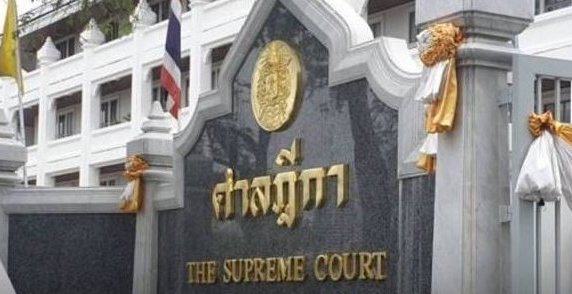
Understanding how Thailand’s Cour suprême (often referred to as the Dika Court) interprets contrats de bail is crucial for anyone involved with property leasing in Thailand, whether as a lessor or lessee. These rulings clarify how courts address various situations, from the consequences of a tenant’s death and the inheritability of leases to the enforceability of promises to renew a lease. Importantly, these Supreme Court decisions about lease in Thailand reveal that while leases might seem like straightforward contracts, they involve legal nuances under the Thai Code civil et commercial (CCC) that can lead to significant misunderstandings if not properly understood. This summary explains key principles derived from important Supreme Court decisions about lease in Thailand that shape Thailand’s leasing landscape.
Table des matières
Les baux en tant que droits essentiellement personnels : Interprétations clés
Un principe fondamental du droit thaïlandais, renforcé par de nombreuses décisions de justice, est qu'un bail est généralement un droit personnel tied specifically to the lessee. Consequently, the lease typically ends when the lessee dies, unless the contract explicitly provides for transfer or succession in a legally valid manner (the result depends on the nature of the right and the agreement; section 569 concerns a transfer of ownership).
Plusieurs Décisions de la Cour Dika fondatrices illustrent cela :
- Décision de la Cour suprême n° 540/2517 : Il a été souligné que même si le conjoint d'un locataire décédé continuait de payer le loyer accepté par le bailleur, le bail initial (personnel au défunt) était résilié. En l'absence d'un nouvel accord écrit, l'expulsion était autorisée. Cette affaire met en évidence le caractère personnel du bail, tel qu'il est présenté dans Jurisprudence thaïlandaise en matière de baux.
- Décision n° 119/2509 : Il a été établi que le paiement continu du loyer après le décès du locataire ne constitue pas automatiquement un nouveau bail ; le contrat initial prend fin au décès.
- Décision n° 901/2508 : The lessee was a limited partnership whose managing partner, liable without limit, died. No liquidation was in issue, so the partnership could not be treated as still existing for that purpose; it had ceased to be a juristic person, the lease ended with its dissolution, and those occupying under it had no right to remain.
- Décision n° 5859/2530 : Il a été précisé qu'en cas de colocation, le décès de l'un d'entre eux ne met fin au bail que pour la part de cette personne ; les colocataires survivants peuvent continuer.
Comprendre ces interprétations est crucial pour anticiper les résultats en se basant sur des précédents juridiques en matière de baux thaïlandais.
Succession de bail en Thaïlande : règles et exceptions
Dérivant du principe des droits personnels, les baux ne sont généralement pas héréditaires. Cependant, Interprétations de la Cour suprême ont prévu d'importantes exceptions en fonction des spécificités contractuelles :
- Décision de la formation plénière n° 11058/2559 is the authority, and it gives two independent reasons. The lease was for thirty years, in writing and registered, and the contract expressly allowed the lessee to sublet. That is an agreement contracting out of CCC Section 544 paragraph one, so the lease right was not a purely personal right but a property right capable of transfer and sublease. The Court then added the reason most summaries miss: the defendants were the heirs of the lessee and therefore not “third parties” within Section 544 at all, which restricts transfer to outsiders. The lease right did not end, the registered term had not run out, and the owners could not evict. Decided in Grand Bench session 9/2559 on CCC Sections 538 and 544 paragraph one. So a lease peut être hérités pour la durée restante. Ces Décisions de la Cour suprême concernant les baux en Thaïlande montrent comment les clauses contractuelles peuvent prévaloir sur la règle générale.
- The landlord’s death and a sale require separate analysis. Existing obligations passing to an estate should be examined under the inheritance provisions; section 569 addresses transfer of ownership.
- Décision n° 6472/2548 decided this rather than touching on it. A 20-year shopping-centre lease charged 1,235 baht a month plus a lease-right fee of 2,790,550 baht. The Court held that a rent that low over that term showed the fee was in substance rent paid in advance, and that the contract forfeited it only for the tenant’s own default, not on death. The lessee having died, the lessor had to refund the unused part of the fee to the heir. The Court reached that under the lease provisions, not as unjust enrichment.
Dernière révision : 17 septembre 2026. This was a targeted review of the case citations on this page rather than of the page as a whole. Eleven decisions cited in prose above were read in Thai against the published judgments: 119/2509, 316/2530, 563/2540, 876/2537, 901/2508, 1051/2514, 3263/2535, 5859/2530, 6472/2548, 11058/2559 and 748/2533. Eight stand as published. Three were corrected: the lessee in 901/2508 was a limited partnership rather than a company, 6472/2548 decided the refund of prepaid rent instead of merely raising it, and 748/2533 supports compelling the further lease rather than an order to register. For 748/2533 both of our sources carry the court’s summary attached to the text of a different judgment, so only its summary is relied on here. This review did not re-check the statutory sections, the fees, or the practice guidance elsewhere on this page. Added 20 September 2026: two further decisions, 172/2488 ET 801-802/2492, were read in Thai against the published judgments. They had been outside every earlier citation check because the screen that finds case numbers on our pages matched only Buddhist-era years from 2500 onwards, and these are from 2488 and 2492; that screen was widened the same day. Both are correctly cited here for the rule that a lease carrying a reciprocal undertaking by the lessee passes to the heirs of the lessee, and the facts, the reasoning and the outcome of each are now on the page. Neither was sound as to what the lessee in each case had undertaken to do, which differed between them. Re-checked on 5 October 2026: four further decisions read in Thai against the published judgments, 540/2517, 1062/2539, 7386/2548 and 6763/2541; the first three stand as written, and the line on 6763/2541 was corrected, because the Court held the renewal agreement bound only the original parties whether or not it had been accepted. The case notes further down and the statutory sections were not re-checked in this pass.
Quand les baux impliquent plus : les contrats à titre onéreux
Quelques contrats de location en Thaïlande vont au-delà du simple loyer. Si un locataire effectue un investissement important et convenu (comme la construction de bâtiments qui profitent au bailleur à long terme), les tribunaux thaïlandais peuvent le qualifier de “ contrat à titre onéreux ” (สัญญาต่างตอบแทนพิเศษยิ่งกว่าการเช่าธรรมดา), accordant des droits au-delà d’un bail standard.
- Décisions n° 172/2488 ET 801-802/2492: In both the lessee had undertaken to do something beyond paying rent, and in both the heirs won. In 172/2488 the lessee had agreed to pay for improving a building belonging to the lessor, in exchange for a further 15 years at the same rent. The Court held that bargain a reciprocal contract concerning property, so it passed to his heirs, and the administrator of his estate could compel the lessor to grant the remaining 15 years. In 801-802/2492 the lease was of land for an orchard, 12 years, registered at the Land Office, and the lessee had to find and plant the fruit trees himself; when he died the lessor sued his widow and his child to evict them, and the first court agreed that the lease had been personal to him. The Supreme Court did not: this was no ordinary lease of land to gather fruit, as the planting obligation in clauses 1 and 2 showed, the rent was low, and nothing could be harvested for five years. The appeal by the lessor was dismissed, the family kept the land to the end of the term, and the 4,150 THB raised by selling the orange crop during the case went to them as fruits of the land they leased. That judgment cites 172/2488 by number, so the two are one line of authority, and note that it is a combined judgment numbered 801-802/2492. What makes the difference is the undertaking the lessee gives in exchange, not the size of the sum spent.
- Cette distinction se retrouve également dans les contrats de location-vente (articles 572 à 574 du CCC). Décisions n° 2578-2579/2515 hold that a hire-purchase contract is not an ordinary lease: it carries a promise to sell (คำมั่นว่าจะขาย) conditional on the instalments being paid, and the right to become owner on completing them is pas a personal right. The contract can therefore be succeeded to, and when the hire-purchaser died the heirs took over the rights. The lesson for drafting is that what makes the arrangement inheritable is the promise to sell, not the label on the document.
Promesses de location ou de renouvellement : questions d'applicabilité
Les clauses promettant des baux futurs ou des renouvellements nécessitent un examen attentif, car analyses judiciaires montrent qu'elles ne sont pas toujours contraignantes :
- Decision No. 3263/2535 is the one to know. The lease said that if the lessee had not breached, the lessor “will consider extending the term for a further period”. The Court held that this expresses an intention that the lessor will exercise its discretion at the end of the term, and that even where the lessee has not breached, whether to renew remains the lessor’s discretion. The clause was therefore not a promise to lease (คำมั่นจะให้เช่า) at all, and the tenant was evicted despite having asked to renew.
- The practical rule that follows: a renewal clause that leaves the rent, the term or the decision itself to be settled later is an agreement to negotiate, not an enforceable promise. If a renewal is meant to bind, the rent and the term have to be fixed in the clause, and the lessor must not be left a discretion to decline.
- Une promesse véritablement exécutoire requiert généralement des conditions précises et une acceptation en bonne et due forme.
Acceptation des promesses de location : délais, validité et enregistrement
La validité de l'acceptation d'une promesse de renouvellement dépend de plusieurs facteurs, comme l'ont précisé les décisions judiciaires thaïlandaises:
- Timing: L'acceptation doit généralement intervenir dans un délai stipulé (Décision n° 316/2530) ou, si aucune précision n'est apportée, avant l'expiration du bail initial (Décision n° 1051/2514).
- Inscription: Pour une applicabilité à long terme (plus de 3 ans), l'enregistrement est essentiel (article 538 du CCC). Décision n° 563/2540 Il a démontré qu'un bail à long terme non enregistré (et potentiellement sa promesse de renouvellement) n'est exécutoire que pendant 3 ans.
- Maintien dans les lieux : Le simple fait de rester et de payer le loyer après l'expiration ne réactive pas une promesse caduque ; il crée généralement un bail à durée indéterminée (article 570 du CCC, Décision n° 876/2537).
- Landlord’s death before acceptance: Examine sections 169(2) and 360, including whether the tenant knew of the death before accepting. Compare 1213/2517 ET 4872/2539; death alone does not explain both outcomes.
- Preuves écrites : Les promesses verbales ne sont généralement pas exécutoires ; une preuve écrite signée par la partie responsable (bailleur) est requise (article 538 du CCC, Décisions n° 1062/2539 et 7386/2548).
- Vente immobilière : A new owner is pas bound by the previous owner’s agreement to renew, unless the new owner agreed to take it on (Décision n° 6763/2541). That held even though the original contract was more than an ordinary lease (the buildings were to pass to the lessor): the renewal agreement was a separate personal right binding only the parties who made it.
- L'acceptation en temps opportun d'une valide promesse crée une nouvelle obligation (Décision n° 1925/2517). Where the promise fixes the further term and the rent, the lessor is a debtor of that obligation and cannot refuse once the lessee has given notice in time (Décision n° 748/2533, a promise of ten further years at 800 baht a month with no additional lump sum).
The 30-year limit and lawful renewal
section 540 permits renewal for a further term up to 30 years. In 4655/2566, same-day promises for two more 30-year terms, with advance payment covering the entire arrangement, were treated as an evasion of the statutory limit. The decision concerns the substance of the transaction.
Comparer 1925/2517 ET 4872/2539, where acceptance supported a further short-term lease. A blanket statement that every advance renewal promise is invalid would overlook those authorities. The construction cases also support enforcement of agreed occupation rights, but do not establish an exemption allowing a prepaid 60-year or 90-year residential lease.
For the combined analysis, read reciprocal agreements, construction investment and lease renewal.
Considérations finales sur les contrats de location thaïlandais
Draft the occupation period, construction obligations and renewal process clearly. Under article 171, true intention matters when interpreting declarations; article 538 ET section 540 address different questions of form and duration. Register a lawful long-term lease where required, preserve evidence of performance and deliver any acceptance notice through the agreed method within the agreed deadline.
Sources officielles et informations complémentaires :
- La Cour suprême de Thaïlande (ศาลฎีกา) : L'accès aux décisions de cas spécifiques (คำพิพากษาศาลฎีกา) nécessite généralement l'utilisation de la base de données en langue thaïlandaise.
- Portail principal de la Cour de justice : https://www.coj.go.th/
- ThaiDeka judgment reproductions (independent database): https://deka.in.th/
- Portail des annonces judiciaires (avis électronique) : https://enotice.coj.go.th/
- Code civil et commercial (CCC) : Les dispositions relatives au bail (“ Location de biens ”) se trouvent principalement dans les articles 537 à 571. Les versions officielles peuvent être obtenues auprès des sources gouvernementales.
Trouver des traductions anglaises complètes et à jour de décisions de la Cour Dika peut s'avérer difficile. Les professionnels du droit locaux restent la meilleure source d'interprétations actuelles.
Case notes: renewal and special reciprocal agreements
These summaries distinguish each court ruling from its practical implications. Source links lead to ThaiDeka reproductions of judgments or published digests. Case years use the Buddhist Era. Read the full reciprocal-agreements analysis et le curated contracts-and-leases collection.
The collection already includes 4655/2566: prepaid lease extensions. The additional decisions follow.
1627/2505: Construction contributions and a 14-year occupation bargain
The tenant contributed towards construction. The bargain contemplated successive three-year documents but a total occupation period of 14 years and registration. The published digest records enforcement of the complete reciprocal arrangement despite the absence of later renewal documents. This supports completion of the agreed original term.
Scope: Application du délai total convenu ; pas de prolongation au-delà de 30 ans.
Related Code provisions: article 369; article 538; section 540. These links include related provisions for comparison and do not mean every provision was applied in the judgment.
Read the Thai judgment digest · Reciprocal agreements and renewal
1925/2517: Written acceptance creates a new three-year lease
Le bail initial de trois ans promettait trois années supplémentaires si le locataire donnait un préavis écrit dans le mois suivant l'expiration. Le locataire s'est conformé à cette exigence. La Cour a jugé que l'acceptation a créé un nouveau bail aux conditions stipulées sans exiger un autre document contractuel. L'affaire concernait des termes courts, et non une structure dépassant la limite de 30 ans.
Scope: Support direct pour le renouvellement par acceptation ; le cas concernait des contrats à court terme.
Related Code provisions: section 537; article 538; article 168; article 169; article 361; section 540. These links include related provisions for comparison and do not mean every provision was applied in the judgment.
4872/2539: Renewal against an heir: knowledge of death and acceptance
Après un bail de 15 ans, le preneur a invoqué une promesse pour une nouvelle période de trois ans en se fondant sur un loyer de référence convenu et des frais de renouvellement. La connaissance du décès du bailleur avant l'acceptation n'a pas été établie. En appliquant l'article 169, alinéa 2, combiné avec l'article 360, la Cour a confirmé l'obligation à l'encontre de l'héritier et a rejeté l'exception d'ordre public sur ces faits.
Scope: La Cour a rejeté l'exception d'ordre public sur ces faits, et non une structure prépayée de 90 ans.
Related Code provisions: article 169; article 360; section 540; article 569; article 1600. These links include related provisions for comparison and do not mean every provision was applied in the judgment.
8534/2542: Construction bargain protects the agreed 20-year term
La construction et le transfert d'un bâtiment au propriétaire constituaient la contreprestation convenue pour 20 ans d'occupation. Le litige est survenu après l'écoulement d'une partie de la période. Un traitement réciproque spécial a justifié la période convenue restante malgré l'absence d'écrit et d'enregistrement. Les années restantes faisaient partie de l'échange initial, et non d'une période supplémentaire au-delà de 30 ans.
Scope: La période restante faisait partie de l'échange initial.
Related Code provisions: article 538; article 369; section 540. These links include related provisions for comparison and do not mean every provision was applied in the judgment.
3279/2524: A 30-year construction agreement binds the landlord’s estate
The tenants agreed to build on the land, paid the agreed compensation, and were entitled to occupy for 30 years. The buildings would pass to the owner at expiry. The Supreme Court treated the exchange as more than an ordinary lease and upheld dismissal of the estate’s eviction action before the agreed period ended.
Scope: La Cour a confirmé la protection pour la période convenue de 30 ans.
Related Code provisions: article 369; section 537; article 1599; article 538; article 1600; section 540. These links include related provisions for comparison and do not mean every provision was applied in the judgment.
2526/2531: Estate bound by construction lease; registration claim time-barred
The tenant contributed 110,000 baht towards construction in exchange for a 20-year term and permission to sublet. The Court held that the special reciprocal obligations passed to heirs and rejected eviction. However, the separate counterclaim seeking registration was brought more than one year after knowledge of the landlord’s death and failed under section 1754(3).
Scope: La demande reconventionnelle distincte en enregistrement a échoué en raison du délai de prescription successorale.
Related Code provisions: article 369; section 537; article 538; article 1599; article 1600; section 1754. These links include related provisions for comparison and do not mean every provision was applied in the judgment.
379/2511: Special reciprocal status does not carry forward automatically
A construction contribution supported the original six-year arrangement. After expiry, the later tenancy was classified as an ordinary lease despite a further lump-sum payment. The decision supports examining the exchange for the later term separately. A prior construction investment does not automatically confer special reciprocal status on every subsequent tenancy.
Scope: Le statut de réciprocité spéciale ne se prolonge pas automatiquement pour une période ultérieure.
Related Code provisions: article 538; article 369; section 540. These links include related provisions for comparison and do not mean every provision was applied in the judgment.
412/2511: Special reciprocal lease remains subject to rent obligations
The construction bargain supported an 11-year occupation term outside the ordinary section 538 registration requirement. Recognition of special reciprocal status did not remove the tenant’s duty to pay rent. The Court accepted termination for non-payment under the applicable lease rules. The construction obligation and continuing rental duties must both be considered.
Scope: Le statut spécial ne remet pas en cause les obligations de location du locataire.
Related Code provisions: article 538; article 560; article 369. These links include related provisions for comparison and do not mean every provision was applied in the judgment.
2759/2534: Car-park construction does not determine the lease duration
The tenant’s car-park works supported special reciprocal treatment, but the car park’s own lease terms determined its duration. A separate building arrangement did not extend the car-park occupation period. An invitation to contact the owner about further renting was not an offer whose acceptance created a renewal.
Scope: L'investissement et un bail de bâtiment séparé n'ont pas établi une durée de parking plus longue.
Related Code provisions: article 538; article 369; article 361; section 540. These links include related provisions for comparison and do not mean every provision was applied in the judgment.
3801/2555: Uncertain rent and duration defeat a renewal claim
Wording referring to fair adjustments of rent or duration did not settle the essential terms needed for an enforceable renewal commitment. The tenant later proposed terms, but the owner did not accept them. The Court did not treat the clause and unilateral proposal as a completed further lease.
Scope: Une proposition ultérieure non acceptée ne pouvait pas combler le vide.
Related Code provisions: section 537; article 538; article 361; section 366. These links include related provisions for comparison and do not mean every provision was applied in the judgment.
1213/2517 : Décès du bailleur connu avant l'acceptation d'une promesse de renouvellement
The Grand Bench distinguished the original lease from the promise of a later term. Acceptance before the landlord’s death had not been established, and the tenant knew of the death before acceptance. The promise did not bind the heirs. The judgment used the Code numbering then in force; modern section 168 should not be presented as a provision applied by that judgment.
Scope: Distinguer une obligation contractuelle existante d'une promesse attendant encore son acceptation.
Related Code provisions: article 360; article 169; article 538; article 569; article 1599; article 1600. These links include related provisions for comparison and do not mean every provision was applied in the judgment.
4208/2567: Remand concerning an unresolved counterclaim, not final lease enforcement
The appeal court had treated the arrangement as a special reciprocal contract supporting a ten-year term. The Supreme Court set aside that judgment and remitted because the counterclaim concerning alleged breach had not been fully decided. The appeal court’s view should not be represented as a final Supreme Court holding enforcing occupation against the estate.
Scope: La décision de la cour d’appel concernant le contrat spécial n’était pas une décision définitive de la Cour suprême quant au fond.
Related Code provisions: article 538; article 369; article 1599; article 1600. These links include related provisions for comparison and do not mean every provision was applied in the judgment.
🚩 Outil membre : Vérifiez votre contrat de location thaïlandais à la recherche de clauses abusives
Avant de signer, collez votre bail dans notre scanner de baux par IA. Il vérifie les conditions de dépôt de garantie, les clauses de résiliation, les obligations de réparation, les promesses de renouvellement et l'enregistrement par rapport au Code civil et commercial en vigueur, et vous indique de quelle section de la loi provient chaque problème.
Inclus dans l'abonnement Silver, 1 490 THB par an, moins que le coût d'une consultation d'avocat, et cela couvre également la bibliothèque de modèles et les guides réservés aux membres. Gold (5 800 THB) ajoute une révision par un avocat de vos documents réels.
ก่อนเซ็นสัญญาเช่า ใช้เครื่องมือตรวจสัญญาเช่าด้วย AI ของเรา ตรวจสอบเงินประกัน การบอกเลิกสัญญา ค่าซ่อมแซม และการจดทะเบียน เทียบกับประมวลกฎหมายแพ่งและพาณิชย์ รวมอยู่ในสมาชิก Silver ปีละ 1,490 บาท
Actualités juridiques thaïlandaises, gratuites par courriel
Des informations claires et concises sur les changements législatifs thaïlandais concernant les étrangers : propriété, visas, mariage, affaires et testaments. Un court courriel par mois, envoyé par un cabinet d’avocats établi depuis 2006. Zéro spam, désabonnement possible à tout moment.