


ตรวจสอบโดย ThaiLawOnline สำนักงานกฎหมายไทยที่ได้รับใบอนุญาตและดำเนินกิจการในประเทศไทยตั้งแต่ปี พ.ศ. 2549 ทนายความผู้รับผิดชอบสำนวน: วิชุดา อรรถเมธากุล, น.ม., ใบอนุญาตให้เป็นทนายความ เลขที่ 3149/2556.
ปรับปรุงล่าสุดเมื่อ
Understanding how Thailand’s ศาลฎีกา (often referred to as the Dika Court) interprets สัญญาเช่า is crucial for anyone involved with property leasing in Thailand, whether as a lessor or lessee. These rulings clarify how courts address various situations, from the consequences of a tenant’s death and the inheritability of leases to the enforceability of promises to renew a lease. Importantly, these Supreme Court decisions about lease in Thailand reveal that while leases might seem like straightforward contracts, they involve legal nuances under the Thai ประมวลกฎหมายแพ่งและพาณิชย์ (CCC) that can lead to significant misunderstandings if not properly understood. This summary explains key principles derived from important Supreme Court decisions about lease in Thailand that shape Thailand’s leasing landscape.
สารบัญ
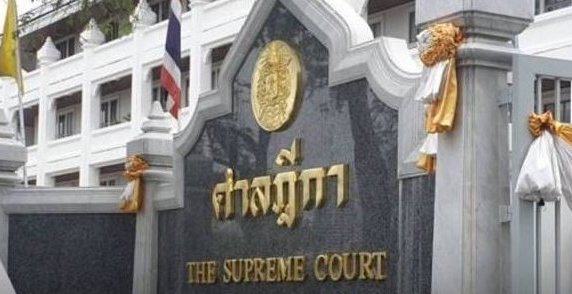
สัญญาเช่าในฐานะสิทธิส่วนบุคคลเป็นหลัก: การตีความที่สำคัญ
หลักการพื้นฐานในกฎหมายไทย ซึ่งได้รับการยืนยันโดยคำพิพากษาของศาลหลายคดี คือ สัญญาเช่าโดยทั่วไปแล้วเป็น... สิทธิส่วนบุคคล tied specifically to the lessee. Consequently, the lease typically ends when the lessee dies, unless the contract explicitly provides for transfer or succession in a legally valid manner (the result depends on the nature of the right and the agreement; section 569 concerns a transfer of ownership).
พื้นฐานหลายประการ คำตัดสินของศาลดิกา ตัวอย่างเช่น:
- คำตัดสินของศาลฎีกา เลขที่ 540/2517: เน้นย้ำว่า แม้ว่าคู่สมรสของผู้เช่าที่เสียชีวิตจะยังคงจ่ายค่าเช่าตามที่ผู้ให้เช่าตกลงไว้ สัญญาเช่าเดิม (ซึ่งเป็นกรรมสิทธิ์ส่วนบุคคลของผู้เสียชีวิต) ก็ได้สิ้นสุดลงแล้ว หากไม่มีข้อตกลงเป็นลายลักษณ์อักษรฉบับใหม่ การขับไล่ก็เป็นสิ่งที่ทำได้ กรณีนี้เน้นย้ำถึงลักษณะส่วนบุคคลที่เน้นย้ำไว้ในเรื่องนี้ กฎหมายเกี่ยวกับการเช่าในประเทศไทย.
- คำตัดสินเลขที่ 119/2509: มีการกำหนดไว้แล้วว่า การชำระค่าเช่าอย่างต่อเนื่องหลังจากผู้เช่าเสียชีวิตไม่ได้ก่อให้เกิดสัญญาเช่าใหม่โดยอัตโนมัติ สัญญาเดิมจะสิ้นสุดลงเมื่อผู้เช่าเสียชีวิต
- คำตัดสินเลขที่ 901/2508: The lessee was a limited partnership whose managing partner, liable without limit, died. No liquidation was in issue, so the partnership could not be treated as still existing for that purpose; it had ceased to be a juristic person, the lease ended with its การยุบ, and those occupying under it had no right to remain.
- คำตัดสินเลขที่ 5859/2530: ชี้แจงว่า ในกรณีที่มีผู้เช่าร่วมหลายคน การเสียชีวิตของผู้เช่าร่วมคนใดคนหนึ่งจะส่งผลให้สัญญาเช่าสิ้นสุดลงเฉพาะส่วนของผู้เช่ารายนั้นเท่านั้น ผู้เช่าร่วมที่เหลืออยู่สามารถเช่าต่อได้
การทำความเข้าใจการตีความเหล่านี้มีความสำคัญอย่างยิ่งต่อการคาดการณ์ผลลัพธ์โดยอิงจากสมมติฐานที่กำหนดไว้ บรรทัดฐานทางกฎหมายสำหรับสัญญาเช่าในประเทศไทย.
การสืบทอดสัญญาเช่าในประเทศไทย: กฎเกณฑ์และข้อยกเว้น
โดยทั่วไปแล้ว สัญญาเช่ามีพื้นฐานมาจากหลักการสิทธิส่วนบุคคล ไม่ สามารถถ่ายทอดทางพันธุกรรมได้ อย่างไรก็ตาม การตีความของศาลฎีกา ได้กำหนดข้อยกเว้นที่สำคัญโดยอิงตามรายละเอียดในสัญญา:
- คำตัดสินของคณะผู้พิพากษาเต็มคณะ เลขที่ 11058/2559 is the authority, and it gives two independent reasons. The lease was for thirty years, in writing and registered, and the contract expressly allowed the lessee to sublet. That is an agreement contracting out of CCC Section 544 paragraph one, so the lease right was not a purely personal right but a property right capable of transfer and sublease. The Court then added the reason most summaries miss: the defendants were the heirs of the lessee and therefore not “third parties” within Section 544 at all, which restricts transfer to outsiders. The lease right did not end, the registered term had not run out, and the owners could not evict. Decided in Grand Bench session 9/2559 on CCC Sections 538 and 544 paragraph one. So a lease สามารถ จะได้รับการสืบทอดต่อไปในระยะเวลาที่เหลือ เหล่านี้ คำตัดสินของศาลฎีกาเกี่ยวกับการเช่าในประเทศไทย แสดงให้เห็นว่าข้อกำหนดในสัญญาอาจเหนือกว่ากฎทั่วไปได้อย่างไร
- The landlord’s death and a sale require separate analysis. Existing obligations passing to an estate should be examined under the inheritance provisions; section 569 addresses transfer of ownership.
- คำตัดสินเลขที่ 6472/2548 decided this rather than touching on it. A 20-year shopping-centre lease charged 1,235 baht a month plus a lease-right fee of 2,790,550 baht. The Court held that a rent that low over that term showed the fee was in substance rent paid in advance, and that the contract forfeited it only for the tenant’s own default, not on death. The lessee having died, the lessor had to refund the unused part of the fee to the heir. The Court reached that under the lease provisions, not as unjust enrichment.
ตรวจสอบครั้งล่าสุด: 17 กันยายน 2026. This was a targeted review of the case citations on this page rather than of the page as a whole. Eleven decisions cited in prose above were read in Thai against the published judgments: 119/2509, 316/2530, 563/2540, 876/2537, 901/2508, 1051/2514, 3263/2535, 5859/2530, 6472/2548, 11058/2559 and 748/2533. Eight stand as published. Three were corrected: the lessee in 901/2508 was a limited partnership rather than a company, 6472/2548 decided the refund of prepaid rent instead of merely raising it, and 748/2533 supports compelling the further lease rather than an order to register. For 748/2533 both of our sources carry the court’s summary attached to the text of a different judgment, so only its summary is relied on here. This review did not re-check the statutory sections, the fees, or the practice guidance elsewhere on this page. Added 20 September 2026: two further decisions, 172/2488 และ 801-802/2492, were read in Thai against the published judgments. They had been outside every earlier citation check because the screen that finds case numbers on our pages matched only Buddhist-era years from 2500 onwards, and these are from 2488 and 2492; that screen was widened the same day. Both are correctly cited here for the rule that a lease carrying a reciprocal undertaking by the lessee passes to the heirs of the lessee, and the facts, the reasoning and the outcome of each are now on the page. Neither was sound as to what the lessee in each case had undertaken to do, which differed between them.
เมื่อสัญญาเช่าเกี่ยวข้องกับเรื่องอื่นๆ: สัญญาที่ควรพิจารณา
บาง สัญญาเช่าในประเทศไทย นอกเหนือจากการจ่ายค่าเช่าแบบธรรมดาแล้ว หากผู้เช่าลงทุนอย่างมีนัยสำคัญตามที่ตกลงกันไว้ (เช่น การก่อสร้างอาคารที่ก่อให้เกิดประโยชน์แก่ผู้ให้เช่าในระยะยาว) ศาลไทยอาจจัดประเภทเป็น “สัญญาเพื่อการพิจารณา” (สัญญาต่างตอบแทนพิเศษยิ่งกว่าการเช่าธรรมดา) ให้สิทธิที่นอกเหนือไปจากสัญญาเช่ามาตรฐาน
- คำตัดสินเลขที่ 172/2488 และ 801-802/2492: In both the lessee had undertaken to do something beyond paying rent, and in both the heirs won. In 172/2488 the lessee had agreed to pay for improving a building belonging to the lessor, in exchange for a further 15 years at the same rent. The Court held that bargain a reciprocal contract concerning property, so it passed to his heirs, and the administrator of his estate could compel the lessor to grant the remaining 15 years. In 801-802/2492 the lease was of land for an orchard, 12 years, registered at the Land Office, and the lessee had to find and plant the fruit trees himself; when he died the lessor sued his widow and his child to evict them, and the first court agreed that the lease had been personal to him. The Supreme Court did not: this was no ordinary lease of land to gather fruit, as the planting obligation in clauses 1 and 2 showed, the rent was low, and nothing could be harvested for five years. The appeal by the lessor was dismissed, the family kept the land to the end of the term, and the 4,150 THB raised by selling the orange crop during the case went to them as fruits of the land they leased. That judgment cites 172/2488 by number, so the two are one line of authority, and note that it is a combined judgment numbered 801-802/2492. What makes the difference is the undertaking the lessee gives in exchange, not the size of the sum spent.
- ความแตกต่างนี้ยังพบได้ในสัญญาเช่าซื้อ (มาตรา 572-574 ของประมวลกฎหมายแพ่งและพาณิชย์) คำตัดสินเลขที่ 2578-2579/2515 hold that a hire-purchase contract is not an ordinary lease: it carries a promise to sell (คำมั่นว่าจะขาย) conditional on the instalments being paid, and the right to become owner on completing them is ไม่ a personal right. The contract can therefore be succeeded to, and when the hire-purchaser died the heirs took over the rights. The lesson for drafting is that what makes the arrangement inheritable is the promise to sell, not the label on the document.
สัญญาการเช่าหรือต่อสัญญา: ประเด็นเรื่องการบังคับใช้
ข้อตกลงที่ให้คำมั่นสัญญาเกี่ยวกับการเช่าหรือการต่อสัญญาในอนาคต จำเป็นต้องได้รับการตรวจสอบอย่างละเอียดถี่ถ้วน เนื่องจาก การวิเคราะห์ของศาล แสดงให้เห็นว่าสิ่งเหล่านี้ไม่ได้มีผลผูกพันเสมอไป:
- Decision No. 3263/2535 is the one to know. The lease said that if the lessee had not breached, the lessor “will consider extending the term for a further period”. The Court held that this expresses an intention that the lessor will exercise its discretion at the end of the term, and that even where the lessee has not breached, whether to renew remains the lessor’s discretion. The clause was therefore not a promise to lease (คำมั่นจะให้เช่า) at all, and the tenant was evicted despite having asked to renew.
- The practical rule that follows: a renewal clause that leaves the rent, the term or the decision itself to be settled later is an agreement to negotiate, not an enforceable promise. If a renewal is meant to bind, the rent and the term have to be fixed in the clause, and the lessor must not be left a discretion to decline.
- โดยทั่วไปแล้ว คำสัญญาที่สามารถบังคับใช้ได้อย่างแท้จริงต้องมีข้อกำหนดที่ชัดเจนและการยอมรับอย่างถูกต้อง
การยอมรับคำมั่นสัญญาการเช่า: ระยะเวลา ความถูกต้อง และการลงทะเบียน
ความถูกต้องของการยอมรับคำมั่นสัญญาต่ออายุขึ้นอยู่กับหลายปัจจัย ดังที่ได้ชี้แจงไว้แล้ว คำพิพากษาของศาลไทย:
- ระยะเวลา: โดยปกติแล้ว การยอมรับจะต้องเกิดขึ้นภายในกรอบเวลาที่กำหนดไว้ (คำตัดสินเลขที่ 316/2530) หรือ หากไม่ได้ระบุไว้ ก่อนที่สัญญาเช่าเดิมจะหมดอายุ (คำตัดสินเลขที่ 1051/2514).
- การลงทะเบียน: เพื่อให้มีผลบังคับใช้ในระยะยาว (มากกว่า 3 ปี) การจดทะเบียนเป็นสิ่งสำคัญ (มาตรา 538 ของ CCC) คำตัดสินเลขที่ 563/2540 แสดงให้เห็นว่าสัญญาเช่าระยะยาวที่ไม่ได้จดทะเบียน (และอาจรวมถึงคำมั่นสัญญาในการต่ออายุ) จะมีผลบังคับใช้ได้เพียง 3 ปีเท่านั้น
- ค้างสต็อก: การอยู่อาศัยและจ่ายค่าเช่าหลังจากสัญญาหมดอายุไม่ได้ทำให้สัญญาที่หมดอายุไปแล้วกลับมามีผลอีกครั้ง แต่โดยปกติแล้วจะทำให้เกิดสัญญาเช่าที่ไม่จำกัดระยะเวลา (มาตรา 570 ของประมวลกฎหมายแพ่งและพาณิชย์) คำตัดสินเลขที่ 876/2537).
- Landlord’s death before acceptance: Examine sections 169(2) and 360, including whether the tenant knew of the death before accepting. Compare 1213/2517 และ 4872/2539; death alone does not explain both outcomes.
- หลักฐานที่เป็นลายลักษณ์อักษร: โดยทั่วไปแล้ว คำสัญญาด้วยวาจาไม่สามารถบังคับใช้ได้ ต้องมีหลักฐานเป็นลายลักษณ์อักษรที่ลงนามโดยฝ่ายที่ต้องรับผิดชอบ (ผู้ให้เช่า) (มาตรา 538 ของประมวลกฎหมายแพ่งและพาณิชย์) คำตัดสินเลขที่ 1062/2539 และ 7386/2548).
- ขายอสังหาริมทรัพย์: โดยทั่วไปแล้วเจ้าของใหม่จะเป็น ไม่ ผูกพันตามคำสัญญาต่ออายุที่ไม่ได้รับการยอมรับจากเจ้าของเดิม เว้นแต่พวกเขาจะตกลงอย่างชัดเจน (คำตัดสินเลขที่ 6763/2541โดยทั่วไปแล้ว ตัวเลือกในการต่ออายุสัญญาถือเป็นสิทธิ์ตามสัญญาส่วนบุคคล
- การยอมรับอย่างทันท่วงที ถูกต้อง คำสัญญาทำให้เกิดภาระผูกพันใหม่ (คำตัดสินเลขที่ 1925/2517). Where the promise fixes the further term and the rent, the lessor is a debtor of that obligation and cannot refuse once the lessee has given notice in time (คำตัดสินเลขที่ 748/2533, a promise of ten further years at 800 baht a month with no additional lump sum).
The 30-year limit and lawful renewal
ส่วนที่ 540 permits renewal for a further term up to 30 years. In 4655/2566, same-day promises for two more 30-year terms, with advance payment covering the entire arrangement, were treated as an evasion of the statutory limit. The decision concerns the substance of the transaction.
Compare 1925/2517 และ 4872/2539, where acceptance supported a further short-term lease. A blanket statement that every advance renewal promise is invalid would overlook those authorities. The construction cases also support enforcement of agreed occupation rights, but do not establish an exemption allowing a prepaid 60-year or 90-year residential lease.
For the combined analysis, read reciprocal agreements, construction investment and lease renewal.
ข้อควรพิจารณาสุดท้ายเกี่ยวกับสัญญาเช่าในประเทศไทย
Draft the occupation period, construction obligations and renewal process clearly. Under section 171, true intention matters when interpreting declarations; ส่วนที่ 538 และ ส่วนที่ 540 address different questions of form and duration. Register a lawful long-term lease where required, preserve evidence of performance and deliver any acceptance notice through the agreed method within the agreed deadline.
แหล่งข้อมูลอย่างเป็นทางการและข้อมูลเพิ่มเติม:
- ศาลฎีกาแห่งประเทศไทย (ศาลฎีกา): การเข้าถึงคำพิพากษากรณีเฉพาะ (คำพิพากษาศาลฎีกา) โดยปกติต้องใช้ฐานข้อมูลภาษาไทย
- เว็บไซต์หลักของศาลยุติธรรม: https://www.coj.go.th/
- ThaiDeka judgment reproductions (independent database): https://deka.in.th/
- ระบบประกาศของศาล (e-Notice): https://enocite.coj.go.th/
- ประมวลกฎหมายแพ่งและพาณิชย์ (CCC): บทบัญญัติเกี่ยวกับการเช่า (“การเช่าทรัพย์สิน”) ส่วนใหญ่อยู่ในมาตรา 537-571 สามารถขอเอกสารฉบับทางการได้จากแหล่งข้อมูลของทางราชการ
การค้นหาคำแปลภาษาอังกฤษที่ครอบคลุมและทันสมัยสำหรับเนื้อหาเฉพาะเรื่อง คำพิพากษาของศาลดิกา อาจเป็นเรื่องยาก ผู้เชี่ยวชาญด้านกฎหมายในท้องถิ่นยังคงเป็นแหล่งข้อมูลที่ดีที่สุดสำหรับการตีความในปัจจุบัน
Case notes: renewal and special reciprocal agreements
These summaries distinguish each court ruling from its practical implications. Source links lead to ThaiDeka reproductions of judgments or published digests. Case years use the Buddhist Era. Read the full reciprocal-agreements analysis และ curated contracts-and-leases collection.
The collection already includes 4655/2566: prepaid lease extensions. The additional decisions follow.
1627/2505: Construction contributions and a 14-year occupation bargain
The tenant contributed towards construction. The bargain contemplated successive three-year documents but a total occupation period of 14 years and registration. The published digest records enforcement of the complete reciprocal arrangement despite the absence of later renewal documents. This supports completion of the agreed original term.
Scope: การบังคับใช้ตามกำหนดเวลารวมที่ตกลงกันไว้ ไม่ใช่การขยายออกไปเกินกว่า 30 ปี.
Related Code provisions: section 369; ส่วนที่ 538; ส่วนที่ 540. These links include related provisions for comparison and do not mean every provision was applied in the judgment.
Read the Thai judgment digest · Reciprocal agreements and renewal
1925/2517: Written acceptance creates a new three-year lease
The original three-year lease promised another three years if the tenant gave written notice within one month after expiry. The tenant complied. The Court held that acceptance created a new lease on the stated conditions without requiring another contract document. The case concerned short terms, not a structure exceeding the 30-year limit.
Scope: การสนับสนุนโดยตรงสำหรับการต่อสัญญาโดยปริยาย; คดีดังกล่าวเกี่ยวข้องกับระยะเวลาสั้น.
Related Code provisions: section 537; ส่วนที่ 538; section 168; section 169; section 361; ส่วนที่ 540. These links include related provisions for comparison and do not mean every provision was applied in the judgment.
4872/2539: Renewal against an heir: knowledge of death and acceptance
After a 15-year lease, the tenant invoked a promise for a further three-year period using an agreed rent benchmark and renewal fee. Knowledge of the landlord’s death before acceptance was not established. Applying section 169(2) with section 360, the Court upheld the obligation against the heir and rejected the public-order objection on those facts.
Scope: ศาลได้ปฏิเสธข้อคัดค้านเกี่ยวกับความสงบเรียบร้อยของสังคมบนพื้นฐานของข้อเท็จจริงดังกล่าว ไม่ใช่บนพื้นฐานของโครงสร้างสัญญา 90 ปีแบบจ่ายล่วงหน้า.
Related Code provisions: section 169; section 360; ส่วนที่ 540; section 569; section 1600. These links include related provisions for comparison and do not mean every provision was applied in the judgment.
8534/2542: Construction bargain protects the agreed 20-year term
Construction and transfer of a building to the owner formed the agreed exchange for 20 years of occupation. The dispute arose after part of the term had elapsed. Special reciprocal treatment supported the remaining agreed period despite missing writing and registration. The remaining years were part of the original exchange, not an additional term beyond 30 years.
Scope: ช่วงเวลาที่เหลือเป็นส่วนหนึ่งของสัญญาแลกเปลี่ยนเดิม.
Related Code provisions: ส่วนที่ 538; section 369; ส่วนที่ 540. These links include related provisions for comparison and do not mean every provision was applied in the judgment.
3279/2524: A 30-year construction agreement binds the landlord’s estate
The tenants agreed to build on the land, paid the agreed compensation, and were entitled to occupy for 30 years. The buildings would pass to the owner at expiry. The Supreme Court treated the exchange as more than an ordinary lease and upheld dismissal of the estate’s eviction action before the agreed period ended.
Scope: ศาลยืนยันการคุ้มครองตามระยะเวลา 30 ปีที่ได้ตกลงกันไว้.
Related Code provisions: section 369; section 537; section 1599; ส่วนที่ 538; section 1600; ส่วนที่ 540. These links include related provisions for comparison and do not mean every provision was applied in the judgment.
2526/2531: Estate bound by construction lease; registration claim time-barred
The tenant contributed 110,000 baht towards construction in exchange for a 20-year term and permission to sublet. The Court held that the special reciprocal obligations passed to heirs and rejected eviction. However, the separate counterclaim seeking registration was brought more than one year after knowledge of the landlord’s death and failed under section 1754(3).
Scope: คำร้องแย้งแยกต่างหากเกี่ยวกับการจดทะเบียนถูกปฏิเสธเนื่องจากหมดอายุการเรียกร้องตามกฎหมายมรดก.
Related Code provisions: section 369; section 537; ส่วนที่ 538; section 1599; section 1600; section 1754. These links include related provisions for comparison and do not mean every provision was applied in the judgment.
379/2511: Special reciprocal status does not carry forward automatically
A construction contribution supported the original six-year arrangement. After expiry, the later tenancy was classified as an ordinary lease despite a further lump-sum payment. The decision supports examining the exchange for the later term separately. A prior construction investment does not automatically confer special reciprocal status on every subsequent tenancy.
Scope: สถานะพิเศษแบบแลกเปลี่ยนกันจะไม่ต่ออายุโดยอัตโนมัติไปยังช่วงถัดไป.
Related Code provisions: ส่วนที่ 538; section 369; ส่วนที่ 540. These links include related provisions for comparison and do not mean every provision was applied in the judgment.
412/2511: Special reciprocal lease remains subject to rent obligations
The construction bargain supported an 11-year occupation term outside the ordinary section 538 registration requirement. Recognition of special reciprocal status did not remove the tenant’s duty to pay rent. The Court accepted termination for non-payment under the applicable lease rules. The construction obligation and continuing rental duties must both be considered.
Scope: สถานะพิเศษไม่ได้ยกเว้นหน้าที่ของผู้เช่าในการชำระค่าเช่า.
Related Code provisions: ส่วนที่ 538; section 560; section 369. These links include related provisions for comparison and do not mean every provision was applied in the judgment.
2759/2534: Car-park construction does not determine the lease duration
The tenant’s car-park works supported special reciprocal treatment, but the car park’s own lease terms determined its duration. A separate building arrangement did not extend the car-park occupation period. An invitation to contact the owner about further renting was not an offer whose acceptance created a renewal.
Scope: การลงทุนและสัญญาเช่าอาคารที่แยกต่างหากไม่ได้กำหนดระยะเวลาการเช่าที่จอดรถให้ยาวขึ้น.
Related Code provisions: ส่วนที่ 538; section 369; section 361; ส่วนที่ 540. These links include related provisions for comparison and do not mean every provision was applied in the judgment.
3801/2555: Uncertain rent and duration defeat a renewal claim
Wording referring to fair adjustments of rent or duration did not settle the essential terms needed for an enforceable renewal commitment. The tenant later proposed terms, but the owner did not accept them. The Court did not treat the clause and unilateral proposal as a completed further lease.
Scope: ข้อเสนอที่เสนอมาภายหลังแต่ไม่ได้รับการยอมรับนั้น ไม่สามารถเติมเต็มช่องว่างได้.
Related Code provisions: section 537; ส่วนที่ 538; section 361; section 366. These links include related provisions for comparison and do not mean every provision was applied in the judgment.
1213/2517: Landlord’s death known before acceptance of a renewal promise
The Grand Bench distinguished the original lease from the promise of a later term. Acceptance before the landlord’s death had not been established, and the tenant knew of the death before acceptance. The promise did not bind the heirs. The judgment used the Code numbering then in force; modern section 168 should not be presented as a provision applied by that judgment.
Scope: แยกความแตกต่างระหว่างภาระผูกพันตามสัญญาที่มีอยู่ กับคำสัญญาที่ยังรอการรับคำสัญญา.
Related Code provisions: section 360; section 169; ส่วนที่ 538; section 569; section 1599; section 1600. These links include related provisions for comparison and do not mean every provision was applied in the judgment.
4208/2567: Remand concerning an unresolved counterclaim, not final lease enforcement
The appeal court had treated the arrangement as a special reciprocal contract supporting a ten-year term. The Supreme Court set aside that judgment and remitted because the counterclaim concerning alleged breach had not been fully decided. The appeal court’s view should not be represented as a final Supreme Court holding enforcing occupation against the estate.
Scope: คำวินิจฉัยของศาลอุทธรณ์เกี่ยวกับสัญญาพิเศษนั้น ไม่ใช่คำพิพากษาของศาลฎีกาที่ตัดสินในสาระคดีอย่างเด็ดขาด.
Related Code provisions: ส่วนที่ 538; section 369; section 1599; section 1600. These links include related provisions for comparison and do not mean every provision was applied in the judgment.
ตรวจสัญญาเช่าสำหรับสมาชิก
ก่อนที่คุณจะลงนาม ให้คัดลอกสัญญาเช่าของคุณลงในเครื่องมือสแกนสัญญาเช่า AI ของเรา ระบบจะตรวจสอบเงื่อนไขเงินประกัน ข้อสัญญาการเลิกสัญญา ภาระผูกพันในการซ่อมแซม คำสัญญาเรื่องการต่อสัญญา และการจดทะเบียน เทียบกับประมวลกฎหมายแพ่งและพาณิชย์จริง พร้อมทั้งบอกด้วยว่าปัญหาแต่ละข้อมาจากมาตราใดของกฎหมาย.
รวมอยู่ในสมาชิกระดับซิลเวอร์, 1,490 บาทต่อปี, น้อยกว่าค่าปรึกษาทนายความครั้งเดียว และยังครอบคลุมคลังเทมเพลตและคู่มือสำหรับสมาชิกเท่านั้น แพ็กเกจโกลด์ (5,800 บาท) เพิ่มบริการทนายความตรวจสอบเอกสารจริงของคุณ.
ก่อนเซ็นสัญญาเช่า ใช้เครื่องมือตรวจสัญญาเช่าด้วย AI ของเรา ตรวจสอบเงินประกัน การบอกเลิกสัญญา ค่าซ่อมแซม และการจดทะเบียน เทียบกับประมวลกฎหมายแพ่งและพาณิชย์ รวมอยู่ในสมาชิก Silver ปีละ 1,490 บาท
ข่าวสารกฎหมายไทย ฟรีทางอีเมล
อัปเดตข่าวสารกฎหมายไทยในภาษาเข้าใจง่าย ที่ส่งผลกระทบต่อชาวต่างชาติ: อสังหาริมทรัพย์, วีซ่า, การสมรส, ธุรกิจ และพินัยกรรม จดหมายข่าวสั้นเพียงฉบับเดียวต่อเดือน จากสำนักงานกฎหมายที่ดำเนินงานมาตั้งแต่ปี 2549 ไม่มีการส่งสแปม ยกเลิกรับได้ทุกเมื่อ.