


ตรวจสอบโดย ThaiLawOnline สำนักงานกฎหมายไทยที่ได้รับใบอนุญาตและดำเนินกิจการในประเทศไทยตั้งแต่ปี พ.ศ. 2549 ทนายความผู้รับผิดชอบสำนวน: Wichuda Atthamethakon, น.ม., ใบอนุญาตให้เป็นทนายความ เลขที่ 3149/2556.
ปรับปรุงล่าสุดเมื่อ
ไทยไม่เผยแพร่อัตราการฆาตกรรมที่เทียบเคียงได้ในระดับสากลอีกต่อไป ปีสุดท้ายที่ประเทศไทยปรากฏในชุดข้อมูลของสำนักงานว่าด้วยยาเสพติดและอาชญากรรมแห่งสหประชาชาติคือปี 2011, ที่ ผู้เสียชีวิตจากการฆาตกรรมโดยเจตนา 4.79 รายต่อประชากร 100,000 คน, ซึ่งเท่ากับผู้เสียชีวิต 3,307 รายในปีนั้น ตัวเลขที่อ้างถึงในที่อื่นสำหรับปี 2020, 2021, 2024 หรือ 2025 ไม่ได้อยู่ในชุดข้อมูลนั้น: ตัวเลขเหล่านั้นเป็นค่าประมาณจากแบบจำลอง หรือเป็นจำนวนที่ตำรวจระดับประเทศนับโดยใช้คำนิยามที่แตกต่างกัน และตัวเลขเหล่านี้ต่างกันถึงสองเท่า หน้านี้แสดงตัวเลขล่าสุดที่ข้อมูลของสหประชาชาติมีอยู่จริง ระบุอย่างชัดเจนว่าข้อมูลหยุดที่ใด และอธิบายว่าประเทศไทยยังคงรายงานข้อมูลใดอยู่บ้าง.

สารบัญ
ตรวจสอบครั้งล่าสุด: 3 กันยายน 2569. ตัวเลขทุกตัวในหน้านี้ได้รับการตรวจสอบกับชุดข้อมูลการฆาตกรรมโดยเจตนาของ UNODC ซึ่งเผยแพร่เมื่อวันที่ 12 กรกฎาคม 2026 ซึ่งเป็นไฟล์ที่อยู่เบื้องหลังพอร์ทัลข้อมูลของ UNODC และกับตัวชี้วัด VC.IHR.PSRC.P5 ของธนาคารโลก ซึ่งมีชุดข้อมูลเดียวกัน ตัวเลขของไทยถูกอ่านเป็นปีต่อปีเช่นเดียวกับตัวเลขของมาเลเซีย ฟิลิปปินส์ สิงคโปร์ อินโดนีเซีย กัมพูชา เวียดนาม สหรัฐอเมริกา และอังกฤษและเวลส์ และตัวเลขของ UNODC ในระดับโลกและเอเชียตะวันออกเฉียงใต้ โดยกฎหมายดังกล่าวได้รับการอ่านจากแหล่งข้อมูลหลัก: มาตรา 288 ถึง 294 แห่งประมวลกฎหมายอาญา ทั้งภาษาไทยและภาษาอังกฤษ ในประมวลกฎหมายฉบับมีคำอธิบายของเราเอง และ ค่าเสียหาย พระราชบัญญัติค่าตอบแทนผู้เสียหาย และค่าทดแทนและค่าใช้จ่ายแก่จำเลยในคดีอาญา พ.ศ. 2544 ซึ่งแก้ไขเพิ่มเติมโดยพระราชบัญญัติ (ฉบับที่ 2) พ.ศ. 2559 ร่วมกับกฎกระทรวง พ.ศ. 2546 ซึ่งแก้ไขเพิ่มเติมโดยกฎกระทรวง (ฉบับที่ 2) พ.ศ. 2559 ที่กำหนดจำนวนเงิน ตรวจสอบอีกครั้งเมื่อวันที่ 4 ตุลาคม 2569: ได้อ่านประมวลกฎหมายอาญา มาตรา 288 ถึง 291 มาตรา 17, 18 และ 22 และบัญชีท้ายพระราชบัญญัติ พ.ศ. 2544 และข้อ 4 ของกฎกระทรวง พ.ศ. 2546 ซ้ำจากตัวบทภาษาไทย และได้ปรับย่อหน้าทั่วไปที่เก่ากว่าให้สอดคล้องกับตัวเลขดังกล่าว ส่วนตัวเลขของ UNODC และธนาคารโลกไม่ได้ดึงข้อมูลใหม่.
สิ่งที่บทวิจารณ์นี้ไม่ครอบคลุม ซึ่งเราขอระบุไว้อย่างชัดเจนแทนที่จะปล่อยให้เข้าใจเอาเอง: อัตราการฆาตกรรมของไทยตั้งแต่ปี 2012 เป็นต้นมา เพราะไม่มีการรายงานไปยังชุดข้อมูลระดับนานาชาติ; อัตราการฆาตกรรมระดับจังหวัด ซึ่งเราไม่สามารถจัดทำได้จากแหล่งข้อมูลที่เรายินดีรับรอง; และจำนวนผู้บาดเจ็บและเสียชีวิตจากความขัดแย้งในภาคใต้ ซึ่ง Deep South Watch รวบรวมตามเกณฑ์ของตนเองและไม่ได้เป็นส่วนหนึ่งของสถิติการฆาตกรรมระดับประเทศ.
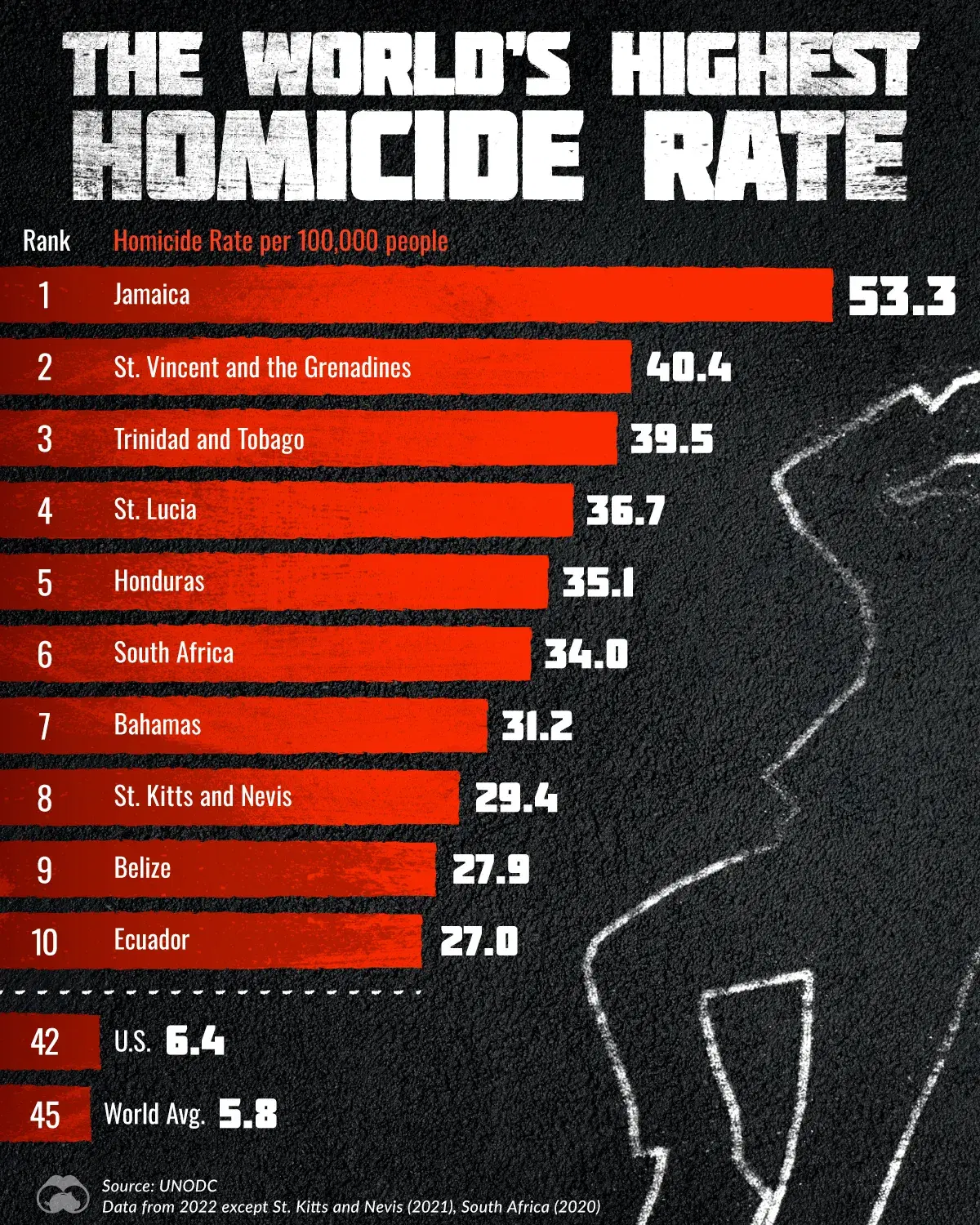
อัตราการเกิดอาชญากรรมในประเทศไทยคือเท่าไร
การเปรียบเทียบอัตราการก่ออาชญากรรมระหว่างประเทศนั้นเป็นเรื่องที่ยาก เนื่องจากแนวปฏิบัติของหน่วยงานบังคับใช้กฎหมายและบรรทัดฐานทางวัฒนธรรมมีความแตกต่างกัน อัตราการฆาตกรรมในประเทศไทยมักถูกนำมาเปรียบเทียบเพื่อวัดความปลอดภัยของประเทศต่างๆ โดยอัตราการฆาตกรรมที่รายงานโดยตนเองของไทยลดลงอย่างต่อเนื่องในช่วงทศวรรษ 2000 โดยมีอัตรา 9.92 ต่อ 100,000 ในปี 2003, 5.33 ในปี 2010 และ 4.79 ในปี 2011 ซึ่งเป็นปีที่ไทยรายงานข้อมูลล่าสุด อัตราการลดลงนี้มากกว่าครึ่งในเวลาเพียงแปดปี และแนวปฏิบัติในการบันทึกข้อมูลที่ดีขึ้นเป็นส่วนหนึ่งของคำอธิบายควบคู่ไปกับความเปลี่ยนแปลงในพฤติกรรม ตัวเลขเหล่านี้มาจาก ชุดข้อมูลการฆาตกรรมโดยเจตนาของ UNODC, ในเวอร์ชันที่เผยแพร่เมื่อวันที่ 12 กรกฎาคม 2026.
ความรุนแรงไม่ได้กระจายตัวอย่างเท่าเทียมกัน สามจังหวัดชายแดนภาคใต้มีความขัดแย้งด้วยอาวุธมาตั้งแต่ปี 2004 แต่ไม่มีชุดข้อมูลที่เผยแพร่ใดแยกการเสียชีวิตเหล่านี้ออกจากตัวเลขการฆาตกรรมระดับประเทศ ดังนั้นหน้านี้จึงไม่แสดงอัตรารายจังหวัด (ดูความแตกต่างในระดับภูมิภาคด้านล่าง) เราได้เขียนบทความอื่น ๆ เกี่ยวกับ ผลกระทบของการควบคุมเครื่องดื่มแอลกอฮอล์ในประเทศไทย, กฎหมายอาญาในประเทศไทยถ้าคุณเป็น... จะทำอย่างไรดี? ถูกจับกุมในประเทศไทยและข้อมูลเพิ่มเติมเกี่ยวกับข้อเท็จจริง สถิติ และอาชญากรรมในประเทศไทย
แนวโน้มทางประวัติศาสตร์ของอัตราการฆาตกรรมในประเทศไทย
อัตราการฆาตกรรมที่ไทยรายงานลดลงมากกว่าครึ่งในช่วงแปดปีจนถึงปี 2011 จาก 9.92 ต่อ 100,000 คนในปี 2003 เป็น 4.79 ข้อมูลไม่ได้แสดงว่าการเปลี่ยนแปลงใดเป็นสาเหตุของการลดลง และการบันทึกข้อมูลที่ดีขึ้นก็เป็นส่วนหนึ่งของคำอธิบาย นอกจากนี้ข้อมูลยังไม่สามารถบอกอะไรเกี่ยวกับช่วงปีหลัง ๆ ได้ เนื่องจากชุดข้อมูลสิ้นสุดลงในปี 2011 สิ่งที่ข้อมูลแสดงให้เห็นคือ ในทุกปีที่ประเทศไทยรายงาน อัตราของไทยสูงกว่าอัตราของประเทศเพื่อนบ้านที่อยู่ติดกัน ได้แก่ เวียดนาม กัมพูชา และมาเลเซีย.
อัตราการฆาตกรรมในประเทศไทยแยกตามปี
| ปี | ประเทศไทย | โลก | หมายเหตุ |
|---|---|---|---|
| 2008 | 5.88 | ไม่ได้เผยแพร่ | การลดลงกำลังดำเนินอยู่แล้ว |
| 2009 | 5.44 | ไม่ได้เผยแพร่ | |
| 2010 | 5.33 | 6.1 | อยู่ต่ำกว่าตัวเลขของโลก แต่ประมาณสามเท่าของเวียดนาม |
| 2011 | 4.79 | 6.2 | ปีสุดท้ายที่ไทยปรากฏในชุดข้อมูลนี้ |
| ปี 2012 ถึงปี 2025 | ไม่มีข้อมูล | 5.2 ในปี 2023 | แถวเหล่านั้นมีอยู่ และค่าทุกตัวในประเทศไทยเป็น null |
แหล่งที่มา: ตัวชี้วัดของธนาคารโลก VC.IHR.PSRC.P5 (อัตราการฆาตกรรมโดยเจตนาต่อ 100,000 คน), ซึ่งเป็นชุดข้อมูลของ UNODC ตัวเลขที่รวบรวมเมื่อวันที่ 23 สิงหาคม 2026; ตัวชี้วัดนี้ได้รับการอัปเดตครั้งสุดท้ายเมื่อวันที่ 13 กรกฎาคม 2026.
ทำไมแหล่งข้อมูลทุกแห่งที่คุณพบจึงให้ตัวเลขที่ต่างกัน. ไทยไม่ได้รายงานการฆาตกรรมโดยเจตนาในรูปของ อัตรา ต่อชุดข้อมูลระหว่างประเทศนับตั้งแต่ปี 2011 และแถวข้อมูลสำหรับปี 2012 ถึง 2025 มีอยู่แต่ว่างเปล่า ทั้งนี้ประเทศไทยไม่ได้เงียบหายไปทั้งหมด: ไฟล์ของ UNODC ไฟล์เดียวกันยังคงมีข้อมูลที่ประเทศไทยรายงานเกี่ยวกับจำนวนผู้ที่ถูกตัดสินว่ามีความผิดฐานฆ่าผู้อื่นโดยเจตนาในปี 2016 และ 2018 และข้อมูลการฆาตกรรมในเรือนจำทุกปีตั้งแต่ปี 2019 ถึง 2024 สิ่งที่หยุดไปคือชุดข้อมูลผู้เสียชีวิต ซึ่งเป็นชุดข้อมูลที่การเปรียบเทียบระหว่างประเทศทุกฉบับใช้ ดังนั้น ข้อมูลใดก็ตามที่คุณอ่านพบซึ่งอ้างอัตราการฆาตกรรมของไทยสำหรับปี 2020, 2023 หรือ 2025 จึงเป็นค่าประมาณจากแบบจำลอง ตัวเลขของตำรวจแห่งชาติที่นับบนฐานที่แตกต่างกัน หรือการคาดเดาของผู้อื่น และทั้งสามแหล่งนี้มีตัวเลขแตกต่างกันถึงสองเท่า เราขอแสดงตัวเลขล่าสุดที่ชุดข้อมูลของสหประชาชาติมีอยู่จริง และบอกอย่างตรงไปตรงมาว่าข้อมูลสิ้นสุดที่ใด แทนที่จะเผยแพร่ค่าประมาณที่มีทศนิยมกำกับ.
สถานะของประเทศไทยในปี 2011 ซึ่งเป็นปีที่รายงานข้อมูลล่าสุด, ในตัวชี้วัดเดียวกัน: ไทย 4.79, โลก 6.2, ฟิลิปปินส์ 8.64, กัมพูชา 1.82, มาเลเซีย 1.82, เวียดนาม 1.54 ดังนั้นไทยจึงอยู่ต่ำกว่าตัวเลขโลกและอยู่ประมาณสามเท่าของประเทศเพื่อนบ้านที่ใกล้เคียงที่สุด จากประเทศเหล่านั้นเพียงมาเลเซียและฟิลิปปินส์ที่ยังรายงานตัวเลขไว้ในไฟล์ของ UNODC ที่เผยแพร่เมื่อวันที่ 12 กรกฎาคม 2026 โดยมาเลเซียอยู่ที่ 0.69 ในปี 2024 และฟิลิปปินส์อยู่ที่ 4.31 เทียบกับตัวเลขโลกที่ 5.14.
ประเทศไทยเป็นประเทศอันตรายหรือไม่? แล้วอัตราการฆาตกรรมในประเทศไทยเป็นเท่าไร?
โดยรวมแล้ว ประเทศไทยไม่ใช่ประเทศที่อันตรายเมื่อเปรียบเทียบในระดับสากล ตัวเลขที่รายงานล่าสุดคือ 4.79 ต่อ 100,000 คนในปี 2011 ซึ่งต่ำกว่าตัวเลขของโลกที่ 6.2 ในปีเดียวกัน และแนวโน้มในช่วงทศวรรษก่อนหน้านั้นลดลงอย่างต่อเนื่อง ควรระมัดระวังสิ่งรอบตัวและใช้ความระมัดระวังตามปกติเช่นเดียวกับที่คุณทำในทุกที่ หากคุณกำลังย้ายมาอยู่ที่นี่หรือพำนักเป็นระยะเวลานาน ควรลงทะเบียนกับสถานทูตหรือสถานกงสุลของประเทศของคุณเองในกรุงเทพฯ แทนที่จะลงทะเบียนกับคณะผู้แทนของไทยในต่างประเทศ: ในกรณีฉุกเฉิน สถานทูตของประเทศคุณเองคือหน่วยงานที่จะได้รับการติดต่อเกี่ยวกับคุณและสามารถดำเนินการแทนคุณได้ ไม่มีการเผยแพร่อัตราระดับประเทศที่เทียบเคียงได้สำหรับปี 2020 หรือสำหรับปีใด ๆ นับตั้งแต่ปี 2011 ดังนั้นตัวเลขใด ๆ ที่อ้างถึงสำหรับปีเหล่านั้นควรถือเป็นเพียงการประมาณการ ไม่ใช่การวัดจริง.
ควรทำอย่างไรหากคนที่คุณรู้จักถูกกล่าวหาว่าฆาตกรรมในประเทศไทย
หากคนที่คุณรู้จักถูกกล่าวหาว่าฆ่าคนตายในประเทศไทย สิ่งสำคัญคือต้องขอคำปรึกษาทางกฎหมายทันที ทนายความสามารถช่วยให้คุณเข้าใจข้อกล่าวหาที่คนที่คุณรักเผชิญ และเป็นตัวแทนพวกเขาในศาลได้
มาตราที่ถูกตั้งข้อหามีความสำคัญมากกว่าคำว่า "ฆาตกรรม" มาก เพราะประมวลกฎหมายอาญาแยกความผิดออกเป็นสี่ฐานซึ่งมีอัตราโทษแตกต่างกันมาก. มาตรา 288, การฆาตกรรมถือเป็นความผิดที่ต้องระวางโทษถึงประหารชีวิต จำคุกตลอดชีวิต หรือโทษจำคุกระหว่าง 15 ถึง 20 ปี. มาตรา 289 มีโทษประหารชีวิตสถานเดียว และใช้บังคับเมื่อการฆ่านั้นกระทำโดยไตร่ตรองไว้ก่อน กระทำโดยทรมานหรือโดยทารุณโหดร้าย กระทำต่อบุพการี หรือกระทำต่อเจ้าพนักงานซึ่งกระทำการตามหน้าที่ ซึ่งเป็นส่วนหนึ่งของเหตุเจ็ดประการที่ระบุไว้. มาตรา 290, การทำร้ายผู้อื่นจนทำให้เสียชีวิตโดยไม่มีเจตนาฆ่า มีโทษจำคุกตั้งแต่สามถึงสิบห้าปี หรือสามถึงยี่สิบปี หากมีเหตุการณ์ตามมาตรา 289. มาตรา 291, ทำให้ผู้อื่นเสียชีวิตโดยประมาท เป็นความผิดที่ต้องระวางโทษถึง 10 ปี และ ปรับ ปรับไม่เกิน 200,000 บาท และใช้บังคับเมื่อการเสียชีวิตเกิดจากความประมาทเลินเล่อ ไม่ใช่โดยเจตนา ซึ่งรวมถึงอุบัติเหตุทางถนนที่ทำให้เสียชีวิตเกือบทั้งหมด ค่าปรับตามมาตรา 291 เป็นอัตราที่กำหนดโดยพระราชบัญญัติแก้ไขเพิ่มเติมประมวลกฎหมายอาญา (ฉบับที่ 26) พ.ศ. 2560 (2017) หมายเลขมาตราและบทลงโทษเหล่านี้เป็นข้อมูลที่ได้จากเอกสารอธิบายของเรา ประมวลกฎหมายอาญาไทย.
ควรทำอย่างไรหากคนที่คุณรู้จักตกเป็นเหยื่อของการฆาตกรรมในประเทศไทย
ครอบครัวของผู้ที่ถูกฆ่าในประเทศไทยสามารถยื่นขอรับเงินชดเชยจากรัฐภายใต้โครงการตามกฎหมาย โครงการนี้มาจาก พระราชบัญญัติค่าตอบแทนผู้เสียหาย และค่าทดแทนและค่าใช้จ่ายแก่จำเลยในคดีอาญา พ.ศ. 2544 (2001), ตามที่แก้ไขเพิ่มเติมโดยพระราชบัญญัติ (ฉบับที่ 2) พ.ศ. 2559 (2016) มาตรา 17 และบัญชีท้ายพระราชบัญญัตินั้นระบุความผิดที่เข้าเกณฑ์ และมาตรา 288 ถึง 294 แห่งประมวลกฎหมายอาญา ซึ่งเป็นความผิดต่อชีวิต อยู่ในบัญชีดังกล่าวด้วย การจ่ายค่าตอบแทนไม่ได้เกิดขึ้นโดยอัตโนมัติ: มาตรา 18 ให้คณะกรรมการวินิจฉัยว่าจะจ่ายหรือไม่ และจ่ายเท่าใด โดยพิจารณาจากพฤติการณ์และความร้ายแรงของความผิด ความเสียหายที่ได้รับ และการที่ครอบครัวสามารถได้รับการชดใช้ความเสียหายโดยทางอื่นได้หรือไม่.
ในกรณีที่ผู้เสียหายถึงแก่ความตาย จำนวนเงินกำหนดไว้ในข้อ 4 ของกฎกระทรวง พ.ศ. 2546 (2003) ซึ่งแก้ไขเพิ่มเติมโดยกฎกระทรวง (ฉบับที่ 2) พ.ศ. 2559 (2016): ค่าตอบแทน 30,000 ถึง 100,000 บาท, ค่าใช้จ่ายในการฌาปนกิจศพ 20,000 บาท, ค่าขาดไร้อุปการะ สูงสุด 40,000 บาท, และค่าเสียหายอื่นๆ สูงสุด 40,000 บาท ในจำนวนที่คณะกรรมการเห็นว่าเหมาะสม.
ประเด็นในทางปฏิบัติสองประการเป็นตัวชี้ขาดคำขอส่วนใหญ่เหล่านี้ ประการแรก ตามมาตรา 22 ต้องยื่นคำขอ ภายในหนึ่งปี นับแต่วันที่ผู้เสียหายรู้ถึงการกระทำความผิด และทายาทซึ่งได้รับความเสียหายจากการตายนั้นอาจยื่นคำขอได้ ประการที่สอง คำขอต้องยื่นต่อสำนักงานช่วยเหลือทางการเงินแก่ผู้เสียหายและจำเลยในคดีอาญา กระทรวงยุติธรรม หรือหน่วยงานอื่นที่คณะกรรมการกำหนดให้รับคำขอ ไม่ใช่สถานีตำรวจที่รับผิดชอบคดี การยื่นเกินกำหนดหนึ่งปีเป็นสาเหตุที่พบบ่อยที่สุดที่ทำให้คำขอที่มีมูลต้องเสียไป.
ความเหลื่อมล้ำในระดับภูมิภาค
การเสียชีวิตจากความรุนแรงไม่ได้กระจายไปทั่วประเทศอย่างเท่าเทียมกัน 3 จังหวัดชายแดนภาคใต้ คือ ปัตตานี ยะลา และนราธิวาส มีความขัดแย้งด้วยอาวุธมาตั้งแต่เดือนมกราคม 2004 และการเสียชีวิตในพื้นที่ดังกล่าวถูกบันทึกแยกต่างหากโดย Deep South Watch ที่มหาวิทยาลัยสงขลานครินทร์ แทนที่จะแยกออกมาได้จากตัวเลขการฆาตกรรมระดับประเทศใด ๆ เราไม่สามารถจัดทำอัตราการฆาตกรรมรายจังหวัดของประเทศไทยจากแหล่งข้อมูลที่เรายินดีรับรองได้ ดังนั้นหน้านี้จึงไม่แสดงตัวเลขดังกล่าว และการจัดอันดับรายจังหวัดที่พบในแหล่งอื่นก็ควรได้รับการพิจารณาอย่างระมัดระวังเช่นเดียวกับตัวเลขประมาณการระดับประเทศที่กล่าวมาข้างต้น.
มุมมองเชิงเปรียบเทียบ
ตามตัวเลขล่าสุดที่เทียบเคียงได้ในระดับสากล คือปี 2011 ประเทศไทยมีอัตรา 4.79 ต่อ 100,000 คนเทียบกับตัวเลขโลก 6.2. ซึ่งต่ำกว่าค่าเฉลี่ยของโลก และสูงกว่าค่าเฉลี่ยของภูมิภาคอย่างมาก โดยในปีเดียวกัน เวียดนามอยู่ที่ 1.54 กัมพูชาอยู่ที่ 1.82 และมาเลเซียอยู่ที่ 1.82 ขณะที่ฟิลิปปินส์เป็นค่าที่สูงผิดปกติที่ 8.64 ดังนั้นประเทศไทยจึงปลอดภัยกว่าภาพรวมของโลก แต่มีความรุนแรงมากกว่าประเทศเพื่อนบ้านที่อยู่ติดกันอย่างเห็นได้ชัด ซึ่งเป็นการเปรียบเทียบที่สำคัญจริง ๆสำหรับผู้ที่อาศัยอยู่ในที่นี่.
สำหรับประเทศที่ยังรายงานอยู่ ตามข้อมูลของ UNODC ที่เผยแพร่เมื่อวันที่ 12 กรกฎาคม 2026 ปีล่าสุดคือปี 2024: สิงคโปร์ 0.17, อินโดนีเซีย 0.41, มาเลเซีย 0.69, ฟิลิปปินส์ 4.31 ซึ่งเทียบกับตัวเลขโลกที่ 5.14 และการประมาณการของเอเชียตะวันออกเฉียงใต้ที่ 2.07 โดยในระยะไกลกว่านั้น ในปี 2023 สหรัฐอเมริกาอยู่ที่ 5.76 และอังกฤษและเวลส์อยู่ที่ 0.93 ประเทศไทยมีตัวเลขในปี 2011 ที่ 4.79 ซึ่งมีอายุถึงหนึ่งทศวรรษครึ่ง จึงควรถูกนำมาเทียบกับตัวเลขเหล่านั้นเพียงในฐานะประวัติศาสตร์ ไม่ใช่การจัดอันดับในปัจจุบัน.
ปัจจัยที่ส่งผลต่อผลลัพธ์
ปัจจัยหลายประการส่งผลต่ออัตราการฆาตกรรมในประเทศไทย รวมถึงความเหลื่อมล้ำทางเศรษฐกิจและสังคม การใช้สารเสพติด และการเข้าถึงอาวุธปืน ความพยายามในการแก้ไขปัญหาเหล่านี้ เช่น การตำรวจชุมชนและโครงการทางสังคม มีความสำคัญต่อการลดอาชญากรรมรุนแรงในระยะยาว
คำแนะนำด้านความปลอดภัยสำหรับผู้อยู่อาศัยและนักท่องเที่ยว
- ควรติดตามข่าวสารเกี่ยวกับคำแนะนำด้านความปลอดภัยในท้องถิ่น โดยเฉพาะอย่างยิ่งเมื่อเดินทางไปยังภูมิภาคที่มีอัตราการเกิดอาชญากรรมสูงและมีโอกาสเกิดการทำร้ายร่างกาย
- หลีกเลี่ยงพื้นที่เปลี่ยว โดยเฉพาะเวลากลางคืน และควรระมัดระวังเมื่อดื่มแอลกอฮอล์
- เก็บของมีค่าไว้ให้ปลอดภัย และระมัดระวังในที่พลุกพล่านเพื่อป้องกัน การลักทรัพย์.
- กรณีฉุกเฉิน โปรดติดต่อหน่วยงานท้องถิ่นหรือสถานทูตของประเทศของคุณเพื่อขอความช่วยเหลือ.
การทำความเข้าใจอัตราการฆาตกรรมในประเทศไทยและปัจจัยที่ส่งผลต่ออัตราดังกล่าวมีความสำคัญทั้งต่อผู้อยู่อาศัยและนักท่องเที่ยว การติดตามข้อมูลข่าวสารและปฏิบัติตามมาตรการป้องกันที่ถูกต้องจะช่วยให้ประชาชนและชุมชนปลอดภัยได้
สิ่งที่ข้อมูลสนับสนุนเกี่ยวกับปัจจัยที่เป็นสาเหตุ
คำตอบที่ตรงไปตรงมาคือ ปัจจัยที่เป็นสาเหตุไม่สามารถวัดได้จากข้อมูลของไทยในปัจจุบัน เนื่องจากชุดข้อมูลระดับประเทศที่จะแสดงปัจจัยเหล่านั้นสิ้นสุดลงในปี 2011 สิ่งที่ไฟล์ของ UNODC สนับสนุนได้คือบริบทระดับภูมิภาค กล่าวคือ เอเชียตะวันออกเฉียงใต้มีค่าประมาณ 2.07 รายต่อประชากร 100,000 คนในปี 2024 เทียบกับตัวเลขโลกที่ 5.14 ภูมิภาคนี้จึงอยู่ต่ำกว่าระดับโลกอย่างมาก ขณะที่ประเทศไทยสูงกว่าประเทศเพื่อนบ้านที่อยู่ติดกันทุกประเทศในทุกปีที่รายงานตัวเลข.
ไฟล์เดียวกันให้ข้อมูลเกี่ยวกับวิธีการก่อเหตุที่เป็นประโยชน์มากกว่าข้อกล่าวอ้างทั่วไปใด ๆ เกี่ยวกับสาเหตุ ในช่วงปีล่าสุดที่ประเทศไทยมีข้อมูลจำแนกประเภท ซึ่งรายงานผ่านข้อมูลการเสียชีวิตขององค์การอนามัยโลก (WHO) อาวุธปืนเป็นประเภทเดียวที่ใหญ่ที่สุดของการเสียชีวิตจากการฆาตกรรม: 2,064 รายจาก 3,323 รายในปี 2012 หรือร้อยละ 62, 1,304 รายจาก 2,387 รายในปี 2015 หรือร้อยละ 55 และ 1,088 รายจาก 2,229 รายในปี 2016 หรือร้อยละ 49 ดังนั้น การเข้าถึงอาวุธปืนจึงไม่ใช่ปัจจัยเล็กน้อยในกรณีนี้ และคำอธิบายเรื่องการป้องกันใดที่ละเลยประเด็นนี้ก็เท่ากับกำลังอธิบายถึงประเทศอื่น.
อัตราการฆาตกรรมในประเทศไทยสะท้อนให้เห็นถึงปัญหาที่ซับซ้อนหลายมิติที่ต้องอาศัยแนวทางที่ซับซ้อนไม่แพ้กันจึงจะจัดการได้อย่างมีประสิทธิภาพ การบังคับใช้กฎหมายมีความสำคัญ และจากตัวเลขเกี่ยวกับอาวุธปืนข้างต้น การเข้าถึงอาวุธปืนก็มีความสำคัญเช่นกัน การลดช่องว่างทางเศรษฐกิจและสังคม การสนับสนุนด้านสุขภาพจิต และโครงการชุมชน มักถูกเสนอควบคู่กันไป แต่ข้อมูลของไทยตั้งแต่ปี 2011 ไม่สามารถแสดงได้ว่าสิ่งใดได้ผล ด้วยการตรวจสอบปัจจัยที่ก่อให้เกิดอัตราการฆาตกรรมในประเทศไทยและทำความเข้าใจการเปรียบเทียบในระดับภูมิภาคและระดับโลก เราจึงสามารถมองเห็นภาพที่ชัดเจนขึ้นเกี่ยวกับความท้าทายและโอกาสในการสร้างสังคมที่ปลอดภัยยิ่งขึ้น หากคุณมีคำถามเกี่ยวกับความปลอดภัยในประเทศไทย โปรดติดต่อสถานทูตของคุณที่กรุงเทพฯ นี่เป็นสิ่งสำคัญเป็นพิเศษหากคุณกังวลเรื่องการถูกทำร้ายร่างกายหรืออัตราการฆาตกรรม คุณยังสามารถติดต่อสถานทูตหรือสถานกงสุลของไทยในประเทศของคุณได้.
คำถามที่พบบ่อยเกี่ยวกับอัตราการฆาตกรรมในประเทศไทย
อัตราการฆาตกรรมโดยเจตนาในประเทศไทยอยู่ที่เท่าไร?
อัตราการฆาตกรรมโดยเจตนาในประเทศไทย คือ จำนวนการเสียชีวิตที่ผิดกฎหมายซึ่งเกิดจากการกระทำของผู้อื่น ต่อประชากร 100,000 คน โดยรวมถึงการฆ่าโดยเจตนาทุกประเภท ยกเว้นการฆ่าที่เกิดจากความขัดแย้งทางอาวุธ
อัตราการฆาตกรรมของประเทศไทยเมื่อเทียบกับประเทศเพื่อนบ้านอย่างกัมพูชาหรือมาเลเซียเป็นอย่างไร?
สำหรับตัวเลขที่เทียบได้ล่าสุดในปี 2011 ประเทศไทยมีอัตราการฆาตกรรมโดยเจตนา 4.79 รายต่อ 100,000 คน เทียบกับ 1.82 ในกัมพูชาและมาเลเซีย ดังนั้นอัตราการฆาตกรรมของไทยจึงสูงกว่าสองเท่าของทั้งสองประเทศ มาเลเซียยังคงรายงาน (0.69 ในปี 2024) ประเทศไทยยังไม่ได้รายงานตัวเลขใดๆ นับตั้งแต่ปี 2011.
ปัจจัยใดบ้างที่ส่งผลต่ออัตราการฆาตกรรมในประเทศไทย?
ปัจจัยหลายอย่างส่งผลต่ออัตราการฆาตกรรมในประเทศไทย ซึ่งรวมถึงความรุนแรงส่วนบุคคล อาชญากรรมเกี่ยวกับยาเสพติด เช่น การค้ายาเสพติดประเภทเมทแอมเฟตามีน ข้อพิพาทในครอบครัว และการต่อสู้เพื่อแย่งชิงอำนาจระหว่างกลุ่มต่างๆ
สถิติอาชญากรรมเกี่ยวกับการฆาตกรรมโดยเจตนาในประเทศไทยมีความน่าเชื่อถือมากน้อยเพียงใด?
สถิติอาชญากรรมของประเทศไทยมีความน่าเชื่อถือแตกต่างกันไป เนื่องจากแหล่งข้อมูลนับสิ่งที่แตกต่างกัน ชุดข้อมูลของ UNODC แสดงข้อมูลที่ประเทศนั้นรายงานเอง และประเทศไทยรายงานอัตราการฆาตกรรมรวมครั้งสุดท้ายสำหรับปี 2011 สถิติของตำรวจแห่งชาตินับจำนวนคดีที่บันทึกไว้ตามคำนิยามของไทย ซึ่งไม่ใช่คำนิยามของ UNODC Wikipedia และเว็บไซต์รวบรวมข้อมูลส่วนใหญ่นำตัวเลขประมาณการจากแบบจำลองมาเผยแพร่ซ้ำ มากกว่าตัวเลขที่วัดได้จริง ซึ่งเป็นเหตุผลที่ตัวเลขของปีหลัง ๆ จากแหล่งเหล่านี้แตกต่างกันอย่างมาก ในกรณีที่ทั้งสามแหล่งไม่ตรงกัน ให้ใช้ไฟล์ของ UNODC และระบุปีที่ข้อมูลสิ้นสุด.
อาชญากรรมเกี่ยวกับทรัพย์สิน เช่น การลักทรัพย์และการปล้น มีผลกระทบต่ออัตราการฆาตกรรมในประเทศไทยหรือไม่?
แม้ว่าอาชญากรรมเกี่ยวกับทรัพย์สิน เช่น การบุกรุกและการปล้น จะพบได้บ่อย แต่ก็ไม่ได้ส่งผลกระทบโดยตรงต่ออัตราการฆาตกรรม อย่างไรก็ตาม อาชญากรรมรุนแรงที่เกี่ยวข้องกับอาชญากรรมเกี่ยวกับทรัพย์สินบางครั้งอาจบานปลายไปสู่การฆาตกรรม โดยเฉพาะอย่างยิ่งอันเป็นผลมาจากความขัดแย้งในครอบครัว
ระบบเรือนจำมีบทบาทอย่างไรในการแก้ไขปัญหาอัตราการฆาตกรรมในประเทศไทย?
ระบบเรือนจำในประเทศไทยช่วยลดอัตราการฆาตกรรมได้โดยการกักขังผู้กระทำผิด อย่างไรก็ตาม ปัญหาความแออัดและการฟื้นฟูผู้ต้องขังอาจจำกัดประสิทธิภาพในการบริหารจัดการผู้ต้องขัง ความพยายามในการปรับปรุงสภาพความเป็นอยู่และลดการกระทำผิดซ้ำยังคงดำเนินต่อไป
อัตราการฆาตกรรมในประเทศไทยเปลี่ยนแปลงไปอย่างไรในช่วงไม่กี่ปีมานี้ โดยเฉพาะในปี 2022?
ไม่มีคำตอบสำหรับคำถามนี้ในข้อมูลระดับนานาชาติ ประเทศไทยปรากฏในชุดข้อมูลของ UNODC ครั้งสุดท้ายในปี 2011 ที่ 4.79 ต่อ 100,000 คน และแถวข้อมูลตั้งแต่ปี 2012 เป็นต้นไปว่างเปล่า ตัวเลขใด ๆ ที่คุณเห็นอ้างถึงสำหรับปี 2022 มาจากแบบจำลอง หรือจากจำนวนคดีที่ตำรวจในประเทศนับโดยใช้คำจำกัดความที่แตกต่างกัน และตัวเลขเหล่านั้นไม่สามารถเทียบเคียงได้ทั้งกับชุดข้อมูลของ UN และระหว่างกันเอง.
องค์กรระหว่างประเทศอย่างเช่น Small Arms Survey มีอิทธิพลต่อความเข้าใจเกี่ยวกับอัตราการฆาตกรรมในประเทศไทยอย่างไร?
องค์กรต่างๆ เช่น สำนักงานสำรวจอาวุธปืนขนาดเล็ก ให้ข้อมูลที่เป็นประโยชน์ พวกเขาทำการวิเคราะห์ว่าอาวุธปืนขนาดเล็กและอาวุธเบา มีส่วนทำให้เกิดความรุนแรงได้อย่างไร ข้อมูลนี้ช่วยให้เราเข้าใจถึงปัจจัยที่มีอิทธิพลต่ออัตราการฆาตกรรมในประเทศไทย.
ประเทศไทยกำลังดำเนินมาตรการใดบ้างเพื่อลดอัตราการฆาตกรรมโดยเจตนา?
เพื่อลดอัตราการฆาตกรรมโดยเจตนาในประเทศไทย เราสามารถดำเนินการได้หลายขั้นตอน ซึ่งรวมถึงการปรับปรุงการบังคับใช้กฎหมาย การแก้ไขปัญหายาเสพติด การเสริมสร้างกลยุทธ์ด้านสาธารณสุข และการเพิ่มการมีส่วนร่วมของชุมชนเพื่อป้องกันความรุนแรง
ลิงก์อื่นๆ ที่เกี่ยวข้อง:
- ประมวลกฎหมายอาญาของไทย พร้อมคำอธิบาย, รวมถึงความผิดเกี่ยวกับฆาตกรรมตามมาตรา 288 ถึง 294
- กฎหมายอาญาในประเทศไทย, สำหรับขั้นตอนที่การดำเนินคดีอาญาเกิดขึ้นจริง ๆ
ข่าวสารกฎหมายไทย ฟรีทางอีเมล
อัปเดตข่าวสารเป็นภาษาอังกฤษที่เข้าใจง่ายเกี่ยวกับการเปลี่ยนแปลงของกฎหมายไทยที่ส่งผลกระทบต่อชาวต่างชาติ: อสังหาริมทรัพย์, วีซ่า, การสมรส, ธุรกิจ และพินัยกรรม จดหมายข่าวสั้นเพียงฉบับเดียวต่อเดือน จากสำนักงานกฎหมายที่ดำเนินงานมาตั้งแต่ปี 2549 ไม่มีการส่งสแปม ยกเลิกรับได้ทุกเมื่อ.