


Révisé par ThaiLawOnline, un cabinet d'avocats thaïlandais agréé exerçant en Thaïlande depuis 2006. Avocate thaïlandaise en charge du dossier : Wichuda Atthamethakon, LL.M., licence du barreau thaïlandais 3149/2556.
Dernière mise à jour :
Écrit par M. Sébastien Brousseau, LL.B., Licence ès sciences. Sebastien est un avocat canadien vivant à Bangkok. Il travaille selon la législation thaïlandaise depuis 2006 et possède une vaste connaissance des lois immobilières thaïlandaises. Il dirige des cabinets d’avocats en Thaïlande depuis 2006. Riche d’une longue expérience en droit immobilier thaïlandais, Sebastien souligne que Khai Fak Les transactions peuvent être risquées, car les vendeurs perdent souvent leur bien s'ils ne le rachètent pas dans le délai contractuel, ce qui en fait un piège juridique courant pour les personnes en difficulté financière. Il recommande vivement à toute personne envisageant une vente avec droit de rachat chercher consultation juridique pour bien comprendre les risques et garantir des conditions équitables. Profil complet | LinkedIn.
Dernière révision : 25 septembre 2026. Lire en thaïlandais dans le Code civil et commercial, articles 456, 491, 492, 494 à 496, 499 et 500, ainsi que la loi sur la protection des personnes procédant à des ventes avec droit de rachat de terres agricoles ou de résidences B.E. 2562, articles 6 à 8, 10 à 12, 17 et 18. Manuel des services publics du Département des Terres, reproduisant le règlement ministériel n° 47 (B.E. 2541) du Code foncier, article 2(7). Non vérifié dans cette révision : les taux d’intérêt indiqués dans la pratique et la question de savoir si la réduction temporaire des frais de logement de 2026 s’applique à ce type d’enregistrement. Lire à nouveau le 5 octobre 2026 contre cette estampille : toutes les déclarations concordent avec les articles énumérés ; aucune modification n’a été apportée. Vérifié à nouveau le 10 octobre 2026 : circulaire du Département des Terres Mor Tor 0515.1/Wor 14504 du 30 juin 2026 et son annexe rédigées en thaïlandais ; article 7.1 exclut la vente avec droit de rachat de la réduction des frais de logement, comme le stipule désormais le paragraphe relatif aux frais. Les taux d’intérêt observés en pratique restent non vérifiés.
Une vente avec option d’achat, appelée “ Kaifak ” (ขายฝาก) en thaïlandais, peut être effectuée sur des terrains, des bâtiments ou des biens meubles. Il est essentiel de comprendre son effet juridique avant de signer, car la propriété passe immédiatement au bénéficiaire. Cet article explique comment cela fonctionne selon le droit thaïlandais.
Table des matières
Qu'est-ce qu'une “ vente de biens personnels ” normale”
La vente de biens personnels désigne le transfert de propriété et de possession de biens meubles d'une partie à une autre en échange du prix de vente. Les véhicules, les meubles, les appareils électroniques, les bijoux, etc., sont des exemples de biens personnels. Les transactions portant sur des biens personnels sont régies par des lois spécifiques afin de garantir l'équité et de protéger les droits de toutes les parties concernées.
La source principale de droit régissant le “vente avec droit de rachat”En Thaïlande, c’est le Code civil et commercial, articles 491 à 502 (le texte est en notre possession) Code civil et commercial annoté), et il s’applique à la fois aux biens meubles et immobiliers (article 491). Pour les biens immobiliers, le délai de rachat ne peut pas dépasser 10 ans, et pour les biens meubles 3 ans, selon l’article 494. Un délai plus long indiqué dans le contrat est réduit à ce maximum. Il est souvent utilisé par les personnes qui ne peuvent pas emprunter auprès d’une banque et se tournent plutôt vers des prêteurs privés, dont certains sont des prêteurs à très forte charge d’intérêt. La loi limite le montant que le vendeur peut être contraint de rembourser : si le prix de rachat convenu est supérieur au prix de vente réel plus 15% % par an, le vendeur peut racheter pour le prix réel plus 15% % par an (article 499). Les contrats de durée inférieure à 5% un% mois sont toujours acceptés, et le plafond est celui que le tribunal appliquera.
Terres agricoles et maisons : la loi de 2019 sur la protection des biens immobiliers. Lorsque le particulier vend un terrain agricole ou un logement dans ces conditions, la loi sur la protection des personnes procédant à des transactions immobilières avec droit de rachat des terrains agricoles ou des résidences (B.E. 2562 (2019)) s’applique en sus du Code, et tout terme qui contredit cette loi est nul (article 6). La vente doit être écrite et enregistrée ou elle est nulle (article 7). La période de rachat ne peut être inférieure à un an ou supérieure à dix (article 10). Le prix de rachat ne peut pas être inférieur à 15% a par an (article 8). Jusqu’à l’expiration du droit de rachat, le vendeur conserve la propriété du terrain ou du logement et de ses fruits sans payer quoi que ce soit au vendeur (article 12). Trois à six mois avant la date d’échéance de la cession, l’acheteur doit écrire au vendeur par courrier recommandé avec accusé de réception indiquant la date, le montant et une copie du contrat ; si l’acheteur ne le fait pas, le vendeur dispose de six mois de plus pour procéder à la cession (article 17). L’acheteur peut payer l’acheteur ou déposer les fonds de la cession au Bureau des dépôts ou au Bureau foncier ayant enregistré la vente, et la propriété reviendra à l’acheteur à partir du moment du paiement ou du dépôt (article 18), et les litiges relèvent de la compétence des tribunaux de consommation (article 11).
Que sont les ventes avec droit de rachat ?
Les droits de rachat concernent les droits légaux détenus par une partie qui a vendu un bien immobilier ou un bien mobile ou immobilier selon les conditions suivantes : elle dispose de la possibilité de le racheter ou de le racheter à un prix supérieur dans un délai déterminé. Ces droits constituent un filet de sécurité pour les particuliers ou les entreprises qui pourraient avoir connu des difficultés financières temporaires et souhaitent retrouver la propriété de leurs actifs.
Comprendre les implications des ventes assorties d'un droit de rachat
La vente avec option de rachat comporte plusieurs implications pour le vendeur comme pour l'acheteur. Il est essentiel que toutes les parties concernées soient conscientes de ces implications et de leurs conséquences juridiques concernant le prix de rachat.
- Point de vue du vendeur
Du point de vue du vendeur, la vente de biens meubles assortie d'un droit de rachat lui permet d'obtenir un allègement financier immédiat tout en conservant la possibilité de récupérer ses biens ultérieurement. Toutefois, les vendeurs doivent examiner attentivement les modalités et conditions de ce droit de rachat, notamment le délai et les coûts éventuels.
- Point de vue de l'acheteur sur la propriété du bien et les risques liés à la transaction.
Les acheteurs de biens immobiliers ayant droit à la restitution peuvent bénéficier d’un prix inférieur pour l’acquisition de ces biens. Toutefois, les acheteurs doivent également prendre en considération les risques liés à cette opération, car le vendeur peut exercer son droit de restitution, ce qui pourrait entraîner la perte de la propriété achetée si celui-ci décide de la faire valoir. Il est donc essentiel que les acheteurs procèdent à une évaluation approfondie. vérification préalable et comprendre pleinement le prix de la vente et les modalités de rachat. Il pourrait s’avérer risqué de s’impliquer dans des ventes comportant des droits de rachat, notamment en ce qui concerne la période de rachat.

Exigences légales relatives aux ventes avec droit de rachat en Thaïlande
La législation thaïlandaise impose les conditions suivantes, la plupart d’entre elles étant énoncées dans le Code civil et commercial :
- Forme : la vente de terrains ou d’immeubles, d’un navire de cinq tonnes ou plus, d’une maison flottante ou d’un animal de charge doit être faite par écrit et enregistrée auprès de l’autorité compétente, faute de quoi elle est nulle. La vente d’autres biens meubles d’une valeur de 20 000 bahts ou plus ne peut être exécutoire en justice à moins que la partie responsable n’ait signé un écrit, un dépôt ou un paiement partiel (article 456).
- Modalités et conditions : L’accord doit clairement définir les modalités et conditions des droits de rachat, y compris le délai, le processus et les coûts associés.
- Prix de rachat : les parties en conviennent, mais il ne peut pas dépasser le prix de vente réel plus 15% par an (article 499), et le vendeur rembourse également les frais de vente du côté du vendeur (article 500).
- Obligation de notification : Pour les terres agricoles et les maisons vendues par un particulier, la notification incombe au preneur d’un bail, et non au vendeur : trois à six mois avant la date d’expiration du bail, le preneur doit notifier par écrit au vendeur, et si le preneur ne le fait pas, le vendeur dispose de six mois supplémentaires pour résilier le bail (Loi de 2019, article 17).
- Durée : la période de remboursement ne peut excéder 10 ans pour les biens immobiliers ou 3 ans pour les biens meubles, à compter de la vente, et une période plus longue convenue est réduite à cette limite (articles 494 et 495). Elle peut être prolongée par accord écrit et signé par l’acheteur, dans les mêmes limites ; pour les biens immobiliers non enregistrés, une prolongation qui ne sera pas elle-même enregistrée ne peut être invoquée contre un tiers qui a acquis et enregistré ces biens en bonne foi et pour un prix convenu (article 496).
- Tenue des registres : Il est essentiel de conserver des registres appropriés de la transaction, y compris l’accord et toute correspondance pertinente.
Avantages et risques : La vente de droits de rachat est dangereuse
Une vente assortie d'un droit de rachat présente divers avantages et risques pour les deux parties, notamment en ce qui concerne le prix de rachat. Il est important d'examiner attentivement ces facteurs avant de conclure une telle transaction.
Avantages:
- Flexibilité : Le vendeur conserve la possibilité de reprendre possession de son bien dans les délais convenus.
- Allègement financier : Le vendeur peut obtenir un allègement financier immédiat en vendant ses actifs tout en conservant la possibilité de les racheter.
- Prix d'achat inférieur : Les acheteurs peuvent avoir la possibilité d'acquérir des biens personnels à un prix inférieur à leur valeur marchande.
Risques liés aux ventes avec droit de rachat
- Perte de propriété : Le vendeur perd définitivement la propriété si elle n’est pas rachetée dans les délais. La propriété est transférée au bénéficiaire lors de la vente (article 491), donc il n’y a pas de saisie immobilière ni de vente judiciaire, contrairement à une hypothèque.
- Avenir incertain : les vendeurs pourraient être confrontés à une incertitude quant à leur capacité à racheter le bien pendant la période de rachat.
- Complications juridiques : Le non-respect des exigences légales ou l'absence de documentation adéquate de la transaction peuvent entraîner des complications et des litiges juridiques.
Il importe de noter que la vente de terrains ou d’immeubles assortie d’un droit de rachat doit être effectuée par écrit et enregistrée auprès du fonctionnaire compétent au registre foncier, ou elle sera nulle entre les parties ainsi que contre tout autre personne (article 456). Les frais d’enregistrement auprès du registre foncier sont de 2% fois la valeur officiellement évaluée, quelle que soit la valeur indiquée dans le contrat (arrêté ministériel n° 47 (B.E. 2541), article 2(7)(ก)). hypothèque Cela représente 1% du montant garanti, plafonné à 200 000 bahts (clause 2(7)(ฉ)). La réduction temporaire de 2026 des droits d’enregistrement pour les maisons, à 0,01%, n’aide pas ici : la circulaire d’application du Département des Terres liste la vente avec droit de rachat parmi les enregistrements qui ne bénéficient d’aucune réduction, et la réduction de la taxe hypothécaire ne s’applique qu’à une hypothèque enregistrée en lien avec un achat qualifié (circulaire Mor Tor 0515.1/Wor 14504 du 30 juin 2026, clauses annexes 7.1 et 7.2). Pour l’impôt sur les entreprises, le Département des Terres considère la vente avec droit de rachat comme une vente, de sorte que l’impôt puisse être appliqué dans les mêmes conditions qu’une vente ordinaire.
Il est essentiel de bien comprendre les implications juridiques des ventes avec droit de rachat dans le cadre des transactions portant sur des biens meubles. Si ces transactions présentent des avantages potentiels, elles comportent également des risques inhérents. Il est fortement recommandé de consulter un professionnel du droit afin de garantir la conformité aux lois applicables et de protéger les intérêts de toutes les parties concernées. En comprenant pleinement les implications et en respectant les exigences légales, les particuliers et les entreprises peuvent réaliser des transactions portant sur des biens meubles en toute sérénité et minimiser les risques de litiges.
FAQ sur Kaifak en Thaïlande
Qu'est-ce qu'une vente avec droit de rachat ?
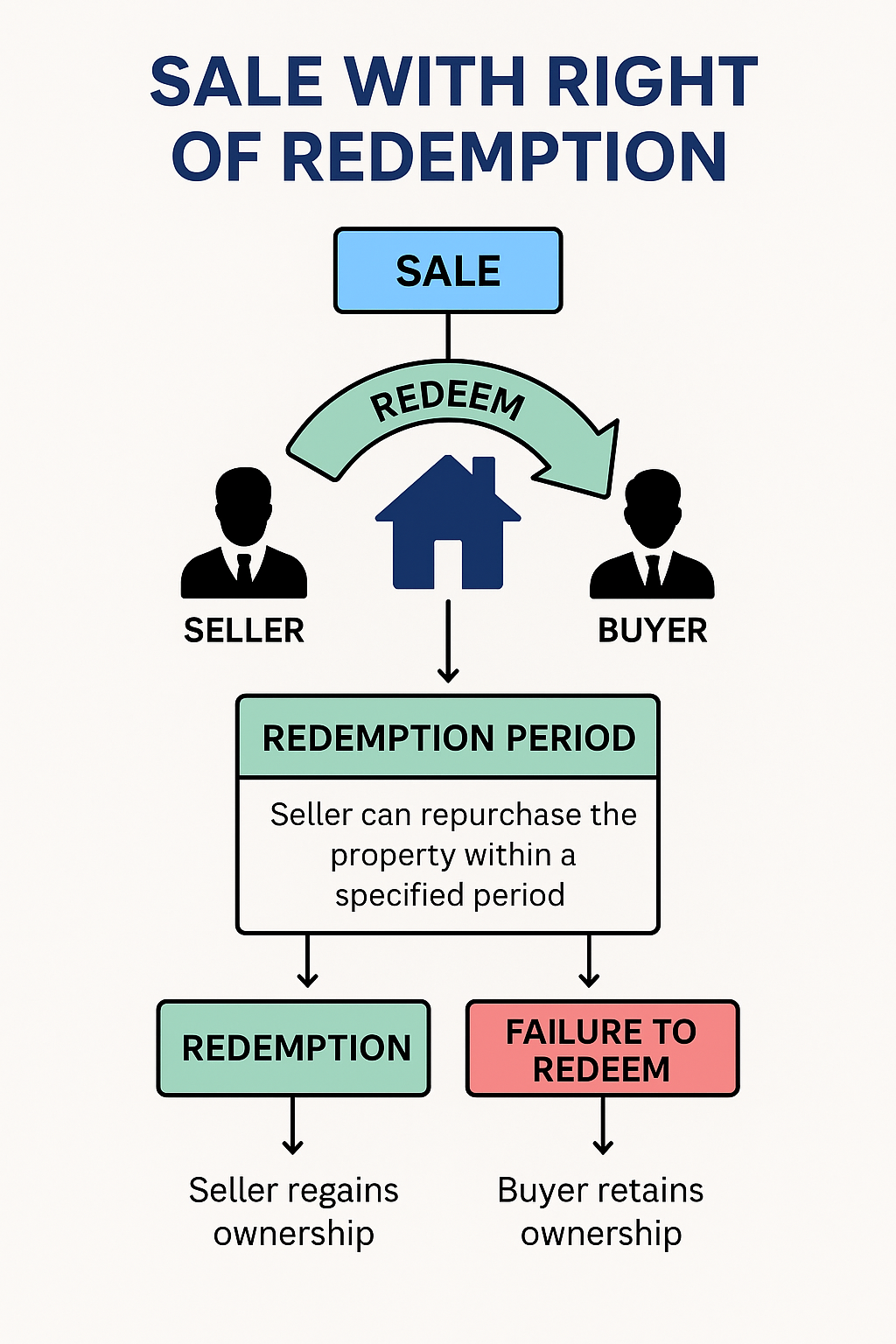
Une vente avec droit de rachat est un contrat de vente selon lequel la propriété du bien vendu est transférée à l'acheteur, mais le propriétaire initial, souvent l'emprunteur, conserve le droit de racheter ou de récupérer le bien dans un délai déterminé, appelé délai de rachat.
Comment fonctionne la période de rachat ?
Le délai de rachat est la période pendant laquelle le propriétaire initial peut exercer son droit de rachat pour récupérer le bien vendu. Ce délai est généralement convenu lors de la vente et peut varier selon les termes du contrat de vente.
Que se passe-t-il si l'emprunteur ne peut pas exercer son droit de rachat ?
Si le preneur de crédit ne peut pas exercer son droit de rachat dans le délai prévu, l’acheteur conserve la pleine propriété de la propriété vendue, et le propriétaire initial perd son droit de la réclamer. Aucun processus judiciaire n’est engagé, car la propriété est déjà transférée à l’acheteur lors de la vente ; c’est ce qui rend ce processus plus risqué pour le vendeur que l’hypothèque, laquelle doit être exécutée par le tribunal.
Quels sont les véritables dangers et pièges liés aux ventes avec droit de rachat ?
Le véritable danger et le piège résident dans la possibilité que le propriétaire initial ne soit pas en mesure de remplir les conditions nécessaires à l'exercice du droit de rachat, telles que le remboursement du prix réel de la vente, dans le délai de rachat, ce qui entraîne une perte définitive du bien ou d'un droit.
Le droit de rachat peut-il faire l'objet d'une renonciation ?
Un vendeur peut tout simplement choisir de ne pas exercer son droit de rétractation, et une vente conclue d’emblée sans droit de rétractation est une vente ordinaire. Toutefois, pour les terres agricoles et les maisons vendues par un particulier, un terme qui enlève les protections de la loi de 2019 est nul (article 6), de sorte que le vendeur ne peut pas être contraint de les renoncer dans le contrat.
Quel est le rôle du khay fah dans les ventes avec droit de rachat ?
Khai fak, également écrit khay fah, est tout simplement le nom thaïlandais d'une vente assortie d'un droit de rachat en vertu de l'article 491 du Code civil et commercial. Ce n'est pas une clause dans le contrat ; c'est le contrat lui-même.
Comment le prix du rachat est-il déterminé ?
Le prix de la cession est généralement le prix réel de la vente, qui peut inclure le prix de vente initial plus les frais supplémentaires ou les intérêts convenus dans le contrat, mais la loi limite ce prix à celui-ci majoré de 15% par an (article 499 et article 8 de la loi de 2019 pour les terres agricoles et les maisons). Le vendeur rembourse également les frais d’inscription payés par l’acheteur pour la vente et supporte les frais de la cession elle-même (article 500).
Quels sont les éléments à prendre en compte par les parties avant de conclure une vente assortie d'un droit de rachat ?
Les parties doivent examiner attentivement les termes du contrat de vente, notamment le délai de rachat, les obligations de remboursement et toute condition légale susceptible d'affecter leur capacité à exercer leur droit de rachat. Il est recommandé de consulter un avocat spécialisé, tel que l'associé fondateur de ThaiLawOnline.
Où puis-je trouver plus d'informations sur les ventes avec droit de rachat ?
Pour plus d'informations ou des conseils juridiques spécifiques concernant les ventes avec droit de rachat, vous pouvez contacter ThaiLawOnline où notre équipe d'experts, y compris notre associé fondateur, peut vous fournir des conseils adaptés à vos besoins. Réalisez vos transactions immobilières en toute confiance et minimisez les litiges potentiels.
Links
Actualités juridiques thaïlandaises, gratuites par courriel
Des informations claires et concises sur les changements législatifs thaïlandais concernant les étrangers : propriété, visas, mariage, affaires et testaments. Un court courriel par mois, envoyé par un cabinet d’avocats établi depuis 2006. Zéro spam, désabonnement possible à tout moment.