


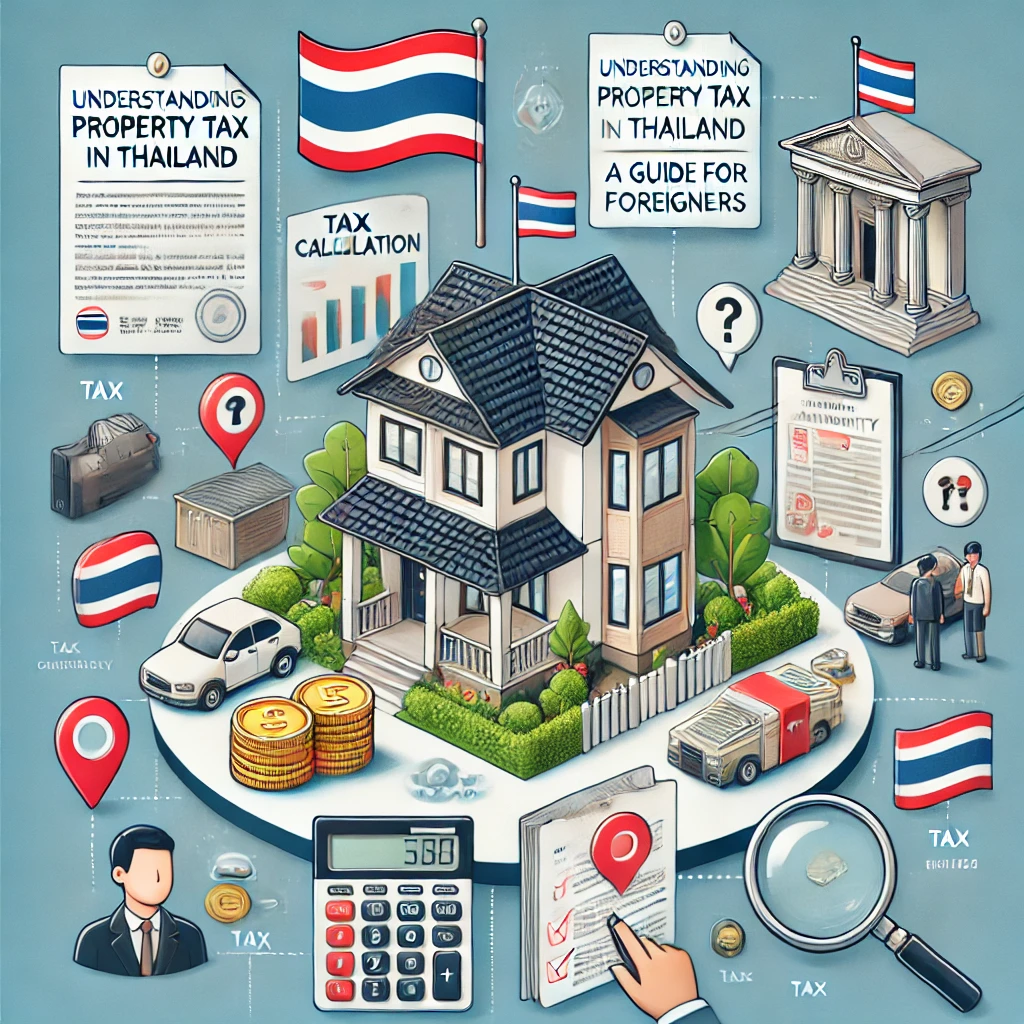
Understanding Property Tax in Thailand: A Guide for Foreigners

Last updated on April 12, 2026

Owning property in a foreign land comes with its own set of challenges and intricacies. Thailand, with its lush landscapes and vibrant culture, has become an attractive destination for foreigners looking to invest in real estate. However, navigating the property tax landscape, specifically focusing on property taxes in Thailand, can be daunting for those unfamiliar with the local regulations. This guide aims to provide a comprehensive overview of property taxes in Thailand, specifically tailored for foreign investors and property owners. Understanding property taxes in Thailand is essential for making informed investment decisions.

Property taxes in Thailand

What is Property Tax in Thailand and How Does it Affect Foreigners?

Property taxes in Thailand are a crucial aspect of owning real estate and can significantly impact the financial responsibilities of foreign owners. The regulations governing property taxes in Thailand are designed to ensure that property owners contribute to the local economy and infrastructure. These taxes are levied by the government and vary depending on the type and value of the property. Understanding the regulatory framework is essential for foreigners as it dictates the tax obligations that accompany property ownership in Thailand.

Moreover, staying updated on property taxes in Thailand is crucial for compliance and financial planning.

The calculation of property taxes in Thailand for foreign owners is based on several factors including the location, size, and assessed value of the property. The tax rates can vary significantly, and foreign owners must be aware of the property taxes in Thailand that could affect their investment. Typically, the local government conducts a valuation of the property to determine its market value, which is then used as a basis for calculating the annual property tax. It is crucial for foreign owners to stay informed about the assessment process to ensure accurate tax calculations and avoid surprises regarding property taxes in Thailand.

Additionally, recent updates on property taxes in Thailand can provide insights into potential changes that may impact foreign property owners.

In recent years, Thailand has implemented changes to its property tax laws to streamline the taxation process and ensure equitable contributions from property owners. These changes have introduced new tax brackets and adjusted tax rates, which can affect both local and foreign property owners. Staying updated with these changes is vital for foreigners to manage their property tax liabilities effectively. The government periodically revises tax laws to reflect economic conditions, making it essential for foreign investors to seek current information on tax regulations.

Can Foreigners Own Property in Thailand and What Taxes Apply?

Understanding the nuances of property taxes in Thailand can lead to better financial outcomes for investors.

Foreign ownership of property in Thailand is subject to specific legal frameworks and restrictions. While foreigners can own condominium units outright, owning land or houses requires navigating legal complexities. Generally, foreign investors can hold land through long-term leases or by setting up a Thai company. Understanding the legal framework is crucial, as it influences the type of property taxes applicable and the extent of ownership rights. Foreign investors must ensure compliance with Thai laws to safeguard their investments.

The types of property taxes applicable to foreigners in Thailand, such as the Land and Building Tax, are essential to understand. These taxes, particularly property taxes in Thailand, are levied annually based on the property’s assessed value. Additionally, there is a Withholding Tax on property transfers, which foreign sellers must consider when selling their property. Other taxes may include the Specific Business Tax and Stamp Duty, which apply under certain circumstances. Foreign property owners need to be aware of these various property taxes in Thailand to manage their financial obligations effectively.

Tax Type Applies to Paid By Rate / Basis When Due
Land and Building Tax All property (land and structures) Owner (including foreigners) Based on appraised value; varies by use (residential, commercial, agricultural) Annually, usually March
Withholding Tax Sale of property Seller 1% of sale price or appraised value (whichever is higher) At the time of transfer
Transfer Fee Transfer of ownership Typically split buyer/seller 2% of appraised value Upon registration of transfer
Stamp Duty Property sale or lease Seller or Lessor 0.5% of sale price or lease value At registration
Specific Business Tax If sold within 5 years of purchase Seller 3.3% of sale price or appraised value At time of sale
Rental Income Tax Income from renting property Property owner Progressive personal income tax (0%–35%) Annually

Exemptions and Special Considerations

Thailand offers certain exemptions and special considerations regarding property taxes, which can benefit foreign owners. For example, properties used for agricultural purposes may be eligible for tax reductions or exemptions. Additionally, properties owned by foreign retirees may qualify for specific concessions under certain conditions. It is vital for foreign property owners to explore these exemptions related to property taxes in Thailand and understand how they can reduce their overall tax burden. Consulting with a tax expert can provide valuable insights into qualifying for these benefits.

Being proactive about property taxes in Thailand can prevent unexpected liabilities.

How to Pay Property Tax in Thailand?

Foreign property owners in Thailand have several options for paying their property taxes. Payment can be made directly at local government offices, through online banking, or via designated financial institutions. Understanding the payment methods available is essential to ensure timely and efficient tax payments. Foreigners must also be aware of the documentation required for tax payments, such as property deeds and identification, to facilitate a smooth transaction process.

Adhering to property tax deadlines is critical to avoid penalties and additional charges. In Thailand, property taxes are typically due annually, and late payments can result in fines or interest charges. Foreign property owners must keep track of these deadlines and ensure timely payments to maintain good standing with local authorities. Understanding the penalties for late payment can motivate property owners to prioritize their tax obligations and avoid unnecessary financial burdens.

Foreign property owners often have questions regarding the payment of property taxes in Thailand. Common inquiries include the process for obtaining tax assessments, understanding tax bills, and resolving discrepancies in tax calculations. Addressing these frequently asked questions can help demystify the tax payment process and empower foreigners to manage their property taxes effectively. Providing clear answers and guidance can alleviate concerns and enhance compliance with Thai tax laws.

What Are the Common Mistakes Foreigners Make Regarding Property Tax?

One of the most common mistakes foreigners make regarding property tax in Thailand is misunderstanding their tax obligations. This can result from a lack of familiarity with Thai tax laws or misinterpretation of the regulations. Foreign property owners must take the time to understand their tax responsibilities to avoid potential legal issues and financial penalties. Seeking professional advice can provide clarity and ensure compliance with tax requirements.

Overlooking tax deadlines is another frequent error made by foreign property owners in Thailand. Missing payment deadlines can lead to penalties and increase the overall tax burden. Foreigners must prioritize tax deadlines and establish systems to remind them of upcoming payments. Utilizing digital tools or setting calendar alerts can help property owners stay on top of their tax obligations and avoid the repercussions of late payments.

Ignoring professional tax advice is a significant mistake that can have costly consequences for foreign property owners in Thailand. Engaging with a tax expert can provide valuable insights into tax planning, deductions, and exemptions. Professional advice can also help navigate the complexities of Thai tax laws and ensure compliance. Foreign property owners should recognize the importance of expert guidance to optimize their tax strategies and reduce liabilities effectively.

How Can Foreigners Reduce Their Property Tax Liabilities in Thailand?

Foreign property owners in Thailand can reduce their tax liabilities by exploring legal tax deductions and exemptions. Understanding the eligibility criteria for deductions, such as those related to property improvements or usage, can significantly impact the overall tax burden. Foreigners should investigate the available deductions and exemptions to maximize their tax savings and enhance the financial viability of their property investments.

Implementing effective property tax planning strategies is essential for foreigners looking to minimize their tax liabilities in Thailand. Strategic planning involves assessing the property’s value, understanding tax obligations, and exploring opportunities for tax savings. Foreign property owners should develop a comprehensive tax strategy that aligns with their investment goals and financial circumstances. Regularly reviewing and adjusting this strategy can lead to optimized tax outcomes.

For foreign property owners in Thailand, consulting with a property tax expert is a crucial step in managing and reducing tax liabilities. A tax expert can provide tailored advice, identify potential tax savings, and assist in navigating the complexities of Thai tax regulations. Engaging with a professional ensures that property owners are making informed decisions and taking advantage of all available tax benefits. Foreigners should prioritize professional consultation to safeguard their investments and optimize their property tax outcomes.

Annual Land and Building Tax in Thailand (2025)

If you own land, a house, a condo, or another building in Thailand, you must pay the Land and Building Tax once a year. Your local authority sends an assessment form in February, and payment is normally due by 30 April. For 2025 the government has granted a two‑month grace period, so the first instalment is due in June 2025 (with optional second and third instalments in July and August).

How the tax is calculated

The tax is based on the government‑appraised value of the land plus any buildings (or the building alone in the case of a condominium). The rate depends on how the property is used.

Use category Key points for 2025 Rate range
Primary residence The first 50 million THB of combined land + building value is exempt. 0 %  –  0.10 %
Second homes & rental housing No exemption. Tax starts from the first baht of appraised value. 0.02 %  –  0.10 %
Agricultural land (individual) First 50 million THB is exempt. 0 %  –  0.10 %
Commercial & industrial Offices, shops, hotels, factories, etc. 0.30 %  –  0.70 %
Vacant or under‑used land Same band as commercial. If left idle for more than three years, the rate rises by 0.30 percentage points every three years (cap 3 %). 0.30 %  –  0.70 % (+ surcharges)

Who is liable

You are liable if, on 1 January, you own, possess, or hold a long‑term lease (over 30 years) on the property. If several names appear on the title deed, all owners are jointly responsible. Foreigners who own a condominium unit or a registered building on leased land are also subject to the tax.

Penalties for late payment

  • 10 % surcharge once the due date passes
  • 20 % after a formal warning
  • 40 % if still unpaid after the warning deadline
  • Plus 1 % interest per month on the unpaid tax

Disclaimer: This summary reflects the rules in force as of April 2025. Rates, exemptions, and deadlines can change, so confirm with your local district office or legal adviser before paying.

FAQs about Property Taxes in Thailand

What is the land tax system in Thailand for foreigners?

The land tax system in Thailand for foreigners involves the land and buildings tax, which is applicable to both Thai and foreign property owners. The tax is calculated based on the appraised value of the property, including any improvements and other property thereon.

How is the land and buildings tax calculated for residential properties?

The land and buildings tax for residential properties is calculated based on the appraised value of the land and buildings. The tax rate varies depending on the value of the land and the type of property use, as stipulated under the land and buildings tax act.

Are there any tax exemptions available when buying property in Thailand?

Yes, there are certain tax exemptions available, such as for first-time homebuyers or specific types of property investments. It’s advisable to consult with property lawyers to understand eligibility for tax exemptions when buying property in Thailand.

What taxes apply when selling a property in Thailand?

When selling a property in Thailand, sellers are subject to personal income tax on the gains from the property sale. Additionally, a transfer fee based on the appraised value of the property is payable to the Land Department.

How does the personal income tax affect rental income from property in Thailand for foreigners?

Rental income from property in Thailand for foreigners is subject to personal income tax. The tax rate is determined by the total annual income, and it must be declared in the tax return filed annually.

What is the transfer fee when buying or selling property in Thailand?

The transfer fee is a tax imposed on the transfer of ownership of immovable property, such as land and buildings, in Thailand. It is calculated as a percentage of the appraised value of the property, generally around 2%.

What role do property lawyers play in navigating the tax system in Thailand for foreigners?

Property lawyers play a crucial role in helping foreigners understand and comply with the tax system in Thailand. They provide guidance on tax obligations, assist in applying for tax exemptions, and ensure compliance with the land tax act and other regulations

How does the land tax act impact property management and ownership in Thailand?

The land tax act outlines the responsibilities of property owners, including the obligation to pay building and land tax. It affects property management by imposing tax liabilities on the lessor for any and all taxes, ensuring compliance with Thai real estate laws.

What is the significance of the new property tax laws for foreigners conducting business in Thailand?

The new property tax laws have streamlined the tax system, providing clarity on tax obligations for foreigners conducting business in Thailand. These laws impact the tax rates and exemptions available, influencing decisions on property investment and business operations.

Start Your Case
Scroll to Top