Last updated on April 12, 2026
Investing in property in Thailand offers attractive opportunities, but navigating the unique Thai legal landscape requires careful attention to due diligence also. Due diligence in Thailand’s real estate market is not merely advisable – It’s essential for protecting your investment. This guide covers the important steps and processes for property due diligence in Thailand. It helps you avoid costly mistakes and secure your investment in this lively Southeast Asian market.
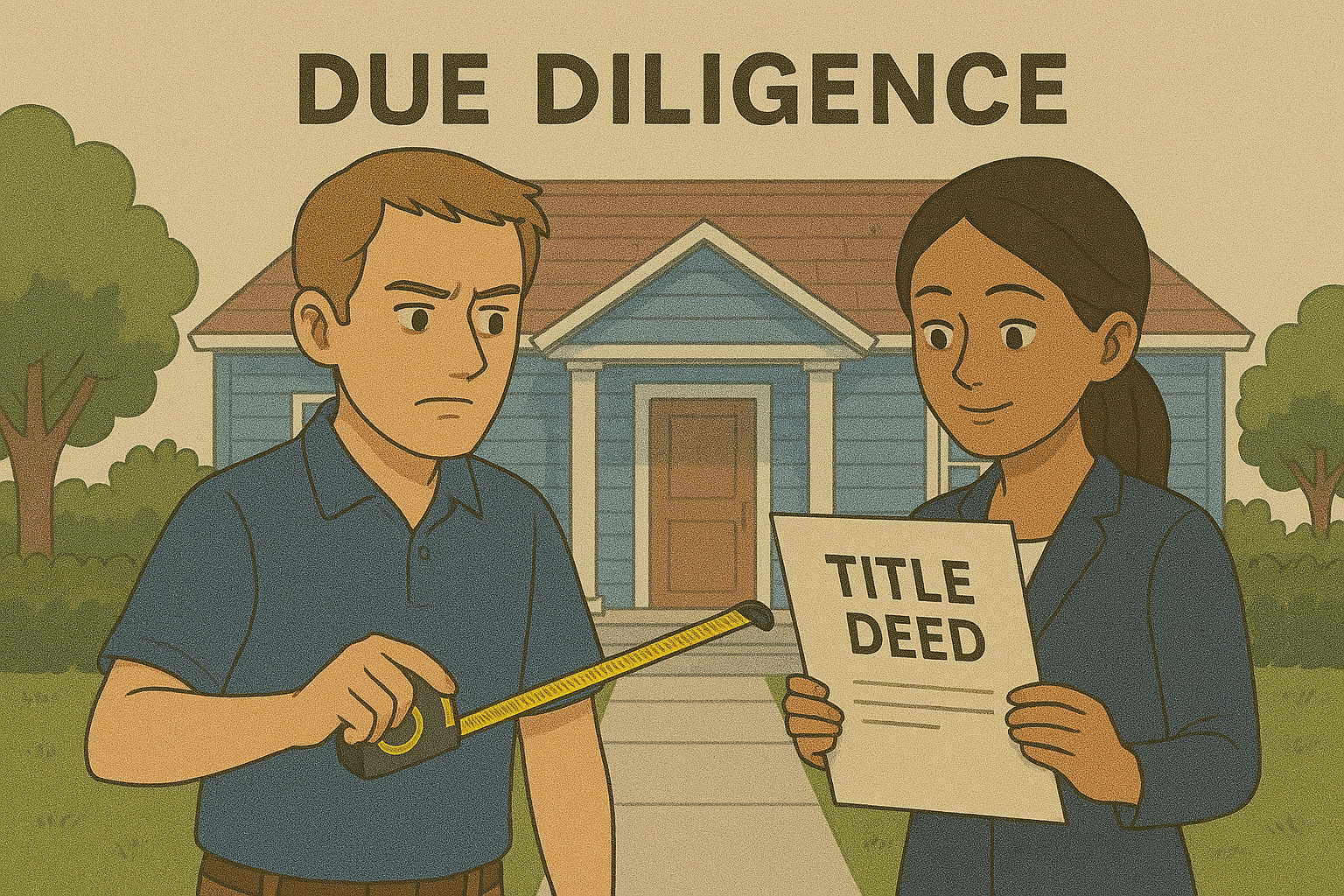
Table of Contents
What is property due diligence in Thailand and why is it critical for foreign investors?
Due diligence is the careful process of checking and confirming all details about a property before buying it. In Thailand, this process takes on special significance due to the unique legal framework governing real estate. Property due diligence in Thailand involves a comprehensive examination of legal documents, ownership history, potential encumbrances, and compliance with Thai law. For foreign investors who do not know Thailand’s rules, careful research is very important. This helps avoid serious legal and financial problems that could threaten their investment. When doing due diligence in Thailand, investors must check the validity of ownership claims. They also need to ensure compliance with foreign ownership rules in Thailand’s real estate market.
How does Thai property law differ from Western legal systems?
Thai legal frameworks governing property rights differ substantially from Western systems, creating potential pitfalls for unprepared foreign investors. Unlike many Western countries, Thailand has rules about property ownership. Foreigners cannot own land, but there are exceptions. They can own up to 49% of the total area in any condominium building. Thai law also categorizes land titles differently, with varying degrees of ownership rights and restrictions. The Civil and Commercial Code of Thailand governs property transactions, but interpretations can differ from Western legal traditions.
Also, Thailand’s Land Code does not allow foreigners to own land directly. This leads to complicated structures that must be registered to follow Thai law, leasehold agreements or company formations. These key differences make it important to work with Thai legal experts who focus on property deals when you want to invest in Thailand. A well-known law firm that specializes in Thai real estate can offer important help with Thai property law.
What are the main risks of skipping due diligence in Thailand when buying property?
Skipping careful checks when buying property in Thailand can lead to serious problems. It can also raise the risks of your investment. Without proper checks, investors risk buying properties with unclear titles, hidden liens, or buildings without the right permits. Land encroachment issues are particularly common in rural areas, where boundaries may not be clearly defined. In Thailand’s fast-growing real estate market, some developers sell properties without getting all the needed approvals.
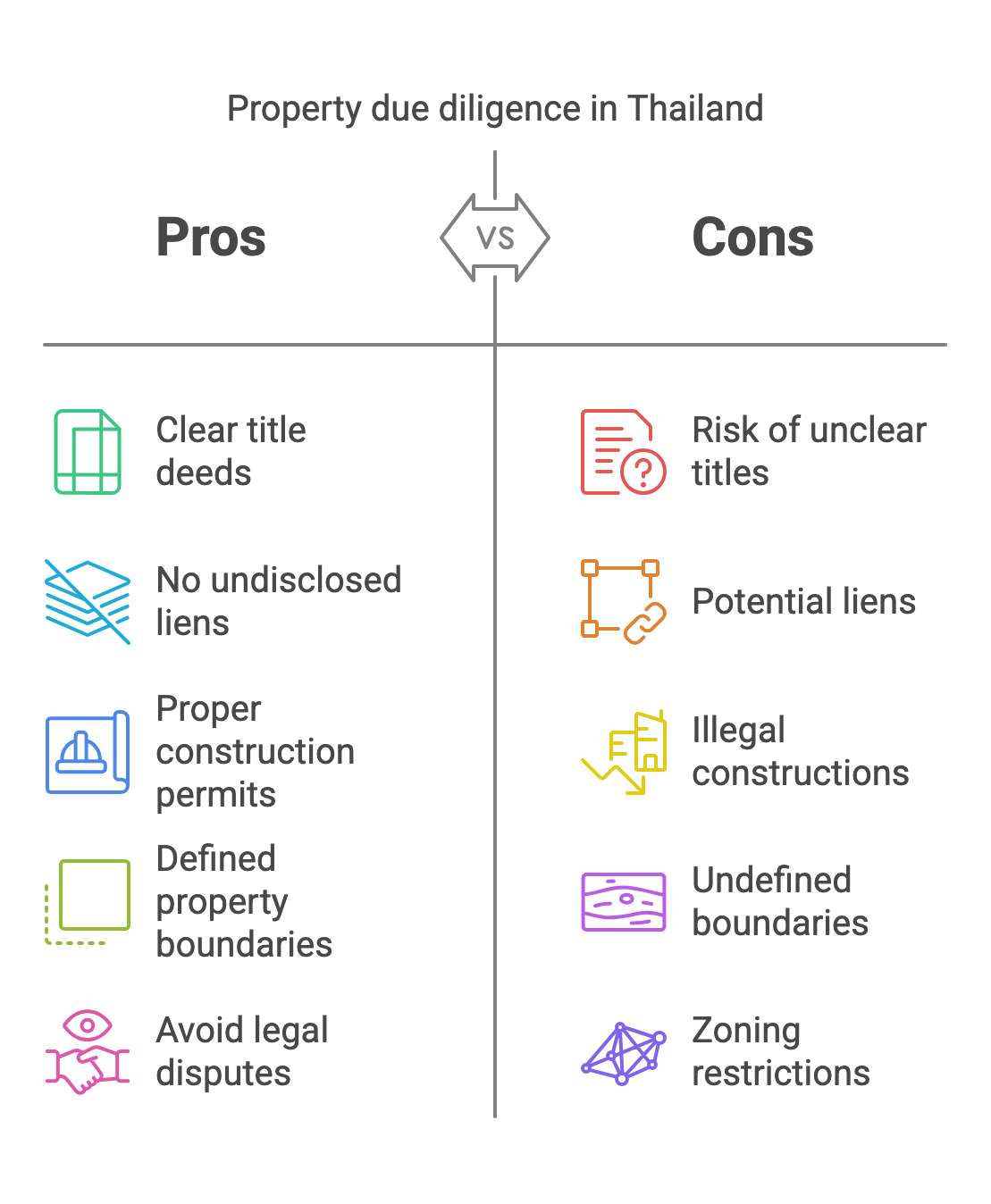
Additionally, properties may be subject to zoning restrictions that could limit your intended use or future development plans. Legal disputes related to the property may only become apparent after purchase, potentially leading to costly litigation. Environmental issues or infrastructure inadequacies might also exist. In Bangkok and other urban centers, building code violations can lead to forced alterations or demolitions. Without thorough research, investors buying property may not know about tax debts that come with it. These risks underscore why due diligence is crucial when investing in Thailand’s property market.
Why is professional due diligence service necessary in the Thai real estate market?
Professional due diligence services are indispensable when navigating Thailand’s complex real estate landscape. Expert firms specializing in due diligence in Thailand possess intimate knowledge of local regulations, practices, and potential irregularities that foreign investors might overlook. A professional due diligence service usually includes detailed title searches. It also checks if the seller has the legal right to sell the property. Finally, it carefully reviews all documents. These experts know the details of Thailand’s land titles. They can spot problems or warning signs that others may miss. They maintain relationships with key government offices and can efficiently navigate bureaucratic processes.
Professional services can create a detailed due diligence report. This report documents findings and provides a plan for fixing any issues. This report becomes particularly valuable if legal challenges arise in the future. In Thailand’s real estate market, language barriers and new legal ideas can make things complicated. Professional due diligence services can turn a risky investment into a safe one.
What essential documents should be verified during the due diligence process for Thai property?
The due diligence process for Thai property necessitates verification of several critical documents. First and foremost is the title deed (Chanote), which represents the highest form of land ownership in Thailand. Other important documents include the company registration papers if a company owns the property in Thailand. You also need tax payment records to show there are no unpaid taxes. Finally, building permits are needed to confirm that the construction is legal. House registration books (Tabien Baan) show who lives in the property. You should also check contracts and agreements for hidden clauses or restrictions.
If the property is in a managed development, check the financial statements of the juristic person. This will help you see their financial health and any debts they owe. Environmental impact assessments may be required for certain developments. Additionally, for condominiums, the condominium regulation rules and meeting minutes can reveal potential issues or planned special assessments. When dealing with leasehold properties, lease agreements need particular attention to verify their validity, transferability, and extension provisions under Thai law.
Key Steps in Property Due Diligence in Thailand
| Step | Description of the property is essential for making informed decisions, especially when you intend to purchase. | Purpose | Considerations |
|---|---|---|---|
| Title Deed Verification | Examine the property’s title deed to confirm ownership and identify any encumbrances. | Ensure the seller has legal rights to transfer the property and that it’s free from liens or disputes. | Verify the type of title deed (e.g., Chanote, Nor Sor 3 Gor) and check for any registered mortgages or leases. |
| Land Inspection | Conduct a physical inspection of the property and its boundaries. | Confirm that the land matches the description in the title deed and assess its suitability for intended use. | Ensure access to public roads and compliance with zoning regulations. |
| Building Permits Review | Review all relevant building permits and approvals. | Verify that any structures on the property are legally constructed and comply with local regulations. | Check for proper authorization from local authorities and adherence to building codes. |
| Legal Compliance Check | Assess compliance with environmental and other legal regulations. | Identify any legal issues that could affect property use or value. | Look into environmental impact assessments and other statutory requirements. |
How to properly verify a Thai title deed (Chanote) authenticity?
Verifying the authenticity of a Thai title deed (Chanote) is perhaps the most critical step in your due diligence process. To do due diligence correctly, you should first get the original Chanote. Don’t settle for copies, as there are advanced forgeries in Thailand’s real estate market. To verify, go to the local Land Office. Bring the original title deed for the property. At the Land Office, officials can check if the document is real. They can also give a full history of the land title. This includes past transfers and any registered claims against it.
A real Chanote has special security features. These include watermarks and serial numbers. These numbers should match the Land Office records. This ensures the land is registered. It’s important to check that the boundaries on the title deed match the actual property. Differences could mean land encroachment issues or affect the land’s location. The title deed should also clearly identify the current legal owner, corresponding exactly with the seller’s identification.
Critically, you must check for any registered mortgages, servitudes, or legal claims that might affect your ownership rights. Professional translators are often necessary, as Thai legal documents can be difficult to interpret correctly. Some law firms that focus on Thai real estate provide special due diligence services. These services include thorough title checks in a larger due diligence report.
What construction permits and building approvals should be checked before purchase?
When researching property in Thailand that has buildings, you should check the construction permits. It’s also important to look at the building approvals. This helps avoid legal problems in the future. The Building Construction Control Act in Thailand requires that all construction receive proper authorization before commencing. The primary document to verify is the Building Construction Permit (or Form Or.1), which authorizes the initial construction. The Building Completion Certificate (or Form Or.6) is also very important. It shows that the finished building meets approved plans and Thai building rules.
For properties in Bangkok, additional permits from Bangkok municipal offices may be required to lease the property legally. If the property involves modifications to the original structure, renovation permits should be verified as well. Environmental approvals may be necessary, particularly for larger developments or properties in environmentally sensitive areas. For condominiums, the Condominium License issued by the Land Office confirms legal establishment under the Condominium Act and must be registered accordingly.
It’s wise to make sure the construction matches the approved plans. Changes made without permission could lead to fines or demolition orders. Construction that exceeds approved specifications or violates zone restrictions can create significant legal issues after purchase. Professional engineers can help check if buildings meet codes and are structurally safe. This is part of your thorough due diligence process.
What legal documents are required from the seller in Thailand?
When researching Thailand’s property market, it’s important to obtain legal documents from the seller. Make sure to check these documents carefully. This helps you understand the risks involved. For individual sellers, this includes their Thai ID card or passport. They also need house registration (Tabien Baan) and a marriage certificate if needed. This is because spousal consent may be required to sell the property under Thai law. Lastly, they must provide tax documents that show payment of property taxes. If the seller is a company in Thailand, additional documentation becomes necessary: company registration documents, company affidavit (issued within the last 30 days), shareholder list, Board of Directors’ resolution authorizing the sale, and company seal certification.
The seller must show proof that they can legally sell the property. This may include documents if the property was inherited. This is required to follow the rules in Thailand. The seller should provide a history of tax payments for the property. They must also show that utilities and maintenance fees are up to date. Additionally, if the property is part of a housing development or condominium, confirmation that the juristic person (management association) has no outstanding claims against the property is crucial. Any existing contracts affecting the property—such as leases or service agreements—must be disclosed and examined. These documents collectively establish the seller’s legal authority to transfer the property under Thai legal requirements.
How to identify and avoid potential pitfalls when buying property in Thailand?
Identifying and avoiding pitfalls when investing in property in Thailand requires systematic due diligence coupled with local expertise. One key strategy is to hire a well-known Thai law firm with real estate experience. They can perform thorough due diligence and make sure the work is clearly defined. These legal experts can help you understand Thailand’s property laws. They can also spot issues that foreign buyers might miss.
Performing thorough background checks on developers or sellers is crucial, especially when dealing with off-plan properties. In Thailand’s real estate market, you can assess a company’s financial health by reviewing its audited statements. This can reveal potential risks associated with the investment. Physical inspection of the property by qualified surveyors helps identify structural issues, boundary discrepancies, or unauthorized constructions that violate Thai building regulations.
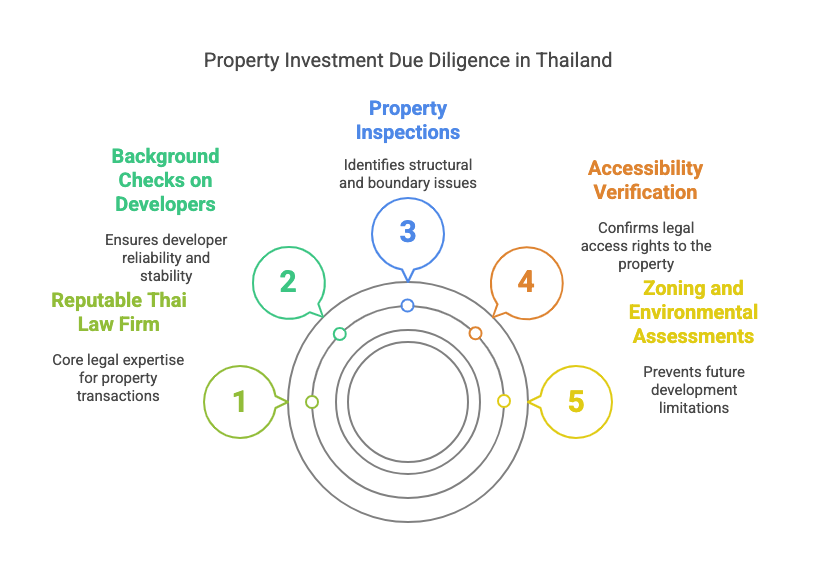
Checking accessibility rights is important, especially for properties not linked to public roads. Easement disputes often happen in Thailand. Understanding zoning regulations and land use restrictions before purchase prevents unexpected limitations on property development or usage. Thailand’s environmental regulations are increasingly stringent, making environmental assessment particularly important for properties near protected areas or waterways. Finally, examining the neighborhood development plans can reveal future projects that might affect property value or livability.
What are common land encroachment issues in rural Thai properties?
Land encroachment represents a significant risk when purchasing rural properties in Thailand, making specialized due diligence essential. In rural areas, property boundaries can be unclear or disputed. This can lead to encroachment issues that are hard to resolve under Thai law. Common encroachment problems include neighbors farming parts of the property. They may also build across boundary lines. Access roads might cut through private land. These issues can cause disputes over the property owner’s rights. Agricultural encroachment is particularly prevalent, where neighboring farmers gradually extend their cultivation into adjacent properties.
In Thailand’s countryside, old land use patterns can clash with official land titles. This creates complex disputes. Property owners must navigate the differences between legal rights and traditional usage claims. Public access routes that traverse private property may have become established through years of use, creating de facto rights of way that can be difficult to alter.
Rural properties may also face encroachment from public infrastructure projects or community facilities that expanded beyond their designated boundaries. Forest reserve designations can sometimes overlap with private land claims, creating jurisdictional conflicts between private ownership and Thailand’s Royal Forest Department regulations. To reduce these risks, thorough checks should include boundary verification by licensed surveyors. They can compare actual land use with the boundaries in the title deed.
How to verify there are no undisclosed liens or mortgages on the property?
Checking that a property in Thailand has no hidden liens or mortgages is an important part of due diligence. The primary verification method involves conducting a thorough search at the local Land Office where the property is registered. This government office maintains comprehensive records of all registered encumbrances against properties.
When you do due diligence correctly, you will ask for an official search of the title deed. This search will show any registered mortgages, liens, servitudes, or other legal claims, as required by Thai law. It’s important to check that the seller has the clear right to sell the property under Thai law. This helps avoid any legal problems. If a mortgage exists, you must confirm whether it will be discharged before or at the time of transfer.
In Thailand, banks that give mortgages usually keep the original title deed. If the seller cannot show this document, it often means there is a mortgage. Beyond registered encumbrances, investigating potential unregistered claims is prudent; these might include unpaid utility bills, maintenance fees, or tax liabilities related to the property. For properties owned by a company in Thailand, due diligence should include company searches. This helps find any corporate liens that could affect the property. Professional due diligence services often include checking the property’s financial status. They create a detailed section in the report about any found issues.
What land use restrictions might affect your property investment in Thailand?
Land use rules in Thailand can greatly affect property value and development potential. This makes them very important during the due diligence process. Thailand’s zoning regulations vary by location and are administered through multiple government agencies, creating a complex regulatory environment.
Property in Thailand may have height limits. This is especially true near temples, palaces, historical sites, or airports. In Bangkok, building heights are closely controlled in some areas. Coastal properties in Thailand have extra rules under environmental laws. These include setbacks from high-tide marks and limits on building near the shore. Agricultural land often carries restrictions against residential or commercial development without formal land use conversion, which requires governmental approval. Properties located near forest reserves or national parks may have special development limitations or buffer zone requirements.
Urban planning rules in big cities like Bangkok set specific areas for homes, businesses, and factories. Each zone has different limits on building size and density. Some areas are marked as flood zones. They have special building rules that must be registered with the local government. Properties within special economic zones or tourism promotion areas may have both advantages and limitations regarding development options. Heritage conservation zones, particularly in historical areas, impose strict controls on alterations to existing structures or new construction. A comprehensive due diligence service will investigate all applicable restrictions and include these findings in the due diligence report.
Which government offices in Thailand are involved in the property due diligence process?
The property due diligence process in Thailand requires interaction with multiple government agencies, each responsible for different aspects of property regulation. The Land Department works through provincial and district Land Offices in Thailand. It keeps the official registry of land ownership. It also issues title deeds that must be registered. The Department of Public Works and Town & Country Planning manages zoning rules and building codes. These are important for understanding development limits.
For properties in Bangkok, the Bangkok Metropolitan Administration (BMA) has additional regulatory authority over construction permits and urban planning. The Department of National Parks, Wildlife, and Plant Conservation is important for areas near protected lands. The Marine Department manages coastal zones. The Revenue Department handles property tax information, essential for verifying tax payment history and potential liabilities.
When executing due diligence in Thailand, it’s vital to be aware of the local regulations and buying process. Due diligence in Thailand should include comprehensive research, engaging legal assistance, and thorough inspections to navigate potential challenges effectively.
For agricultural land, the Agricultural Land Reform Office may need to be consulted regarding usage restrictions. If the property involves a company in Thailand, the Department of Business Development provides corporate registration information. The Department of Environmental Quality Promotion may be involved if environmental impact assessments are required. Navigating these agencies needs special knowledge of Thai procedures. This shows why professional due diligence services are important for foreign investors buying property in Thailand.
What role does the Land Office play in property verification in Thailand?
The Land Office plays a pivotal role in property verification during the due diligence process in Thailand. The Land Office is the official registrar of land ownership. It keeps detailed records for all registered properties. This makes it the main authority for checking title deeds. When doing due diligence in Thailand, investigators go to the local Land Office. They check the property’s Chanote (title deed) and look at its ownership history.
The Land Office provides official documentation regarding any registered encumbrances, including mortgages, servitudes, leases, or legal claims affecting the property. This government office keeps detailed maps that show property boundaries. These maps can be compared with what is on the site to find possible encroachment issues. The Land Office registers and records all property transfers. This helps trace ownership and check the validity of past transactions.
For condominium purchases, the Land Office issues and maintains condominium licenses, confirming that the development legally qualifies under Thailand’s Condominium Act. Additionally, this office registers lease agreements exceeding three years, making it essential for verifying long-term leasehold arrangements. When a professional service does thorough due diligence, their staff usually know Land Office officials. This helps them search more efficiently and gather accurate information.
How to navigate the District Office for zoning and development restrictions?
Checking the District Office for zoning and development rules is an important part of property research in Thailand. Each district in Thailand has zoning rules. These rules decide how property can be developed and used in that area. To do due diligence well, visit the District Office. Bring the property’s exact location details, like the title deed number and map coordinates. Officials can provide the official zoning designation, which typically categorizes land into residential, commercial, industrial, agricultural, or environmental conservation zones. Each zone carries specific building regulations, including height limitations, set
Example of 15 Things do know about Due Diligence in Thailand
- Translation of legal documents ((like land title deed into English) must be registered with the relevant government authority.is highly recommended to ensure compliance with Thai law and to avoid misunderstandings.. This will help you to understand what the property is about.
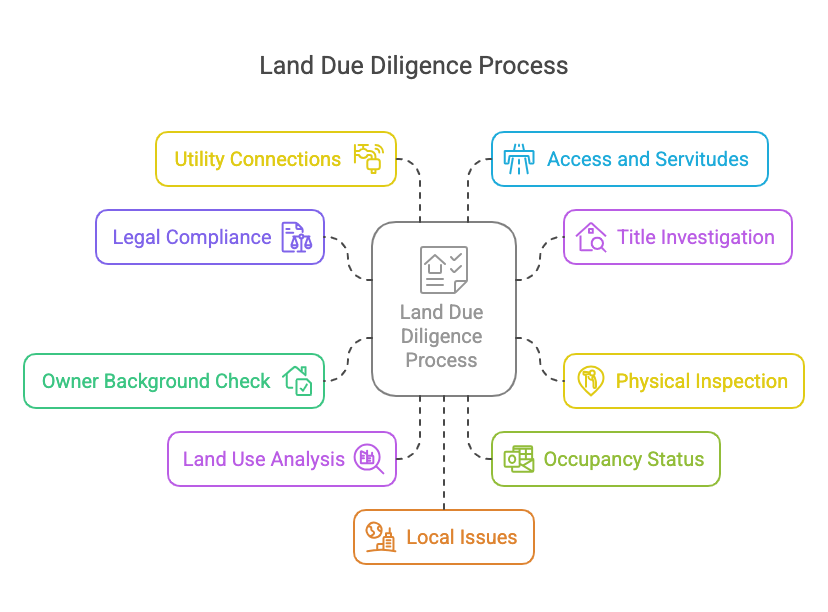
- Check the land title deed. This could be a Por Bor Tor, Nor Sor 3, Nor Sor 3 Gor, Nor Sor 4 Jor, or Chanotte. Also, look at its history. This includes the chain of possession. You can find this on the back of some title deeds. This is part of the due diligence process.
- Are there any mortgages or other claims, leases, charges, or rights registered against the land?
- A physical inspection to ascertain access to the land. (e.g. parts of the land can be inaccessible during the rainy season)
- Is there a bankruptcy and/or Civil Court search about the owner as part of the due diligence report? In one case, we learned that the owner’s son was in court against his mother. He was arguing about who owned the inheritance from his father
- The previous use of the land and possible use of the land (e.g. what do you plan to do, are there any building restrictions in zoning? etc).
- Is there anyone using or occupying the land? This is important because a person using the land can gain “possession” by law, even if they are not on the title deed.
- Any drainage problems on the land or subsidence?
- Is the land connected to the main utilities such as water and electricity? Do you pay directly or to someone else?
- Is there a public or registered private road access to the land for those interested in buying? What about servitudes?
- Are there any issues with local residents, noise, or other disturbances from nearby land? Are there problems accessing the land?
- Any Trash disposal, sewage, telephone and cables?
- An investigation at the land department can give you information on:
- Land taxes
- Registered value or value paid at the last transfer
- If any powers of attorney are registered
- If any leases, superficies, usufruct or other rights are registered against the land
- Previous transfer dates
- A further investigation can be done into the owner’s family history (if possible). How long have the current owner(s) held title over the land?
Additional Verifications when Buying a Property from a Developer
Buying a property from a developer in a complex could seem somewhat safer. But remember that these businesses have more or less one goal: to make a profit. And to achieve it, some may not give you all the quality and warranties that you need.
A real estate expert in Thailand should do the following. First, check if the landowner is a developer. Then, consider different factors. You can also conduct ESG due diligence for large projects
- The company registration date
- Share capital registered
- Changes in the registered company name in the previous 3 years;
- Is there a building permit issued?
- Is there a Land Allocation permit?
- Type of title deeds is crucial information for anyone interested in buying real property in Thailand.
- How many plots are allocated on the land in Bangkok?
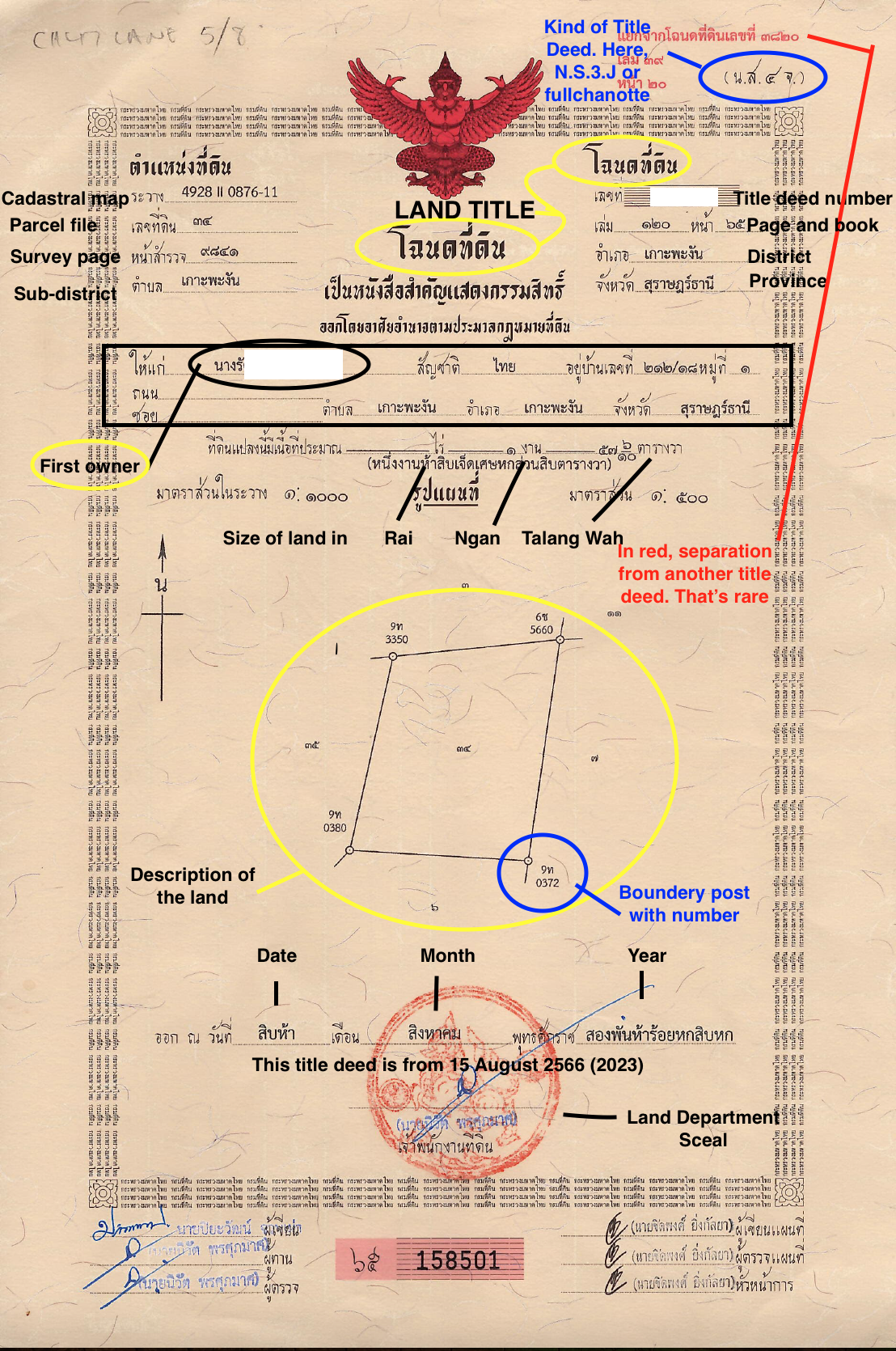
Second Example about Due Diligence for Land Survey
You should probably conduct a land survey by a reliable charted surveyor as part of your due diligence process. It will confirm the size of the land and its location.
You will also have to check:
- Ensuring compliance with the Land Allocation Act is crucial.
- Please provide the approval report for the Environmental Impact Assessment, if applicable.
- Have any building permits been issued? If so, please provide the name used for them in the property due diligence for another property.
- Who is the landowner, and with whom is the contract held? Companies may use intricate structures to evade liability. For example, they might place the building permit under an employee’s name. The company selling the land might be different from the one building the house. You may not have a contract with the construction company. This is why it is important to do your research.
- Does the developer possess a Housing Development License?
- What sales structures are being utilized for the project in relation to property in Thailand?
- How long has the developer been engaged in property development in Thailand, and what is the registered share capital?
- Which architectural firm has been appointed to design the houses, and will they be constructed to a high standard?
- Are the neighbors content with the completed houses? This can indicate the builder’s reliability.
- Which construction company is building the houses? Can we hire an independent surveyor to inspect the work when it is done?
- How many houses are being constructed in the project?
- Could a new construction in the neighborhood affect your property’s value? For example, if you bought a condominium for its sea view and a future project obstructs it.
- Will the developer connect the land to public utilities? Will you need to pay for separate meters or connect all utilities yourself?
- Will the developer take care of registering the house in the foreigner’s name? Will they also handle the house registration booklet (Tabian baan)?
- Will there be a lease agreement, usufruct, servitude, or superficies added during the property transfer
- If the property is sold under a leasehold structure, who will be responsible for paying the building and land taxes?
- Will the land be delivered free of any encumbrances, mortgages, or other liens?
Due Diligence in Thailand, Understanding the Contract
And when the time comes to make or sign a contract, other aspects will have to be agreed on. For example, due diligence in Thailand can mean to learn about:
- When is the property to be completed?
- Who will be responsible for transfer or registration fees? It can be the buyer, the seller, 50-50% or otherwise.
- Don’t wait until all fees for a project are decided. If there are any, what services will be provided? How much is the monthly or yearly maintenance / service fee in the project? How will this be calculated? Does this decision rest with the house/plot owners under Thai law, especially for those looking to purchase property? Remember that this can have an impact for many years.
- What will happen if the completion of the property is late? Are there any penalties related to the due diligence process?
- Is there a warranty on the property in Thailand?
- Is it possible to cancel the contract under Thai law? If so, will the deposit be refunded?
- Is the type of material written in the contract or its addendum?
- Etc.
FAQs on Due Diligence in Thailand
What are the essential steps in the property due diligence process when buying in Thailand?
When buying a property in Thailand, thorough due diligence is crucial to protect your investment. The main steps are:
Check legal ownership by looking at the title deed at the local land office.
Check for any debts or mortgages.
Review zoning rules.
Confirm construction permits.
Look into any legal issues about the property.
Verify the property’s boundaries with a survey.
Check if taxes are paid.
If buying from a company in Thailand, review the company’s finances. Foreign investors should also verify compliance with foreign ownership regulations. It’s essential to engage legal professionals who understand Thai legal requirements to guide you through this process.
Why is checking the title deed so important during due diligence in Bangkok and other regions?
The title deed verification is a key step in checking property in Bangkok and all of Thailand. This document proves legitimate ownership and contains crucial information about the property, including size, boundaries, and ownership history. At the land office, you should confirm that the seller is the real owner. Check for any registered debts, mortgages, easements, or legal claims on the property. Thailand’s land title system has different categories. Each category has its own ownership rights. Some may limit building or have unclear boundaries. Foreign investors need to understand these differences. They affect your ability to legally hold, develop, or sell the property later.
What legal documents should be verified during the due diligence process for Thailand real estate?
When doing due diligence for Thailand real estate, you need to check several important legal documents. These include the title deed (Chanote) from the land office. You should also verify building permits and construction approvals from the district office. The house registration book (Tabien Baan) is important too. Don’t forget to check land and building tax receipts. If applicable, look for condominium or housing project licenses. Review any previous sale and purchase agreements. If a company owns the property, check its corporate documents. Lastly, look at any lease agreements or other contracts related to the property. If you’re looking at condominiums, also verify the foreign ownership quota hasn’t been exceeded. A comprehensive law firm providing due diligence service can help ensure all legal documents are authentic and in order.
How does the due diligence process differ for condominiums versus landed properties in Phuket or other areas?
The due diligence process differs significantly between condominiums and landed properties in Phuket and throughout Thailand. Foreign investors can own condominium units in their name. They must check that the building has the right licenses. They should also ensure it has not gone over the 49% limit for foreign ownership. Lastly, they need to confirm that common area rights are clear. Foreigners usually cannot own land directly in landed properties, like houses or land. They need other options, such as leases or owning a company. This necessitates additional due diligence on lease terms or company in Thailand structures. Construction permits vary. Condominiums need verification of all building permits. For houses, you must check individual permits at the district office. Additionally, environmental regulations are typically more stringent in sensitive areas like Phuket’s coastline.
What potential pitfalls should foreign investors be aware of when conducting property due diligence in Thailand?
Foreign investors should be aware of several potential pitfalls during property due diligence in Thailand. Here’s a simplified version of the text, split into shorter sentences:
There are several issues to be aware of:
– One problem is not checking title deeds properly. This can lead to ownership disputes.
– Another issue is ignoring foreign ownership rules for land.
– Not verifying construction permits can result in illegal buildings.
– Missing mortgages or liens on the property is also a concern.
– There may be undisclosed claims from third parties.
– Environmental or zoning violations can occur as well.
– Tax debts may come with the property.
Lastly, misusing shell companies to avoid foreign ownership laws can lead to legal problems. Relying on translations that haven’t been professionally checked can lead to problems.
– Skipping property inspections can also cause issues.
-Incomplete financial reviews of a selling company in Thailand can create significant challenges.
Always engage reputable Thai legal professionals to avoid any legal issues during the property transaction.
What should be included in a comprehensive property due diligence report for Thailand?
A comprehensive property due diligence report for Thailand should include: detailed title deed verification from the land office; confirmation of legal ownership and transfer history; identification of any registered encumbrances, mortgages, or legal claims; verification of construction permits and compliance with building regulations; zoning and land use restrictions; tax payment status; environmental compliance assessment; boundary verification; information about the property’s utilities and infrastructure; details of any existing lease agreements or contracts; if applicable, verification of condominium juristic person status and finances; and for commercial properties, business operation licenses. If a company in Thailand owns the property, the report should include corporate due diligence. The report should end with a risk assessment. This assessment should point out any legal issues or concerns that could impact your investment decision.
How can a due diligence service from a law firm protect my investment in Thai property?
A professional due diligence service from a well-known law firm helps protect your investment in Thai property. It identifies risks before you make a commitment. Skilled legal experts carefully check every part of the property. They verify the title deed at the land office and review construction permits at the district office. They can discover hidden problems. They can identify ownership disputes, illegal buildings, zoning issues, and tax debts. These issues may not be obvious to people who are not trained. For foreign investors particularly, they navigate complex ownership restrictions and suggest compliant structures. If you’re buying from a company in Thailand, they’ll conduct corporate due diligence to verify legitimacy. Their comprehensive property due diligence report provides documented evidence of findings and professional recommendations, potentially saving you from costly legal disputes or investment losses.
What are the costs and timeframes associated with property due diligence in Thailand?
The costs for property due diligence in Thailand usually range from 30,000 to over 100,000 THB. This depends on the property’s complexity, location, and the investigation needed. Basic title searches at the land office are cheap. However, thorough due diligence costs more. This includes checking multiple government offices, doing physical inspections, and investigating a company in Thailand. Timeframes generally range from 2-4 weeks for standard residential properties to 1-3 months for complex commercial properties or developments. Expedited services are available but may incur premium fees. The investment in thorough due diligence service is minimal compared to the potential financial loss from purchasing problematic property. Most law firms offer structured packages with transparent pricing based on property type and value.
How does environmental due diligence factor into property investments in Thailand?
Environmental due diligence is increasingly important for property investments in Thailand, particularly in environmentally sensitive areas like coastal Phuket or protected forest zones. This process involves verifying compliance with Thailand’s environmental regulations, which can restrict development based on location, proximity to coastlines, elevation, or protected areas. Key aspects include checking if the property needs an Environmental Impact Assessment (EIA). You should also verify that it follows wastewater treatment rules. Finally, make sure the property does not intrude on protected land. For foreign investors, understanding the rules in Thailand is very important. Breaking these rules can lead to construction stops, fines, or forced demolition. It is strongly advised to know the risks involved. Environmental due diligence should be conducted at both the district office and specialized environmental agencies. A good due diligence service will check environmental compliance. This helps protect you from legal issues about the property’s environment.
Testimonials about Due Diligence and Property Work by ThaiLawOnline
-
Without unnecessary emails or time wasting
My many thanks to you for all your assistance over the years and helping me navigate the Thai legal system, in making sure that all my property dealings were 100% Legal with, Land transfers, Leasing Agreements, Property Sales and Due Diligence searches for Chanote’s, as well as setting up the Usufructs.
It was so nice and comforting to be able to deal with you and your dedicated Staff over the years, and how easy you made it all happen easily, without unnecessary emails or time wasting. As any issue was highlighted and attended to, by you and your Staff, before it became a bigger issue.
I do hope that we will be able to work together again in the future, with you at ThaiLawOnline, when I next have and property to sell or buy.

A property is normally a big investment for most people. It requires you to be careful and very diligent.
Moreover, the role of due diligence in Thailand cannot be overstated as it lays the foundation for a secure property investment. Ensuring that you are well-informed about due diligence in Thailand can significantly affect your property’s future value and usability.
Ready to Protect Your Investment in Thailand?
Whether you’re buying land, a condo, or investing in a business, proper due diligence is not optional—it’s essential. At ThaiLawOnline, we’ve helped hundreds of foreigners avoid costly mistakes by providing clear, thorough, and affordable due diligence services across Thailand.
Don’t take chances with your future. Let us verify the property, check the title deed, uncover hidden risks, and give you peace of mind before you sign anything.
📩 Contact us today for a consultation or send us your property details to get started.
✅ Fast turnaround. Clear reports. Professional Thai lawyers.
And you can communicate with us on 💬 Messenger📱 WhatsApp📸 Instagram📧 Email