

Last updated on April 12, 2026
Yes, foreigners can legally own condominiums in Thailand in their own name under the “Foreign Quota” rule. If you want to improve your lifestyle for retirement or vacation, consider Thailand. It is also a good place to invest. The rental yields and potential for capital growth are attractive. The process is easier than many people think. However, failing to follow specific financial steps—particularly obtaining the Foreign Exchange Transaction (FET) form—can block your ownership registration entirely. This comprehensive 2026 guide walks you through everything you need to know to buy a condo in Thailand safely and successfully.
Table of Contents
Can Foreigners Buy Condos in Thailand? (The Legal Framework)
Thai law permits foreigners to buy a condo in Thailand, but specific regulations must be followed. This section explains the key legal requirements every foreign buyer needs to understand.
Understanding the 49% Foreign Quota
Foreigners can hold freehold title to a condominium unit only if foreign ownership in the building does not exceed 49% of the total sellable area. This quota is a critical factor in determining whether you can legally own your condo outright. Before paying any deposit, always verify the quota status with the juristic office or Land Department to ensure foreign ownership slots are still available.
Freehold vs. Leasehold: What’s the Difference?
Freehold (Chanote) means permanent ownership. I personally think “Freehold” is a foreign term and “full ownership” is more appropriate to civil law. Most foreign buyers want this as it is the best type ownership. If the foreign quota is already full, foreigners can opt for a 30-year leasehold instead. A leasehold (better called “Lease Agreement’)provides possession and usage rights but not ownership title. While leases can sometimes be renewed, they offer less security than freehold ownership.
The “Company Ownership” Route
Some foreigners consider using a Thai company to purchase property, allowing them to bypass the foreign quota restrictions. This approach needs strict legal compliance. The company must be a real, active business, not just a shell company for owning property. Using nominee shareholders or inactive companies can result in severe legal penalties. If you’re considering this route, consult with a qualified corporate lawyer to ensure full compliance with Thai law.
The Step-by-Step Buying Process
Buying a condo in Thailand involves several key stages. Understanding each step helps ensure a smooth transaction and protects your investment.
Step 1: Due Diligence (Don’t Skip This)
Before committing to any purchase, perform thorough due diligence. This involves doing a title search at the Land Office. This helps confirm that the seller is the real owner. It also checks for any claims like mortgages or liens. Physically inspect the property to confirm access to public roads and check zoning regulations. For off-plan projects, make sure the developer has valid construction permits. Check their track record to avoid investing in poorly managed projects.
Step 2: The Sales and Purchase Agreement (SPA)
The Sales and Purchase Agreement is the most critical document in your transaction. Pay close attention to “exit clauses” about deposits. Make sure you have protection if your mortgage fails or if title issues come up. Have a qualified property lawyer review the contract before signing.
Step 3: Transfer Day at the Land Office
The final step involves registering the transfer at the Land Department. Both parties (or their representatives via Power of Attorney) must be present. You’ll need the original FET form proving your funds came from abroad. Once the transfer is registered, you officially own the property.
The Term “Freehold”
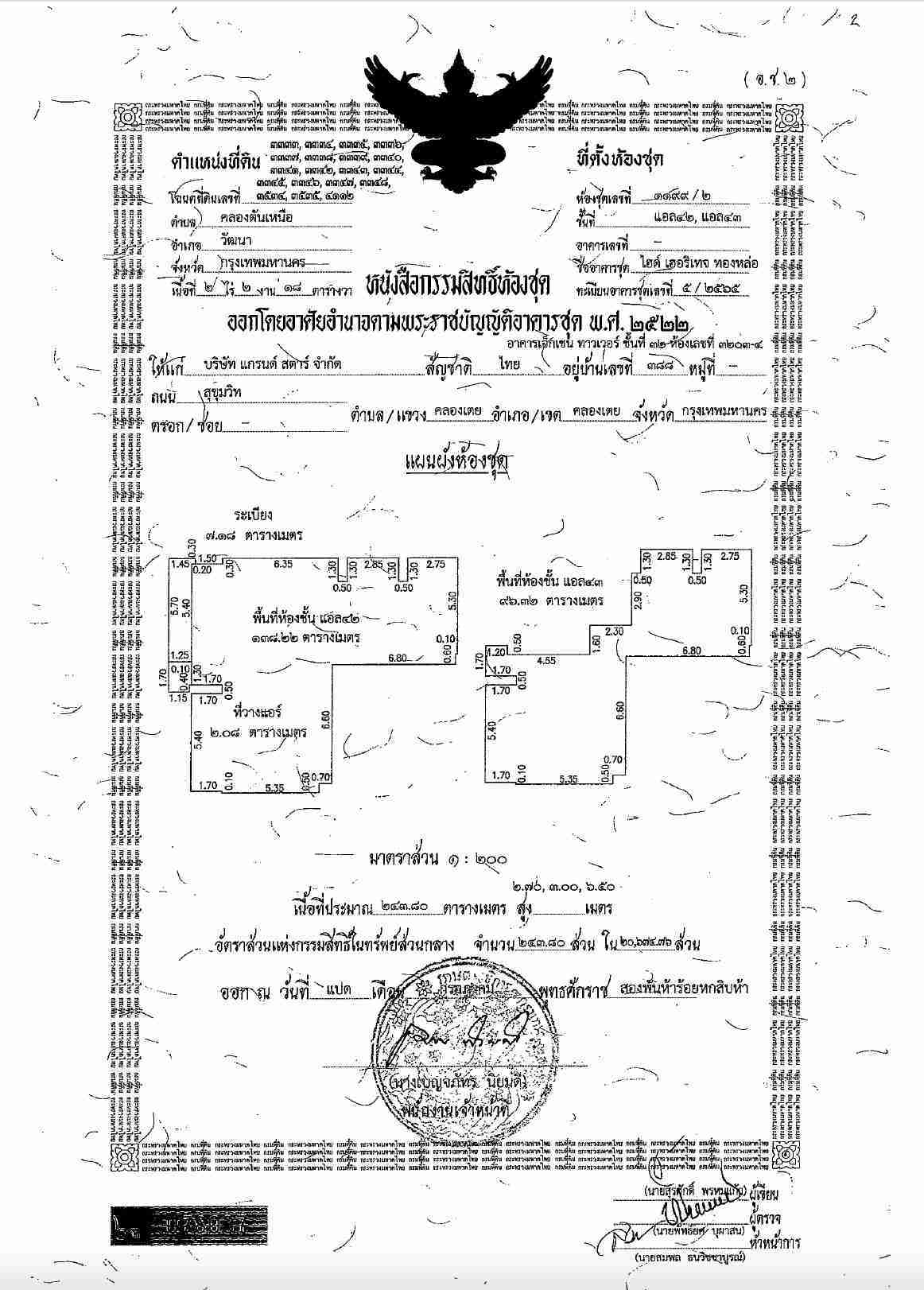
The Civil and Commercial Code never uses the word “freehold.” The code only talks about “ownership” (กรรมสิทธิ์, kamma-sit). This is the highest right a person can have over land or property under Thai law. It is explained in sections 1336 and 1337. “Freehold” is a borrowed term from common-law countries.
Developers and agents like it because it sounds familiar to foreign buyers. It suggests the same idea as a fee-simple estate. In practice, it does not add anything that “ownership” already covers. It can confuse marketing language with the exact legal right. Sometimes, you may see the term “freehold” in unofficial English translations of the Condominium Act. In these translations, unit owners are said to have a “freehold interest.” Even there, the Thai version uses the same word, กรรมสิทธิ์. So we believe it is wrong to use “freehold”.
Thailand Property Acquisition and Residency Guide for Foreign Investors
Based on 10 sources
| Topic | Requirements and Conditions | Applicable Fees or Taxes | Ownership Structure | Legal/Regulatory Framework | Strategic Advice for Foreigners |
|---|---|---|---|---|---|
| Condominium Ownership | Units must be bought with funds from abroad. This must be confirmed by a Foreign Exchange Transaction (FET) form. Each unit can be fully owned by foreign investors. | Transfer fee (2% of appraised value), usually shared 50/50 between buyer and seller. | Freehold (full legal ownership in the foreigner’s name) or Leasehold (typically 30 years). | Condominium Act B.E. 2522 (1979); 49% foreign quota limit per building. | Check the Land Office for a title search. This will help you confirm ownership and any claims on the property. Buy early in new projects to secure your quota. |
| Property Taxes and Ongoing Costs | Taxes are payable at the Land Office upon transfer; rental income must be reported annually. | Specific Business Tax (3.3%) if held <5 years or Stamp Duty (0.5%) if >5 years; Withholding Tax (progressive 0−35%); Land and Building Tax (0.02%−0.1% for residential). | Not in source | Section 457 Civil and Commercial Code; City Planning Act (zoning); Revenue Department regulations. | Check for primary residence exemptions if listed in the house registration book and value is <50 million THB. |
| Long-Term Resident (LTR) Visa | Wealthy Global Citizens: $1M assets + $500k Thai investment. Wealthy Pensioners: 50+ years old + $80k annual passive income (or $40k income + $250k investment). | 50,000 THB processing fee for 10-year visa; 17% personal income tax for highly-skilled professionals. | Residency privilege (non-immigrant status) allowing 10-year stay and work permit. | Board of Investment (BOI) LTR Program. | Maintain investment levels, insurance (min $50k coverage), and bank balances for the duration of the visa. |
| Due Diligence and Acquisition Process | Review land documents (Chanote, Nor Sor 3 Gor), building permits, and environmental regulations; conduct on-site survey. | Not in source | Freehold, Nor Sor 3 Gor, or Possessory Rights. | Civil and Commercial Code; Building Control Act. | Perform a litigation search to ensure no ongoing disputes against the owner; avoid paying deposits without an exit clause. |
| Market Trends and Strategy | Focus on high-potential zones (Bangkok CBD, Phuket, EEC). | Yields of 5−8% targeted in tourist zones. | Flight to quality: Prime freehold central assets vs. suburban leaseholds. | Enforcement of anti-nominee regulations for land ownership. | Target ‘Buy-to-Rent’ for Gen Z/Y renters near mass transit; focus on Branded Residences for quality management. |
| Mortgage for Foreigners | Typically limited to condominiums; requires work permit (usually), stable income, and higher down payments (30−50%). This is not in the law but in practices. |
How Can a Foreigner Own a Condominium Unit in Thailand?
Ownership of a condominium unit in Thailand by a foreigner is governed by specific regulations. The main requirement is that the foreigner must prove the purchase. They need to show that it is made with foreign currency or from abroad. You usually get a foreign exchange transaction form from the bank. This form proves the foreign currency used in the transaction. When foreigners are on a tourist or DTV visa, they normally do not have a bank account. Money can be sent to a developer or third party. They must show that it was done in foreign currencies. It should be from abroad and for buying this condominium.
The foreign ownership quota is a critical aspect of purchasing a condominium in Thailand. According to the Condominium Act, foreigners can own no more than 49% of a condominium’s total floor space. This quota makes sure that most ownership of condominium buildings stays with Thai nationals. This shows the country’s preference for local ownership in real estate sales in Thailand.
The Condominium Act is the legislative framework that regulates the ownership and management of condominiums in Thailand. Section 19 of the Condominium Act outlines the rights and duties of foreign owners. It also provides rules for registering condominium units. Foreign buyers should check that the condominium units they want are registered under the Condominium Act. This law gives them legal rights to own property in Thailand.
Taxes and Fees: What Does It Cost?
Understanding the tax implications is crucial. Property tax is levied on real estate in Thailand, and the tax rates vary based on the property’s value and location. Additionally, a business tax may apply if the seller is a company. It also applies if the property has been owned for less than five years before the sale.
Withholding tax is another consideration for foreigners purchasing a condominium in Thailand. This tax is generally withheld by the buyer and paid to the government on behalf of the seller. The rate can vary, especially if the seller is a foreign entity. To facilitate the transaction, buyers often set up a foreign currency account to ensure compliance with Thai financial regulations.
Taxes are an integral part of purchasing a condominium in Thailand. Besides property and withholding taxes, buyers should know about any transfer fees. These fees are usually shared between the buyer and seller. Knowing about these taxes helps with financial planning. It also makes sure buyers are not surprised by extra costs.
What Should You Know About the Sale and Purchase Agreement?
The sale agreement is a binding document between the buyer and seller, outlining the terms of the condominium purchase. Key elements include the purchase price, payment schedule, and conditions of the property. This document is a reference for both parties. It should be written clearly and follow the law.
Legal protections are in place for condominium purchasers in Thailand to safeguard their interests. These include making sure the condominium is registered under the Condominium Act. The sale agreement should show all agreed terms. Legal counsel can provide valuable assistance in ensuring that the buyer’s rights are protected throughout the transaction process.
When you buy a condominium, you also get access to shared property. This includes pools, gyms, and other facilities in new developments. The management of these areas is usually handled by a condominium juristic person. They make sure the common property is kept up and that all unit owners’ rights are respected. Understanding the role of the condominium juristic is essential for buyers to fully benefit from their investment.
Financial Requirements: The FET Form & Money Transfers
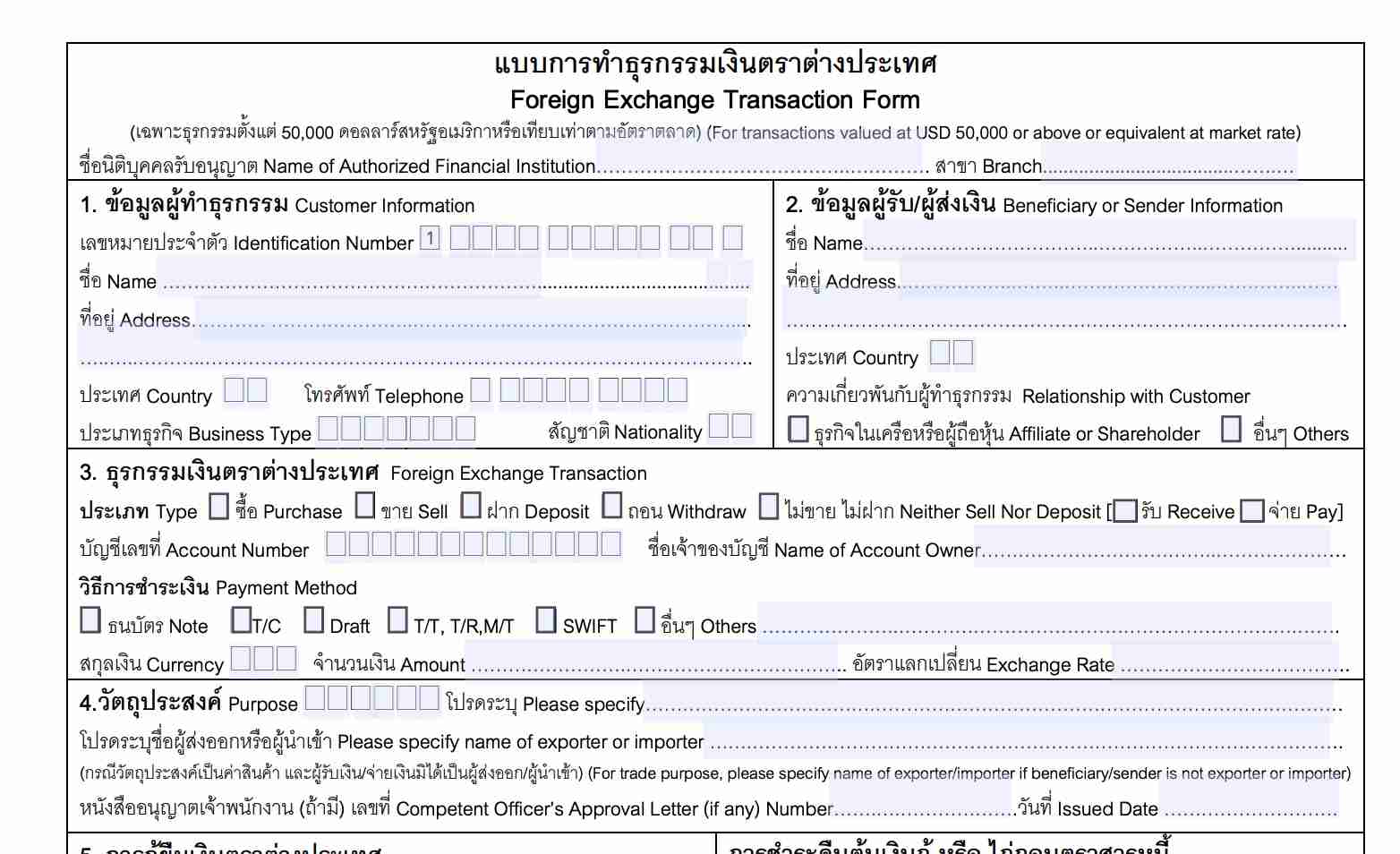
Financing the purchase of a condominium in Thailand involves navigating foreign exchange regulations and exploring different payment methods. Buyers often need to send money to Thailand using a foreign currency account. This helps them follow the rules set by the Bank of Thailand. Understanding these financial aspects is crucial for a successful purchase.
Foreign buyers looking to finance a condominium purchase in Thailand have several options available. Some local banks offer mortgage services to foreigners, although the terms may vary. It is advisable to compare different financing options and consult with financial advisors to determine the most suitable arrangement based on individual circumstances.
Setting up a foreign currency account is a crucial step for foreigners buying a condo in Thailand. This account facilitates the transfer of funds from abroad and ensures compliance with Thai financial regulations. It also keeps a record of the foreign currency used for the purchase. This is needed for the transfer of ownership registration.
Rent-to-Own Condominium in Thailand
Rent-to-Own (RTO): A Private Contract OptionRent-to-Own (RTO) is a good option for expatriates or investors. It helps those who cannot get a Thai bank mortgage right away. With RTO, you can own property. This is called a “Lease with Option to Purchase.” It lets you move in right away as a tenant. A part of your monthly rent goes toward the final purchase price of the property.
Rent-to-Own in Thailand is a private agreement.
This agreement is between the buyer and the seller (or developer). It is not a standardized banking product regulated by financial institutions. The title deed (Chanote) stays with the seller until the last “balloon payment” is made. This means your investment’s security relies completely on the strength of this private contract. We strongly recommend doing careful research on the developer’s financial health. Make sure the contract clearly explains exit clauses, default terms, and how your “rental credits” are calculated. If you wish, ThaiLawOnline can help for that.
Mortgages and Visas: Financing & Residency
This section covers financing options and visa pathways for property investors in Thailand.
Can Foreigners Get a Mortgage?
Getting a mortgage in Thailand as a foreigner is difficult but possible. Expect to provide a 30-50% down payment, with interest rates typically higher for foreigners (5-8%) and shorter terms (10-20 years). International banks like UOB and ICBC, or developer financing programs, may be available options.
FAQs about Buying a Condominium in Thailand
What is the foreign ownership quota for condos in Thailand?
Foreigners can own up to 49% of the total floor area of all condo units in a building. This means if a building has 100 units, only 49 of them can be foreign-owned. The rest must be owned by Thai nationals or Thai entities.
How much does it cost to transfer ownership of a condo in Thailand?
The standard transfer fee is 2% of the official appraised value. There may be other costs like stamp duty (0.5%) or Specific Business Tax (3.3%) depending on the situation. These are typically paid at the Land Office when ownership is transferred.
What documents are required for a foreigner to buy a condo in Thailand?
– A valid passport
– Proof of funds from abroad (with a Foreign Exchange Transaction Form or FET)
– A sales agreement or contract
– Title deed (Chanote) of the condo
– Thai ID and signatures of the seller if the seller is Thai. Passport for foreigners
Other documents may be requested depending on the local Land Office.
Do I need a property lawyer to buy a condo in Thailand?
It’s not legally required, but highly recommended. A good lawyer will check the title deed, review the contract, explain your rights, and make sure all procedures follow Thai law. This can save you from costly mistakes later. It’s wise to conduct a thorough property due diligence in Thailand before purchasing
What is the FET Form (Tor Tor 3) and why is it required?
The Foreign Exchange Transaction Form proves that foreign currency was transferred into Thailand to buy the condo. It’s required for ownership registration at the Land Office if the condo is worth more than USD 50,000.
How are transfer fees and taxes split between buyer and seller?
This can vary. Often, it’s negotiated in the contract. However, a common practice is that the buyer must pay a 2% transfer fee when they own a condominium. The seller pays the Specific Business Tax, stamp duty, and withholding tax. Always clarify this in writing before signing.
What is Specific Business Tax (SBT) for condos in Thailand?
SBT is a 3.3% tax applied when a property is sold within five years of acquisition. It’s usually paid by the seller. If the seller has held the unit longer than five years (and lived there), stamp duty may apply instead.
Are there restrictions on financing a condo purchase as a foreigner?
Yes. Thai banks rarely offer mortgages to foreigners unless they have a long-term visa, Thai income, or joint ownership with a Thai partner. Most foreigners buy condos with cash transferred from overseas.
What due diligence should I perform before buying a condo?
Check the title deed, building permits, foreign ownership quota, developer’s reputation, financial health of the juristic person, and outstanding debts. A lawyer can help with this and also ensure the unit is not under dispute or lien.
Can foreigners inherit a condominium in Thailand?
Yes, the foreign heir must sell the unit if the foreign quota is full. This affects their ability to own a condominium. Thai law allows inheritance, but continued ownership may depend on quota availability and how the transfer is registered.
What are the ongoing maintenance fees for condos in Thailand?
Each condo has monthly fees that cover cleaning, security, pool, and common area maintenance. Fees vary depending on the building but usually range from 20 to 70 baht per square meter per month.
How does the government appraised value affect transfer costs?
Taxes and fees at the Land Office are calculated based on the appraised (not market) value. These values are usually lower than market prices but depend on the location and age of the property.
Are there hidden costs when buying a new vs. resale condo?
Yes. New condos often include sinking fund fees, utility meter installation, and sometimes furniture packages. Resale condos may have unpaid maintenance fees or require renovation before you consider condos for sale in Thailand. Always ask for a breakdown of costs.
How do I verify a condo’s title deed at the Land Office?
You (or your lawyer) can request a copy of the Chanote at the local Land Office. You can check ownership, look for any debts or mortgages, and confirm that the unit is part of the registered condo project. You need power of attorneys and copies of IDs to do that. It is not completely public and easily available.
Can a foreigner rent out their Thai condo legally?
Yes, foreigners can rent out their condos. Short-term rentals (like Airbnb) may be restricted by the building’s rules or Thai hotel laws. Long-term rentals (30 days or more) are usually allowed.
What is the process for transferring a condo via inheritance?
The heir must go to the Land Office. They need a court order, if required, a death certificate, and papers that show the inheritance. If the heir is a foreigner, proof of funds and foreign ownership rules still apply.
Are pets or renovations allowed in Thai condos under juristic rules?
It depends on the building. Some condos allow pets, while others do not, so check the rules when looking at condos for sale. Renovations usually require permission from the juristic office, especially for structural or noisy work. Always check the rules before entering Thailand to buy a condo.
All‑Inclusive Legal Package – THB 34,900
One flat fee covers everything you need for the purchase of a condo in Thailand:
- Full due diligence on the title deed, building permits, and any encumbrances;
- Written comments and red‑flags on the reservation and sale contracts;
- Help with the bank to secure the FET / FETF form;
- Attendance and translation at the Land Office on transfer day;
- Unlimited consultations (email, phone, video) until hand‑over.
No hourly billing, no hidden extras – just clear legal support.
Ready to Start?
Secure your Thai condo the safe way. For THB 34,900 we manage the legal work from first draft to final transfer. If you don’t want a lawyer to handle the land transfer, we can do it for much less. The cost is THB 19,900. See our property packages here. (These prices apply for Bangkok, Pattaya, Nakhon Ratchasima, Khon Kaen, Surin, Buriram, and few other provinces but not everywhere.).
We can help you to protect your interests.
Links
- Department of Lands in Thailand (Official link in Thai and English)
- DD Property is one of the best websites to find properties in Thailand. You can search in both Thai and English. For example, you can look for a condo in Tambon Hat Yai.