


Reviewed by ThaiLawOnline, a licensed Thai law firm practising in Thailand since 2006. Thai lawyer of record: Wichuda Atthamethakon, LL.M., Thai Bar Licence 3149/2556.
Last updated on
TL;DR: A lease agreement in Thailand is a legal contract that allows you to use land or property. Registered leases can last up to 30 years and can be renewed, but renewals are not automatic. Premises leased over three years must be registered in Thai with the Land Department to be enforceable. Registration protects the lessee, even if the property changes owners. It also includes small fees of about 1.1% of the total rent for the term (a 1% registration fee plus 0.1% stamp duty).
📝 Key Takeaways about Lease Agreement in Thailand
- Foreigners cannot own land outright. This makes long-term leases an important way to use property. They can also build and own structures through “superficies rights.”
- Written Requirement (Section 538): Any lease that lasts more than three years must be in writing. It must also be registered at the local Land Department to be valid for its full term.
- Maximum Lease Term (Section 540): The longest lease term allowed under Thai law is 30 years. Commercial leases under specific investment laws may allow terms up to 50 years, but these are exceptions.
- Language Requirement: For registration, a Thai-language version of the lease is required. English-only leases are not accepted at the Land Department.
- No Automatic Renewal for Lease Agreement in Thailand: Thai courts, including the Supreme Court, have held that a promise to renew binds only the landowner who gave it, not a later buyer, and that renewals stacked from the start to run past 30 years are void (Decision 4655/2566). Plan on signing and registering a new lease when the term ends. (See our article: Automatic Renewal Clauses in Thai Lease Agreements)
Table of Contents
Understanding Lease Agreements in Thailand
A lease agreement, known as สัญญาเช่าที่ดิน in Thai for land, is a simple contract. In this contract, the property owner allows someone to use the property for a set time. In return, the person pays rent. You won’t own the property, but you will have strong legal rights. This is true if your lease is well written and registered at the Land Office.
Last reviewed: 4 September 2026. Sections 537, 538, 540, 546, 547, 548, 550, 551, 552, 553, 560, 568 and 569 of the Civil and Commercial Code were each read against the text in our own annotated Code. Supreme Court Decision 4655/2566 was read against our full summary of it. The Land Office fee, the security deposit convention and the registration steps described below are practice rather than Code provisions and were not verified against a statute. On 6 October 2026 the death-of-tenant risk was corrected after reading Decisions 3254/2545 and 11058/2559 in Thai: a lease can pass to the heirs where its terms show the tenant’s identity was not essential. On 3 October 2026 Sections 538 and 569 were read again in Thai, and the lines on oral leases, the unregistered-lease term, renewal promises, holding the title deed and a no-sale covenant were corrected; the renewal statements now follow our reviewed page on Supreme Court lease decisions. The two case studies further down are illustrative scenarios, not reported cases.
Why choose a 30-year registered lease?
• You secure legal use for the full term, even if the land is sold.
• You can register superficies rights in Thailand to own any house you build.
• You avoid nominee company risks while complying with Thai law
Since foreigners cannot own land in Thailand, leasing (often called a leasehold) is a popular way to secure long-term land use. A leasehold lets a foreigner use a piece of land for up to 30 years. They can renew it with a new agreement. This structure enables foreign nationals and investors to participate in the Thai real estate market without violating ownership restrictions.
If you want to rent a condo in Bangkok, lease land for your dream home, or start a business, take time to learn how leases work in Thailand. This is important before you sign anything. This guide will help you understand the legal framework and key parts. It will explain the registration process and common mistakes to avoid. You will also find practical tips based on real cases.
Thai Lease Law: Sections 537-571 Explained
The rules for lease agreements in Thailand are called “hire of property.” They are found in sections 537 to 571 of the Thai Civil and Commercial Code. These provisions outline the rights and duties of landlords and tenants, including obligations related to rent, maintenance, and termination.
Thai courts have often interpreted lease agreements based on these principles. This is especially true for renewal clauses, succession rights, and contract enforceability. If you want to know how the Thai Supreme Court has decided on these matters, check out our article. You can find it here: Supreme Court Decisions About Lease in Thailand.
Key Components of a Rental Contract in Thailand
A well-structured lease agreement protects both parties and minimizes the risk of disputes. Below are the core elements that should be clearly defined in any Thai lease:
| Component | Description |
|---|---|
| Lease Term | Maximum 30 years (50 for some commercial leases). Clearly state start and end dates. |
| Rental Amount | Monthly or yearly rent, with optional clauses for increases. |
| Payment Terms | Due dates, method of payment, and penalties for late payments. |
| Security Deposit | Commonly 2-3 months’ rent, refundable if no damage or unpaid bills. |
| Maintenance & Repairs | Clarify who handles what: tenant for minor issues, landlord for major ones. |
| Utilities | Specify who pays for electricity, water, internet, etc. |
| Use of Property | Define use (residential, commercial) and any restrictions on subleasing. |
| Termination Clause | Outline the notice period and acceptable reasons for early termination. |
| Renewal Options | A renewal promise binds the landlord, and usually the landlord’s heirs, but not a buyer of the land. Each renewal is registered as a new lease of up to 30 years from the date of renewal (section 540), and renewals stacked at the outset to go past 30 years are void (Supreme Court Decision 4655/2566). |
| Legal Jurisdiction | State that Thai law applies and name the court that would handle disputes. |
Tenant duties: Keep the property in good condition. Pay for daily utilities. Tell the landlord about any needed repairs.
Landlord duties: Deliver the property in a good state of repair and make the repairs that become necessary during the term, apart from those the law or custom leaves to the tenant (Civil and Commercial Code section 546 and section 550). If part of the property is lost through no fault of the tenant, the tenant may claim a reduction of the rent in proportion to the part lost, and may terminate if what is left cannot serve the purpose of the lease (section 568). Where the property is delivered in a condition unsuitable for its purpose, or a defect the landlord can put right is not put right after notice and is serious enough, the tenant may terminate (section 548 and section 551). Section 552 is a tenant obligation, not a landlord one: it forbids the tenant to use the property for a purpose other than the ordinary one or the one the contract provides.
Under Section 538 a lease of land or a building cannot be enforced in court at all unless there is written evidence signed by the party you are suing, so an oral lease of immovable property gives you no claim you can sue on. A lease for more than three years, or for the lifetime of either party, must also be made in writing and registered at the Land Office, or it can be enforced for three years only.
A land lease agreement can be set up without any buildings. This lets you own the structures through superficies rights.
Special Case: Land Leases and Superficies Rights in Thailand
For land leases without existing buildings, you can register a right of superficies (สิทธิเหนือพื้นดิน). This gives the lessee the legal right to own any structures they build on the land, even though the land itself remains leased. This is a common and strategic option for foreigners investing in property development.
Comparison of Lease Types in Thailand
| Feature | Lease Under 3 Years | Lease 3-30 Years (Registered) |
|---|---|---|
| Registration Required | No | Yes (Land Office) |
| Enforceability | Difficult to enforce in court | Fully enforceable under Thai law |
| Maximum Term | Up to 3 years (registration needed only above 3 years) | 30 years (renewable) |
| Ability to Renew | Informal, not guaranteed | Must be stated in contract |
| Transferable | Depends on the contract | Often transferable if included |
| Recommended For | Short stays or low-risk rentals | Long-term living or investment |
| Land Office Fee | None | 1.1% of total lease amount |
The lease agreement must clearly show the rental amount and payment terms. This includes how often payments are due and the accepted payment methods. This transparency is essential to prevent disputes throughout the lease term. The lease registration fee is 1% of the total rental value for the lease term. Both parties should consider this fee when negotiating the lease terms. This ensures that all financial obligations are clearly outlined in the rental agreement. A stamp duty of 0.1% is added to that.
Termination clauses are important in lease agreements. They explain the conditions that allow either party to end the lease. These clauses should specify notice periods and any applicable penalties for early termination. Clear terms are important to protect both landlords and tenants. This helps avoid misunderstandings during the lease or tenancy. A clear termination clause makes sure both parties know their rights and duties if they need to end the lease.
Make sure your renting contract is clearly defines each party’s responsibilities.
Therefore, both landlords and tenants should prioritize understanding the Lease Agreement in Thailand to ensure a mutually beneficial arrangement.
How to Register a 30-Year Lease at the Land Office and Costs
If you’re signing a lease in Thailand for more than three years, it’s not enough to just have a signed contract. The lease must be registered at the Land Office to be legally enforceable beyond the first three years. This is something many people don’t realize, and skipping this step can put your entire lease at risk. This is why understanding the lease agreement in Thailand registration process is crucial for both parties involved. Registering the lease protects the tenant’s rights for the full term. This means the lease will be officially noted on the land title deed (Chanote). This note stays even if the property changes owners.
Step-by-Step Guide to Securing Your Thai Lease
Before signing any agreement, use this downloadable inspection checklist to verify:
- Property boundaries match title deed
- Utilities are functioning properly
- No unauthorized modifications exist
At the Land Office, you will need to sign a one-page lease form from the government. This form is in Thai and has the official Garuda seal. This form becomes the legal basis of your lease. The good news is that your lawyer can create a separate, detailed lease agreement (in Thai, English, or both). This agreement will serve as an addendum to the official form. You can add clauses that better protect your interests. These can include who pays for maintenance, the right to sublease, renewal options, or what happens if the property is sold.
| Step | What To Do | Why It Matters | Pro Tips |
|---|---|---|---|
| 1. Shortlist Properties | Search online, visit local agents, and inspect properties in person. | Ensures you find a property that fits your needs and budget. | Take photos and notes during visits for easy comparison. |
| 2. Verify Ownership | Ask the landlord for the Chanote (title deed) and check their ID. | Confirms the landlord has legal authority to lease the property. | Cross-check the name on the title deed with the landlord’s ID. |
| 3. Negotiate Terms | Discuss rent, deposit, lease duration, renewal options, and maintenance. | Sets clear expectations and avoids misunderstandings later. | Get all agreements in writing, verbal promises are hard to enforce. |
| 4. Draft the Lease Agreement | Use a bilingual (Thai-English) contract and include all negotiated terms. It will allow you to understand all clauses. | Protects your rights and ensures the contract is enforceable. | Consider having a lawyer review the draft, especially for long-term leases. ThaiLawOnline can do that for you. |
| 5. Register the Lease (if over 3 years) | Visit the Land Department with the landlord to register the lease. | Makes the lease legally binding and protects your long-term rights. | Registration fees total about 1.1% of the rent for the whole term (1% registration fee plus 0.1% stamp duty). |
| 6. Pay Deposits and First Month’s Rent | Transfer funds and get official receipts. | Provides proof of payment and secures your tenancy. | Always use traceable payment methods (bank transfer, not cash). |
| 7. Move In & Document Condition | Take photos/videos of the property’s condition on move-in day. | Helps resolve disputes over damages when you move out. | Share the documentation with the landlord for mutual agreement. |
An enforceable lease agreement in Thailand is key to securing your rights as a tenant.
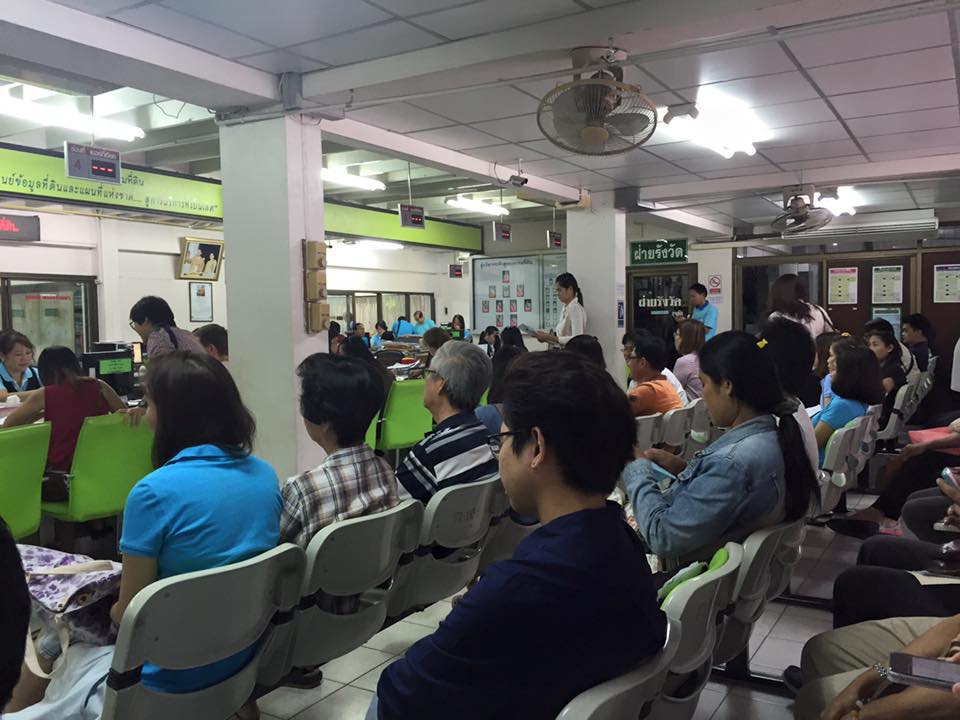
Whether you’re leasing a house, condo, or land, proper registration is the key to protecting your rights in Thailand. We always suggest getting help from a qualified lawyer. They can assist you in preparing the official lease form and the supporting contract. This will help ensure your investment is secure.
When you sign a lease or rental contract in Thailand, remember to consider extra costs that may come up. These costs can include expenses for construction or renovations if the lease allows it. This can greatly affect the overall budget. Furthermore, landlords may need to consider taxes on rental income, which can vary depending on local regulations. Knowing about these costs helps landlords and tenants prepare for renting in Thailand. It makes them aware of their financial responsibilities.
Renewing a lease agreement in Thailand needs both parties to be active before the first lease term ends. Renewal terms are not guaranteed, making it essential to negotiate and draft renewal clauses carefully within the lease contract. Well-written renewal clauses help both the landlord and tenant know their rights and duties. This makes it easier to move into a new lease term if both sides agree. This clarity is vital for maintaining a positive leasing relationship.
Common Traps: 30 + 30 + 30 Myths & Court Rulings
Leasing property in Thailand may seem easy, but there are some common mistakes that can lead to big problems later. Here are some of the most frequent pitfalls we see, and how to avoid them.
Common Mistakes to Avoid:
- Relying on verbal agreements or unsigned documents
Always get everything in writing, with signatures from both parties and proper witnesses. Verbal promises, even from trusted landlords or developers, often can’t be enforced in court. - Believing the lease automatically continues if the lessee dies
In Thai law, a lease ends when the lessee (the tenant) dies, unless very specific legal steps are taken. Many people think their spouse or children can take over, but that’s not how the law works. You need to plan for it properly. - Not understanding Thai legal terminology
Lease contracts often include Thai legal language that foreign tenants don’t fully understand. Having the contract translated and explained by a lawyer can prevent misunderstandings and protect your rights.
The infamous 30 + 30 + 30 = 90 years lease agreement
You may have heard developers or agents in Thailand talking about a “30+30+30 year lease.” They say this lets foreigners have property rights for up to 90 years. This sounds appealing, but it’s important to know that under Thai law, only the first 30-year lease is legally enforceable. The contract may have options to renew for more 30-year terms. A promise to renew is not a right attached to the land, so it does not automatically bind whoever buys the land next. Worse, where the renewals are stacked onto the first lease so that the whole arrangement reaches beyond 30 years, the courts will not enforce them at all.
The Supreme Court settled this in Decision No. 4655/2566. A lessor granted a 30-year lease and, on the same day, promised to renew it for two further 30-year terms at the same rent and on the same conditions, with the rent for all three terms paid up front. The Court held that the arrangement showed the parties intended to evade Section 540 of the Civil and Commercial Code, which forbids a lease of more than 30 years, so the promises to renew were void. The lessee then argued that the promises should at least survive as a personal contract binding the lessor, and the Court refused, because that reading would leave Section 540 with no effect at all. Only the first 30 years stand. A renewal is not forbidden in principle, but it has to be negotiated and registered afresh when the term ends, and a new owner of the land is under no obligation to grant one. We set the decision out in full in our summary and translation of Supreme Court Decision 4655/2566.
If you want long-term security, it’s important to understand these legal limits. You should also explore other options. Consider setting up a separate contract or getting professional legal advice. Click here to read about that Supreme Court decision that invalidates automatic 30 years renewal.
Securing Long-Term Property Rights: Lease vs. Usufruct vs. Superficies
A 30-year lease is the most popular method for foreigners to secure long-term property rights, but it’s not the only option. It is important to understand the differences between a lease, usufruct rights, and a superficies rights in Thailand. Each one has its own protections and limits. Many people mistakenly use these terms interchangeably, leading to significant legal risks.
| Feature | Lease (Leasehold) | Usufruct (สิทธิเก็บกิน) | Superficies (สิทธิเหนือพื้นดิน) |
| Primary Right | Right to use and possess the property. | Right to use, possess, and enjoy the fruits (e.g., rental income) of the property. | Right to own buildings, structures, or plantations on another person’s land. |
| Maximum Term | 30 years (renewable by new agreement). | Lifetime of the person granted the right (the usufructuary). | Up to 30 years or for the lifetime of the person granted the right. |
| Is it Inheritable? | No. A lease is a personal right that terminates upon the lessee’s death unless written otherwise. | No. The right expires automatically upon the death of the usufructuary. | Yes. The right to own the structure is transferable and can be passed to heirs. |
| Can you sell/transfer the right? | Only if the lease agreement explicitly allows for subleasing or assignment. | No, the usufruct right itself cannot be transferred. | Yes. The right of superficies can be sold or transferred to another person. |
| Best For | Securing long-term residence, building a home (when combined with superficies), or general property use. | Foreign spouses of Thai landowners who want the right to live in and manage a property for their lifetime. | Foreigners who want to build and own a house on land they do not own. Do note that selling a house without the building is extremely difficult. |
| Key Risk | Terminates on death. Renewal is not guaranteed and depends on the landowner. Unless written otherwise. A lease agreement in Thailand is extremely important to be well written. | Terminates on death, offering no long-term security for heirs. | The right to own the house is secure, but the underlying land is still subject to the land agreement. |
Critical Risks for Foreigners to Avoid
While a lease is a secure legal instrument, several misunderstandings can lead to devastating consequences for foreign tenants. Be aware of these critical risks:
- The Lease Terminates on Death: Under Thai law, a lease is a personal right tied to the lessee unless written otherwise. It automatically terminates upon the death of the person who signed the lease. It is not inheritable by default (Supreme Court Decision 3254/2545). The exception is a lease written so that the tenant’s identity is not essential: in Decision 11058/2559, a plenary ruling, a registered 30-year lease that allowed subletting, with the rent for the whole term paid in advance and no clause ending it on the tenant’s death, passed to the tenant’s heirs for the rest of the term. So a well-drafted lease can survive you; a clause that only asks the landowner to consider a new lease with your heirs guarantees nothing.
- The “90-Year Lease” Myth (30+30+30): Many developers market 90-year leases structured as an initial 30-year term with two guaranteed renewal options. They do not give you 90 years. A renewal promise binds only the landowner who gave it, not a later buyer, and where the renewals are stacked from the start to reach beyond 30 years they are void (Supreme Court Decision 4655/2566). A Supreme Court ruling confirmed that only the first 30-year registered term is legally binding. Any subsequent renewal requires a new contract and re-registration, which the landowner is not obligated to grant. Click here to have more information about Supreme Court decision related to leases in Thailand.
- Failure to Register the Lease: A lease longer than three years must be registered with the Land Department. This is needed for it to be legally enforceable for the entire term. An unregistered 10-year lease, for example, is only legally valid for the first three years. If the property is sold after year three, the new owner can evict you. Look at section 538 of the Thai Commercial and Civil Code.
- Relying on a Thai Company with Nominee Shareholders: Some foreigners are advised to hold property through a Thai company where Thai nationals act as nominee shareholders. This structure is against the law under the Foreign Business Act. It can lead to serious penalties, like fines, jail time, and losing the property. A registered lease is a much safer, fully legal alternative.
Illustrative Scenarios
By addressing these aspects in a lease agreement in Thailand, tenants can mitigate potential risks.
Detailed review of the lease agreement in Thailand is essential for compliance and security.
Case Study 1: The Unregistered Lease That Led to Eviction
John, a retired Canadian expat, signed a 5-year lease for a house in Chiang Mai. He paid rent upfront for the entire term and felt confident because the lease was written, signed, and witnessed. However, the lease was never registered at the Land Office.
What went wrong:
In year 4, the property owner decided to sell the land. The new buyer wanted John to leave so they could redevelop the property. John thought he had one year left on his lease. However, under Thai law, only the first three years of an unregistered lease count. The court sided with the new owner. John was given 30 days to vacate the property.
Lesson:
If the lease had been registered, it would have been legally valid for the full 5 years and binding on the new owner. John ended up losing his home and the prepaid rent for the final year. This case clearly shows why registering leases longer than 3 years is essential.
Case Study 2: The Illusion of a 90-Year Lease
Mark and Lisa, a British couple, leased a beachfront plot in Phuket under what was marketed as a “30+30+30-year lease.” The agreement was part of a property development project. The sales team assured them they would have long-term security for a total of 90 years.
What went wrong:
Their original 30-year lease was properly registered. However, the renewal clauses for the second and third terms were not legally enforceable. Years later, the land changed ownership. The new owner refused to honor the promised renewals. Mark and Lisa wanted to claim their rights. Two separate rules defeated them. A promise to renew is a personal contractual right and not a right attached to the land, so a buyer who has not agreed to it is not bound by it. And in Supreme Court Decision 4655/2566 the Court held that where a lessor grants a thirty-year lease and, on the same day, promises two further thirty-year terms on the same conditions with the rent for all three paid up front, the arrangement shows that the parties intended to evade section 540 and the promises to renew are void. Only the first thirty years stand.
It is a good idea for both parties to carefully review the Lease Agreement in Thailand. This helps make sure all terms are acceptable and reduces the chance of conflicts.
Lesson:
Mark and Lisa were shocked to learn they could not rely on the 30+30+30 promise. In Thailand, only the initial lease term is protected by law. Any extensions must be renegotiated and are not guaranteed. A properly drafted lease by a knowledgeable legal team would have explained this and helped them plan accordingly.
Why Writing a Strong Lease Agreement Matters (With Example)
If you are signing a lease in Thailand, you might find the official lease form very basic. This is especially true if the lease will be registered at the Land Office.
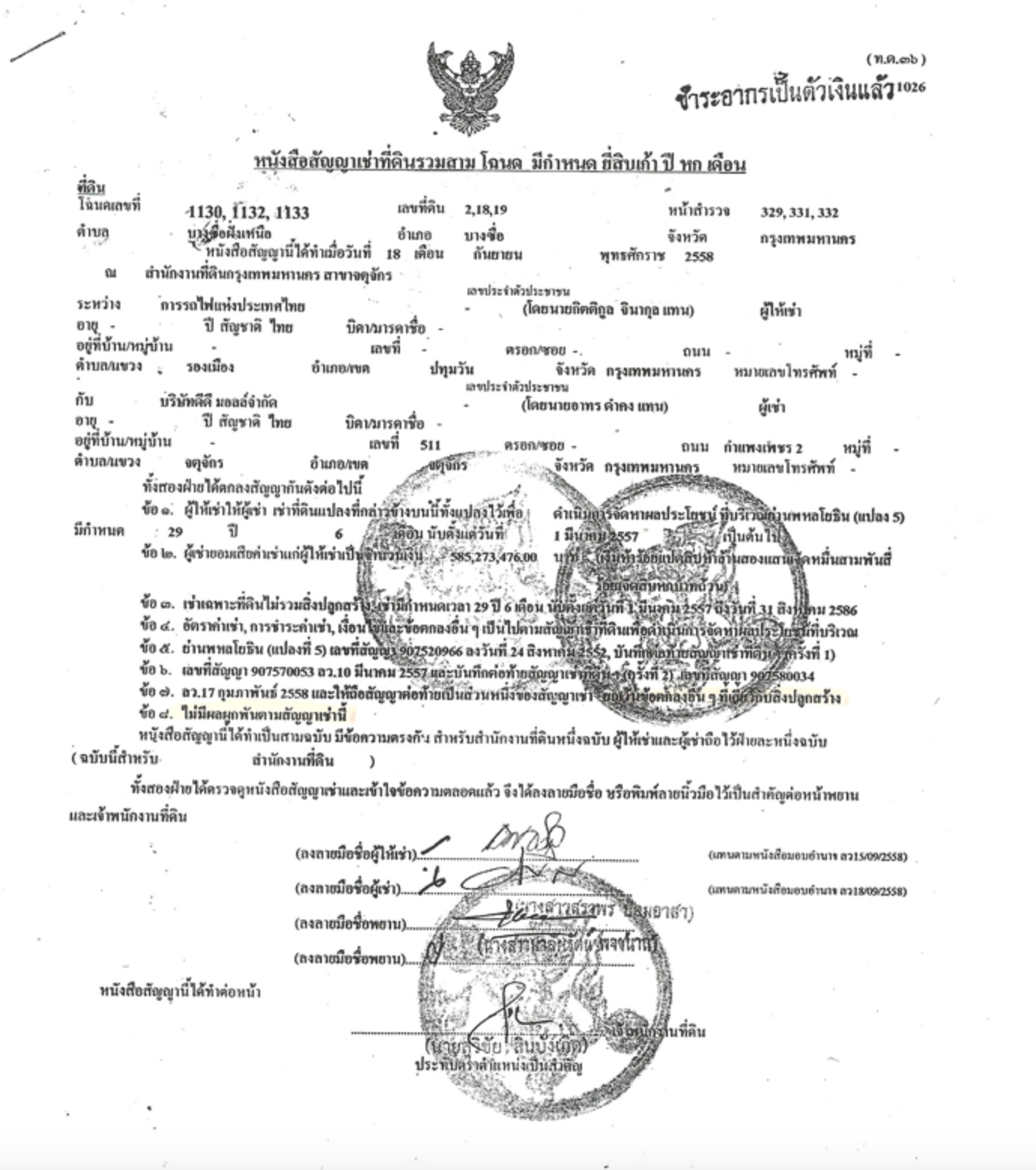
As you can see in the image above, this standard lease form includes only six basic clauses, written in Thai. It includes standard terms like lease duration, payment, and cancellation. However, it does not cover important protections for the lessee, especially for foreigners leasing property in Thailand long-term.
Here’s a simple translation of the six clauses that appear on the official form:
- The lessee agrees to lease the land as specified for a total of 29 years and 6 months.
- The lessee has paid the full rental fee totaling 585,273.46 baht. (yes, it is a big contract!)
- The lessee agrees not to request any compensation if the lease is terminated or interrupted before its end.
- This lease ends on May 31, 2586 BE (2043 CE).
- This lease was signed and registered on December 18, 2557 BE (2014 CE).
- This lease cannot be transferred, renewed, or inherited unless otherwise agreed.
That’s it.
These basic clauses may meet registration requirements, but they do not fully protect your rights. This is especially true if you are investing in a long-term lease of a home or land.
How a Law Firm Adds Protection to Your Lease
A good law firm can create an extra lease agreement. This is sometimes called a lease addendum or supporting contract. It includes more detailed and legally valid protections. This private agreement can be attached to the government form and signed at the time of registration. Here’s what can be included:
✅ Clauses that Benefit the Lessee:
- Pledge of the Title Deed: The lessee can keep the original land title deed (Chanote) for the term. This does not affect the validity of the lease, which rests on its registration, but a sale or mortgage at the Land Office needs the deed, so holding it makes a dealing behind your back harder.
- Ban on Selling or Mortgaging the Land: You can include a covenant that the lessor will not sell or mortgage the property without your written consent. It cannot stop a sale the Land Office registers, but breaching it gives you a claim for damages, and your registered lease survives a sale in any case (Section 569).
- Inheritance Clauses: Thai law usually ends the lease when the lessee dies. However, a good agreement can include options for co-lessees. It can also allow sublease rights or make it easier for heirs to talk with the lessor.
- Restrictions on Use: You can specify how the land can be used. It can be for homes, businesses, or other purposes. This gives you peace of mind that the lessor cannot challenge your usage.
- Termination Conditions: Protect yourself by clearly stating when the lessor can end the lease. For example, this could be due to a breach of contract. Also, include what compensation or time frame applies.
- Avoiding Automatic Renewals: Since Supreme Court Decision 4655/2566, renewals stacked from the start to run past 30 years are void, and any other renewal promise is contractual: it binds the landowner who made it and the landowner’s heirs (Supreme Court Decision 4872/2539), but not a later buyer of the land unless the buyer agrees to take it on (6763/2541). A lawyer can structure the lease with conditional renewals or clear re-signing procedures that comply with Thai law.
FAQs about Lease Agreement in Thailand
Can a lease agreement be written in a language other than Thai?
Yes. Section 538 of the Civil and Commercial Code requires written evidence signed by the party liable, and registration where the term is more than three years, but it does not require any particular language, and a bilingual lease is normal. What is in Thai is the one-page instrument the Land Office registers, which is on the Department’s own Thai form, and Thai courts conduct their proceedings in Thai, so a Thai text is needed in practice. Which version governs is a matter for the contract itself, so a bilingual lease should say in terms which language prevails.
What happens at the end of the lease term in Thailand?
At the end of the lease, you must leave the property unless you have agreed to a lease renewal. If the lease cannot be renewed, the tenant is expected to leave the premises.
Can foreigners lease land in Thailand?
Foreigners can lease land in Thailand for a maximum of 30 years, with the possibility of renewal. The land lease agreement must follow Thai tenancy laws and be registered with the land department to ensure compliance. It must also be registered with the Thailand Land Department if it lasts more than three years.
What legal protections are in place for tenants under Thai lease laws?
Thai lease laws offer several protections for tenants, including the requirement that the lease agreement be fair and transparent. The lease document must clearly outline the responsibilities of both parties and be enforceable in a court of law.
What is the typical security deposit amount in Thailand?
In Thailand, the usual security deposit for a rental lease is two months’ rent. This is often paid with one month’s rent in advance. So, the total upfront payment is three months’ rent.
Who is responsible for repairs in a standard Thai lease?
In a typical Thai lease, the tenant usually takes care of small repairs and regular maintenance. The landlord is responsible for major issues like plumbing, roofing, or electrical systems, unless the lease says otherwise.
Need Help Drafting or Reviewing a Lease Agreement in Thailand?
Remember that templates you download from the Internet may not be current. They are not personalized and can be risky. Are you investing a lot of money on a property? Protect yourself and this is the right thing to do. At ThaiLawOnline, we’ve helped hundreds of expats and Thai nationals structure secure, enforceable leases across Thailand. Need a watertight Thai lease? Our bilingual team drafts and registers a Thai lease for 4,900 baht, plus any additional documents your situation calls for. Book a video consult or email info@thailawonline.com today. Of course, we can provide our contracts in .PDF or Word files, easy to download. Stay safe and follow Thai Law.
Links:
🚩 Member tool: Check your Thai lease for red flags · ตรวจสัญญาเช่าสำหรับสมาชิก
Before you sign, paste your lease into our AI lease scanner. It checks deposit terms, termination clauses, repair obligations, renewal promises and registration against the actual Civil and Commercial Code, and tells you which section of the law each problem comes from.
Included with Silver membership, THB 1,490 for the year, less than the cost of one lawyer consultation, and it also covers the template library and member-only guides. Gold (THB 5,800) adds a lawyer review of your actual documents.
ก่อนเซ็นสัญญาเช่า ใช้เครื่องมือตรวจสัญญาเช่าด้วย AI ของเรา ตรวจสอบเงินประกัน การบอกเลิกสัญญา ค่าซ่อมแซม และการจดทะเบียน เทียบกับประมวลกฎหมายแพ่งและพาณิชย์ รวมอยู่ในสมาชิก Silver ปีละ 1,490 บาท
Go Deeper: Our Complete Lease Series
Our fee for a Thai lease
| Service | Fixed fee | What is included | Timeline |
|---|---|---|---|
| Property lease agreement | 4,900 THB | Bilingual lease specific to your property, advice on lease vs usufruct vs superficies, Dika 4655/2566 compliance, Land Office registration guidance. | 3 to 5 business days |
Government disbursements are charged at cost unless the service says they are included.
Book a consultation Answer within 24 hours EN · FR · TH
These fees come from one source and are the same everywhere on this site. See all our fees.
Try it yourself first, free
You do not have to book anything to get started. These run in your browser, and you only pay us if you decide you want a lawyer involved.
Lease Red-Flag Scanner Free
Paste your Thai lease. We check it against the five clauses that most often cause trouble.
Open the toolLegal Document Maker Gold members
Ten bilingual documents from a guided questionnaire, in the firm's own wording.
Open the toolAsk our AI assistant Free
Trained on Thai law and 77,000+ Supreme Court decisions. Ask anything, free.
Thai Law Updates, free by email
Plain-English updates on Thai law changes that affect foreigners: property, visas, marriage, business and wills. One short email a month from a firm practicing since 2006. No spam, unsubscribe anytime.