Last updated on April 12, 2026
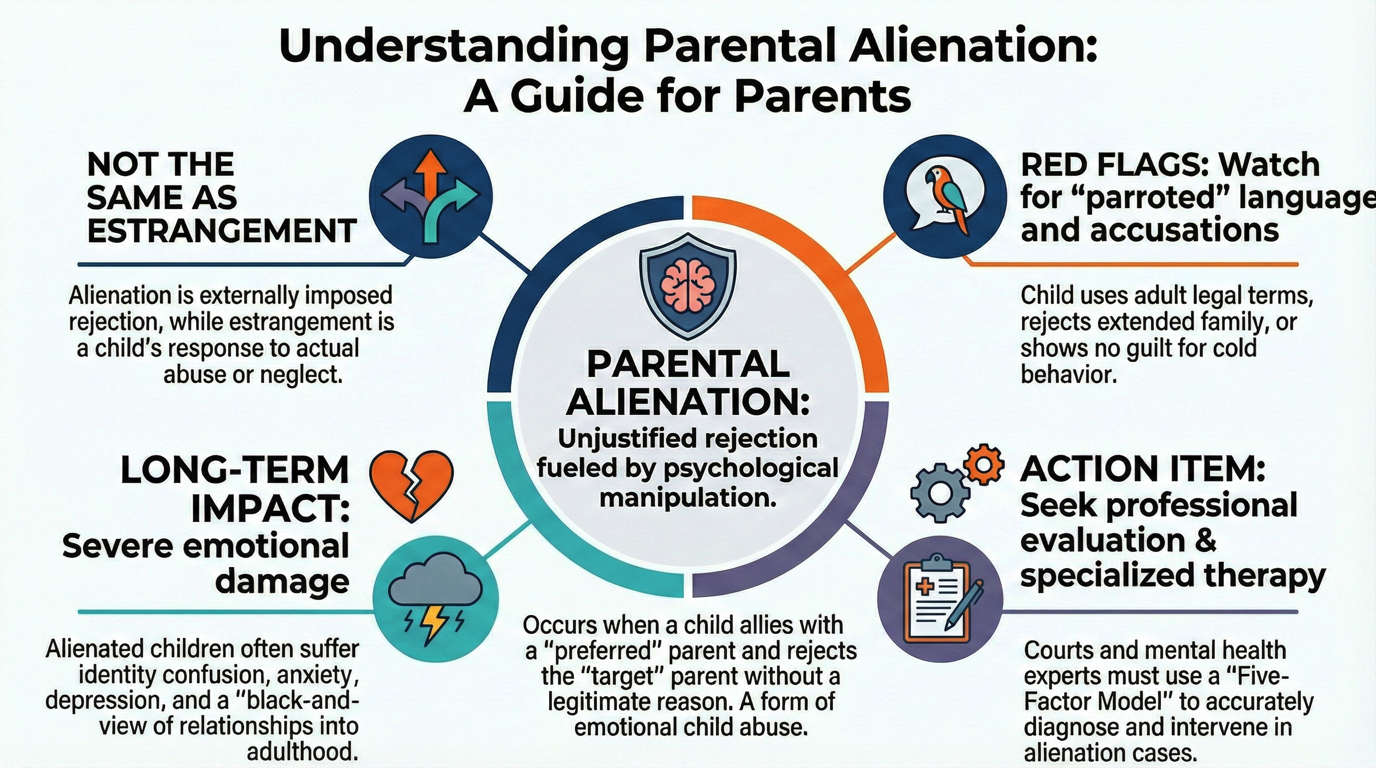
Parental alienation syndrome in Thailand (also known as “PAS”) or other countries is a type of emotional child abuse. It can seriously harm both the child and the parent who is being alienated. It occurs when one parent manipulates their child’s emotions to distance them from the other parent. It occurs typically after a divorce or separation. The effects of Parental Alienation Syndrome in Thailand can last well into adulthood. It may also lead to long-lasting psychological trauma. It’s important to know what it is, how it happens, and how to protect children from it.
Table of Contents
What Is Parental Alienation Syndrome?
Addressing Parental Alienation Syndrome in Thailand should involve open dialogue and a commitment to co-parenting strategies that prioritize the child’s interests. Parents need to recognize the signs of Parental Alienation Syndrome in Thailand to intervene effectively.
Parental Alienation Syndrome (PAS) is a type of emotional child abuse that occurs when one parent manipulates their child’s emotions to distance them from the other parent. This form of psychological abuse typically arises following divorce or separation, when a custodial parent — intentionally or unconsciously — engages in behaviors designed to destroy the child’s relationship with the other parent.
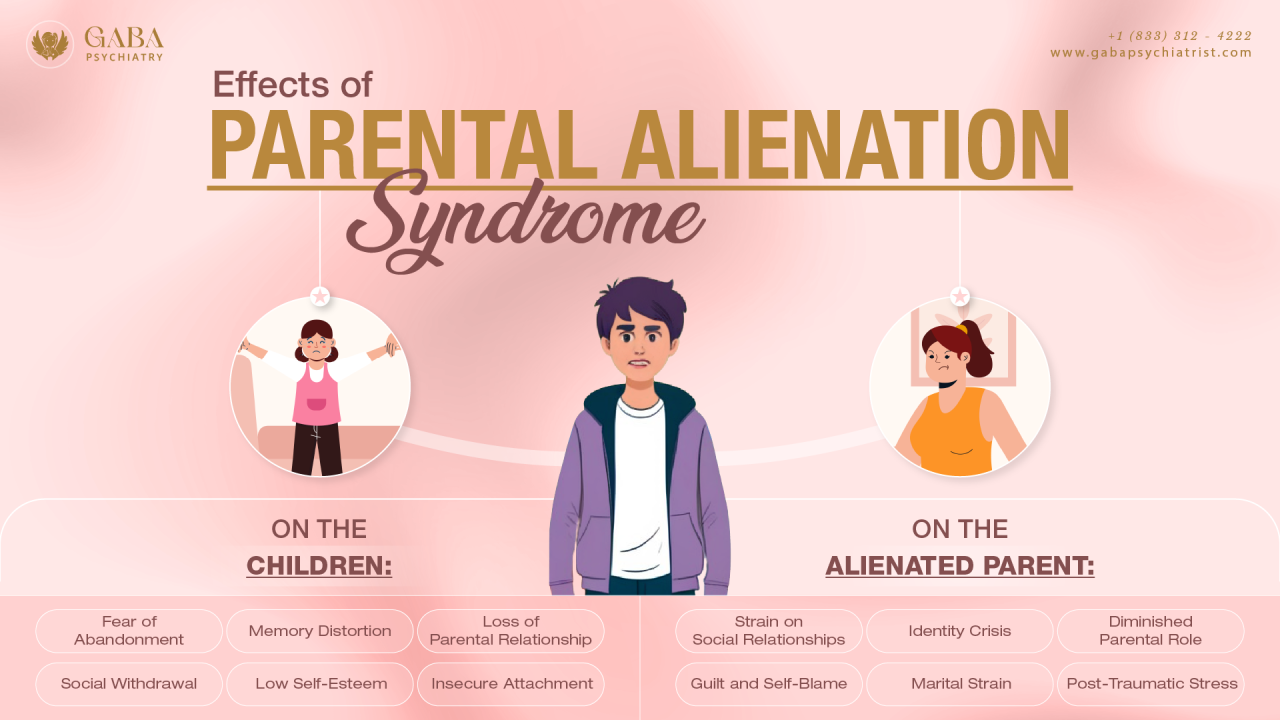
The effects of parental alienation can be devastating. Children subjected to alienating behavior may develop anxiety, depression, low self-esteem, difficulty forming healthy relationships, and long-lasting psychological trauma that extends well into adulthood. For the targeted parent, the experience is equally devastating — watching their child turn against them without understanding why.
While the psychological impact of parental alienation is well-documented internationally, Thailand’s legal system approaches this issue differently. Thai courts do not recognize PAS as a legal concept or medical diagnosis. Instead, Thai family law provides specific mechanisms — including custody modification (Section 1521 CCC) and revocation of parental authority (Section 1582 CCC) — to address parental conduct that harms a child’s welfare. Understanding these legal tools is essential for any parent seeking to protect their relationship with their child in Thailand.
The Origin and Evolution of Parental Alienation Syndrome
The concept of “Parental Alienation Syndrome” (PAS) was not initially established by a supreme court of a country. It was rather coined in 1985 by Dr. Richard A. Gardner, an American child psychiatrist. While the earliest legal literature describing alienating behaviors dates back to an 1804 English case (De Manneville v. De Manneville), Gardner’s formal thesis emerged in the United States during the 1970s and 1980s. During this time, family courts shifted from the “tender-years” doctrine — which presumed mothers were inherently superior caregivers — to the gender-neutral “best-interests-of-the-child” standard and joint custody models.
Gardner posited that this shift led to a surge in bitter custody litigation, during which one parent would “brainwash” or program the child to wage an unjustified campaign of denigration and hatred against the other parent. Although PAS has been cited in various family courts globally, its admissibility has been widely challenged; for example, the Court of Appeal in the United Kingdom has rejected its admissibility, and numerous U.S. appellate courts have debated its scientific validity without a unified Supreme Court ruling endorsing it.
Over time, the concept has evolved from Gardner’s strict medical “syndrome” label to a broader understanding of “parental alienation” (PA) and “resist-refuse dynamics”. Modern psychological and legal professionals often reject the narrow PAS model because it overly simplifies the issue by blaming only one parent for a child’s rejection. Today, the actual thesis recognizes that when a child refuses contact with a parent, it is typically a complex, multi-factored issue.
While true parental alienation involves one parent intentionally using coercive control and psychological manipulation to destroy the child’s relationship with the targeted parent, a child’s rejection can also stem from legitimate “estrangement” (due to actual abuse, neglect, or poor parenting by the rejected parent), the child’s own vulnerabilities, or the extreme stress of the litigation process. Consequently, the focus has shifted toward identifying specific “parental alienating behaviors” rather than diagnosing a medical syndrome.
Why Parental Alienation Syndrome Remains Controversial
Today, the concept remains highly controversial and is fraught with systemic problems. Neither the American Psychiatric Association’s DSM-5 nor the World Health Organization’s ICD-11 recognizes parental alienation as a standalone psychiatric disorder.
A major problem is that parental alienation accusations are frequently weaponized in family courts, often by abusive parents attempting to deflect legitimate allegations of domestic violence or child sexual abuse. Critics and domestic violence advocates highlight that the label has been used to discredit protective parents — disproportionately mothers — resulting in dangerous custody reversals where children are placed into the care of their abusers or forced into traumatizing “reunification camps”.
In response to tragedies resulting from these court decisions, legislation like “Kayden’s Law” has recently been enacted in several U.S. states to restrict the use of unproven reunification therapies and ensure courts prioritize child safety and evidence of past abuse over claims of alienation.
This global controversy underscores why Thai courts take a different — and arguably more practical — approach. Rather than engaging with the PAS debate, Thai family courts Focus on what a parent can do to ensure the well-being of their child during custody proceedings. did or failed to do, evaluated against the concrete standard of the child’s welfare.
Education on Parental Alienation Syndrome in Thailand can empower parents to make informed decisions about custody and visitation rights.
A Critical Note: “Parental Alienation” Is Not Recognized in Thai Law
It is important to understand from the outset that Thai law does not recognize “Parental Alienation Syndrome” (PAS) as a legal doctrine or medical diagnosis. Unlike certain jurisdictions in the United States, Canada, or Europe where PAS has gained traction in custody proceedings, Thai family courts do not apply this concept when deciding custody disputes.
This does not mean that Thai law leaves you without remedies. On the contrary, Thailand’s Civil and Commercial Code (CCC) provides robust mechanisms for modifying custody arrangements and even revoking parental authority when a parent engages in misconduct. This includes behavior that Western practitioners might classify as “parental alienation”.
The key difference is in the framing: Thai courts evaluate parental conduct through the lens of the child’s welfare and parental fitness, not through the lens of alienation theory. Understanding this distinction is critical for any parent — especially a foreign parent — seeking legal protection in Thailand.
What Thai Law Actually Says: The Legal Framework
Thai custody law is governed by Book V (Family) of the Civil and Commercial Code, specifically Sections 1520 through 1598/37. The framework operates on a simple principle: the best interest of the child comes first.
Thai courts address Parental Alienation Syndrome in Thailand through these key provisions of the Civil and Commercial Code:
| CCC Provision | What It Does: It provides a framework for mediation and dispute resolution in custody cases. |
|---|---|
| Section 1520 | After divorceThe court decides which parent exercises parental authority based on the child’s welfare and the consideration of both parents’ involvement. |
| Section 1521 | Allows the court to change custodial arrangements when circumstances change — the primary remedy for alienating behavior |
| Section 1566 | Lists who holds parental authority (both parents during marriage, one parent after divorce) under the child custody laws. |
| Section 1567 | Defines the scope of parental authority — residence, discipline, age-appropriate work, and reclaiming a child from unlawful detention |
| Section 1582 | Allows complete revocation of parental authority for abuse, gross misconduct, neglect, or unfitness — the most severe remedy |
| Section 1584/1 | Protects the non-custodial parent’s right to visit and maintain a relationship with the child |
Section 1520 CCC — Custody on Divorce
When parents divorce, the court must decide which parent will exercise custody. If the parents reach an agreement, the court will generally respect it. If they cannot agree, the court decides based on the child’s welfare. Importantly, Section 1520 also provides that the court may award custody to a third party if neither parent is suitable — a powerful provision that underscores how seriously Thai law treats parental fitness.
Section 1521 CCC — Modification of Custody Arrangements
This is often the most relevant provision for parents dealing with alienating behavior. Section 1521 allows the court to change an existing custody arrangement when circumstances have materially changed since the original order. A parent who is being denied access, or whose child is being turned against them by the custodial parent, may petition under Section 1521 to have custody modified.
The threshold is a consideration for determining the best interests of the child in custody cases. change of circumstances — you must demonstrate that conditions have shifted since the original order was made. Examples include: the custodial parent repeatedly blocking visitation, relocating the child without consent, or systematically undermining the child’s relationship with the other parent.
Section 1582 CCC — Revocation of Parental Authority
This is the most severe remedy available. Section 1582 allows the court to completely revoke a parent’s parental authority when that parent has abused their parental power, engaged in gross misconduct, grossly neglected their parental duties, or demonstrated unfitness as a parent.
Revocation under Section 1582 is not the same as modification under Section 1521. Modification changes who exercises custody; revocation strips a parent of their legal authority entirely. Courts reserve Section 1582 for serious cases — abandonment, abuse, criminal conduct, or persistent and egregious failure to perform parental duties.
For foreign parents: Do not confuse these two remedies. If your ex-spouse is badmouthing you to your child, that alone is unlikely to trigger revocation under Section 1582. However, if they are systematically denying court-ordered access, concealing the child’s location, or interfering with the child’s schooling, a petition under Section 1521 for custody modification — supported by concrete evidence — may be appropriate. Consult a child custody lawyer in Bangkok before deciding which route to pursue.
How Thai Courts Evaluate Parental Misconduct in Custody Disputes
Thai courts do not use the term “parental alienation.” Instead, they assess whether a parent’s conduct serves or harms the child’s welfare. When the Supreme Court of Thailand (ศาลฎีกา) reviews custody disputes, it consistently focuses on several factors:
1. The Child’s Physical and Emotional Wellbeing
The court examines who has been the child’s primary caregiver, whether the child is healthy and thriving, and whether the child’s emotional needs are being met. A parent who creates an environment of hostility or anxiety — for example, by constantly disparaging the other parent in front of the child — may be viewed as failing to provide emotional stability.
2. Stability and Continuity
Thai courts are conservative and generally prefer to maintain the status quo unless there is a compelling reason to change it. If a child has been living with one parent and is stable in their school and social environment, courts are reluctant to uproot them. This means that a parent seeking to change custody must present strong evidence that the current arrangement is harming the child.
3. The Parent’s Conduct and Cooperation
Courts look favorably on the parent who facilitates — rather than obstructs — the child’s relationship with the other parent. A custodial parent who repeatedly denies visitation, speaks negatively about the other parent to the child, or makes unilateral decisions about the child’s life without consulting the other parent may be seen as failing to act in the child’s best interest.
4. The Parent’s Fitness and Lifestyle
This includes financial stability, moral character, living conditions, and the presence of other household members. Courts will consider whether a parent’s lifestyle or personal conduct creates risks for the child.
Thai Supreme Court Decisions on Parental Alienation
While Thai law does not yet recognise “parental alienation syndrome” as a standalone legal doctrine, the Supreme Court (ศาลฎีกา) has repeatedly addressed the underlying behaviour — blocking contact, manipulating custody, and speaking ill of a co-parent — through existing provisions of the Civil and Commercial Code on parental authority (อำนาจปกครอง) and the best interest of the child (ประโยชน์สูงสุดของเด็ก). The following landmark decisions illustrate how Thai courts protect children and alienated parents.
Blocking a Parent From Seeing Their Child — Supreme Court Decision No. 819/2546 (2003)
In this case, a mother left an abusive household with her child. The father’s family then tricked the child away and systematically prevented the mother from having any contact. Despite being blocked at every turn, the mother never stopped trying — she even followed the father to a hospital vaccination appointment, where the father physically assaulted her.
The Supreme Court awarded the mother sole parental authority, noting her “great love for the child” (ความรักอันยิ่งใหญ่ที่โจทก์มีต่อบุตรผู้เยาว์) and the fact that “even though the plaintiff was blocked from seeing the child, she never gave up trying.” The Court found that the father could not care for the child himself and had been leaving the child with relatives.
Key takeaway: Thai courts view a parent who obstructs contact as exercising parental authority improperly — and this can be grounds for transferring custody entirely.
Changed Circumstances Can Override a Custody Agreement — Supreme Court Decision No. 448/2546 (2003)
A mother who had agreed to give the father custody during divorce later sought to regain parental authority. The father had placed the twin boys with his own mother in another province while the father lived elsewhere. The mother alleged the father and his family obstructed her visits. She eventually took the children and raised them successfully for five years, enrolling them in school and providing stable care.
The Supreme Court reversed the lower courts and transferred parental authority to the mother, applying the “welfare and best interest of the child” standard (ความผาสุกและประโยชน์ของบุตร) under Sections 1520–1521. The Court reasoned that circumstances had materially changed — disrupting the children’s now-stable life with the mother would cause harm.
Key takeaway: Even if a divorce agreement grants one parent custody, Thai courts can and will reassign parental authority when the child’s best interest demands it under Section 1521 of the Civil and Commercial Code.
Anti-Alienation Clauses in Court Settlements — Supreme Court Decision No. 7547/2561 (2018, Full Bench)
After a mediated divorce settlement gave the mother sole custody, she unilaterally changed the child’s surname from the father’s to her own — without the father’s knowledge or consent. The father petitioned the court to restore it.
In a Full Bench (ประชุมใหญ่) decision, the Supreme Court ruled the surname change was improper. Changing a child’s name is not among the rights of a custodial parent under Section 1567. More significantly, the original settlement agreement had included an explicit anti-alienation clause: “both parties are prohibited from speaking ill of each other” (ห้ามคู่ความทั้งสองฝ่ายว่ากล่าวให้ร้ายแก่กัน). The Court ordered the father’s surname added back, emphasising it served “the welfare and good relationship between father and child.”
Key takeaway: Thai courts actively enforce anti-alienation provisions in custody agreements. If you are negotiating a divorce settlement, insist on a mutual non-disparagement clause — it carries real legal weight.
When Parents Weaponise Custody — Supreme Court Decision No. 2998/2565 (2022)
This highly contentious case between two medical doctors featured an extraordinarily detailed settlement agreement: joint custody, alternating weekly handovers at a specific department store, precise school-holiday schedules, and prohibitions against badmouthing each other. Despite all of this, one parent repeatedly violated court orders by refusing to hand over the children.
The Supreme Court ultimately split custody — one child to each parent (Decision No. 1781/2565), illustrating that when both parents weaponise the process, the Court will intervene decisively. Temporary custody orders from lower courts were vacated to align with the final ruling.
Key takeaway: Refusing to comply with court-ordered custody arrangements is taken very seriously and may lead to further legal procedures. The Court will restructure custody entirely if a parent persistently obstructs the other’s access.
International Custody and the Best Interest Standard — Supreme Court Decision No. 3902/2568 (2025)
A Belgian father sought sole custody and revocation of the Thai mother’s parental authority, along with orders for the mother to sign documents granting the children Belgian citizenship. The case demonstrates that cross-border custody disputes follow the same “best interest of the child” framework as domestic cases. While this particular case was dismissed as moot when the father passed away during proceedings, the lower courts had already ordered the mother to cooperate on nationality documentation — a significant point for foreign parents.
Key takeaway: Foreign parents have standing to petition Thai courts for custody changes and nationality-related orders. The courts apply the same child-centred standard regardless of the parent’s nationality. Learn more about father’s rights in Thailand.
Additional Procedural Decisions
ฎีกาที่ 4323/2540 (1997): The court exercised its power under Section 1582 to revoke parental authority on its own initiative (ศาลสั่งเองได้) where a mother had abandoned her child at approximately one year old and did not return, raising serious concerns under the child protection act. The court appointed the person who had actually been raising the child as guardian — confirming that persistent failure to perform parental duties is grounds for revocation.
ฎีกาที่ 4681/2552 (2009): This decision highlights the importance of mediation in resolving custody disputes. The Supreme Court affirmed the court’s power to change parental authority under Section 1521 (read together with Section 1566(5)), confirming that post-divorce custody arrangements — even those agreed upon between the parties — can be revised when circumstances change.
ฎีกาที่ 6155/2540 (1997): This decision addressed jurisdictional rules for custody disputes arising from divorce agreements registered at a district office — a reminder that choosing the correct court is a threshold issue.
ฎีกาที่ 3772/2565 (2022): A new custody petition is not barred as a “repeat claim” (ฟ้องซ้ำ) when the earlier case ended by compromise without a substantive ruling on the merits. Parents retain the right to bring fresh petitions based on current circumstances.
ฎีกาที่ 1616/2518 (1975): Even where the father normally holds parental authority, the court left a two-year-old child with the mother, reasoning that a very young child’s need for stability and maternal warmth outweighed the father’s custodial claim — preserving the modification pathway under Section 1521.
These decisions, taken together, paint a clear picture: Thai courts have the tools and the willingness to address parental conduct that harms a child’s relationship with the other parent. The key is presenting concrete, documented evidence — not psychological theories.
Criminal Dimensions: When Alienation Crosses Into Abduction
Many foreign parents ask whether Thailand’s criminal law offers protection against parental alienation. The answer requires precision.
Sections 317–319 of the Thai Criminal Code address the offence of “taking away” a minor (พรากผู้เยาว์). However, these provisions are designed for situations involving the physical removal or concealment of a child — not psychological manipulation.
- Section 317 criminalizes taking a child under 15 away from their parent or guardian without consent.
- Section 318 covers leading or enticing a child aged 15–18 away from their parent or guardian.
- Section 319 addresses taking away a minor for indecent purposes (a more serious offence).
What this means in practice: If a custodial parent physically relocates the child to another province or country without the other parent’s consent, or conceals the child’s whereabouts in defiance of a court order, Sections 317–319 may apply. Police and prosecutors can act on this basis. For more on this topic, see our article on child abduction in Thailand.
However, these provisions do not cover psychological alienation. A parent who speaks negatively about the other parent, discourages phone calls, or subtly undermines the child’s affection is not committing an offence under Sections 317–319 — because there is no physical taking or concealment.
Practical takeaway: Do not rely on criminal law as your primary strategy for addressing alienating behavior. The criminal route is appropriate only when the child has been physically removed or hidden. For all other situations, the civil remedy is petitioning for custody modification under Section 1521 CCC . That’s the correct legal avenue.
Practical Guidance for Foreign Parents in Thailand
If you are a foreign parent dealing with behavior that resembles parental alienation, here is what you need to know:
1. Thai Courts Require Concrete Evidence, Not Theories
Do not walk into a Thai courtroom and argue “parental alienation syndrome.” The judge will not be familiar with the concept, and it may undermine your credibility. Instead, focus on specific, documented conduct: dates your visitation was denied, evidence of school enrollment changes made without your knowledge, screenshots of messages showing the other parent instructing the child not to speak with you, and witness statements from teachers, neighbors, or family members. The mother in Supreme Court Decision 819/2546 won precisely because she could demonstrate persistent, documented efforts to see her child despite being blocked.
2. Include an Anti-Alienation Clause in Your Settlement
Supreme Court Decisions 7547/2561 and 2998/2565 confirm that Thai courts enforce “no badmouthing” provisions in divorce and custody agreements. If you are negotiating a divorce settlement or custody arrangement, insist on including a clause that prohibits either parent from disparaging the other in front of the child. If the other parent later violates this clause, you have a court-enforceable basis for seeking modification.
3. Changed Circumstances Are Your Legal Basis
Under Section 1521 CCC, you do not need to prove the original custody agreement was wrong — only that circumstances have materially changed and the child’s welfare now requires a different arrangement (Decision 448/2546). Alienating behavior that develops after a custody order is made — such as blocking access, relocating the child, or coaching the child against you — constitutes a change of circumstances.
4. Non-Compliance Has Real Consequences
If your co-parent refuses to follow custody orders, the court can and will reassign parental authority entirely (Decision 2998/2565). Document every instance of non-compliance. These records form the foundation of a modification petition under Section 1521 — or, in extreme cases, a revocation petition under Section 1582.
5. Obtain a Court Order Early
If you are separated but do not yet have a formal custody order, you are in a vulnerable position. Without a court order, there is no legal mechanism to enforce visitation. The custodial parent (often the mother, by default under Thai law for children born outside marriage per Section 1546 CCC) has no obligation to allow access. Get a court order as early as possible. A child custody lawyer in Bangkok can help you initiate this process.
6. Foreign Parents Have Equal Standing
Supreme Court Decisions 3902/2568 and 2199/2561 confirm that nationality does not diminish a parent’s rights in Thai family courts, particularly in child custody laws. If you are an expatriate parent, do not assume the court will automatically favor a Thai mother over a foreign father in matters of child custody in Thailand. The law applies equally, and the court’s sole focus is the welfare of the child. Read more about father’s rights in Thailand.
Legal actions regarding Parental Alienation Syndrome in Thailand remain sensitive and require careful handling to ensure the child’s emotional safety.
7. Document Everything
Thai courts rely heavily on documentary evidence. Keep records of every denied visit, every unanswered phone call, every unilateral decision made about the child. Photographs, LINE/WhatsApp messages, school records, medical records — all of these can support your case. The more specific and timestamped your evidence, the stronger your petition.
8. Be the Cooperative Parent
Courts look favorably on the parent who facilitates — rather than obstructs — the child’s relationship with both parents. If you are seen as the reasonable, cooperative parent while the other parent is blocking access, this disparity works powerfully in your favor under Section 1521.
Building Your Case: Evidence That Thai Courts Accept
To succeed in a custody modification petition under Section 1521 CCC, you must demonstrate a material change of circumstances. Here are the types of evidence Thai courts consider persuasive:
Direct Evidence of Obstruction
Documented instances where the custodial parent refused court-ordered visitation, records showing the child was not made available at agreed times, evidence of the child being taken to a different location during scheduled visits.
Communication Evidence
Screenshots of messages (LINE, WhatsApp, SMS) showing the custodial parent discouraging the child from contacting the other parent, evidence of blocked phone numbers, recordings (where legally obtained) of the custodial parent making disparaging remarks.
Institutional Records
School enrollment changes made without the non-custodial parent’s knowledge, medical decisions taken without consultation, evidence that the custodial parent provided false information to schools or hospitals about the other parent’s status.
Witness Testimony
Statements from teachers who observed changes in the child’s behavior or attitude toward a parent, testimony from family members or mutual friends, professional assessments from child psychologists (while PAS itself is not recognized, a psychologist’s observation that a child has been coached or influenced is admissible evidence).
Evidence of Relocation or Concealment
Any evidence that the custodial parent moved the child to a new address without informing the other parent, changed the child’s school without consent, or made plans to leave the country with the child. See also: child abduction in Thailand.
Important: Thailand’s privacy and recording laws apply. Ensure that any evidence you gather is obtained lawfully, especially in the context of international child abduction cases. Illegally obtained recordings may be inadmissible and could expose you to criminal liability. Always consult with your lawyer before conducting any form of surveillance or recording.
Preventing Parental Alienation in Thailand: 8 Practical Steps
While the legal remedies described above provide recourse when alienation has already occurred, prevention is always preferable. Here are eight practical steps every parent should take:
a) Encourage Open Communication
Create a safe space where your child feels comfortable expressing their feelings about both parents. Listen without judgment and validate their emotions. Children caught between parents need to know it is okay to love both.
Preventing Parental Alienation Syndrome in Thailand
b) Avoid Negative Talk
Never speak negatively about the other parent in front of your child, regardless of how you feel. Children internalize these remarks and suffer emotionally. Remember that Supreme Court Decision 7547/2561 confirms that Thai courts enforce “no badmouthing” clauses — set the standard yourself.
c) Co-Parent Positively
Work with the other parent to make decisions that benefit your child. Cooperation demonstrates to the court — and more importantly to your child — that you prioritize their welfare. If direct communication is difficult, consider using a structured co-parenting app or mediator.
d) Seek Professional Help
If you suspect alienating behavior, consult both a family lawyer and a child psychologist. A psychologist can document the child’s emotional state and provide professional observations that carry weight in court, even though PAS itself is not recognized as a diagnosis in Thailand.
e) Educate Yourself and Others
Understanding Thai family law and the dynamics of parental alienation helps you recognize early warning signs and respond effectively. Share this knowledge with family members and caregivers involved in your child’s life.
f) Respect Parenting Time
If you are the custodial parent, scrupulously respect the other parent’s access schedule. Section 1584/1 CCC protects the non-custodial parent’s right to visit and maintain a relationship with the child. Obstruction can lead to custody modification under Section 1521.
g) Promote Family Activities
Encourage your child to maintain relationships with both sides of the family. Grandparents, aunts, uncles, and cousins provide essential emotional support. Cutting a child off from their extended family is detrimental and compounds the harm of alienation, affecting their overall well-being.
h) Set a Positive Example
Your child watches how you handle conflict, stress, and the divorce process. Model respectful behavior, emotional regulation, and constructive problem-solving. This not only helps your child’s emotional development but also positions you favorably in any future court proceedings.
Frequently Asked Questions About Parental Alienation in Thailand
Is parental alienation syndrome in Thailand recognized by courts?
No. Thai courts do not recognize “Parental Alienation Syndrome” (PAS) as a legal doctrine or medical diagnosis. However, Thai family law provides effective remedies for the underlying behaviors. It includes custody modification under Section 1521 CCC and revocation of parental authority under Section 1582 CCC. The focus is on the parent’s conduct and the child’s welfare, not on psychological theories.
Can I change custody if my ex is turning my child against me in Thailand?
Yes. Under Section 1521 of the Thai Civil and Commercial Code, you can petition the court to modify custody arrangements when circumstances have materially changed. Alienating behavior such as blocking visitation, coaching the child to reject you, or making unilateral decisions about the child’s life. These can constitutes a change of circumstances. Supreme Court Decision 819/2546 confirmed that documented evidence of being denied access is strong grounds for modification.
Do foreign fathers have equal custody rights in Thai courts?
Yes. Thai Supreme Court Decisions 3902/2568 (2025) and 2199/2561 (2018) expressly confirm that nationality does not diminish a parent’s rights. Foreign parents have equal standing to petition for custody, modification, or enforcement of custody orders. The court’s sole focus is the best interest of the child. Learn more about father’s rights in Thailand.
What is the difference between Section 1521 and Section 1582 CCC?
Section 1521 allows the court to modify custody arrangements — changing which parent has custody when circumstances have changed. Section 1582 allows the court to completely revoke a parent’s parental authority. This applies for serious misconduct such as abuse, abandonment, or gross neglect. Modification (1521) is the more common remedy; revocation (1582) is reserved for extreme cases.
Can Thai courts enforce a “no badmouthing” clause in a divorce agreement?
Yes. Supreme Court Decision 7547/2561 (2018) confirmed that Thai courts will enforce provisions in divorce settlements that prohibit disparaging the other parent in front of the child. Decision 2998/2565 (2022) went further — the court reassigned parental authority entirely when the custodial parent violated such provisions and refused to comply with custody orders.
Is it a criminal offence to alienate a child from the other parent in Thailand?
Not directly. Sections 317–319 of the Thai Criminal Code only cover the physical removal or concealment of a child — not psychological manipulation. A parent who badmouths the other parent or discourages phone contact is not committing a criminal offence. However, if a parent physically relocates the child or conceals their whereabouts without consent, criminal charges may apply. Read more about child abduction laws in Thailand.
What evidence do I need to prove parental alienation in a Thai court?
Thai courts require concrete, documented evidence of specific conduct — not psychological diagnoses. Persuasive evidence includes: screenshots of messages (LINE, WhatsApp) showing obstruction, records of denied visitation with dates and times, school or medical records showing unilateral decisions, witness statements from teachers or family members, and evidence of relocation without consent. All evidence must be obtained lawfully under Thai privacy laws.
Who gets custody of a child born outside marriage in Thailand?
Under Section 1546 CCC, the mother has sole parental authority over a child born outside marriage. The biological father must first legitimize the child — either through registration at the district office with the mother’s consent or through a court order — before he has any legal standing to petition for custody or visitation rights. This makes early legal action especially important for unmarried foreign fathers.
Can I file a new custody petition if my previous case was settled or withdrawn?
Yes. Supreme Court Decision 3772/2565 (2022) held that a new custody petition is not barred as a “repeat claim” (ฟ้องซ้ำ) when the earlier case ended by compromise or withdrawal without a substantive ruling on the merits. You retain the right to bring a fresh petition based on current circumstances.
How much does it cost to file for custody modification in Thailand?
Court filing fees for family cases in Thailand are relatively modest compared to Western jurisdictions. However, total costs depend on legal representation, evidence gathering, translation of documents, and the complexity of the case. Contact a child custody lawyer in Bangkok for a case assessment and fee estimate specific to your situation.
Parental alienation syndrome is a serious problem in Thailand and other countries. It can harm a child’s emotional and mental health for a long time and can even continue well into adulthood. Parents who are going through a separation or divorce should take extra measures to prevent PAS in Thailand. By committing to healthy co-parenting practices, parents areputting the child’s needs first. They should seek out counseling and legal help when necessary. Parents can also stop Parental Alienation Syndrome in Thailand. They can also make sure their children keep good relationships with both parents.