


ตรวจสอบโดย ThaiLawOnline สำนักงานกฎหมายไทยที่ได้รับใบอนุญาตและดำเนินกิจการในประเทศไทยตั้งแต่ปี พ.ศ. 2549 ทนายความผู้รับผิดชอบสำนวน: วิชุดา อรรถเมธากุล, น.ม., ใบอนุญาตให้เป็นทนายความ เลขที่ 3149/2556.
ปรับปรุงล่าสุดเมื่อ
🎧 ฟัง: หลักการดูแลบุตรในประเทศไทย อธิบายโดยละเอียด
กำลังคิดถึงเด็กๆ การดูแล ในประเทศไทย? ก่อนที่คุณจะอ่านรายละเอียดทั้งหมด คุณสามารถฟังคู่มือเสียงสั้นๆ นี้ได้ ซึ่งครอบคลุมพื้นฐานการทำงานของสิทธิในการปกครองบุตรในประเทศไทย โดยเฉพาะสำหรับชาวต่างชาติและครอบครัวที่มีสัญชาติผสม.
การควบคุมดูแลมีปฏิสัมพันธ์กับ การรับรอง, การหย่าร้างและมรดก ทั้งหมดนี้ครอบคลุมอยู่ในภาพรวมของเราเกี่ยวกับ กฎหมายครอบครัวในประเทศไทย.
ตรวจสอบครั้งล่าสุด: 31 สิงหาคม 2026. มาตรา 1520, 1521, 1522, 1526, 1547, 1564, 1566, 1567, 1568, 1571, 1574, 1582, 1598/38, 1598/39 และ 1598/41 แห่ง ประมวลกฎหมายแพ่งและพาณิชย์ ได้รับการตรวจสอบเทียบกับข้อความภาษาไทยในประมวลกฎหมายที่มีการใส่คำอธิบายประกอบของเราเองแต่ละฉบับ. ศาลฎีกา คำพิพากษา/คำสั่ง คดีหมายเลขแดงที่ 1694/2569 ได้อ่านเป็นภาษาไทยโดยตลอดจนเสร็จสิ้นกระบวนการ กระบวนพิจารณาของศาลและแนวปฏิบัติของสำนักงานเขตที่อธิบายไว้ข้างต้นเป็นเพียงแนวปฏิบัติ มิใช่บทบัญญัติแห่งประมวลกฎหมาย และมิได้มีการตรวจสอบความถูกต้องเทียบเคียงกับบทบัญญัติของกฎหมาย.
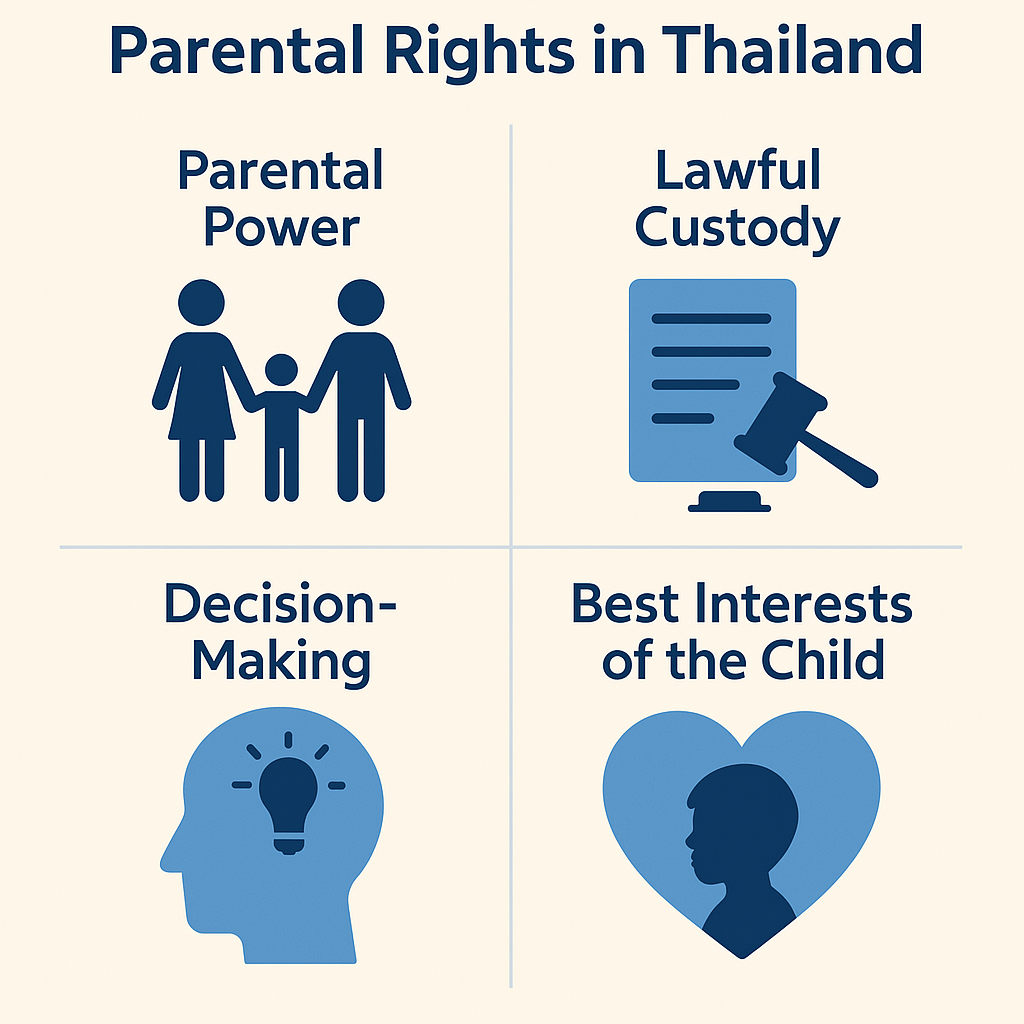
ไม่ว่าคุณจะเป็นชาวต่างชาติที่อาศัยอยู่ในประเทศไทยหรือเป็นพ่อแม่ที่สมรสกับคนไทย การทำความเข้าใจ สิทธิในการดูแลบุตรในประเทศไทย มีความจำเป็นอย่างยิ่ง โดยเฉพาะอย่างยิ่งหากคุณกำลังเผชิญกับ การหย่าร้างในประเทศไทย, การแยกกันอยู่ หรือปัญหาทางกฎหมายเกี่ยวกับคุณ สิทธิของผู้ปกครอง. กฎหมายเกี่ยวกับการดูแลบุตรของไทย มีรากฐานมาจาก ประมวลกฎหมายแพ่งและพาณิชย์, และการตัดสินของศาลนั้นอิงตาม ผลประโยชน์สูงสุดของเด็ก, ไม่ใช่แค่ความต้องการของพ่อแม่เท่านั้น.
บทความต่อไปนี้เขียนร่วมกันโดย นายเซบาสเตียน เอช. บรูสโซ (ปริญญาตรีด้านกฎหมาย, ปริญญาตรีด้านวิทยาศาสตร์ บริหารสำนักงานกฎหมายไทยตั้งแต่ปี 2549) และ คุณวิชชุดา อรรถเมธากร (นิติศาสตร์บัณฑิต, ทนายความและทนายความชาวไทย).
สารบัญ
ขั้นตอนการตัดสินสิทธิ์ในการดูแลบุตรในประเทศไทย
การดูแลบุตรในประเทศไทย สามารถจัดตั้งได้สองวิธี: โดยความเห็นชอบร่วมกัน หรือ โดยคำสั่งศาล. เมื่อพ่อแม่ตกลงกันเรื่องอำนาจปกครองบุตรได้ ทั้งสองฝ่ายสามารถนำข้อตกลงนี้ไปจดทะเบียนได้ที่สำนักงานเขตหรืออำเภอในท้องที่อัมพูร์). โดยปกติสิ่งนี้มักเกิดขึ้นระหว่างการหย่าโดยความยินยอมพร้อมใจทั้งสองฝ่าย ซึ่งเป็นทางเลือกที่ง่ายและประหยัดค่าใช้จ่ายที่สุด.
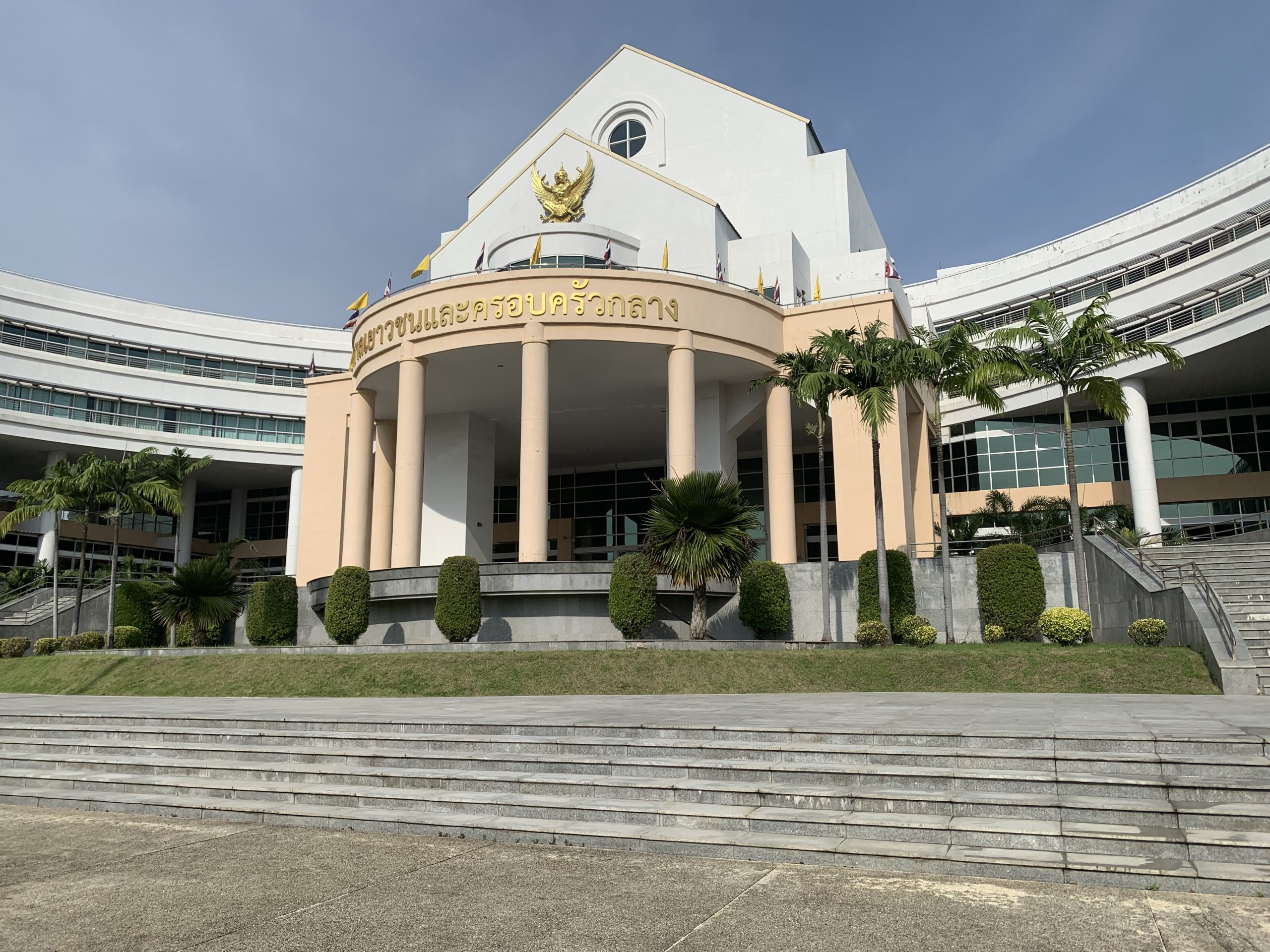
หากตกลงกันไม่ได้ ศาลจะเป็นผู้ตัดสินเรื่องอำนาจปกครองบุตร ศาลเยาวชนและครอบครัว. ศาลจะพิจารณาจากปัจจัยหลายประการเพื่อตัดสินว่าสิ่งใดดีที่สุดสำหรับเด็ก ปัจจัยเหล่านี้รวมถึงอายุของเด็ก ความต้องการทางร่างกายและอารมณ์ และสภาพแวดล้อมในการอยู่อาศัย นอกจากนี้ยังพิจารณาถึงความสามารถด้านการเงินและศีลธรรมของพ่อแม่แต่ละคน ประวัติการใช้ความรุนแรง การละเลย หรือความไม่มั่นคงใดๆ ก็มีความสำคัญเช่นกัน.
เพื่อเตรียมพร้อมสำหรับคดีเกี่ยวกับการดูแลบุตร จำเป็นอย่างยิ่งที่จะต้องรวบรวมหลักฐานต่างๆ เช่น:
- เอกสารทางการเงินที่แสดงให้เห็นถึงความสามารถของคุณในการดูแลบุตร
- เอกสารอ้างอิงเกี่ยวกับคุณลักษณะ หรือคำให้การของพยาน
- หลักฐานแสดงถึงการมีส่วนร่วมอย่างต่อเนื่องของคุณในชีวิตของเด็ก (รายงานผลการเรียน รูปถ่าย จดหมาย)
- เอกสารทางศาลหรือเอกสารทางกฎหมายที่เกี่ยวข้องใดๆ
→ หากคุณกำลังจัดการกับปัญหาเรื่องสิทธิ์การเลี้ยงดูบุตรในประเทศไทย การตัดสินใจของคุณในตอนนี้อาจส่งผลกระทบระยะยาว อ่านต่อเพื่อทำความเข้าใจว่าทำไมและอย่างไร อำนาจของผู้ปกครอง, สิทธิ์ในการเยี่ยมเยียน, และ คำพิพากษาของศาล นำไปประยุกต์ใช้ในทางปฏิบัติ.
อธิบายเกี่ยวกับกฎหมายว่าด้วยการดูแลบุตรของไทย สิทธิของผู้ปกครองในประเทศไทย
มาเริ่มบทความนี้ด้วยการอธิบาย การดูแลบุตรของไทย และคำที่ใช้ ที่พบบ่อยที่สุดคือ “อำนาจปกครองบุตร’“, “การดูแล" และ "สิทธิ์ในการเยี่ยมเยียน“ผู้คนมักสับสนเกี่ยวกับเรื่องเหล่านี้ เขตอำนาจศาลทั้งหมดไม่ได้ใช้คำศัพท์เหมือนกันในลักษณะเดียวกัน ดังนั้น เราจึงต้องใช้คำศัพท์ตามที่ปรากฏในประมวลกฎหมายแพ่งและพาณิชย์ของไทย หรือตามคำพิพากษาของศาลไทย.
ในระบบกฎหมายจารีตประเพณี (ออสเตรเลีย สหราชอาณาจักร สหรัฐอเมริกา ฯลฯ) คำว่า “อำนาจการปกครองบุตร” อาจสับสนกับ “อำนาจปกครองของผู้ปกครอง” แต่ภายใต้กฎหมายไทย มีคำอื่น ๆ เช่น “ผู้พิทักษ์”หรือ“ผู้ควบคุมทรัพย์สิน“, ซึ่งอาจจะใช้ได้เช่นกัน.
อำนาจปกครองบุตรในประเทศไทยรวมถึงสิทธิของบิดามารดาในการตัดสินใจต่างๆ เกี่ยวกับสวัสดิภาพของบุตร.
Dคำจำกัดความเกี่ยวกับสิทธิในการดูแลบุตรในประเทศไทย: เรียนรู้เกี่ยวกับสิทธิของคุณ
“อำนาจปกครอง เป็นคำทางกฎหมายที่ถูกต้องสำหรับการใช้อำนาจปกครองบุตรในประเทศไทย คำนี้หมายถึงสิทธิและหน้าที่ที่บิดามารดาต้องมีในการเลี้ยงดูบุตรของตน บิดามารดาฝ่ายใดฝ่ายหนึ่งหรือทั้งสองฝ่ายที่มีอำนาจปกครองจะมีสิทธิในการตัดสินใจทั้งหมดเกี่ยวกับบุตร ซึ่งรวมถึงทางเลือกเกี่ยวกับศาสนา การศึกษา หรือที่อยู่อาศัยของบุตร.
ในการอภิปรายเกี่ยวกับ สิทธิในการดูแลบุตรในประเทศไทย, สิ่งสำคัญคือต้องทราบว่าสิทธิของผู้ปกครองอาจแตกต่างกันไป ความแตกต่างนี้มักขึ้นอยู่กับว่าพ่อแม่แต่งงานกันหรือไม่.
ในทางกลับกัน พ่อแม่มีหน้าที่ต้องดูแลให้ลูกมีสุขภาพกาย สุขภาพจิต และสุขภาพใจที่ดี อำนาจของพ่อแม่ในกฎหมายแพ่งมีดังนี้ กว้างขึ้น กว่าคำว่า ‘อำนาจปกครองบุตรในประเทศไทย’ เราจะเห็นในภายหลังว่าภายใต้กฎหมายแพ่ง ’อำนาจปกครอง‘ สามารถใช้ได้เมื่อพ่อแม่อยู่ด้วยกันทางร่างกาย ภายใต้กฎหมายแพ่ง พ่อแม่อาจอยู่ห่างจากบุตรและยังคงมี ”อำนาจปกครองบุตร‘ (หรือ ’อำนาจใช้อำนาจปกครอง') อยู่.
คำจำกัดความสำหรับ การดูแลบุตรในประเทศไทยเรียนรู้เกี่ยวกับสิทธิของคุณ
“อำนาจปกครองบุตร” เป็นคำทางกฎหมายที่ใช้ในประเทศไทยสำหรับสิ่งที่มักเรียกกันทั่วไปว่า “สิทธิการเลี้ยงดูบุตร” โดยหมายถึงสิทธิและหน้าที่ที่บิดามารดา (หรือฝ่ายใดฝ่ายหนึ่ง) มีในการเลี้ยงดูบุตร ซึ่งรวมถึงการตัดสินใจเกี่ยวกับการศึกษา ศาสนา การดูแลสุขภาพ และสถานที่อยู่อาศัยของบุตร.
กรอบกฎหมายว่าด้วยการดูแลบุตรในประเทศไทย
สิทธิการเลี้ยงดูบุตรในประเทศไทยส่วนใหญ่ governed โดยประมวลกฎหมายแพ่งและพาณิชย์ของไทย กฎหมายอื่นๆ ช่วยปกป้องสิทธิเด็ก หนึ่งในนั้นคือพระราชบัญญัติคุ้มครองเด็ก พ.ศ. 2546 อีกฉบับหนึ่งคือ ความรุนแรงในครอบครัว พระราชบัญญัติคุ้มครองพยานในคดีอาญา พ.ศ. 2550.
ภายใต้กฎหมายไทย การดูแลบุตรไม่ได้หมายความเพียงแค่ว่าเด็กอาศัยอยู่กับใครเท่านั้น แต่ยังรวมถึงความรับผิดชอบทางกฎหมายที่กว้างกว่านั้นด้วย ซึ่งเรียกว่า... อำนาจปกครอง (อำนาจปกครอง). อำนาจเหล่านี้ครอบคลุมการตัดสินใจเกี่ยวกับการศึกษา การดูแลทางการแพทย์ การอบรมทางศาสนา และความเป็นอยู่โดยรวมของเด็ก.
กฎระเบียบจะแตกต่างกันไปตามสถานภาพการสมรสของพ่อแม่:
- ถ้าพ่อแม่แต่งงานกันแล้ว, โดยปกติแล้ว พวกเขาจะแบ่งอำนาจปกครองบุตรกัน.
- ถ้าหาก พ่อแม่หย่าร้างกัน ในประเทศไทย, พวกเขาสามารถตกลงกันได้ว่าใครจะเป็นผู้มีสิทธิ์ในการดูแลและอำนาจปกครองบุตร หรือศาลจะเป็นผู้ตัดสิน.
- หากพ่อแม่ไม่เคยแต่งงานกัน, มีเพียงมารดาเท่านั้นที่มีสิทธิในความเป็นพ่อแม่. ตามกฎหมายไทย บิดาต้องดำเนินการตามขั้นตอนทางกฎหมายเพื่อรับรองบุตรให้ถูกต้องตามกฎหมาย.
ศาลไทยพิจารณาเรื่องนี้เสมอ ผลประโยชน์และความเป็นอยู่ที่ดีสูงสุดของเด็ก (ประโยชน์และสวัสดิภาพของเด็ก) ในการตัดสินใจ หลักการนี้เป็นศูนย์กลางของทั้งประมวลกฎหมายแพ่งและ มาตรา 22 แห่งพระราชบัญญัติคุ้มครองเด็ก พ.ศ. 2546 (BE 2549). แม้ว่าผู้ปกครองจะมีสิทธิ์ในการดูแลตามกฎหมาย แต่เจ้าหน้าที่ก็สามารถเข้ามาแทรกแซงได้ภายใต้พระราชบัญญัตินี้ โดยเฉพาะอย่างยิ่งในกรณีที่เด็กถูกละเลย ถูกทำร้าย หรือตกอยู่ในอันตรายอื่นๆ.
อีกประเด็นสำคัญคือ lการดูแลตามกฎหมาย (อำนาจของผู้ปกครอง) เรื่องนี้สามารถเกิดขึ้นได้ แม้ว่าผู้ปกครองจะไม่ได้อาศัยอยู่กับเด็กก็ตาม การดูแลทางกายภาพ (การดูแลในชีวิตประจำวัน) และการดูแลทางกฎหมาย (อำนาจในการตัดสินใจ) ไม่ได้เหมือนกันเสมอไป.
ในบางกรณี โดยเฉพาะกรณีที่เกี่ยวข้องกับความรุนแรงในครอบครัว พระราชบัญญัติคุ้มครองผู้ถูกกระทำด้วยความรุนแรงในครอบครัวสามารถนำมาใช้ได้ กฎหมายนี้อนุญาตให้ศาลกำหนดมาตรการคุ้มครองสำหรับเด็กและผู้ปกครองที่ไม่กระทำการทารุณกรรม.
ชาวต่างชาติที่มีบุตรในประเทศไทยควรทราบว่า สิทธิในการดูแลบุตรจากต่างประเทศอาจไม่ได้รับการยอมรับในประเทศไทย ศาลไทยต้องอนุมัติสิทธิเหล่านั้นก่อนจึงจะมีผลบังคับใช้ กฎหมายไทยยังคงให้ความสำคัญกับสวัสดิภาพของเด็กภายใต้กรอบกฎหมายท้องถิ่นเป็นหลัก.
อำนาจของผู้ปกครองในประเทศไทย คำอธิบาย
ตาม มาตรา 1567 แห่งประมวลกฎหมายแพ่งและพาณิชย์ของไทย (CCCT), อำนาจของผู้ปกครอง ได้แก่:
- การกำหนดถิ่นที่อยู่ของเด็ก
- การอบรมสั่งสอนเด็กอย่างเหมาะสม
- มอบหมายงานที่เหมาะสมให้แก่เด็กตามความสามารถและสถานการณ์ชีวิตของพวกเขา
- เรียกร้องให้ผู้ใดก็ตามที่กักขังเด็กโดยมิชอบด้วยกฎหมายส่งตัวเด็กคืน
ส่วนที่ 1571 เพิ่มว่าอำนาจปกครองของบิดามารดายังรวมถึงการจัดการทรัพย์สินของบุตรด้วย อย่างไรก็ตาม, มาตรา 1574 จำกัดอำนาจนี้ โดยต้องได้รับอนุมัติจากศาลสำหรับการดำเนินการทางกฎหมายที่สำคัญเกี่ยวกับทรัพย์สินของเด็ก ซึ่งรวมถึงการดำเนินการต่างๆ เช่น การสร้างสิทธิเก็บกิน การเช่า การจำนอง หรือสิทธิเหนือพื้นดิน.
ประเภทของการดูแลบุตรในประเทศไทย
| ประเภทของการดูแล | ผู้ถือสิทธิ์ทางกฎหมาย | สถานการณ์ทั่วไป |
|---|---|---|
| อำนาจปกครองบุตรโดยสมบูรณ์ (แต่เพียงผู้เดียว) | ผู้ปกครองเพียงคนเดียว | ผู้ปกครองอีกฝ่ายไม่อยู่ ไม่เหมาะสม หรือถูกถอดถอนโดยคำสั่งศาล |
| อำนาจศาลร่วมกันของผู้ปกครอง | ทั้งพ่อและแม่ | สมรสหรือหย่าร้างโดยความยินยอมหรือคำตัดสินของศาล |
| การมอบการดูแลให้แก่บุคคลที่สาม | ญาติหรือผู้ปกครอง | การทารุณกรรม การละเลย หรือการเสียชีวิตของบิดาและมารดา |
บิดามารดาเลี้ยงเดี่ยวสามารถใช้อำนาจปกครองบุตรแต่เพียงผู้เดียวได้ภายใต้ มาตรา 1566 เหตุการณ์นี้จะเกิดขึ้นก็ต่อเมื่อพ่อหรือแม่ฝ่ายหนึ่งเสียชีวิต ถูกศาลสั่งให้เป็นคนไร้ความสามารถ หรือถูกศาลสั่งถอนอำนาจปกครอง. หมวด 1568 ระบุว่าหากผู้ปกครองแต่งงานใหม่ อำนาจปกครองบุตรจะยังคงอยู่กับบิดามารดาโดยสายเลือด ไม่ใช่คู่สมรสใหม่.
ความรับผิดชอบของพ่อแม่และลูก
พ่อแม่ในประเทศไทยต้องให้การสนับสนุนทางร่างกาย จิตใจ และการเงินแก่บุตรในขณะที่บุตรยังเป็นผู้เยาว์ ตามที่ ส่วนที่ 1563, เด็กๆ ก็ต้องเลี้ยงดูพ่อแม่ด้วยเช่นกัน. มาตรา 1564 ระบุว่าบิดามารดาต้องให้การศึกษาและการดูแลที่เหมาะสมจนกว่าบุตรจะมีอายุครบ 20 ปี (มาตรา 19).
ศัพท์เฉพาะของกฎหมายแพ่งและกฎหมายจารีตประเพณี
ในทางกฎหมายแพ่ง คำว่า “การใช้อำนาจปกครอง” (custody) ตามความหมายของกฎหมายคอมมอนลอว์นั้นครอบคลุมทั้งความเป็นผู้ใช้อำนาจปกครองดูแลตัวบุตรและอำนาจทางกฎหมาย ในประเทศไทย คำนี้มีความหมายที่ตรงตัวมากกว่าว่า “อำนาจปกครองบุตร” ตัวอย่างเช่น ภายใต้กฎหมายคอมมอนลอว์ การใช้อำนาจปกครองอาจรวมถึงการจัดการทรัพย์สินของบุตร ตลอดจนครอบคลุมถึงการตัดสินใจเกี่ยวกับการศึกษาและศาสนา นอกจากนี้ยังสามารถระงับการออกหนังสือเดินทางได้ กฎหมายไทยแยกการดูแลบุตรทางกายภาพออกจากอำนาจในการตัดสินใจ ซึ่งหมายความว่าบิดามารดายังคงมีสิทธิในอำนาจปกครองได้อย่างเต็มที่แม้ว่าบุตรจะอาศัยอยู่ที่อื่นก็ตาม.
ตัวอย่างความแตกต่างระหว่างการดูแลตามกฎหมายและการดูแลตามสภาพจริง
ลองพิจารณาตัวอย่างนี้: พ่อแม่ X และ Y แต่งงานกันและมีบุตรชื่อ Z พวกเขาส่ง Z ไปเรียนที่สหรัฐอเมริกากับลุง แม้ว่าลุงจะมีสิทธิ์ในการดูแลบุตรในทางกายภาพ แต่ X และ Y ยังคงมีอำนาจปกครองบุตรอย่างเต็มที่และรับผิดชอบทางกฎหมายต่อการตัดสินใจต่างๆ ลุงไม่มีสิทธิ์ในการดูแลบุตรตามกฎหมายไทย เว้นแต่ศาลจะสั่ง.
สิทธิในการเยี่ยมเยียนในประเทศไทย
สิทธิ์ในการเยี่ยมเยียนเป็นส่วนหนึ่งของ สิทธิในการดูแลบุตรในประเทศไทย และควรมีการกำหนดให้ชัดเจน โดยเฉพาะอย่างยิ่งหลังจากนั้น การหย่าร้างในประเทศไทย. โดยปกติแล้ว ผู้ปกครองที่ไม่มีสิทธิ์ในการดูแลบุตรโดยตรงจะได้รับสิทธิ์ในการเยี่ยมเยียนบุตร สิทธิ์เหล่านี้ควรระบุให้ชัดเจนว่าการเยี่ยมเยียนเกิดขึ้นบ่อยแค่ไหน สถานที่ใด เป็นเวลานานเท่าใด และภายใต้เงื่อนไขใดบ้าง.
ผู้พิทักษ์และผู้จัดการทรัพย์สิน
ผู้ปกครองอาจได้รับการแต่งตั้งหากบิดาและมารดาสูญเสียสิทธิในการดูแลบุตรหรือเสียชีวิตไปแล้ว ผู้ปกครองอาจได้รับอำนาจปกครองบุตรอย่างเต็มที่จากศาล นอกจากนี้ พินัยกรรมยังสามารถแต่งตั้งผู้จัดการทรัพย์สินเพื่อดูแลทรัพย์สินของบุตรจนกว่าจะบรรลุนิติภาวะได้.
ผลประโยชน์สูงสุดของเด็ก
หลักการชี้นำในทุกเรื่องที่เกี่ยวข้องกับเด็กคือ “ประโยชน์สูงสุดของเด็ก” ศาลไทยพิจารณาเรื่องนี้เหนือสิ่งอื่นใด โดยเฉพาะอย่างยิ่งเมื่อพ่อแม่ไม่เห็นพ้องต้องกันในประเด็นต่างๆ เช่น การศึกษา ศาสนา หรือที่อยู่อาศัย ศาลจะพิจารณาถึงความเป็นอยู่ที่ดีและความมั่นคงทางอารมณ์ของเด็ก ไม่ใช่แค่ความต้องการของผู้ปกครองเท่านั้น.
การตัดสินใจเรื่องการดูแลบุตรหลังการหย่าร้าง
หากพ่อแม่หย่าร้างกันโดยความยินยอมร่วมกัน พวกเขาต้องตกลงกันว่าใครจะเป็นผู้ปกครอง หากพวกเขาตกลงกันไม่ได้ ศาลจะเป็นผู้ตัดสินตามมาตรา 1520 แห่งประมวลกฎหมายแพ่งและพาณิชย์ และ... คำพิพากษาหย่าร้าง จะมีการตัดสินเรื่องการดูแลบุตร เมื่อมีการตัดสินเรื่องการดูแลบุตรแล้ว จะเปลี่ยนแปลงได้ก็ต่อเมื่อมีหลักฐานหรือสถานการณ์ใหม่แสดงให้เห็นว่าเป็นสิ่งที่ดีที่สุดสำหรับเด็กเท่านั้น มาตรา 1521 อนุญาตให้ศาลเปลี่ยนแปลงสิทธิของผู้ปกครองได้ ซึ่งอาจเกิดขึ้นได้หากผู้ปกครองคนปัจจุบันประพฤติตัวไม่เหมาะสม หรือหากมีการเปลี่ยนแปลงครั้งใหญ่เกิดขึ้น.
การเข้าใจอำนาจของผู้ปกครองเป็นสิ่งสำคัญในการทำความเข้าใจ สิทธิในการดูแลบุตรในประเทศไทย. การรู้สิทธิของคุณเป็นสิ่งสำคัญ ไม่ว่าคุณจะวางแผนอนาคตหรือกำลังจัดการกับข้อพิพาท การเข้าใจความหมายของการดูแลบุตรสามารถสร้างความแตกต่างอย่างมากได้.
วิธีรับรองสิทธิความเป็นพ่อในประเทศไทย เพื่อขอสิทธิ์ในการดูแลบุตรในประเทศไทย
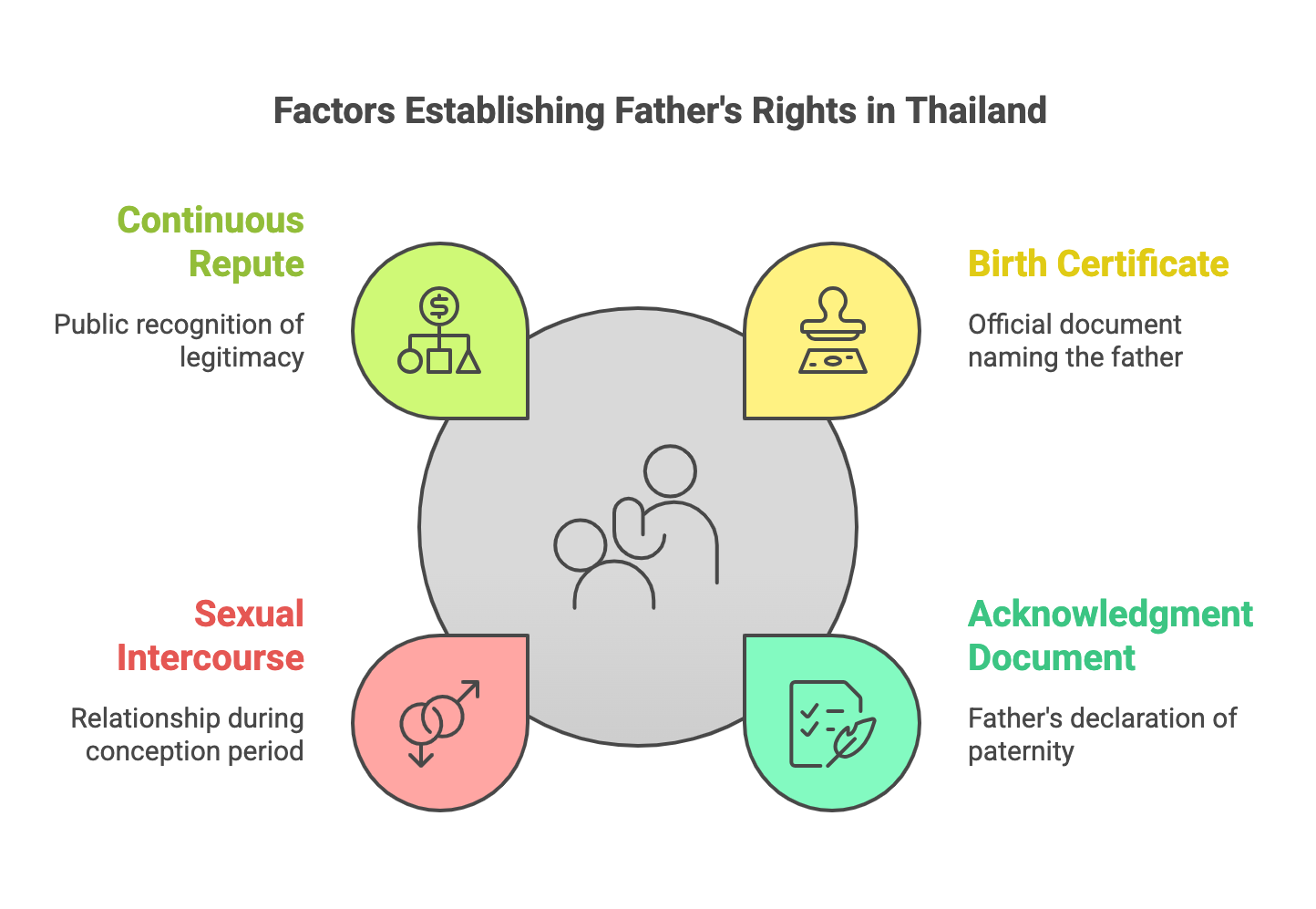
หากบิดาไม่ได้สมรสกับมารดา บิดาจะต้องปฏิบัติตาม ส่วนที่ 1547 แห่งประมวลกฎหมายแพ่งและพาณิชย์ของไทย สิ่งนี้มีความจำเป็นเพื่อให้เขามีสิทธิตามกฎหมายเหนือบุตร เรามักจะแนะนำให้บิดาที่ไม่ได้สมรสกันทำการรับรองบุตรให้ถูกต้องตามกฎหมายเพื่อวัตถุประสงค์ในการ สิทธิในการดูแลบุตรในประเทศไทย. มีการยื่นคำร้องต่อศาล ตามด้วยการตรวจสอบประวัติของคู่สมรสแต่ละฝ่ายโดยนักสังคมสงเคราะห์ หากคุณต้องการยืนยันสิทธิ์ความเป็นพ่อของคุณ หรือต้องการความช่วยเหลือเกี่ยวกับเรื่องนี้ การดูแลบุตรในประเทศไทย, ThaiLawOnline สามารถช่วยเหลือคุณได้ เราได้เขียนบทความเกี่ยวกับเรื่องนี้ไว้แล้ว วิธีทำให้สิทธิ์ของคุณในฐานะพ่อในประเทศไทยถูกต้องตามกฎหมาย.
การพาลบุตรย้ายไปต่างประเทศหลังจากการแยกทางกัน
เรื่องนี้ตัดสินใจโดยบทบัญญัติเพียงมาตราเดียว และไม่ใช่มาตราที่ผู้ปกครองส่วนใหญ่คาดคิด ประมวลกฎหมายแพ่งและพาณิชย์ มาตรา 1567(1) ให้สิทธิแก่ผู้ใช้อำนาจปกครองในการ เพื่อกำหนดถิ่นที่อยู่ของเด็ก. ดังนั้น บททดสอบจึงไม่ใช่เรื่องว่าใครเป็นคนไปรับส่งลูกที่โรงเรียนหรือเด็กนอนที่บ้านของใคร แต่เป็นเรื่องว่าใครมีอำนาจปกครองบุตร และพวกเขาถือมันไว้เพียงลำพังหรือไม่.
ในกรณีที่พ่อแม่ทั้งสองฝ่ายยังคงใช้อำนาจปกครองร่วมกัน ฝ่ายใดฝ่ายหนึ่งจะไม่สามารถตัดสินใจด้วยตนเองตามกฎหมายให้บุตรย้ายไปอาศัยอยู่ในต่างประเทศได้ มีช่องทางที่ถูกกฎหมายอยู่สามช่องทาง และควรดำเนินการจัดการให้เรียบร้อยทั้งสามช่องทางนี้ก่อนที่จะมีผู้ใดทำการจองเที่ยวบิน.
- ความยินยอมเป็นลายลักษณ์อักษรจากผู้ใช้อำนาจปกครองอีกคนหนึ่ง, ได้รับการรับรองจากอำเภอ การรับรองคือประเด็นสำคัญ: เอกสารจะต้องสามารถพิสูจน์ได้ต่อเจ้าหน้าที่ไทย ต่อสายการบิน หรือต่อศาลในอีกหลายเดือนต่อมา.
- ข้อตกลงเรื่องการใช้อำนาจปกครองบุตรที่บันทึกไว้ ณ เวลาหย่า ซึ่งอนุญาตให้ทำได้อยู่แล้ว. หากคาดการณ์ได้ว่าจะมีการย้ายถิ่นฐาน ให้จัดการระบุไว้ในสัญญาตั้งแต่แรกแทนที่จะมาเจรจาใหม่ภายใต้ความกดดันภายหลัง.
- คำสั่งศาลที่ให้อำนาจปกครองบุตรแก่ผู้ใช้อำนาจปกครองเพียงฝ่ายเดียว ภายใต้มาตรา 1566 (5) ซึ่งระบุคำสั่งของศาลไว้ในบรรดากฎเกณฑ์ที่พ่อหรือแม่ฝ่ายใดฝ่ายหนึ่งใช้อำนาจปกครองแต่เพียงผู้เดียว ให้ขอคำสั่งดังกล่าว ก่อน การย้ายถิ่นฐาน ศาลไทยเข้าถึงได้ง่ายกว่ามากในขณะที่เด็กยังอยู่ในประเทศไทย.
พ่อแม่ที่ย้ายที่อยู่ของบุตรโดยไม่มีสิ่งเหล่านี้ ไม่ได้เป็นเพียงแค่การเริ่มข้อพิพาทเรื่องอำนาจปกครองเท่านั้น เรื่องนี้อาจกลายเป็นคดีลักพาตัวเด็กระหว่างประเทศ และการเยียวยาก็จะขึ้นอยู่กับกลไกตามสนธิสัญญามากกว่าศาลครอบครัวของไทยเพียงอย่างเดียว กลไกดังกล่าวนั้นแคบกว่าที่คนส่วนใหญ่เข้าใจ เนื่องจากประเทศไทยได้เข้าเป็นภาคีอนุสัญญาเฮก คละ. 1980 ภายหลัง แทนที่จะลงนามตั้งแต่เริ่มต้น ดังนั้นจึงมีผลเฉพาะกับประเทศที่ยอมรับการเข้าเป็นภาคีอย่างเป็นทางการเท่านั้น เราได้อธิบายวิธีการทำงานดังกล่าว และวิธีตรวจสอบประเทศของคุณเองไว้ในคู่มือของเราเกี่ยวกับ การลักพาตัวเด็กในประเทศไทย.
ตัวอย่างในชีวิตจริงและ กรณีศึกษา:
กรณีศึกษาที่ 1: ข้อตกลงการดูแลบุตรแบบร่วมกัน
นายเอและนางสาวบี แม้จะหย่าร้างกันแล้ว แต่ก็ตกลงกันด้วยดีในเรื่องสอำนาจปกครองบุตรสาวร่วมกัน ทั้งคู่ได้ร่างแผนการปกครองบุตรซึ่งระบุรายละเอียดเกี่ยวกับความรับผิดชอบและตารางเวลาร่วมกัน จากนั้นจึงนำไปยื่นต่อสำนักงานเขตเพื่อให้ได้รับการยอมรับอย่างเป็นทางการ แนวความร่วมมือนี้ช่วยลดความขัดแย้งและให้ความสำคัญกับความเป็นอยู่ที่ดีของบุตรเป็นอันดับแรก การร่างข้อตกลงที่สมบูรณ์และแม่นยำถือเป็นเรื่องสำคัญมากเพื่อหลีกเลี่ยงปัญหาที่อาจเกิดขึ้นในอนาคต ThaiLawOnline มีความเชี่ยวชาญและสามารถช่วยเหลือคุณในการดำเนินการดังกล่าวได้ มีค่าใช้จ่ายไม่แพงและมีความสำคัญอย่างยิ่ง อำเภอไม่ได้จัดทำข้อตกลงที่มีรายละเอียดมากนัก ดังนั้นคุณจึงควรจัดทำข้อตกลงของคุณเองก่อนทำการหย่าโดยความยินยอมพร้อมใจ.
กรณีศึกษาที่ 2: การตัดสินใจเรื่องสิทธิ์ในการดูแลบุตรแต่เพียงผู้เดียว
ในอีกกรณีหนึ่ง นางสาว C ได้ยำสิทธิ์การใช้อำนาจปกครองบุตรชายแต่เพียงผู้เดียว เนื่องมาจากประวัติการใช้สารเสพติดและการละเลยหน้าที่ของนาย D ศาลเยาวชนและครอบครัวได้พิจารณาจากพยานหลักฐานและประโยชน์สูงสุดของเด็ก ศาลจึงพิพากษาให้ นางสาว C เป็นผู้มีอำนาจปกครองแต่เพียงผู้เดียว ศาลเน้นย้ำถึงความจำเป็นในการจัด 4 สภาพแวดล้อมที่ปลอดภัยและมั่นคง โปรดจำไว้ว่าคุณต้องมีพยานหลักฐานที่หนักแน่นจึงจะได้สิทธิ์การปกครองบุตรแต่เพียงผู้เดียวอย่างเต็มที่ แต่ก็เป็นไปได้ ในคดีหย่าร้างที่ประเทศไทย ศาลเยาวชนและครอบครัวมักจะเลือกสิทธิ์การใช้อำนาจปกครองบุตรไต่ร่วมกัน เว้นแต่จะมีพยานหลักฐานที่หนักแน่นมาแสดง.
คำตัดสินของศาลฎีกาเกี่ยวกับสิทธิในการดูแลบุตรในประเทศไทย: ศาลพิจารณาอะไรบ้างอย่างแท้จริง
ที่ ThaiLawOnline เราได้จัดการข้อพิพาทเรื่องสิทธิการ ใช้อำนาจปกครองมามากมายตลอดหลายปีที่ผ่านมา และเข้าใจว่าแท้จริงแล้วศาลไทยให้ความสำคัญกับสิ่งใด ประเด็นหลักในการตัดสินเรื่องอำนาจปกครองคือประโยชน์สูงสุดและความผาสุกของเด็ก ซึ่งอิงจากคำพิพากษาของศาลฎีกาและประสบการณ์ของเรา การให้ความสำคัญในจุดนี้มีความสำคัญมากกว่าสิทธิหรือความต้องการของผู้เป็นพ่อแม่.
ตามประมวลกฎหมายแพ่งและพาณิชย์ของไทย มาตรา 1520 และ 1521 ศาลจะวินิจฉัยเรื่องอำนาจปกครองบุตรโดยพิจารณาจากประโยชน์สูงสุดของเด็กเป็นสำคัญ โดยคำนึงถึงอนาคต การศึกษา ความมั่นคงทางจิตใจ และความเป็นอยู่โดยรวมของเด็ก ซึ่งแนวทางนี้มีความสอดคล้องต้องกันในทุกระดับชั้นศาลของประเทศไทย.
ปัจจัยสำคัญที่ศาลฎีกาพิจารณาเป็นประจำ ได้แก่:
- อายุและความต้องการของเด็ก: เด็กเล็กมักจะอยู่กับมารดา โดยเฉพาะอย่างยิ่งหากมารดาสามารถดูแลได้ดีกว่า (ดูคำพิพากษาที่ 303/2488) หากมารดาประพฤติตนไม่เหมาะสมหรือบิดาเป็นผู้ดูแลที่ดีกว่า อำนาจปกครองอาจตกเป็นของบิดา.
- ความต่อเนื่องและสิ่งแวดล้อมศาลจะหลีกเลี่ยงการเปลี่ยนแปลงสถานการณ์ความเป็นอยู่ที่ดีและมั่นคงของเด็ก หากเด็กอยู่กับผู้ปกครองคนใดคนหนึ่งได้ดี ผู้พิพากษาจะไม่สั่งให้เปลี่ยนแปลงใดๆ ที่อาจก่อให้เกิดอันตรายทางอารมณ์ต่อเด็ก (ดู 3035/2533, 8087/2543).
- พฤติกรรมและคุณธรรมของผู้ปกครองพฤติกรรมของพ่อแม่เป็นสิ่งสำคัญ ในกรณีที่เกี่ยวข้องกับความติดยาเสพติด ความรุนแรง หรือความประพฤติเสื่อมเสีย ศาลอาจปฏิเสธสิทธิการใช้อำนาจปกครองได้ (ดูคำพิพากษาศาลฎีกาที่ 1637/2520).
- ความสามารถในการให้การดูแลแม้ว่ารายได้และความมั่นคงในงานจะเป็นปัจจัยที่เกี่ยวข้อง แต่ก็ไม่ใช่ปัจจัยเดียวที่ใช้ตัดสิน ศาลจะพิจารณาถึงความสามารถโดยรวมของผู้ปกครองในการให้การศึกษา ที่อยู่อาศัย การดูแลสุขภาพ และการสนับสนุนทางอารมณ์ (1002/2537, 819/2546).
- ความผูกพันทางอารมณ์ความรัก ความผูกพัน และความอบอุ่นที่มอบให้กับเด็กถือเป็นข้อพิจารณาที่สำคัญอย่างยิ่ง.
- ความคิดเห็นของเด็ก: หากเด็กมีอายุอย่างน้อย 7 ปีและมีความเป็นผู้ใหญ่ ศาลอาจพิจารณาความต้องการของเด็กได้ อย่างไรก็ตาม นี่ไม่ใช่การตัดสินใจขั้นสุดท้าย.
- การรักษาความสัมพันธ์ระหว่างพี่น้องศาลมักจะหลีกเลี่ยงการแยกพี่น้องออกจากกันเว้นแต่จะมีเหตุผลอันสมควรอย่างยิ่ง.
- ความพร้อมใช้งานของผู้ปกครอง: ผู้พิพากษาจะพิจารณาว่าผู้ปกครองคนใดมีเวลามากกว่าในการดูแลอย่างใกล้ชิด (3035/2533).
ในคำตัดสินที่สำคัญบางประการ:
- ใน 116/2547, พ่อมีเงินมากกว่า แต่ต้องเดินทางไปทำงานบ่อย ลูกจึงสนิทกับแม่มาก ด้วยเหตุนี้ ศาลจึงตัดสินให้แม่เป็นผู้ดูแลลูก.
- ใน คดีศาลฎีกาหมายเลข 2563/2544, บิดาและมารดาได้จดทะเบียนหย่าร้างกัน พวกเขาตกลงกันว่ามารดาจะมีสิทธิ์ในการดูแลบุตรแต่เพียงผู้เดียว ดังนั้น ข้อตกลงดังกล่าวจึงเป็นไปตามมาตรา 1520 และ 1566 วรรค 2 (6) แห่งประมวลกฎหมายแพ่งและพาณิชย์ ศาลไม่มีเหตุผลที่จะเพิกถอนอำนาจปกครองบุตรของบิดา เมื่อมารดาเสียชีวิต บิดาจะมีสิทธิปกครองบุตรอย่างเต็มที่ ตามวรรค 1566 (1) เว้นแต่ศาลจะเพิกถอน.
- ใน คดีศาลฎีกาหมายเลข 2076/2497, มีคำกล่าวว่า โดยทั่วไปแล้วคุณไม่สามารถโอนอำนาจปกครองบุตรได้ ตัวอย่างเช่น หากบิดาเสียชีวิตหรือถูกประกาศว่าเป็นบิดาที่ไม่ชอบด้วยกฎหมาย มารดาจะมีสิทธิอำนาจปกครองบุตรอย่างเต็มที่ ในกรณีนั้น มารดาจะไม่สามารถโอนอำนาจดังกล่าวให้แก่บุคคลอื่นได้ ในทำนองเดียวกัน บุคคลอื่นก็ไม่สามารถได้มาซึ่งสิทธิเหล่านี้ เว้นแต่ศาลจะถอดถอนอำนาจจากมารดาหรือมอบอำนาจนั้นให้แก่บุคคลอื่น.
- ตัวอย่างหนึ่งที่ศาลปฏิเสธที่จะแทรกแซงข้อตกลงก่อนหน้านี้ สามารถพบได้ใน คำพิพากษาศาลฎีกาหมายเลข 4990/2537. ในกรณีนั้น โจทก์และจำเลยได้จดทะเบียนหย่าร้างกัน พวกเขาตกลงกันว่าจำเลยซึ่งเป็นมารดามีอำนาจปกครองบุตรแต่เพียงผู้เดียว ข้อตกลงดังกล่าวทำขึ้นภายใต้มาตรา 1520 วรรค 1 และ 1566 (6) แห่งประมวลกฎหมายแพ่งและพาณิชย์ มารดาได้รับสิทธิในการปกครองบุตรอย่างเต็มที่ ศาลจะไม่เปลี่ยนแปลงคำตัดสินนี้ ศาลยังปฏิเสธที่จะให้โจทก์เป็นผู้ปกครองบุตรด้วย.
- ภายใต้กฎหมายไทย, การดูแลบุตรในทางกายภาพสามารถทำได้โดยวิธีอื่น. ตัวอย่างเช่น เด็กอาจใช้เวลาหนึ่งภาคการศึกษาอยู่กับผู้ปกครองคนหนึ่ง แล้วอีกภาคการศึกษาหนึ่งอยู่กับผู้ปกครองอีกคนหนึ่ง ตัวอย่างดังกล่าวพบได้ใน... คำพิพากษาศาลฎีกาหมายเลข 2593/2533.
ศาลไทยอาจพิจารณาเรื่องการดูแลบุตรแบบร่วมกัน หากเห็นว่าเหมาะสมที่สุดสำหรับเด็ก โดยเฉพาะอย่างยิ่งหากพ่อแม่สามารถทำงานร่วมกันได้ นอกจากนี้ การจัดสรรการดูแลบุตรอาจเปลี่ยนแปลงได้ในภายหลัง หากสถานการณ์เปลี่ยนแปลงไป และการเปลี่ยนแปลงนั้นเป็นประโยชน์ต่อเด็ก (มาตรา 1521).
ในที่สุด สิทธิในการใช้อำนาจปกครองสามารถถูกเพิกถอนได้ สิ่งนี้สามารถเกิดขึ้นได้หากพ่อแม่ไม่สามารถดูแลตนเองได้ และยังเกิดขึ้นได้หากพ่อแม่ใช้อำนาจในทางมิชอบหรือประพฤติปฏิบัติตัวอย่างเลวร้ายมาก สิ่งนี้ถูกระบุไว้ใน มาตรา 1582 (ดู 4323/2540).
คำพิพากษาศาลฎีกาที่ 1694/2569 (แผนกคดีเยาวชนและครอบครัว): เมื่อใดที่ค่าอุปการะเลี้ยงดูบุตรสิ้นสุดลง แม้ว่าข้อตกลงจะกำหนดไว้เป็นอย่างอื่นก็ตาม
คำพิพากษาของแผนกคดีเยาวชนและครอบครัวในปี 2026 นี้ ถือเป็นคำวินิจฉัยเรื่องค่าอุปการะเลี้ยงดูบุตรที่นำไปใช้ประโยชน์ในทางปฏิบัติได้มากที่สุดจากศาลฎีกาในรอบหลายปี เนื่องจากคำพิพากษานี้ตอบคำถามสองข้อที่ลูกค้าของเรามักถามบ่อยที่สุด ได้แก่ เราสามารถตกลงที่จะอุปการะบุตรเลยอายุ 20 ปีไปแล้วได้หรือไม่ และหากเราตกลงเช่นนั้นแล้ว เราจะต้องผูกพันไปตลอดกาลเลยหรือไม่
ข้อเท็จจริง
บิดามารดายาหย่าร้างกันและได้ตกลงระงับข้อพิพาทโดยทำสัญญาประนีประยอมยอมความลงวันที่ 25 มกราคม 2559 ซึ่งศาลได้พิพากษาตามยอมแล้ว ภายใต้สัญญาประนีประยอมยอมความดังกล่าว ฝ่ายบิดามีหน้าที่ต้องชำระ:
- ค่าเลี้ยงดูบุตรสาวและบุตรชาย ในแต่ละกรณีจนกว่าเด็กจะสำเร็จการศึกษา “ปริญญาตรีหรือระดับการศึกษาสูงสุด”; และ
- การอุปการะเลี้ยงดูตัวมารดาเอง โดยมีกำหนดเวลาชัดเจนจนกระทั่งบุตรสำเร็จการศึกษา.
หลายปีต่อมา สถานการณ์ความเป็นจริงได้เปลี่ยนแปลงไป เด็กทั้งสองคนเรียนจบมหาวิทยาลัยและมีรายได้แล้ว ลูกสาวอายุ 25 ปีและทำงานมีเงินเดือน ส่วนลูกชายก็คว้าปริญญาตรีมาได้ ในส่วนของผู้เป็นพ่อก็ได้เกษียณอายุแล้วและไม่มีรายได้ที่แน่นอน เขาจึงยื่นคำร้องต่อศาลขอให้ยกเลิกการจ่ายค่าอุปการะเลี้ยงดู.
สิ่งที่ศาลฎีกาวินิจฉัย
- ข้อตกลงในการอุปการะเลี้ยงดูบุตรซึ่งบรรลุนิติภาวะแล้วนั้นสมบูรณ์และสามารถบังคับใช้ตามกฎหมายได้. มาตรา 1564 แห่งประมวลกฎหมายแพ่งและพาณิชย์ ผูกพันบิดามารดาให้อุปการะเลี้ยงดูและให้การศึกษาแก่บุตรในระหว่างที่เป็นผู้เยาว์ และให้อุปการะเลี้ยงดูบุตรที่บรรลุนิติภาวะแล้วเฉพาะในกรณีที่บุตรนั้นทุพพลภาพและไม่สามารถหาเลี้ยงตนเองได้เท่านั้น นั่นคือเกณฑ์ขั้นต่ำตามกฎหมาย มิใช่เพดานสูงสุด บิดามารดามีอิสระที่จะให้สัญญามากกว่านั้น และศาลไทยจะบังคับให้เป็นไปตามสัญญานั้น ความสมบูรณ์ของข้อสัญญาดังกล่าวถูกโต้แย้งว่าขัดต่อความสงบเรียบร้อยและศาลได้ยกข้อโต้แย้งนั้น โดยอธิบายว่าคำมั่นดังกล่าวเป็นการขยายหน้าที่อุปการะเลี้ยงดูให้ล่วงเลยไปกว่าวัย 20 ปีบริบูรณ์ของบุตร ซึ่งทำขึ้นด้วยความปรารถนาดีของบิดา.
- การบำรุงรักษาจะไม่เคยกลายเป็นหนี้สินที่ตายตัว. แม้ว่าตัวเลขที่นี่จะถูกกำหนดขึ้นโดยการประนีประนอมที่ศาลอนุมัติและบันทึกไว้เป็นคำพิพากษา, มาตรา 1598/39 อนุญาตให้ศาลมีคำสั่งเพิกถอน ลด เพิ่ม หรือฟื้นฟูค่าอุปการะเลี้ยงดูได้ตลอดเวลาตามคำขอของผู้มีส่วนได้เสีย เมื่อมีพฤติการณ์ ฐานะทางการเงิน หรือสภาพความเป็นอยู่ของคู่ความเปลี่ยนแปลงไป ศาลอธิบายว่าค่าอุปการะเลี้ยงดูมีลักษณะชั่วคราวและสามารถเปลี่ยนแปลงได้ ไม่ว่าจะกำหนดโดยคำพิพากษา โดยสัญญา หรือโดยสัญญาประนีประนอมยอมความ การแปลงสัญญาให้เป็นคำพิพากษาไม่ได้ทำให้สัญญาดังกล่าวไม่สามารถเปลี่ยนแปลงได้.
- “ปริญญาตรีหรือระดับการศึกษาสูงสุด” หมายถึงอย่างใดอย่างหนึ่งถึงก่อน. ศาลได้ให้ความหมายคำว่า “หรือ” ตามความหมายแยกแยะตามตัวอักษร: หลักไมล์ใดในสองหลักไมล์ที่มาถึงก่อนย่อมทำให้ภาระผูกพันสิ้นสุดลง ข้อสัญญานั้นไม่ได้ถูกตีความว่าเป็นการผูกพันแบบไม่จำกัดระยะเวลาในการให้ทุนสนับสนุนการศึกษาระดับบัณฑิตศึกษา.
- การจ่ายค่าเลี้ยงดูบุตรทั้งสองคนถูกเพิกถอน. ลูกสาวอายุ 25 ปีและมีงานทำแล้ว สามารถเลี้ยงดูตัวเองได้ ลูกชายสำเร็จการศึกษาปริญญาตรีและทำงานแล้วเช่นกัน ในทางกลับกัน ฝ่ายพ่อได้เกษียณอายุแล้วและไม่มีรายได้ที่มั่นคงอีกต่อไป เมื่อพิจารณาร่วมกันแล้ว นั่นคือการเปลี่ยนแปลงแห่งพฤติการณ์ ฐานะ และสภาพความเป็นชีวิตภายใน ความหมายของมาตรา 1598/39.
- การดูแลตนเองของผู้เป็นแม่ก็พลอยเสื่อมถอยลงเมื่อลูกชายได้รับปริญญา. เนื่องจากค่าอุปการะเลี้ยงดูคู่สมรสของเธอถูกร่างให้มีกำหนดระยะเวลาจนกว่าบุตรชายสำเร็จการศึกษา จึงทำให้ภาระหน้าที่ดังกล่าวสิ้นสุดลงเมื่อเกิดเหตุการณ์เดียวกันนั้น บิดาจึงได้รับการปลดเปลื้องจากภาระการจ่ายเงินในอนาคตทั้งหมด ทั้งค่าอุปการะเลี้ยงดู ค่าการศึกษา และค่ารักษาพยาบาล โดยมีผลตั้งแต่วันที่ 9 มิถุนายน 2566 เป็นต้นไป.
- ประวัติการจ่ายเงินพิเศษไม่ได้สร้างภาระผูกพันให้ต้องจ่ายต่อไป. ตลอดหลายปีที่ผ่านมาผู้เป็นพ่อได้จ่ายเงินค่าใช้จ่ายหลายอย่างที่ข้อตกลงไม่ได้กำหนดไว้ รวมถึงการท่องเที่ยวในวันหยุด ไอโฟน และผลิตภัณฑ์ดูแลผิว ศาลวินิจฉัยว่ารูปแบบความเอื้อเฟื้อเผื่อแผ่โดยสมัครใจไม่ได้ทำให้ข้อตกลงขยายขอบเขตออกไป หรือเปลี่ยนสิ่งของเหล่านั้นให้กลายเป็นค่าอุปการะเลี้ยงดูที่สามารถบังคับตามกฎหมายได้.
- มีการพิสูจน์การผิดสัญญาได้เพียงครั้งเดียวเท่านั้น. ค่ารักษาพยาบาลโรงพยาบาลเดียวจำนวน 4,750 บาท ซึ่งได้ถูกส่งต่อไปยังบิดaพร้อมกับใบเสร็จ ยังคงค้างชำระอยู่ และเขาได้รับคำสั่งให้ชำระเงินดังกล่าว ในเรื่องอื่นๆ ทั้งหมดพบว่าเขาได้ปฏิบัติayeตามอย่างมีสาระสำคัญแล้ว.
การอ้างอิง คำพิพากษาศาลฎีกาที่ 1694/2569, ศาลฎีกาแผนกคดีเยาวชนและครอบครัว (แผนกคดีเยาวชนและครอบครัว) บทบัญญัติที่นำมาใช้คือ ประมวลกฎหมายแพ่งและพาณิชย์ มาตรา 1564 วรรคหนึ่ง, มาตรา 1598/38 และ มาตรา 1598/39 วรรคหนึ่ง, ประกอบกับมาตรา 142(5) แห่งประมวลกฎหมายวิธีพิจารณาความแพ่ง อ่านร่วมกับมาตรา 246 และ 252 และมาตรา 6 แห่งพระราชบัญญัติศาลเยาวชนและครอบครัวและวิธีพิจารณาคดีเยาวชนและครอบครัว พ.ศ. 2553. มาตรา 1598/41 และ หมวด 1526 ถูกกล่าวถึงในบันทึกนี้เพื่อเป็นบริบทและไม่ได้อยู่ในข้อกำหนดที่นำมาใช้.
นี่หมายถึงอะไรในทางปฏิบัติ
หากคุณเป็นผู้ปกครองที่เป็นฝ่ายจ่ายเงิน. ข้อตกลงหย่าที่ศาลอนุมัติไม่จำเป็นต้องเป็นคำพิพากษาประหารชีวิตไปตลอดชีวิต ในกรณีที่บุตรสำเร็จการศึกษา เริ่มทำงานแล้ว หรือสามารถยืนหยัดด้วยตนเองได้แล้ว วิธีการที่ไม่ควรทำคือการหยุดจ่าย แต่เป็นการยื่นคำร้องต่อศาลเยาวชนและครอบครัวตามมาตรา 1598/39 เพื่อเพิกถอนหรือลดคำสั่ง การหยุดจ่ายโดยพลการทำให้คำพิพากษาเดิมยังมีผลอยู่และอาจถูกบังคับคดี รวมถึงมีค่าอุปการะเลี้ยงดูค้างชำระ การที่คำร้องจะประสบความสำเร็จหรือไม่นั้นขึ้นอยู่กับถ้อยคำในข้อตกลงและข้อเท็จจริงของคุณ แต่คดีหมายเลขแดงที่ 1694/2569 แสดงให้เห็นว่าภายใต้ข้อเท็จจริงที่ถูกต้อง ศาลจะปลดภาระให้ผู้จ่ายเงินทั้งหมด.
หากคุณเป็นผู้ปกครองฝ่ายรับมอบบุตรหลาน. มาตราเดียวกันนี้ใช้ได้ทั้งสองทาง หากรายได้ของผู้ปกครองฝ่ายที่จ่ายเงินเพิ่มขึ้นอย่างมาก หรือความต้องการของบุตรเพิ่มมากขึ้น (การรักษาพยาบาล, ความต้องการทางการศึกษาพิเศษ) คุณก็สามารถยื่นคำขอเพื่อเพิ่มค่าอุปการะเลี้ยงดูที่ครั้งหนึ่งเคยดูเหมือนจะตกลงกันได้แล้ว ในทำนองเดียวกัน ตัวเลขที่ตกลงกันไว้เมื่อหลายปีก่อนในระดับต่ำก็ไม่ใช่เพดานถาวร.
ร่างคำเตือน: คำว่า “หรือ”. วลีที่ว่า “จนกว่าเด็กจะสำเร็จการศึกษาปริญญาตรีหรือการศึกษาระดับสูงสุด” ดูเหมือนจะเอื้อเฟื้อต่อผู้รับและสำหรับชาวต่างชาติส่วนใหญ่แล้ว จะอ่านว่า “ตราบเท่าที่เด็กยังคงศึกษาอยู่” แต่ศาลฎีกาตีความไปในทางตรงกันข้าม คือ เหตุการณ์ใดเกิดขึ้นก่อนจะสิ้นสุดภาระผูกพันนั้น หากเจตนาคือการสนับสนุนการศึกษาที่เกินกว่าปริญญาตรีใบแรก ก็ให้ระบุให้ชัดเจน ระบุคุณวุฒิ และกำหนดอายุขอบเขตสุดท้าย (ตัวอย่างเช่น “จนกว่าเด็กจะมีอายุครบ 25 ปี หรือยุติการศึกษาเต็มเวลา แล้วแต่เหตุการณ์ใดจะเกิดขึ้นทีหลัง”) ความคลุมเครือในข้อสัญญาค่าเลี้ยงดูจะได้รับการวินิจฉัยโดยผู้พิพากษา ไม่ใช่โดยพ่อแม่ที่เป็นผู้ร่างสัญญาขึ้นมา.
ความใจบุญไม่ใช่คำสัญญา. พ่อในคดีนี้ได้จ่ายเงินสำหรับสิ่งต่างๆ ที่ข้อตกลงไม่เคยระบุไว้มาเป็นเวลาหลายปี ตั้งแต่วันหยุดพักผ่อนของครอบครัวไปจนถึงโทรศัพท์ ซึ่งทั้งหมดนี้ไม่ได้สร้างพันธะผูกพันใดๆ และสิ่งนี้ใช้ได้ทั้งสองทาง: ผู้จ่ายที่ให้อินพุตเพิ่มเติมไม่ได้สร้างความรับผิดชอบ และผู้รับที่ได้รับเพิ่มก็ไม่ควรปฏิบัติเสมือนว่าเป็นเงื่อนไขของการประนีประนอม หากมีสิ่งใดสำคัญ สิ่งนั้นก็ควรอยู่ในข้อตกลง.
ข้อสัญญาการจ่ายเงินตามเงื่อนไขเป็นตัวตัดสินว่าใครจะเป็นฝ่ายชนะข้อพิพาทในภายหลัง. สัญญาบำรุงรักษามักกำหนดให้การชำระเงินบางรายการมีเงื่อนไข โดยทั่วไปคือต้องได้รับความยินยอมล่วงหน้าก่อนจะมีค่าใช้จ่าย หรือต้องมีใบเสร็จก่อนจึงจะเบิกจ่ายได้ เงื่อนไขเหล่านี้นี่เองคือจุดชี้ขาดแพ้ชนะในข้อพิพาท ในคดีเลขที่ 1694/2569 การผิดสัญญาเดียวที่ฝ่ายมารดาพิสูจน์ได้คือค่ารักษาพยาบาลจำนวน 4,750 บาท ซึ่งได้ถูกส่งต่อพร้อมกับใบเสร็จ ใบเสร็จนี่เองคือสิ่งที่ทำให้พิสูจน์ได้ จงเก็บเอกสารไว้ และร่างเงื่อนไขให้ชัดเจนเพื่อให้ทั้งสองฝ่ายรู้แน่ชัดว่าอะไรคือสิ่ง 4 ที่กระตุ้นให้เกิดการชำระเงิน.
อย่ายึดการดูแลตัวเองเข้ากับความสำเร็จของลูกเด็ดขาด. มารดาในคดีนี้สูญเสียค่าอุปการะเลี้ยงดูส่วนตัวไม่ใช่เพราะเธอหมดความจำเป็นต้องใช้ แต่เป็นเพราะข้อสัญญาได้ผูกมันไว้กับการสำเร็จการศึกษาของบุตรของเธอ เมื่อมีการตกลงค่าอุปการะเลี้ยงดูคู่สมรสในสัญญาหย่า ควรให้มีจุดเริ่มต้น ระยะเวลา และเงื่อนไขการทบทวนเป็นของตนเอง โดยร่างแยกต่างหากจากเรื่องใดๆ ที่เกี่ยวกับบุตร โปรดสังเกตว่าสิ่งนี้แตกต่างจากค่าครองชีพตามกฎหมายภายใต้ หมวด 1526, ซึ่งมีให้เฉพาะในกรณีที่การหย่าร้างเกิดขึ้นจากความผิดของฝ่ายเดียว และผู้เรียกร้องตกอยู่ในภาวะยากไร้ รวมถึงมีการเรียกร้องดังกล่าวไว้ในคำฟ้องหย่าด้วย สำหรับการหย่าโดยความยินยอม ค่าอุปการะเลี้ยงดูคู่สมรสจะมีอยู่ก็ต่อเมื่อคู่สัญญาตกลงกัน ซึ่งทำให้การร่างสัญญาเป็นสิ่งคุ้มครองเดียวที่คุณมี.
อย่าคาดหวังว่าข้อสัญญา “ห้ามแก้ไขเปลี่ยนแปลง” จะมีผลบังคับใช้. มาตรา 1598/41 บัญญัติว่าสิทธิในการรับค่าอุปการะเลี้ยงดูจะสละ ยึด หรือโอนมิได้ และคำพิพากษา/คำสั่งศาลที่ 1694/2569 แสดงให้เห็นถึงอำนาจตามมาตรา 1598/39 ในการทบทวนค่าอุปการะเลี้ยงดูที่กำหนดไว้ตามสัญญาประนีประนอมยอมความที่ศาลอนุมัติ ข้อสันนิษฐานที่ปลอดภัยกว่าคือข้อสัญญาที่ระบุว่าค่าอุปการะเลี้ยงดูนั้น “เป็นที่สุดและไม่สามารถเปลี่ยนแปลงได้” แทบไม่มีผลเปลี่ยนแปลงอะไร ดังนั้น จึงควรยร่างโดยมุ่งเน้นไปที่จุดสิ้นสุดที่ชัดเจนและคาดการณ์ได้แทน.
ส่วนนี้เป็นข้อมูลทั่วไปเกี่ยวกับกฎหมายไทย ไม่ใช่คำแนะนำสำหรับคดีใดคดีหนึ่ง ผลลัพธ์เรื่องค่าอุปการะเลี้ยงดูขึ้นอยู่กับถ้อยคำในข้อตกลงและพฤติการณ์ของคู่กรณีเป็นสำคัญ ดังนั้นโปรดขอคำปรึกษาเกี่ยวกับข้อเท็จจริงเฉพาะของคุณก่อนดำเนินการใดๆ.
คำพิพากษาเหล่านี้ยืนยันว่าศาลไทยให้ความสำคัญกับประโยชน์สูงสุดของเด็กเป็นหลัก ไม่ใช่ความสะดวกสบายของพ่อแม่ เรารู้ว่าผู้พิพากษาคิดอย่างไรและต้องการเอกสารอะไร นอกจากนี้ เรารู้วิธีสร้างรูปคดีที่หนักแน่นโดยมุ่งเน้นไปที่ความเป็นอยู่ที่ดีของเด็ก หากคุณต้องการความช่วยเหลือเกี่ยวกับสิทธิการเลี้ยงดูบุตรในประเทศไทย ทีมงานของเราพร้อมให้ความช่วยเหลือคุณ เราพร้อมมอบประสบการณ์ ความเห็นอกเห็นใจ และแผนทางกฎหมายที่ชัดเจน.
คำถามที่พบบ่อยเกี่ยวกับสิทธิในการดูแลบุตรในประเทศไทย
การกำหนดค่าเลี้ยงดูบุตรในประเทศไทยเป็นอย่างไร?
ค่าเลี้ยงดูบุตรในประเทศไทยกำหนดขึ้นโดยอ้างอิงจากความต้องการของบุตรและความสามารถทางการเงินของบิดามารดา ภายใต้ มาตรา 1598/38 แห่งประมวลกฎหมายแพ่งและพาณิชย์ ศาลเยาวชนและครอบครัวจะพิจารณาถึงความสามารถของผู้ปกครองที่เป็นฝ่ายจ่าย ฐานะของบุตรที่เป็นฝ่ายรับ และฐานะทางสังคมของทั้งสองฝ่าย.
ร่างนั้นไม่เคยถูกตรึงไว้อย่างถาวร ภายใต้ มาตรา 1598/39 บิดามารดาฝ่ายใดฝ่ายหนึ่งอาจกลับมาศาลได้ตลอดเวลาเพื่อขอให้เพิกถอน ลด เพิ่ม หรือฟื้นฟูค่าอุปการะเลี้ยงดู เมื่อพฤติการณ์ รายได้ หรือสภาพความเป็นจริงในชีวิตเปลี่ยนแปลงไป คำพิพากษาศาลฎีกาที่ 1694/2569 ยืนยันว่าหลักการนี้นำมาใช้ได้แม้กระทั่งในกรณีที่จำนวนเงินดังกล่าวได้ตกลงกันโดยบิดามารดาในการประนีประนอมยอมความและศาลได้พิพากษาตามยอมแล้วก็ตาม.
ทนายความด้านกฎหมายครอบครัวมีบทบาทอย่างไรในข้อพิพาทเรื่องการดูแลบุตร?
ทนายความด้านกฎหมายครอบครัวในประเทศไทย ให้ความช่วยเหลือในเรื่องข้อพิพาทเกี่ยวกับการดูแลบุตร พวกเขาให้คำแนะนำทางกฎหมาย เป็นตัวแทนลูกความในศาล และช่วยเจรจาไกล่เกลี่ย พวกเขาให้ความมั่นใจว่าสิทธิทางกฎหมายของลูกความจะได้รับการคุ้มครองตลอดกระบวนการ.
การรับรองบุตรตามกฎหมายมีผลต่อสิทธิในการดูแลบุตรในประเทศไทยอย่างไร?
การรับรองบุตรโดยชอบด้วยกฎหมายสามารถเปลี่ยนแปลงสิทธิ์ในการดูแลบุตรได้ การรับรองดังกล่าวเป็นการรับรองสถานะบิดาของบุตรตามกฎหมาย ซึ่งอาจส่งผลต่อการตัดสินใจเรื่องการดูแลบุตร ดังนั้น การแก้ไขปัญหาเรื่องการรับรองบุตรโดยชอบด้วยกฎหมายจึงมีความสำคัญอย่างยิ่งต่อการสร้างสิทธิ์ความเป็นพ่อแม่เหนือบุตรในกรณีพิพาทเรื่องการดูแลบุตร.
ในประเทศไทย บุคคลที่ไม่ใช่พ่อแม่สามารถขอรับสิทธิ์ในการดูแลบุตรได้หรือไม่?
ในบางสถานการณ์ บุคคลที่ไม่ใช่พ่อแม่ อาจได้รับสิทธิ์ในการดูแลบุตรในประเทศไทย หากเป็นไปเพื่อประโยชน์สูงสุดของเด็ก ศาลครอบครัวจะพิจารณาถึงความสามารถของบุคคลที่ไม่ใช่พ่อแม่ในการจัดหาสภาพแวดล้อมที่มั่นคงและเอื้อต่อการเลี้ยงดูบุตร เราเคยทำคดีที่ปู่ย่าตายายได้รับสิทธิ์ในการดูแลบุตรมาแล้ว เป็นต้น.
พ่อแม่มีสิทธิทางกฎหมายอะไรบ้างในการเลี้ยงดูบุตรหลังจากคลอดบุตร การหย่าร้างในประเทศไทย?
ในประเทศไทย หลังจากการหย่าร้าง สิทธิทางกฎหมายในการเลี้ยงดูบุตรมักจะถูกตัดสินโดยศาลครอบครัว การดูแลบุตรอาจมอบให้แก่บิดาหรือมารดาฝ่ายใดฝ่ายหนึ่ง หรือทั้งสองฝ่าย ขึ้นอยู่กับว่าการจัดสรรแบบใดเป็นประโยชน์สูงสุดต่อบุตร.
การจ่ายค่าอุปการะเลี้ยงดูบุตรในประเทศไทยสิ้นสุดลงเมื่อบุตรอายุครบ 20 ปีบริบูรณ์หรือไม่
ตามกฎหมายแล้ว โดยส่วนใหญ่ใช่. มาตรา 1564 แห่งประมวลกฎหมายแพ่งและพาณิชย์กำหนดให้บิดามารดามีหน้าที่ต้องอุปการะเลี้ยงดูและให้การศึกษาแก่บุตรในระหว่างที่เป็นผู้เยาว์ ซึ่งในประเทศไทยจะสิ้นสุดลงเมื่ออายุ 20 ปี และต้องอุปการะเลี้ยงดูบุตรที่บรรลุนิติภาวะแล้วเฉพาะในกรณีที่บุตรนั้นทุพพลภาพและไม่สามารถหาเลี้ยงชีพได้.
The practical answer is more nuanced, because most divorcing parents sign an agreement that goes further. Where they do, the agreement governs, and Supreme Court Decision 1694/2569 confirms that a promise to support a child past majority is valid and enforceable in Thailand.
เราสามารถตกลงกันที่จะจ่ายค่าเลี้ยงดูบุตรเกินกว่าอายุ 20 ปีในประเทศไทยได้หรือไม่
ใช่ มาตรา 1564 กำหนดภาระผูกพันขั้นต่ำ ไม่ใช่ขั้นสูงสุด บิดามารดาสามารถตกลงที่จะอุปการะเลี้ยงดูบุตรจนถึงระดับมหาวิทยาลัยหรือจนถึงเวลาใดๆ หลังจากนั้นตามที่ตนเลือกได้ และศาลไทยจะบังคับตามข้อตกลงดังกล่าว รวมถึงกรณีที่ข้อตกลงนั้นถูกผนวกไว้ในการหย่าร้างที่ได้รับอนุมัติจากศาล คำพิพากษาศาลฎีกาที่ 1694/2569 ยืนยันเรื่องนี้.
ประเด็นที่ต้องเข้าใจก่อนเซ็นคือ มีผลบังคับใช้ไม่ได้หมายความว่าเปลี่ยนแปลงไม่ได้ ดูคำถามถัดไป.
ศาลไทยสามารถเปลี่ยนแปลงค่าอุปการะเลี้ยงดูบุตรที่กำหนดไว้ในสัญญาหย่าที่ศาลพิพากษาตามยอมได้หรือไม่
ใช่ นี่คือบรรทัดฐานสำคัญของคำพิพากษาศาลฎีกาที่ 1694/2569 ค่าอุปการะเลี้ยงดูยังคงเปลี่ยนแปลงได้ตลอดเวลาตาม มาตรา 1598/39, แม้กระทั่งในกรณีที่จำนวนเงินดังกล่าวได้รับการกำหนดไว้โดยสัญญาประนีประนอมยอมความที่ศาลอนุมัติและบันทึกไว้เป็นคำพิพากษา บุคคลผู้มีส่วนได้เสียคนใดคนหนึ่งอาจร้องขอ และศาลอาจเพิกถอน ลด เพิ่ม หรือกลับคืนสู่สภาพเดิมซึ่งการชำระเงินดังกล่าวได้ ในกรณีที่พฤติการณ์ ฐานะทางการเงิน หรือสภาพความเป็นอยู่ได้เปลี่ยนแปลงไป.
ในกรณีดังกล่าว บิดาได้รับการปลดปล่อยจากการชำระเงินในอนาคตทั้งหมด มีผลตั้งแต่วันที่ 9 มิถุนายน 2566 บุตรทั้งสองคนสำเร็จการศึกษาและทำงานแล้ว และตัวบิดาเองก็เกษียณอายุแล้วโดยไม่มีรายได้ที่แน่นอน.
“จนกว่าบุตรจะสำเร็จการศึกษาระดับปริญญาตรีหรือระดับการศึกษาสูงสุด” หมายความว่าอย่างไรกันแน่?
ซึ่งหมายความว่าอย่างใดอย่างหนึ่งระหว่างสองอย่างนี้ที่เกิดขึ้นก่อน ในคำพิพากษาศาลฎีกาที่ 1694/2569 ศาลตีความคำว่า “หรือ” ในลักษณะที่เป็นทางเลือก (ไม่เกิดร่วมกัน) ดังนั้น ปริญญาตรีของบุตรจึงสิ้นสุดหน้าที่ดังกล่าวแล้ว มันไม่ใช่ข้อผูกพันที่จะต้องให้ทุนสนับสนุนการศึกษาระดับปริญญาโทหรือการศึกษาอื่นใดเพิ่มเติม.
หากคุณตั้งใจให้มีการจ่ายค่าเลี้ยงดูต่อไปจนถึงการศึกษาในระดับปริญญาโท ข้อสัญญาจะต้องระบุไว้อย่างชัดเจน ระบุชื่อคุณวุฒิ และกำหนดอายุสิ้นสุดสูงสุด ห้ามพึ่งพาถ้อยคำลักษณะนี้เพื่อคุ้มครองบุตรในการศึกษาต่อระดับที่สูงขึ้น.
การจ่ายค่าอุปการะเลี้ยงดูคู่สมรสของฉันจะสิ้นสุดลงเมื่อลูกเรียนจบหรือไม่
เป็นเช่นนั้นหากเงื่อนไขถูกร่างขึ้นมาในลักษณะดังกล่าว และนี่คือกับดักที่ควรระบุให้ชัดเจน ในคำพิพากษาศาลฎีกาที่ 1694/2569 ค่าอุปการะเลี้ยงดูของมารดาผูกติดอยู่กับการสำเร็จการศึกษาของบุตร เมื่อบุตรสำเร็จการศึกษาระดับปริญญาตรี ค่าอุปการะเลี้ยงดูของมารดาจึงสิ้นสุดลงตามไปด้วย โดยไม่คำนึงถึงสถานการณ์ของตนเองเลย.
ค่าอุปการะเลี้ยงดูคู่สมรสที่ตกลงกันไว้ในการประนีประนอมควรได้รับการร่างให้มีกำหนดเวลาเริ่มต้น ระยะเวลา และเงื่อนไขการทบทวนเป็นของตนเอง โดยแยกออกจากข้อตกลงเรื่องบุตรอย่างสิ้นเชิง ค่าครองชีพตามกฎหมายภายใต้ หมวด 1526 เป็นสิทธิเยียวยาที่แตกต่างและแคบกว่า ซึ่งจะมีให้ใช้ได้ก็ต่อเมื่อมีการพิพากษาให้หย่าโดยความผิดของคู่สมรสอีกฝ่ายแต่เพียงฝ่ายเดียว ผู้เรียกร้องตกอยู่ในภาวะยากจน และได้มีการกล่าวอ้างคำขอนั้นไว้ในคำฟ้องหย่าแล้ว.
อดีตคู่สมรสของฉันหยุดจ่ายเงินเพราะลูกเรียนจบมหาวิทยาลัยแล้ว นั่นถูกกฎหมายหรือไม่
ไม่ใช่ด้วยตัวของมันเอง ภาระผูกพันจะสิ้นสุดลงเมื่อศาลมีคำสั่งว่าสิ้นสุด ไม่ใช่เมื่อผู้ปกครองฝ่ายที่จ่ายเงินเป็นผู้ตัดสินว่าเงื่อนไขนั้นเกิดขึ้นแล้ว ขั้นตอนที่ถูกต้องคือการยื่นคำร้องตามประมวลกฎหมายแพ่งและพาณิชย์ มาตรา 1598/39 เพื่อเพิกถอนหรือลดคำสั่งดังกล่าว จนกว่าคำร้องนั้นจะประสบความสำเร็จ คำพิพากษาที่มีอยู่ยังคงมีผลและสามารถบังคับคดีได้ รวมถึงหนี้ค้างชำระด้วย.
หากคุณเป็นฝ่ายที่ได้รับผลกระทบจากการหยุดจ่ายเงินฝ่ายเดียว หรือคุณเป็นผู้จ่ายเงินและต้องการหยุดจ่ายอย่างถูกต้องตามกฎหมาย ควรปรึกษาทนายความด้านครอบครัวชาวไทยก่อนที่ยอดค้างชำระจะสะสมขึ้น.
คำรับรองจากลูกค้า:
ฉันคงไม่คิดที่จะใช้บริการคนอื่นอีกเลย.
ผมอาศัยอยู่ในภาคอีสานมานานกว่า 10 ปีแล้ว และมีเหตุให้ต้องใช้บริการของคุณเซบสเตียนในหลายๆ โอกาส ครั้งแรกที่จำได้คือการทำสิทธิเก็บกิน ครั้งที่สองคือสัญญาแยกกันอยู่ ครั้งที่สามคือการหย่าร้างและสิทธิในการเลี้ยงดูบุตร และครั้งที่สี่คือการทำพินัยกรรม ในทุกๆ ครั้ง คุณเซบสเตียนไม่ได้จำกัดแค่เพียงทำตามหน้าที่ขั้นพื้นฐานเท่านั้น แต่เขาใช้เวลาทำความเข้าใจปัญหาอย่างถ่องแท้ และร่วมกับหุ้นส่วนของเขา ช่วยจัดการกับประเด็นพิพาทต่างๆ ให้ราบรื่นที่สุดเท่าที่จะเป็นไปได้ ผมประทับใจกับการทำงานอย่างไม่รู้จักเหน็ดเหนื่อยของเขา ผมเคยได้รับข้อความตอบกลับตอนตีสอง และจำไม่ได้แล้วว่ากี่ครั้งที่เขาให้คำแนะนำว่าอะไรทำได้หรือทำไม่ได้ตามกฎหมายไทย ผู้ชายคนนี้ใส่ใจในมาตรฐานของงานที่ทำอย่างแท้จริง ผมคงไม่คิดจะไปใช้บริการคนอื่นอีกแน่นอน.

ขอแนะนำอย่างยิ่ง เซบาสเตียนและทีมงานของเขาเยี่ยมยอดมาก
ผมใช้บริการพวกเขาสำหรับคดีสิทธิ์การเลี้ยงดูบุตรของผมที่ประเทศไทยครับ ตอนแรกผมเข้าใจว่าผมมีสิทธิ์ 50/50 แต่ปรากฏว่าผมมีสิทธิ์ 0% พวกเขาทำสำนวนคดีในศาลไทยจนทำให้ผมได้รับอำนาจปกครองบุตรชายของผมแต่เพียงผู้เดียว 100% ซึ่งเรื่องนี้เกิดขึ้นได้ยากมากในประเทศไทย โดยเฉพาะสำหรับชาวต่างชาติ หากคุณมีปัญหาเรื่องสิทธิ์การเลี้ยงดูบุตร ผมขอแนะนำพวกเขาเลยครับ เซบาสเตียนและทีมงานของเขายอดเยี่ยมมาก.
ความขยันหมั่นเพียรและความสมบูรณ์แบบ
เซบาสเตียนและทีมงานของเขาจัดการคดีการดูแลบุตรระหว่างประเทศที่ซับซ้อนของเราด้วยความขยันหมั่นเพียรและสมบูรณ์แบบ พวกเขาไม่ละเลยรายละเอียดใดๆ และเหนือกว่าทนายความคนอื่นๆ อย่างเห็นได้ชัด ทำให้ทนายความเหล่านั้นดูเหมือนไม่พร้อม เราประสบความสำเร็จในการให้ลูกชายของเราอยู่กับแม่ของพวกเขาที่นี่ในประเทศไทย และป้องกันไม่ให้พวกเขาถูกส่งตัวไปยุโรป ฉันคิดว่าเราคงไม่ชนะคดีนี้หากเป็นทีมอื่น การได้กลับมาอยู่ด้วยกันอีกครั้งของแม่กับลูกๆ ที่ถูกพรากไปจากเธออย่างไม่เป็นธรรมนั้นเป็นของขวัญที่ไม่อาจบรรยายได้ ขอบคุณมาก!
มีความรู้ความเชี่ยวชาญอย่างยอดเยี่ยมในทุกสิ่งที่พวกเขาทำ
สำนักงานกฎหมายแห่งนี้เป็นสำนักงานกฎหมายระหว่างประเทศที่ยอดเยี่ยมจริงๆ พวกเขาจะทำงานเพื่อคุณ ซื่อสัตย์กับคุณ และมีความรู้ความเชี่ยวชาญอย่างมากในทุกสิ่งที่พวกเขาทำ.
👨👩👧 ต้องการความช่วยเหลือเรื่องการดูแลบุตรในประเทศไทยหรือไม่?
ข้อพิพาทเรื่องสิทธิ์ในการเลี้ยงดูบุตรอาจเป็นเรื่องที่รับมือได้ยาก โดยเฉพาะอย่างยิ่งเมื่อคุณต้องเผชิญกับสถานการณ์เหล่านี้ในต่างประเทศ ไม่ว่าคุณจะแยกทางกัน กำลังหย่าร้าง หรือเพียงแค่ต้องการปกป้องสิทธิ์ความเป็นพ่อแม่ของคุณ, คุณไม่จำเป็นต้องเผชิญเรื่องนี้เพียงลำพัง.
ที่ ไทยลอว์ออนไลน์, เราช่วยเหลือชาวต่างชาติและครอบครัวที่มีสัญชาติผสมให้เข้าใจและยืนยันสิทธิของตนภายใต้กฎหมายไทย เราจะรับฟังสถานการณ์ของคุณและช่วยคุณหาทางออกที่ปกป้องบุตรหลานของคุณ เราจะแจ้งให้คุณทราบทุกขั้นตอน.
✅ ให้คำปรึกษาทางกฎหมายเป็นภาษาอังกฤษที่เข้าใจง่าย
✅ ให้ความช่วยเหลือทางกฎหมายในศาลเมื่อจำเป็น
✅ การร่างหรือแก้ไขข้อตกลงเกี่ยวกับการดูแลบุตร
✅ ให้ความช่วยเหลือเกี่ยวกับสิทธิ์ในการดูแลบุตรแต่เพียงผู้เดียว สิทธิ์ในการดูแลบุตรร่วมกัน หรืออำนาจของผู้ปกครอง
✅ มีประสบการณ์ทั้งด้านคดีแพ่งและคดีอาญา
📩 ติดต่อทีมกฎหมายของเราได้วันนี้ที่ info@thailawonline.com หรือคลิกไอคอน Messenger ด้านล่างเพื่อขอคำปรึกษาแบบเป็นส่วนตัว.
เพราะเมื่อพูดถึงลูกของคุณ ทุกย่างก้าวล้วนมีความสำคัญ.
และคุณสามารถติดต่อเราได้ทาง 💬 เมสเซนเจอร์📱 WhatsApp📸 อินสตาแกรม📧 อีเมล
ลิงก์เพิ่มเติม:
การกำหนดราคางานดูแลทรัพย์สิน
| บริการ | ค่าบริการแบบเหมาจ่าย | สิ่งที่รวมอยู่ในบริการ | ระยะเวลา |
|---|---|---|---|
| สิทธิปกครองบุตรและอำนาจปกครอง | เสนอราคาหลังการปรึกษา | เริ่มด้วยการปรึกษาชั่วโมงละ 2,000 บาท แล้วจึงเสนอค่าบริการแบบเหมาจ่ายสำหรับงานศาลหรือที่ว่าการอำเภอ | ขึ้นอยู่กับช่องทาง: ที่ว่าการอำเภอ หรือ ศาลเยาวชนและครอบครัว |
Government disbursements are charged at cost unless the service says they are included.
จองการปรึกษา ตอบกลับภายใน 24 ชั่วโมง อังกฤษ · ฝรั่งเศส · ไทย
ค่าธรรมเนียมเหล่านี้มาจากแหล่งเดียวและเท่ากันทุกที่บนเว็บไซต์นี้ ดู ค่าธรรมเนียมทั้งหมดของเรา.
ลองด้วยตัวคุณเองก่อน ฟรี
คุณไม่ต้องจองอะไรเพื่อเริ่มต้นใช้งาน สิ่งเหล่านี้ทำงานในเบราว์เซอร์ของคุณ และคุณจะจ่ายเงินให้เราก็ต่อเมื่อคุณตัดสินใจว่าต้องการให้มีทนายความเข้ามาเกี่ยวข้องเท่านั้น.
ถามผู้ช่วย AI ของเรา ฟรี
เรียนรู้จากกฎหมายไทยและคำพิพากษาศาลฎีกากว่า 77,000 คดี ถามได้ทุกเรื่อง ฟรี
การตรวจสุขภาพทางกฎหมายสำหรับชาวต่างชาติ ฟรี
ใช้เวลาสิบนาทีเกี่ยวกับทรัพย์สิน ครอบครัว วีซ่า และพินัยกรรมของคุณ คุณจะได้รับรายงานที่เป็นลายลักษณ์อักษรระบุช่องว่างที่แน่นอนและค่าใช้จ่ายในการแก้ไขแต่ละจุด.
ทำแบบประเมินสุขภาพทางกฎหมายข่าวสารกฎหมายไทย ฟรีทางอีเมล
อัปเดตข่าวสารกฎหมายไทยในภาษาเข้าใจง่าย ที่ส่งผลกระทบต่อชาวต่างชาติ: อสังหาริมทรัพย์, วีซ่า, การสมรส, ธุรกิจ และพินัยกรรม จดหมายข่าวสั้นเพียงฉบับเดียวต่อเดือน จากสำนักงานกฎหมายที่ดำเนินงานมาตั้งแต่ปี 2549 ไม่มีการส่งสแปม ยกเลิกรับได้ทุกเมื่อ.